

What We Know
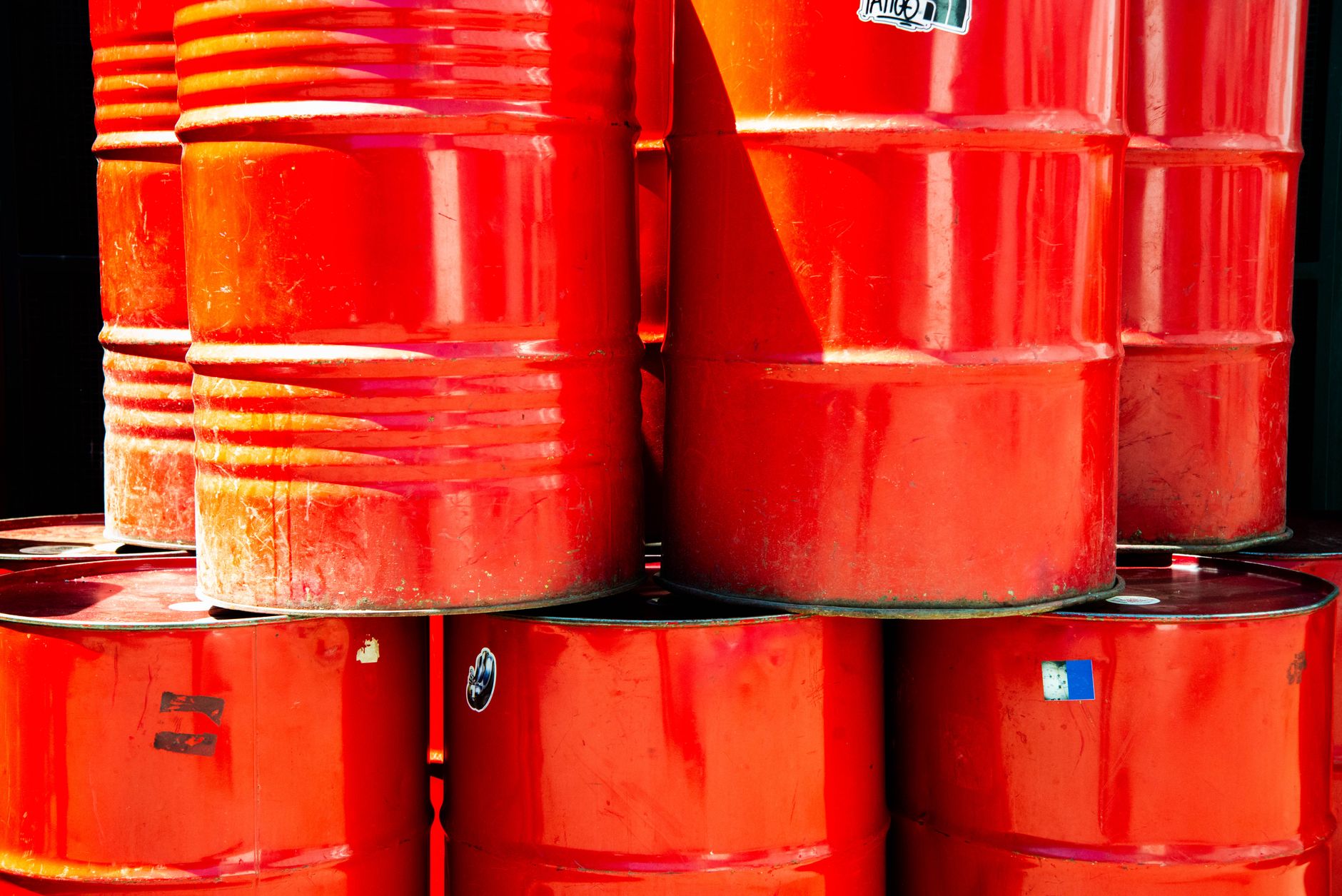
- President Trump is actively considering military strikes against Iranian energy targets, a move that could dramatically escalate regional tensions and reshape global energy markets.
- Discussions within the administration regarding these potential strikes are reportedly advanced, indicating a serious intent to move beyond rhetoric and towards decisive action.
- The proposed targets are specifically Iranian energy infrastructure, suggesting an aim to cripple Iran's economic lifeline and its capacity to fund proxy conflicts.
- The timeline for these potential actions is described as 'within days,' highlighting the immediate and urgent nature of the deliberations and the potential for rapid deployment.
- These considerations come amidst a backdrop of heightened tensions between the U.S. and Iran, fueled by various incidents in the Persian Gulf and ongoing disputes over nuclear programs.
- Such strikes would represent a significant shift in U.S. policy towards Iran, moving from sanctions and diplomatic pressure to direct military engagement against strategic assets.
What We Do Not Know Yet
- The precise nature and scale of the proposed military strikes remain undisclosed, leaving open questions about the specific targets, the types of ordnance, and the duration of any potential operation.
- The exact triggers or specific intelligence that have prompted this urgent consideration of military action are not yet public, making it difficult to fully assess the immediate impetus.
- The full range of potential retaliatory measures Iran might undertake in response to U.S. strikes is unknown, though experts anticipate a multifaceted response targeting U.S. interests and allies.
- Whether key international allies have been fully briefed or have expressed support for such a significant military undertaking is unclear, which could impact the broader coalition dynamics.
- The potential economic fallout on global oil prices and supply chains, particularly in a volatile market, is still being assessed and could vary widely depending on the severity of the strikes.
- The long-term strategic objectives and exit strategy for any military engagement are not yet articulated, raising concerns about mission creep and unintended consequences in the region.
Background
Tensions between the United States and Iran have been a persistent feature of Middle Eastern geopolitics for decades, but they have escalated dramatically since the U.S. withdrawal from the Joint Comprehensive Plan of Action (JCPOA), commonly known as the Iran nuclear deal, in 2018. This pivotal decision by the Trump administration reimposed stringent sanctions on Iran, severely crippling its economy and particularly its vital oil exports. The stated goal was to force Iran to renegotiate a broader deal that would address its ballistic missile program and its regional proxy activities, which the U.S. views as destabilizing.
Following the reintroduction of sanctions, Iran has progressively reduced its commitments under the nuclear deal, enriching uranium beyond agreed limits and installing advanced centrifuges. This defiance has been accompanied by a series of incidents in the Persian Gulf, including attacks on oil tankers, drone incursions, and the downing of a U.S. surveillance drone. Each incident has ratcheted up the pressure, bringing both nations closer to direct military confrontation. The Strait of Hormuz, a critical chokepoint for global oil shipments, has become a flashpoint, underscoring the potential for any conflict to disrupt international energy markets.
The current contemplation of strikes on Iranian energy targets represents a significant hardening of the U.S. stance, moving beyond economic pressure to the potential use of kinetic force against the very infrastructure that sustains Iran's economy. This strategic shift suggests a belief within the Trump administration that previous measures have not been sufficient to deter Iranian actions or compel them to return to the negotiating table on U.S. terms. Such a move carries immense risks, not only for regional stability but also for the global economy, potentially drawing in other regional and international actors.
Why It Matters
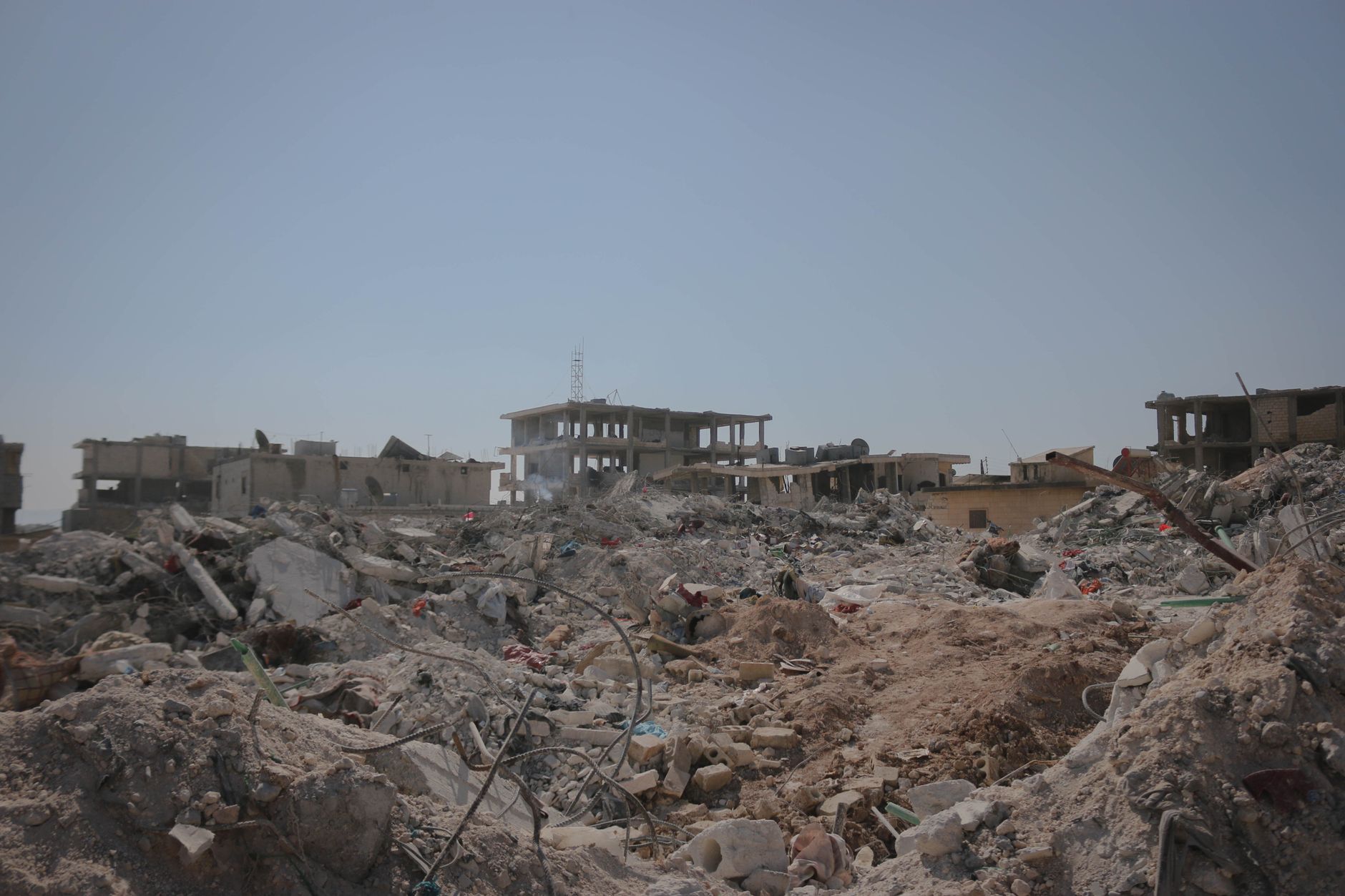
The potential for U.S. military strikes on Iranian energy targets is not merely a regional issue; it carries profound global implications. Any direct military confrontation between two major powers like the U.S. and Iran could quickly spiral into a wider regional conflict, drawing in allies and adversaries alike. Such an escalation would destabilize the entire Middle East, a region already fraught with complex geopolitical fault lines and ongoing proxy wars. The human cost of such a conflict, both in terms of casualties and humanitarian crises, would be immense and devastating, impacting millions.
Economically, the repercussions would be felt worldwide. Iran is a significant oil producer, and any disruption to its energy infrastructure or, more broadly, to shipping lanes in the Persian Gulf, particularly the Strait of Hormuz, would inevitably lead to a sharp spike in global oil prices. This surge would impact consumers and industries across the globe, potentially triggering an economic downturn or exacerbating existing inflationary pressures. Furthermore, the uncertainty generated by military conflict would deter investment and disrupt international trade, creating a ripple effect across interconnected global markets.
Beyond the immediate military and economic consequences, such strikes would fundamentally alter the geopolitical landscape. They would test the resolve of international diplomacy, potentially isolating the U.S. from key allies who advocate for de-escalation and negotiation. It could also embolden other state and non-state actors in the region, leading to unpredictable shifts in alliances and power dynamics. The long-term impact on international norms regarding sovereignty and the use of force could be significant, setting dangerous precedents for future conflicts and further eroding the framework of international law.
Timeline of Events
- May 2018: U.S. President Trump withdraws from the Joint Comprehensive Plan of Action (JCPOA), commonly known as the Iran nuclear deal, and announces the re-imposition of sanctions on Iran, citing its ballistic missile program and regional destabilizing activities.
- November 2018: All U.S. sanctions against Iran that were lifted under the 2015 nuclear deal are fully reimposed, targeting Iran's oil exports, shipping, and banking sectors, severely impacting its economy.
- May 2019: Iran begins to scale back its commitments under the JCPOA, exceeding limits on uranium enrichment and stockpiling, in response to the U.S. withdrawal and European nations' inability to circumvent sanctions.
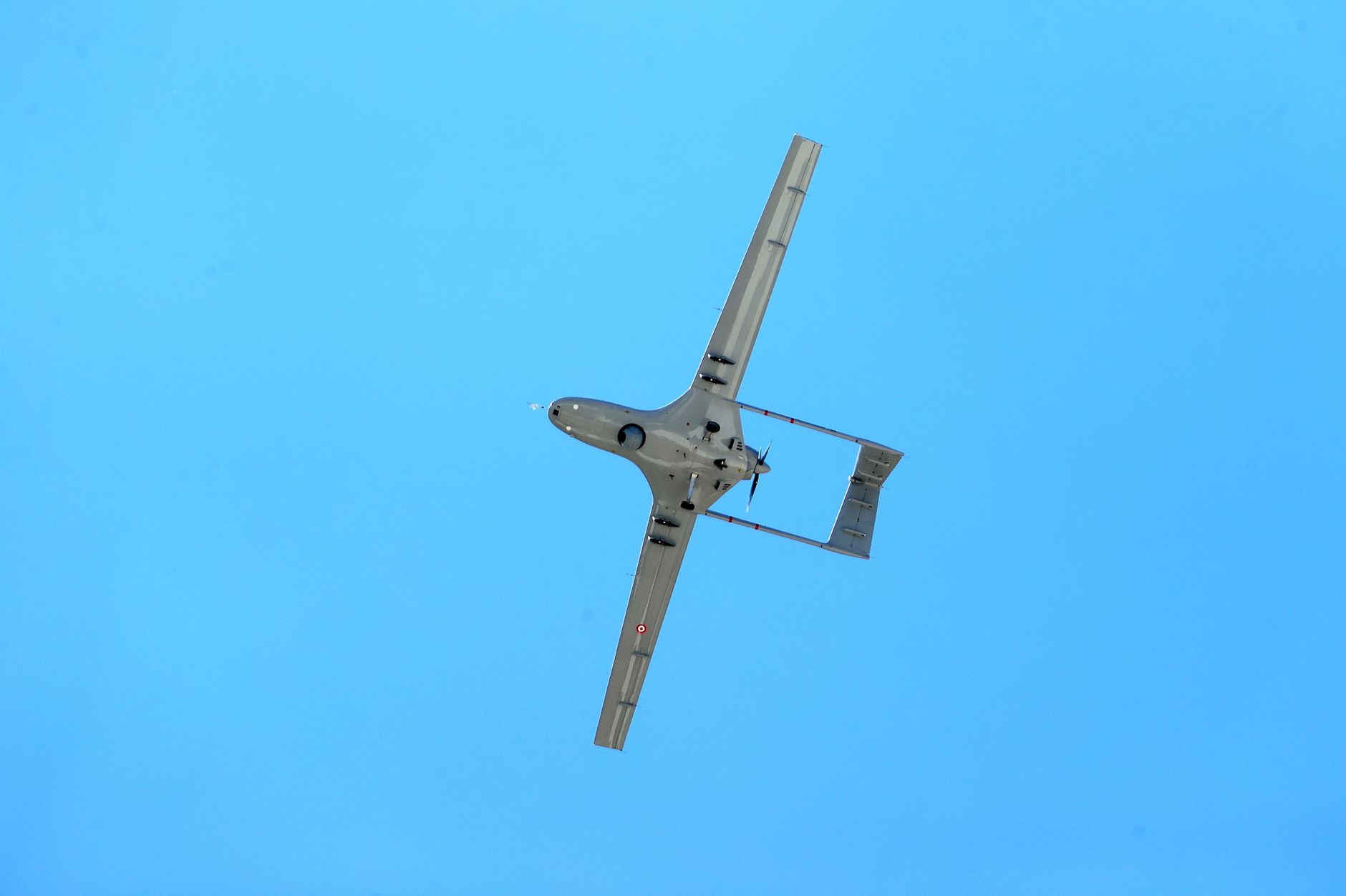
- June 2019: Several oil tankers are attacked in the Gulf of Oman, with the U.S. blaming Iran. Later that month, Iran shoots down a U.S. surveillance drone over the Strait of Hormuz, claiming it violated Iranian airspace.
- September 2019: Major drone and missile attacks target Saudi Aramco oil facilities, significantly disrupting global oil supplies. The U.S. and Saudi Arabia attribute the attacks to Iran, which denies direct involvement.
- January 2020: U.S. drone strike kills Iranian General Qassem Soleimani in Baghdad, dramatically escalating tensions. Iran retaliates with missile strikes on Iraqi bases housing U.S. troops, causing no fatalities but significant property damage.
- November 2020: Reports surface that President Trump is considering military strikes on Iranian nuclear facilities, though advisors reportedly dissuade him from immediate action, highlighting the risks.
- Late 2024 (Current): Intelligence reports indicate President Trump is actively considering military strikes against Iranian energy targets within days, signaling a potential shift towards direct kinetic action against Iran's economic lifeline.
Rapid-Fire Q&A
What Is Coming
- Expect heightened rhetoric and diplomatic maneuvering from all sides, as the U.S. administration weighs its options and Iran issues warnings against any military adventurism.
- Global energy markets will remain extremely volatile, with oil prices reacting sharply to any new developments or credible threats of military action in the Persian Gulf.
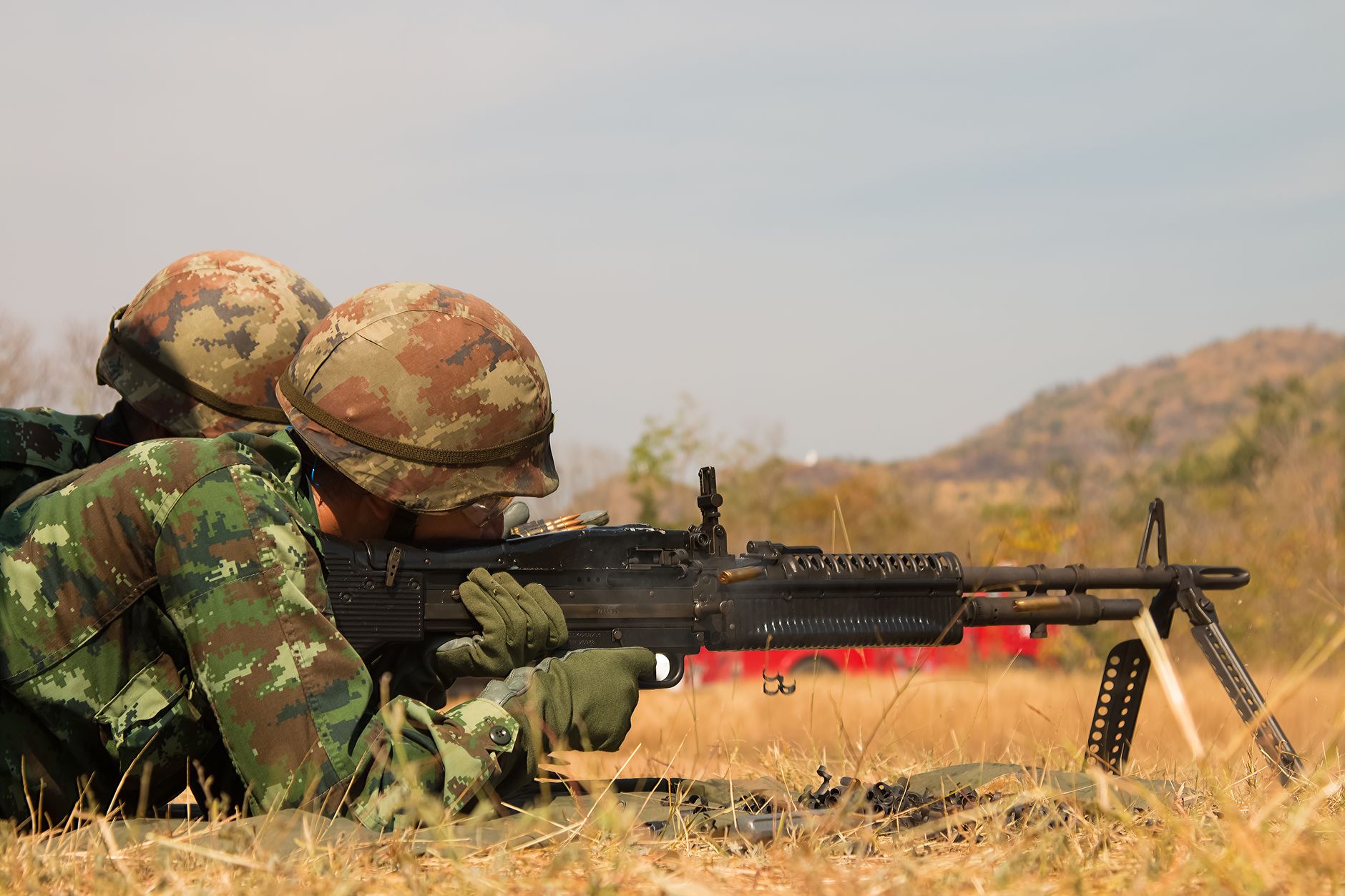
- Increased military readiness and deployments in the Middle East are probable, as both the U.S. and its regional allies prepare for potential contingencies and Iranian retaliation.
- Intense international pressure for de-escalation will mount from various global powers and organizations, urging restraint and a return to diplomatic solutions to avert a wider conflict.
- Close monitoring of Iranian nuclear activities will intensify, as any military strike could prompt Iran to further accelerate its nuclear program, potentially withdrawing from the Non-Proliferation Treaty.
- The coming days will be critical, as decisions made by the U.S. administration will determine whether the region moves towards a dangerous military confrontation or finds a path back to diplomatic engagement.










Comments
No comments yet. Be the first to comment!