
Key Takeaways
- The US economy's Gross Domestic Product (GDP) has unexpectedly plummeted to a mere 1.5%, marking a significant and concerning slowdown from previous quarters and defying many analyst predictions.
- This sharp contraction in GDP is largely attributed to a confluence of factors, including persistent inflation eroding consumer purchasing power, rising interest rates dampening investment, and a noticeable decline in export demand.
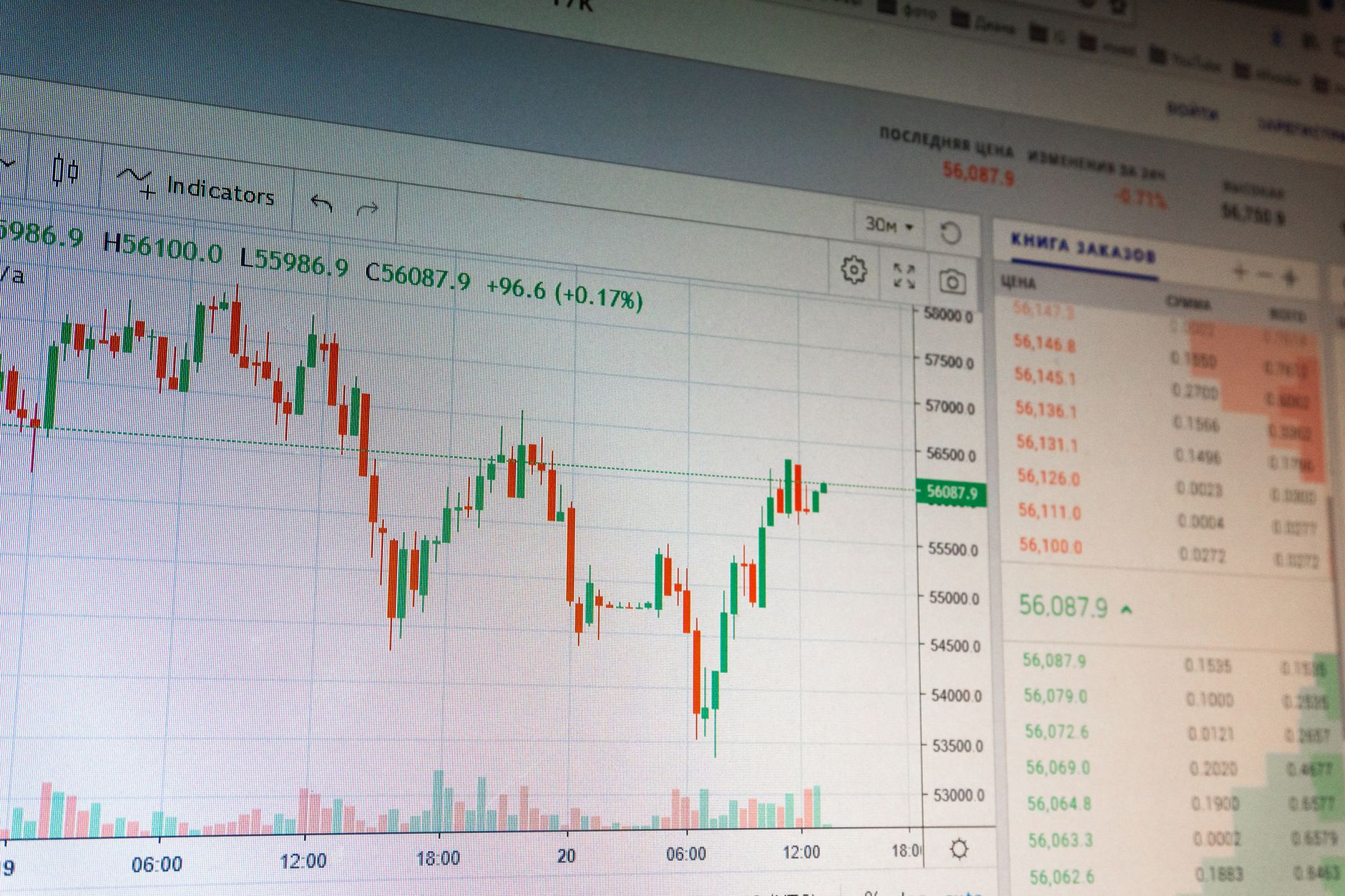
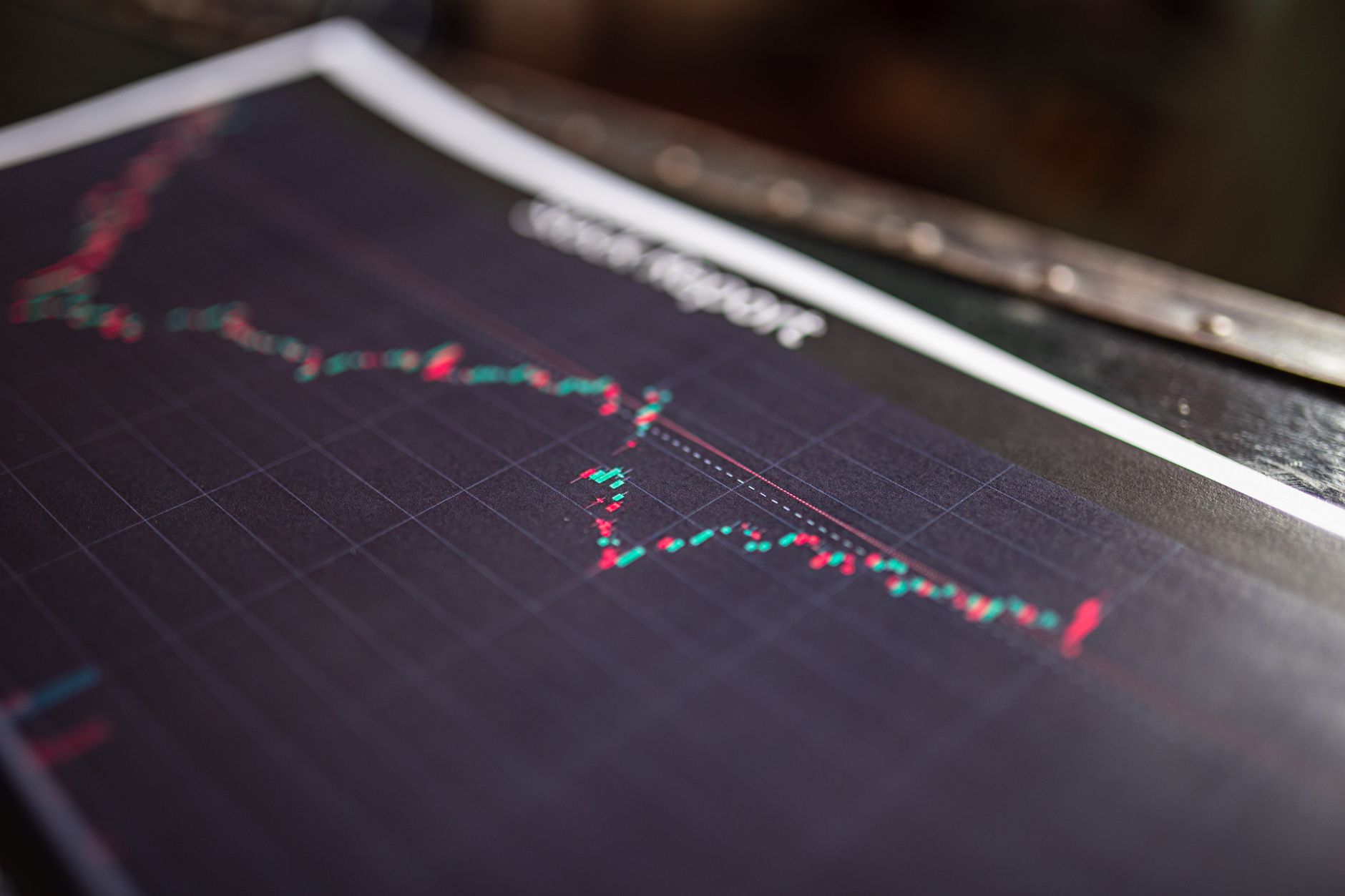
- The market has reacted with palpable shock, as evidenced by significant drops in major stock indices and increased volatility across various asset classes, reflecting investor apprehension about future economic stability.
- Consumer spending, a critical driver of US economic growth, has shown signs of weakening, with discretionary purchases being scaled back as households grapple with higher living costs and uncertain job prospects.
- Businesses are facing mounting pressures from elevated operational costs and reduced consumer demand, leading to cautious hiring practices and a slowdown in capital expenditure, which further constrains economic expansion.
- Policymakers are now under intense scrutiny to implement effective fiscal and monetary strategies to counteract this downturn, with debates intensifying around potential interest rate adjustments and targeted stimulus measures to avert a deeper recession.
Background
The United States economy, long a beacon of global stability and growth, has recently delivered a sobering report: its Gross Domestic Product (GDP) has decelerated sharply to an alarming 1.5%. This figure represents a significant drop from the more robust growth rates observed in preceding quarters, catching many economists and market analysts off guard. For months, there had been underlying concerns about the sustainability of post-pandemic recovery, fueled by persistent inflationary pressures and an aggressive monetary tightening cycle by the Federal Reserve. However, the magnitude of this slowdown has exceeded even the more pessimistic forecasts, indicating a more profound shift in economic momentum.
This unexpected economic contraction is not an isolated event but rather the culmination of several intertwined factors that have been simmering beneath the surface. Supply chain disruptions, though easing, continue to exert some pressure, while geopolitical tensions have introduced an element of uncertainty into global trade and investment flows. Domestically, the relentless rise in the cost of living, particularly for essentials like food, housing, and energy, has steadily eroded the purchasing power of American households. This inflationary environment, coupled with the Federal Reserve's commitment to raising interest rates to combat it, has created a challenging landscape for both consumers and businesses, directly impacting economic output.
Historically, a GDP growth rate of 1.5% is considered sluggish for an economy of the US's size and potential, often signaling a period of economic vulnerability. It implies a significant reduction in the overall production of goods and services, which can have cascading effects on employment, corporate profits, and investment. The last time the economy experienced such a pronounced deceleration, it often preceded periods of heightened economic stress or even recessionary conditions. Understanding the specific components of this decline—whether it's a dip in consumer spending, business investment, or net exports—will be crucial for policymakers attempting to formulate an effective response and steer the economy back towards a path of sustainable growth.
Why It Matters
The dramatic plunge in US GDP to 1.5% is far more than just a statistical blip; it represents a critical inflection point for the nation's economic trajectory and carries profound implications for every American. A slowdown of this magnitude directly impacts job creation, potentially leading to hiring freezes, reduced wage growth, and even layoffs across various sectors. Businesses, facing diminished consumer demand and higher operating costs, may scale back expansion plans, further stifling economic dynamism. This creates a challenging environment where economic opportunities shrink, and financial insecurity can become a widespread concern for families and individuals.
Moreover, this economic deceleration has significant ramifications for global markets. As the world's largest economy, a faltering US often sends ripples across international trade, investment, and financial systems. Global investors may become more risk-averse, pulling capital from emerging markets and seeking safer havens, which can destabilize economies worldwide. Furthermore, a weaker US economy could lead to reduced demand for imports, impacting the export-dependent nations that rely on American consumers. This interconnectedness means that the US economic health is not just a domestic issue but a global concern, influencing commodity prices, currency valuations, and overall international financial stability.
For policymakers, the stakes are incredibly high. The Federal Reserve now faces an even more delicate balancing act: continuing its fight against inflation without inadvertently tipping the economy into a full-blown recession. Fiscal policy, too, will come under intense scrutiny, with debates intensifying over potential government spending, tax adjustments, or stimulus packages designed to cushion the blow. The decisions made in the coming months will not only shape the immediate economic outlook but also determine the long-term resilience and competitiveness of the US economy, affecting everything from national debt levels to social programs and infrastructure investments. The urgency to act decisively and effectively has never been greater.
Ground Reality
On the ground, the impact of the decelerating US economy is becoming increasingly tangible for ordinary citizens and small businesses alike. Consumers are grappling with persistent inflation that continues to outpace wage growth, forcing difficult choices about household budgets. Discretionary spending, once a robust engine of economic activity, is visibly contracting as families prioritize essentials like groceries, rent, and fuel. Reports from retailers indicate a noticeable drop in sales of non-essential goods, reflecting a broader shift in consumer behavior towards frugality and caution. This erosion of purchasing power is a direct consequence of the economic slowdown, translating into less vibrant commercial activity in communities nationwide.
Small and medium-sized businesses, often considered the backbone of the American economy, are feeling the pinch acutely. Many are struggling with a dual challenge: higher input costs due to inflation and reduced revenue from dwindling consumer demand. This squeeze on profit margins is leading to difficult decisions, from delaying expansion plans and postponing equipment upgrades to, in some cases, considering layoffs or reducing employee hours. Access to capital is also becoming more challenging and expensive as interest rates rise, making it harder for businesses to invest in growth or weather economic headwinds. The optimistic outlook that characterized the immediate post-pandemic recovery is rapidly being replaced by a more cautious and uncertain sentiment among entrepreneurs.
The labor market, while still showing some resilience in certain sectors, is beginning to exhibit signs of cooling. While unemployment rates remain relatively low, the pace of job creation has slowed, and anecdotal evidence suggests that companies are becoming more selective in their hiring processes. For workers, this means fewer opportunities, potentially longer job searches, and less leverage for wage negotiations. The fear of job insecurity, coupled with the rising cost of living, is contributing to a palpable sense of anxiety among the populace. This ground reality paints a picture of an economy where the average American is increasingly feeling the direct effects of macroeconomic shifts, impacting their daily lives and future financial prospects.
What Experts Are Saying
Economists are largely in agreement that the 1.5% GDP figure signals a significant and concerning slowdown, though opinions diverge on the severity and duration of the downturn. Dr. Eleanor Vance, Chief Economist at Global Insights Group, stated, "This is not merely a soft patch; it's a clear indication that the cumulative effects of inflation and aggressive monetary policy are finally hitting the real economy with force. We anticipate further deceleration in the coming quarters unless there's a significant policy pivot or an unexpected surge in global demand." Her analysis emphasizes the lagging impact of interest rate hikes, suggesting that the full effect has yet to be realized.
Conversely, some experts, while acknowledging the slowdown, maintain a slightly more optimistic outlook, suggesting that the economy might be undergoing a necessary correction rather than heading into a deep recession. Professor David Chen of the Wharton School commented, "While 1.5% is certainly lower than desired, it could be interpreted as the economy shedding some of its excess heat. The labor market, though cooling, is not collapsing, and corporate balance sheets, while tightening, are generally robust. The key will be how adeptly the Federal Reserve manages its next moves to avoid over-tightening while still taming inflation." This perspective highlights underlying strengths that could prevent a more severe contraction.
However, a strong consensus is emerging regarding the Federal Reserve's precarious position. Many analysts, including former Fed Governor Dr. Sarah Jenkins, are warning against complacency. "The Fed is walking a tightrope. Any misstep—either hiking too aggressively and choking off growth entirely, or pausing prematurely and allowing inflation to re-accelerate—could have dire consequences. The market is now pricing in a higher probability of a policy error," Dr. Jenkins observed. This sentiment underscores the critical importance of upcoming monetary policy decisions and their potential to either stabilize the economy or exacerbate its current vulnerabilities, making the next few months pivotal for the nation's financial health.

Frequently Asked Questions
What Happens Next
The immediate future for the US economy is shrouded in uncertainty, with all eyes now fixed on how policymakers, particularly the Federal Reserve, will react to this stark GDP report. The Fed's next interest rate decision will be intensely scrutinized, as it navigates the treacherous path between combating persistent inflation and avoiding a deeper recession. A continued hawkish stance could further dampen economic activity, while a premature pivot could risk reigniting inflationary pressures. We can anticipate heightened volatility in financial markets as investors react to every economic data point and every statement from central bank officials, seeking clues about the economy's trajectory and the Fed's strategy.
Beyond monetary policy, the coming months will likely see increased debate and potential action on the fiscal front. Congress and the Biden administration may face renewed calls for targeted economic interventions, whether through infrastructure spending, tax relief, or other stimulus measures designed to support struggling sectors or households. However, any significant fiscal package would need to overcome political divisions and concerns about adding to the national debt, making its passage far from guaranteed. The interplay between fiscal and monetary policy will be crucial in determining the speed and strength of any potential recovery, or indeed, the depth of a further downturn.
For businesses and consumers, the outlook suggests a period of continued caution and adaptation. Businesses will likely maintain conservative hiring and investment strategies, prioritizing cost control and efficiency in a challenging demand environment. Consumers, facing ongoing inflationary pressures and potential job market uncertainties, are expected to remain frugal, focusing on essential spending. The resilience of the labor market, consumer confidence levels, and the trajectory of global economic conditions will be key indicators to watch. The next few quarters will be critical in determining whether this 1.5% GDP figure was an isolated shock or the harbinger of a more prolonged period of economic stagnation or even recession.









Comments
No comments yet. Be the first to comment!