

Policy Snapshot
- Central banks globally are grappling with persistent inflationary pressures, forcing them to maintain higher interest rates for longer than initially anticipated, a move that could stifle economic growth and increase borrowing costs across the board.
- Governments are facing increasing pressure to address energy security concerns, potentially leading to strategic petroleum reserve releases or diplomatic efforts to stabilize oil-producing regions, though these measures often offer only temporary relief.
- Regulatory bodies are beginning to scrutinize the rapid, largely unregulated growth of the Artificial Intelligence sector, with discussions emerging about potential antitrust implications and the need for greater transparency in AI development and deployment.
- Fiscal policies are being tested as nations balance stimulus measures with debt reduction, creating a delicate tightrope walk that could either exacerbate inflation or plunge economies into recession, depending on the chosen path.
- International cooperation on energy policy remains fragmented, making a coordinated global response to oil price shocks challenging and leaving individual nations vulnerable to supply disruptions and price volatility.
- Discussions are ongoing within financial institutions about stress-testing scenarios that incorporate both high energy costs and a potential tech bubble burst, aiming to identify vulnerabilities in the banking system and broader financial markets.
The Policy History
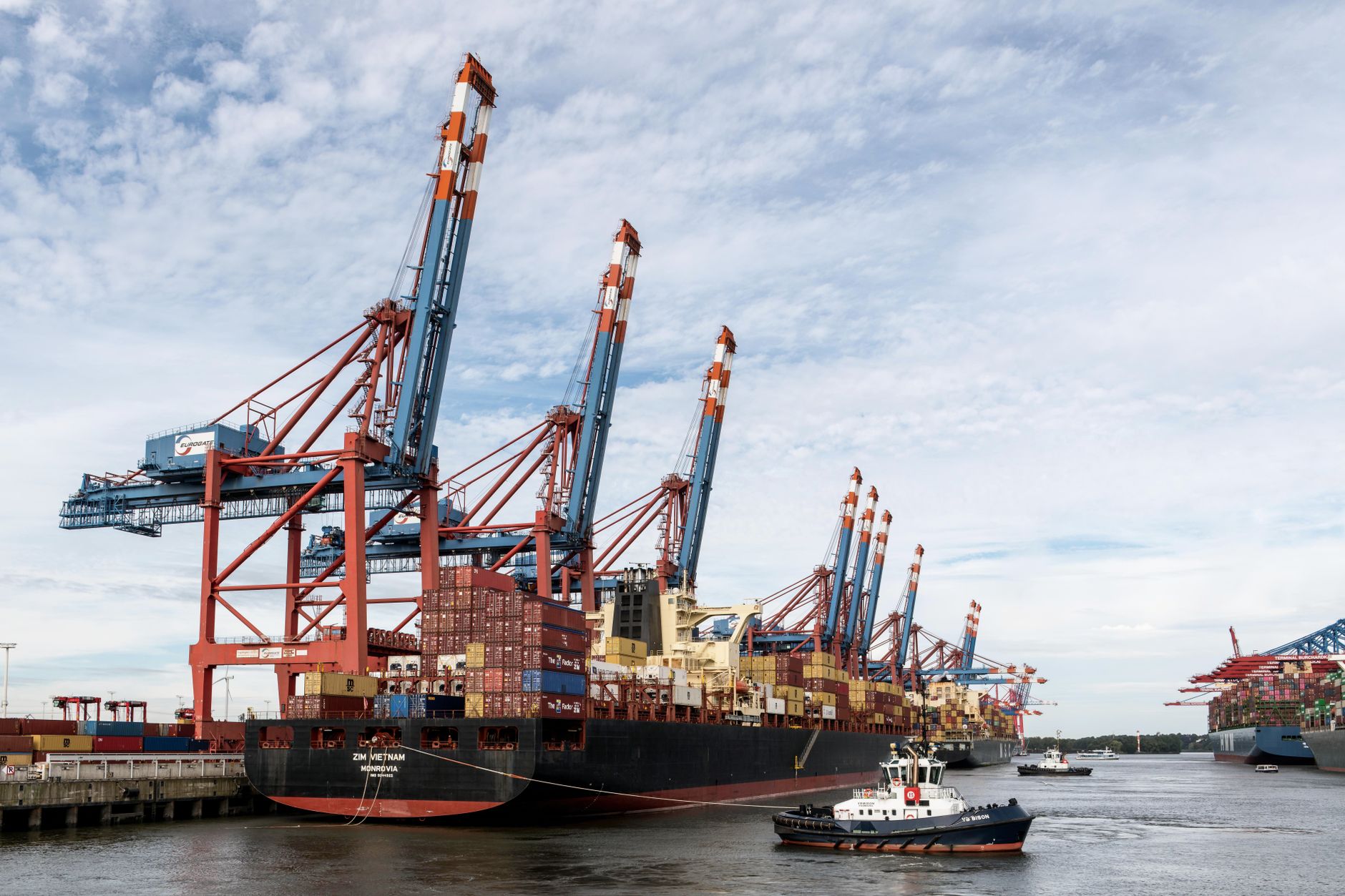
The specter of oil prices soaring above $100 a barrel is not a new phenomenon, but its current resurgence carries unique implications given the fragile state of the global economy. Historically, such spikes have often preceded or exacerbated economic downturns, acting as a direct tax on consumers and businesses alike. The 1970s oil crises, for instance, plunged major economies into stagflation, a debilitating combination of high inflation and stagnant growth. More recently, the run-up to the 2008 financial crisis saw oil prices reach unprecedented levels, contributing to inflationary pressures and eroding consumer purchasing power, ultimately adding another layer of strain to an already overleveraged system. Understanding this historical context is crucial for appreciating the potential severity of the current situation, as policymakers often look to past responses, both successful and unsuccessful, to inform their present strategies.
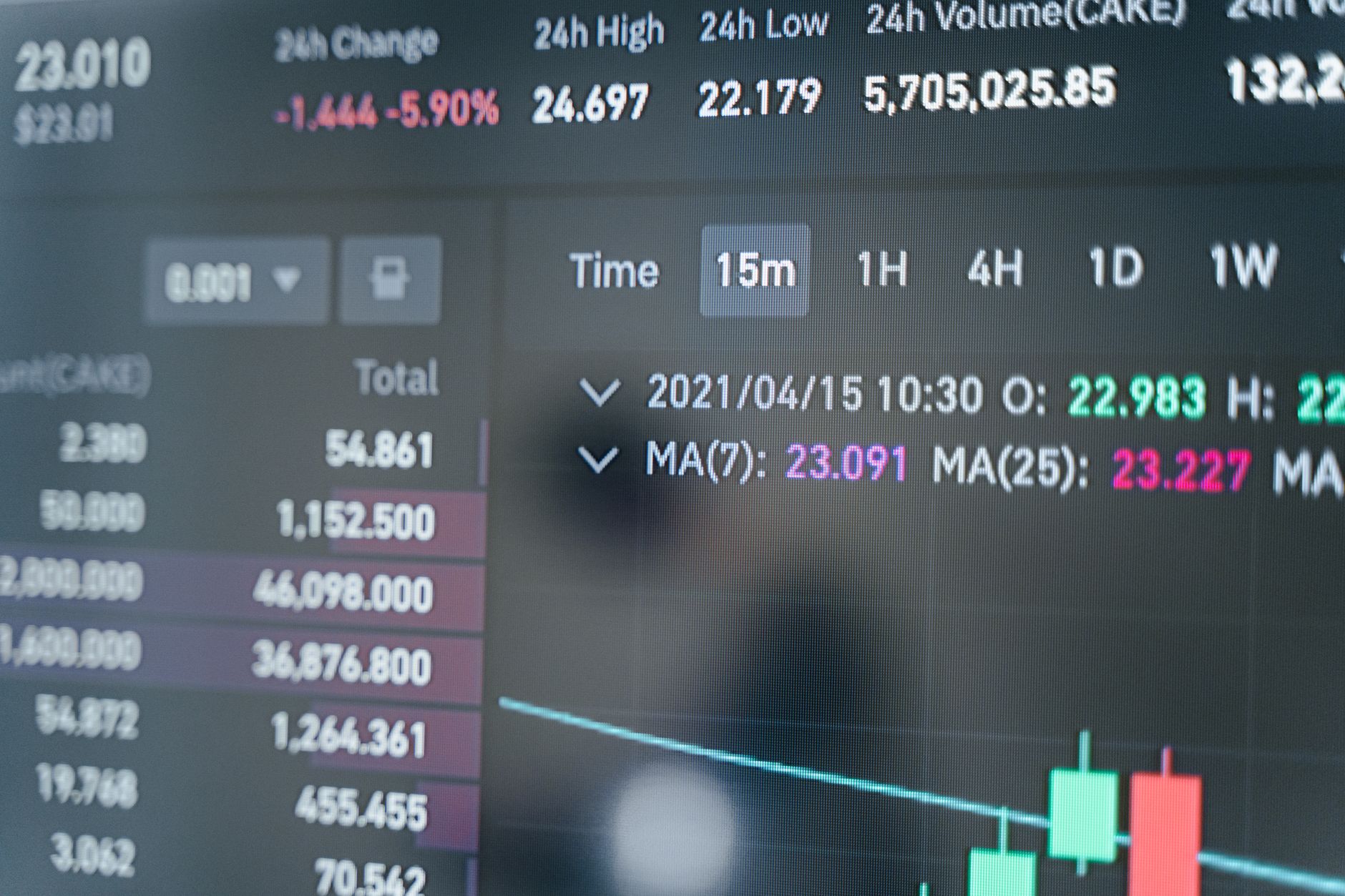
Compounding the energy crisis is the unprecedented surge in investment and speculation surrounding Artificial Intelligence. While AI promises transformative advancements, the sheer volume of capital pouring into the sector, often without clear profitability metrics or sustainable business models, echoes previous speculative bubbles. The dot-com boom of the late 1990s serves as a stark reminder of how rapidly investor enthusiasm can turn into widespread panic when valuations become detached from fundamental realities. Companies with little more than a catchy name and an AI-adjacent pitch are attracting billions, reminiscent of the internet startups that collapsed en masse. This frothy environment creates a systemic risk, as a sudden correction in the AI sector could trigger a broader market sell-off, impacting portfolios far beyond technology stocks and potentially leading to a significant contraction in venture capital funding.
The intersection of these two distinct yet equally potent threats – soaring energy costs and a potentially overvalued tech sector – creates a particularly dangerous cocktail for global financial stability. High oil prices fuel inflation, forcing central banks to maintain restrictive monetary policies, which in turn increases the cost of capital for businesses, including those in the AI space. A simultaneous correction in tech valuations could then lead to widespread job losses, reduced consumer spending, and a significant tightening of credit markets. This dual shock could overwhelm the resilience of economies still recovering from recent global disruptions, pushing them into a severe recession. Policymakers are thus faced with the unenviable task of navigating these complex, interconnected risks, with limited tools and a high probability of unintended consequences from any intervention.
Who Is Affected
The ripple effects of sustained high oil prices and a potential AI market correction will be felt across every stratum of society, from individual households to multinational corporations. Consumers will bear the immediate brunt through increased costs for transportation, heating, and goods, as higher energy prices translate directly into elevated prices for nearly everything. This erosion of purchasing power will disproportionately impact lower-income households, who spend a larger percentage of their income on essential goods and services, potentially pushing more families into financial distress and exacerbating existing inequalities. Small businesses, particularly those reliant on transportation or energy-intensive manufacturing, will face shrinking profit margins and increased operational costs, leading to potential layoffs or even closures, further stressing local economies. The cumulative effect could be a significant slowdown in consumer spending, a vital engine of economic growth.
Investors, from retail traders to institutional funds, stand to lose substantial wealth if the AI bubble bursts. Portfolios heavily weighted towards technology stocks, particularly those in nascent or speculative AI ventures, could see dramatic devaluations. The wealth effect, where perceived wealth influences spending, could reverse sharply, leading to a contraction in discretionary spending and investment. Furthermore, pension funds and retirement accounts, which are often diversified but still exposed to broad market movements, could experience significant drawdowns, impacting the financial security of millions of retirees and future pensioners. The interconnectedness of global financial markets means that a downturn in one major sector or region can quickly spread, creating a domino effect that impacts asset classes worldwide.
Governments and central banks will also face immense pressure. High inflation driven by energy costs will complicate monetary policy, forcing central banks to choose between taming inflation with higher interest rates – potentially triggering a recession – or allowing inflation to persist, eroding savings and economic stability. Governments will contend with increased social welfare demands, reduced tax revenues from a slowing economy, and potentially higher borrowing costs to service national debts. The geopolitical landscape could also be destabilized, as nations scramble for energy resources and economic hardship fuels social unrest. The intricate web of global finance and trade ensures that no entity, public or private, will remain entirely insulated from the profound economic shifts brought about by these converging crises.
The Case For
Proponents of continued AI investment argue that the current spending spree, while appearing speculative, is a necessary phase in the development of a truly transformative technology. They contend that significant capital injection is required to fund research and development, build essential infrastructure, and attract top talent, all of which are crucial for AI to reach its full potential. They point to historical parallels, such as the early days of the internet or biotechnology, where initial periods of intense investment and high valuations eventually led to groundbreaking innovations and entirely new industries that fundamentally reshaped the global economy. This perspective suggests that what appears to be a bubble might actually be the foundational investment for the next technological revolution, with long-term benefits far outweighing short-term volatility.
Furthermore, advocates emphasize that AI is not a monolithic entity; it encompasses a vast array of applications, from medical diagnostics to climate modeling, each with distinct market dynamics and societal benefits. They argue that even if some speculative ventures fail, the core advancements in machine learning algorithms, data processing capabilities, and specialized hardware will continue to drive progress. The competition for market leadership, fueled by substantial investment, is seen as a catalyst for rapid innovation, pushing companies to develop more efficient, powerful, and accessible AI solutions. This intense competition, they believe, will ultimately lead to a more robust and diverse AI ecosystem, benefiting consumers and businesses globally through enhanced productivity and novel services.
Regarding oil prices, some economists argue that high prices can serve as a powerful incentive for accelerating the transition to renewable energy sources. While painful in the short term, sustained high fossil fuel costs can make investments in solar, wind, and other green technologies more economically viable and attractive. This could spur innovation in energy storage, grid modernization, and electric vehicle adoption, ultimately leading to a more sustainable and less volatile energy future. From this viewpoint, the current energy shock, while challenging, might be a necessary impetus for a global shift away from fossil fuel dependence, leading to long-term environmental and economic benefits. The market, in this sense, is self-correcting by making alternatives more appealing.
The Case Against
Critics vehemently argue that the current AI spending spree exhibits all the classic hallmarks of an unsustainable speculative bubble, warning of an impending market correction that could have devastating consequences. They point to sky-high valuations for companies with minimal revenue or unproven business models, a pervasive fear of missing out (FOMO) driving irrational investment decisions, and a significant disconnect between market enthusiasm and tangible profitability. Many AI companies are burning through capital at an alarming rate, relying on continuous infusions of investor money rather than generating sustainable earnings. This pattern, they contend, is eerily similar to the dot-com bust, where a frenzy of investment in internet companies ultimately led to a massive market crash, wiping out trillions in shareholder value and causing widespread economic disruption.
Furthermore, the argument against unchecked AI investment highlights the potential for significant overcapacity and a lack of differentiation among numerous startups. As more capital floods the sector, many companies are pursuing similar technologies or applications, leading to intense competition and a race to the bottom in terms of pricing. This could result in a shakeout where only a few dominant players survive, leaving a trail of failed ventures and wasted capital. The rapid pace of technological change also means that today's cutting-edge AI could be obsolete tomorrow, making long-term investment highly risky. The lack of clear regulatory frameworks and ethical guidelines for AI development adds another layer of uncertainty, posing potential legal and reputational risks that could further destabilize the market.
Regarding oil prices, the case against sustained high costs is straightforward: they act as a severe drag on economic growth and exacerbate inflationary pressures across the board. Unlike the argument for renewable transition, critics emphasize the immediate and painful impact on consumer budgets and business profitability. High oil prices increase the cost of producing, transporting, and selling nearly every good and service, leading to widespread price hikes that outpace wage growth. This erodes real incomes, reduces discretionary spending, and can push economies into a recessionary spiral. Moreover, reliance on fossil fuels, even at high prices, perpetuates geopolitical instability and environmental damage. The short-term economic pain, from this perspective, far outweighs any long-term potential for accelerating renewable adoption, especially if the transition is not managed effectively with adequate policy support and infrastructure investment.
Policy Questions Answered
Implementation Watch
Monitoring the efficacy of central bank policies will be paramount in the coming months. Investors and analysts will be scrutinizing inflation data, employment figures, and GDP growth rates to gauge whether current monetary tightening is effectively reining in price pressures without triggering an overly severe economic contraction. Any deviation from expected policy paths, such as an unexpected pause in rate hikes or a sudden shift to quantitative easing, could send shockwaves through markets. The speed and scale of any government interventions in energy markets, such as strategic reserve releases or new subsidy programs, will also be critical. These actions will directly influence energy prices and, consequently, inflation, making their timing and impact a key focus for economic observers. The global nature of these challenges means that policy decisions in one major economy will inevitably have repercussions across borders.
The evolution of the AI sector demands close attention, particularly regarding venture capital funding trends and public market valuations. A significant slowdown in private funding rounds or a noticeable increase in bankruptcies among AI startups could signal the beginning of a market correction. Similarly, any sustained decline in the stock prices of major AI-related companies, especially those with high price-to-earnings ratios, would indicate a shift in investor sentiment. Beyond financial metrics, the development of regulatory frameworks for AI will be a crucial watch point. Any concrete steps by governments to impose stricter oversight, data privacy rules, or ethical guidelines could impact the profitability and growth trajectories of AI companies, potentially altering the landscape of the entire industry. The interplay between innovation and regulation will define the sector's future.
Geopolitical developments, especially those affecting major oil-producing regions or global trade routes, will remain a critical factor influencing energy prices. Any escalation of conflicts, new sanctions, or disruptions to supply chains could quickly push oil prices higher, overriding other economic factors. Furthermore, the resilience of global supply chains, still recovering from recent shocks, will be tested by both higher energy costs and potential economic slowdowns. Businesses will need to adapt their strategies, potentially reshoring production or diversifying suppliers, to mitigate these risks. The convergence of these factors creates an incredibly complex and dynamic environment, requiring constant vigilance and adaptability from policymakers, businesses, and investors alike. The coming period will be a true test of global economic resilience and policy coordination.
















Comments
No comments yet. Be the first to comment!