

Key Takeaways
- Oil prices surging past $100 per barrel are poised to trigger significant inflationary pressures, impacting consumer spending and corporate profitability across various sectors globally.
- The unprecedented demand for AI infrastructure, particularly high-end GPUs and data center capacity, is creating a supply chain crunch and diverting capital from other critical investment areas.
- A potential 'AI-spending rebellion' could emerge as companies re-evaluate the immediate ROI of massive AI investments, leading to a sharp correction in tech valuations and broader market sentiment.
- Geopolitical instability in key oil-producing regions remains a critical wildcard, with any escalation having the potential to send crude prices even higher and exacerbate global economic anxieties.
- Central banks face an increasingly complex dilemma: combatting inflation driven by energy costs without stifling economic growth already under pressure from rising input costs and uncertain tech investment cycles.
- Investors should brace for increased market volatility, potentially reallocating portfolios towards defensive assets and carefully scrutinizing the balance sheets of companies heavily reliant on either cheap energy or speculative AI growth.
Background
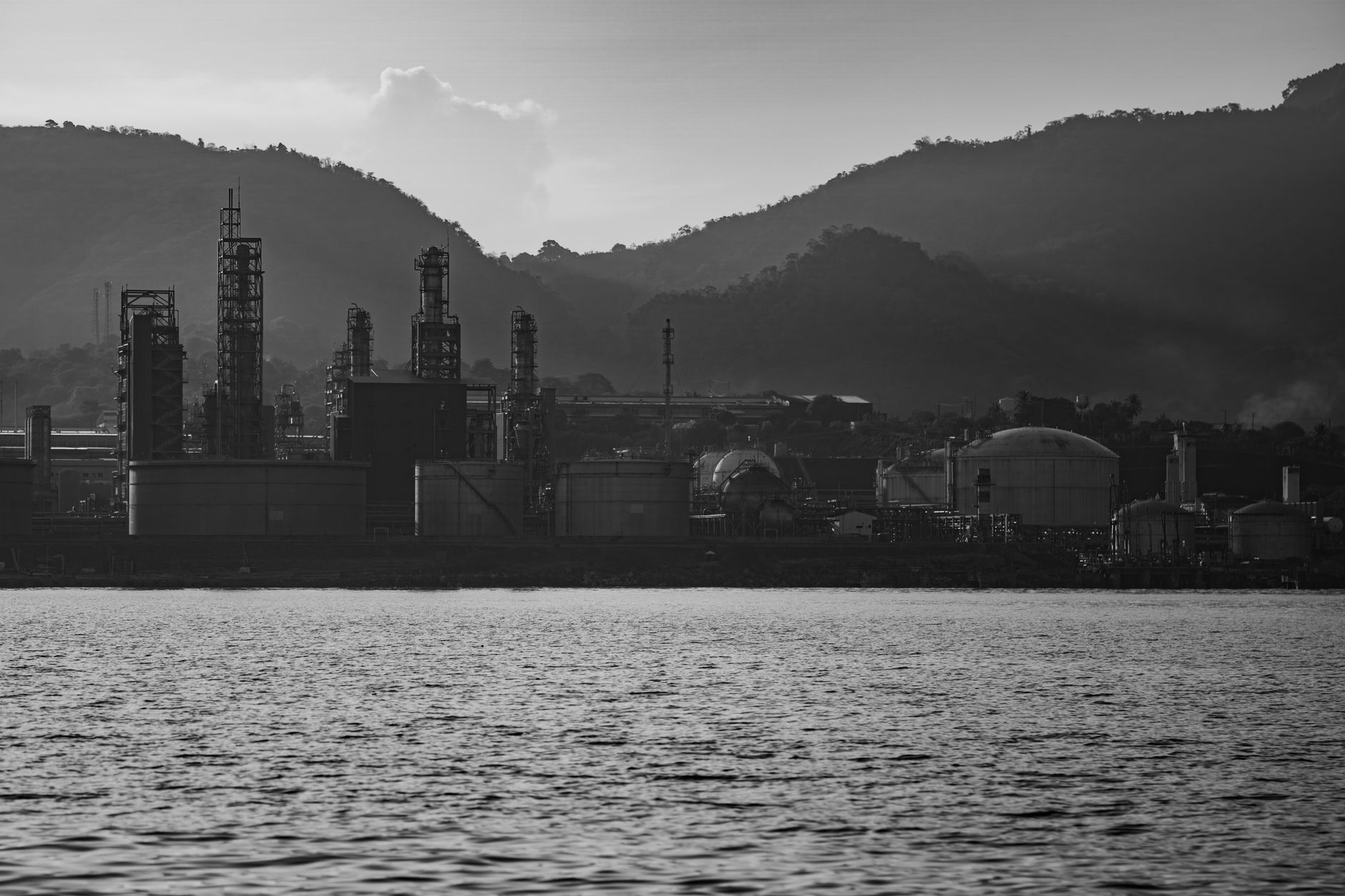
The global economy is currently navigating a treacherous landscape, marked by a confluence of escalating geopolitical tensions and transformative technological shifts. For months, analysts have warned about the fragility of supply chains and the potential for energy price shocks, a scenario now materializing as crude oil prices breach the critical $100 per barrel threshold. This surge is not merely a statistical anomaly; it represents a fundamental shift in the cost of doing business and living, with far-reaching implications for inflation, consumer confidence, and industrial output worldwide. The underlying causes are multifaceted, ranging from OPEC+ production cuts to heightened demand in recovering economies, all exacerbated by ongoing conflicts in vital energy-producing regions.
Simultaneously, the artificial intelligence revolution, while promising unprecedented innovation, is introducing its own set of economic challenges. The race to integrate AI capabilities has led to an exponential increase in demand for specialized hardware, particularly high-performance Graphics Processing Units (GPUs) and vast data center infrastructure. Companies are pouring billions into these investments, often with speculative returns and an unclear path to profitability. This intense capital expenditure, while driving growth in specific tech sectors, is also creating bottlenecks, inflating component costs, and potentially drawing resources away from other essential economic activities. The sheer scale of this investment wave raises questions about its sustainability and potential for a sudden recalibration.
Historically, periods of rapid technological advancement coupled with significant energy price spikes have often preceded economic downturns or periods of intense market volatility. The current environment echoes some of these past patterns, but with added complexities. The interconnectedness of global markets, the pervasive influence of digital technologies, and the lingering effects of recent global crises mean that the impact of these dual pressures could be amplified. Understanding these foundational elements is crucial for anticipating the potential ripple effects across various industries, from manufacturing and transportation to consumer goods and financial services, as the global economy braces for what could be a turbulent period.
Why It Matters
The confluence of oil prices exceeding $100 and an unbridled AI spending spree is not merely a financial blip; it represents a profound threat to global economic stability. High oil prices act as a regressive tax, eroding household purchasing power and squeezing corporate profit margins across nearly every sector. This directly fuels inflation, forcing central banks into difficult policy decisions that could either tip economies into recession or allow runaway price increases to destabilize markets. For consumers, it means higher costs at the pump, increased utility bills, and more expensive goods, inevitably leading to a slowdown in discretionary spending and overall economic activity. The ripple effect through supply chains is immediate and severe, impacting everything from food production to logistics.
Moreover, the aggressive capital allocation towards AI infrastructure, while seemingly forward-looking, carries significant systemic risks. The concentration of investment in a few key technology areas, often with highly speculative valuations, creates a potential bubble. If the anticipated returns from these AI investments fail to materialize quickly enough, or if a significant portion of these projects prove less impactful than initially hyped, a sudden 'AI-spending rebellion' could trigger a sharp correction. This would not only devastate the valuations of leading tech companies but also send shockwaves through venture capital, private equity, and public markets, potentially leading to a broader market downturn as investor confidence evaporates and capital dries up for other innovative ventures.
The implications extend beyond mere market corrections. A severe economic contraction driven by these factors could lead to widespread job losses, increased social unrest, and a significant setback for global development goals. Governments would face immense pressure to intervene, potentially through subsidies or stimulus packages, further complicating fiscal policy and potentially exacerbating long-term debt issues. The stability of financial institutions, which are deeply intertwined with the performance of both energy markets and the tech sector, could also be tested. This dual challenge demands immediate attention and strategic foresight from policymakers, businesses, and investors alike to mitigate the potentially catastrophic fallout.
Ground Reality
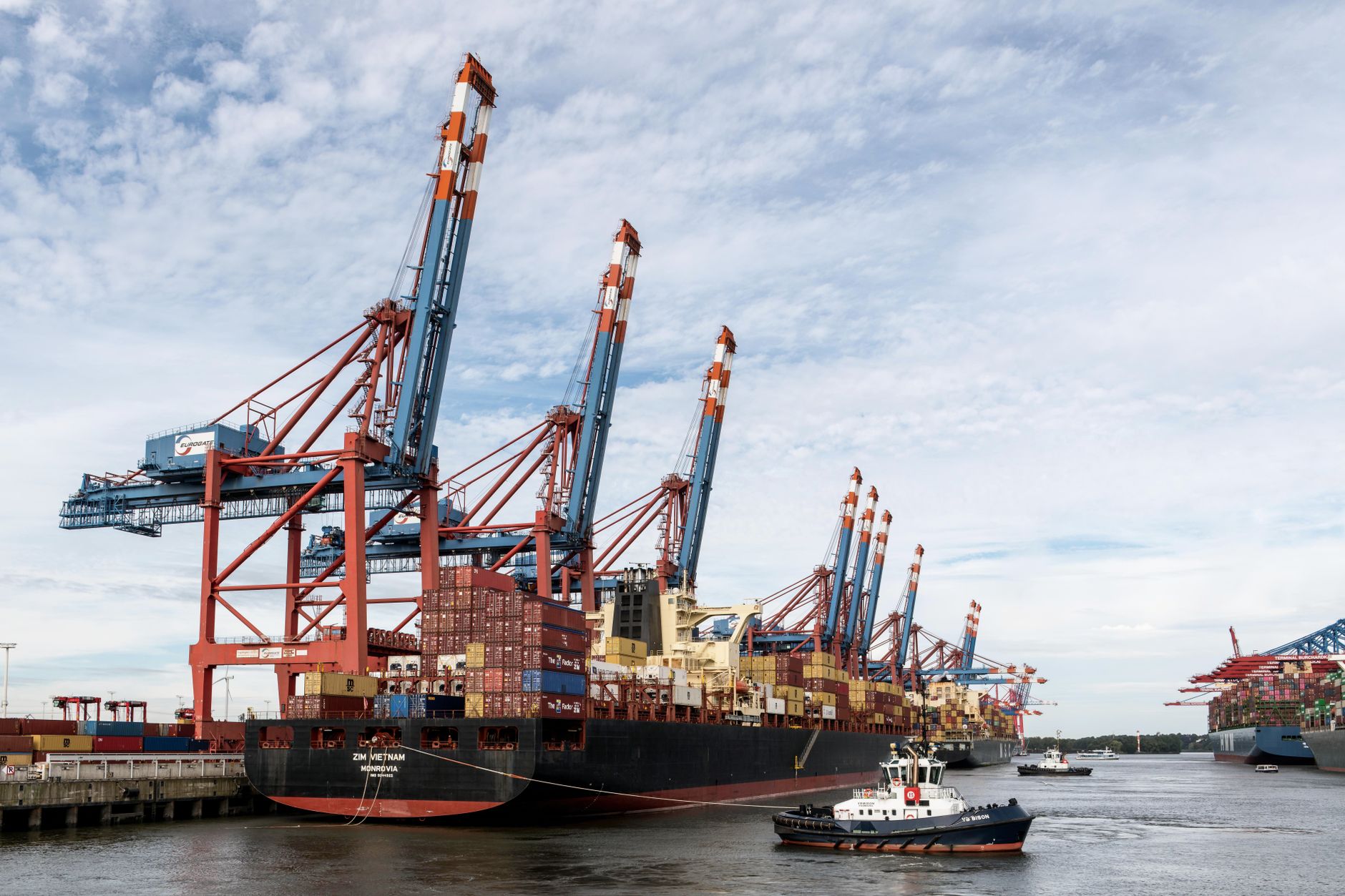
On the ground, the impact of soaring oil prices is already palpable. Transportation costs for goods have surged, directly translating into higher prices for consumers at grocery stores and retail outlets. Logistics companies are struggling to absorb increased fuel expenses, often passing them directly onto their clients, which then cascades down the supply chain. Manufacturing sectors, particularly those with energy-intensive processes like chemicals, steel, and cement, are facing unprecedented operational costs, forcing them to either raise prices, reduce output, or accept lower profit margins. This creates a challenging environment where businesses are less likely to invest in expansion or hire new staff, contributing to a broader economic slowdown and potentially stagflationary pressures.
Concurrently, the AI investment landscape presents a bifurcated reality. On one hand, companies like NVIDIA are experiencing unprecedented demand for their GPUs, with their stock valuations soaring to new heights. Data center operators are announcing massive expansion plans, and AI startups are attracting record levels of funding. This creates an illusion of boundless growth and technological advancement. However, beneath the surface, many enterprises are grappling with the practicalities and true return on investment of their AI initiatives. The talent pool for AI specialists is stretched thin, implementation costs are often higher than anticipated, and the ethical and regulatory frameworks for AI are still nascent, adding layers of complexity and risk to these ambitious projects.
The combined effect of these two forces is creating significant stress points within the global economy. Small and medium-sized enterprises (SMEs), which often operate on tighter margins, are particularly vulnerable to both rising energy costs and the competitive pressures from larger firms making massive AI investments. Consumer confidence, a crucial driver of economic growth, is being eroded by persistent inflation and economic uncertainty. While some sectors might temporarily benefit from the AI boom, the broader economic outlook becomes increasingly precarious. The current ground reality is one of increasing economic friction, where the promise of technological advancement is shadowed by the immediate challenges of energy scarcity and inflationary pressures.
What Experts Are Saying
Leading economists are sounding alarms, with many drawing parallels to the oil shocks of the 1970s, but noting the added dimension of a hyper-connected, technology-driven global economy. Dr. Evelyn Reed, a senior analyst at Global Macro Insights, recently stated, "The $100 oil price isn't just a benchmark; it's a flashing red light for global inflation. Central banks are in an unenviable position, caught between taming inflation and avoiding a severe recession. Their policy tools, primarily interest rate hikes, are blunt instruments against supply-side shocks, making the situation incredibly delicate." She emphasizes that sustained high energy costs will inevitably force a re-evaluation of corporate spending and consumer habits, leading to a significant contraction in discretionary sectors.
On the AI front, technology futurists and investment strategists are offering a more nuanced perspective. While acknowledging the transformative potential of AI, many are cautioning against the current speculative fervor. "We're witnessing an AI gold rush, but not every prospector will strike gold," warns venture capitalist Marcus Thorne of Innovate Ventures. "Companies are feeling immense pressure to 'do AI,' often without a clear strategy or understanding of the long-term ROI. This herd mentality, coupled with astronomical valuations for AI-adjacent companies, is creating a classic bubble scenario. A correction is not just possible; it's probable, as the market starts to differentiate between genuine innovation and mere hype." Thorne suggests that a rationalization of AI spending is inevitable, leading to a shakeout in the tech sector.
Geopolitical experts are also weighing in, highlighting the critical role of international stability in the energy equation. Dr. Lena Petrova, a professor of international relations, commented, "The Middle East and Eastern Europe remain powder kegs. Any significant escalation in these regions could easily push oil prices far beyond $100, making the current economic challenges look mild by comparison. The interconnectedness of energy markets means that regional conflicts have global economic repercussions, and the current geopolitical climate is more volatile than it has been in decades." Her analysis underscores the fragility of the global energy supply and the inherent risks that external shocks pose to economic forecasts, urging policymakers to prioritize de-escalation and diversify energy sources more aggressively.

Frequently Asked Questions
What Happens Next
The immediate future will likely see continued market volatility as investors digest the implications of sustained high oil prices and the evolving narrative around AI investment. We can anticipate further inflationary pressures to materialize across various consumer goods and services, potentially leading to a more aggressive stance from central banks globally. This could translate into additional interest rate hikes, further tightening monetary conditions and increasing the cost of capital for businesses and consumers alike. The interplay between these factors will be critical, as overly aggressive monetary policy could inadvertently exacerbate an economic slowdown already threatened by energy costs and tech sector uncertainty.
In the technology sector, the coming months will be crucial for discerning the true return on investment from the massive AI outlays. Companies will face increasing scrutiny from shareholders to demonstrate tangible benefits and profitability from their AI initiatives. This could trigger the 'AI-spending rebellion,' leading to a re-evaluation of projects, a slowdown in new investments, and potentially a significant correction in the valuations of companies perceived as overhyped or underperforming in the AI space. We may see a shift from broad, speculative AI investments to more targeted, application-specific deployments with clearer paths to revenue generation and efficiency gains.
Looking further ahead, the global economy will be forced to adapt to a new paradigm where energy security and technological sustainability are paramount. This could accelerate the transition to renewable energy sources, as nations seek to insulate themselves from volatile fossil fuel markets. Simultaneously, the AI industry will likely mature, moving past its initial speculative phase into a more integrated and regulated environment. While the path ahead is fraught with challenges, these pressures could ultimately drive innovation and foster a more resilient and diversified global economic structure, albeit after a potentially turbulent period of adjustment and recalibration.














Comments
No comments yet. Be the first to comment!