

The Story in Brief
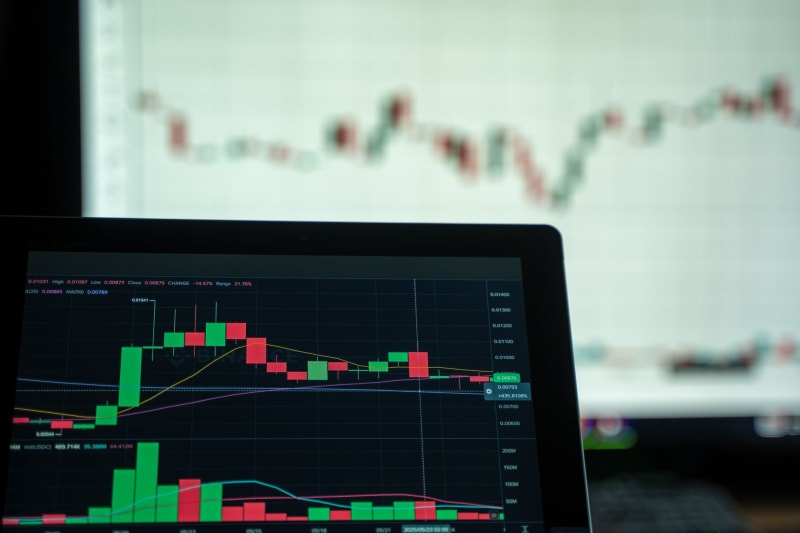
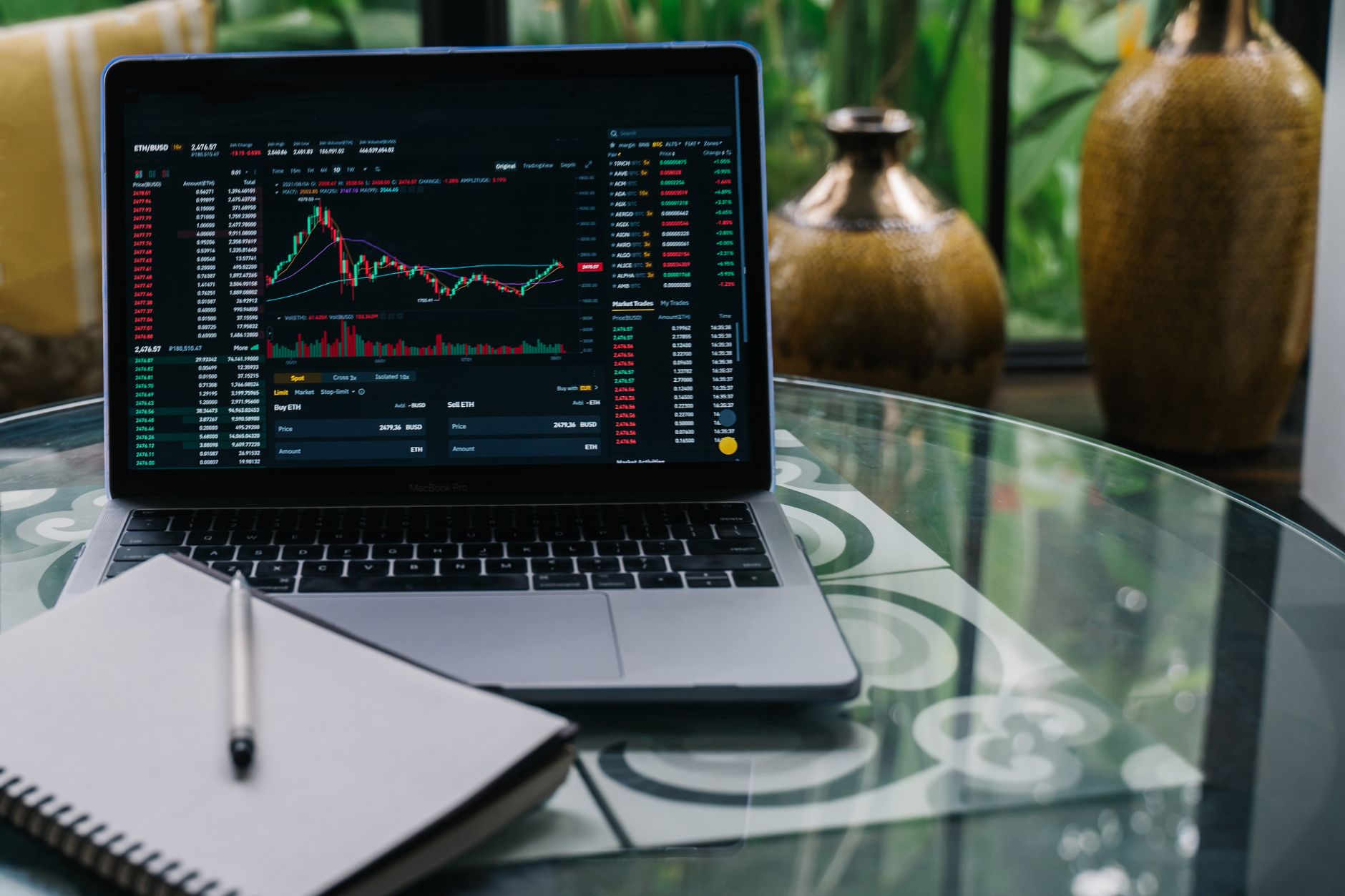
- Major stock indexes, including the S&P 500, Dow Jones Industrial Average, and Nasdaq Composite, opened higher, signaling a cautious optimism among investors following a period of significant uncertainty.
- The recent decline in crude oil futures, particularly West Texas Intermediate (WTI) and Brent, has provided a much-needed psychological boost to markets, alleviating some inflationary pressures that have weighed heavily on economic forecasts.
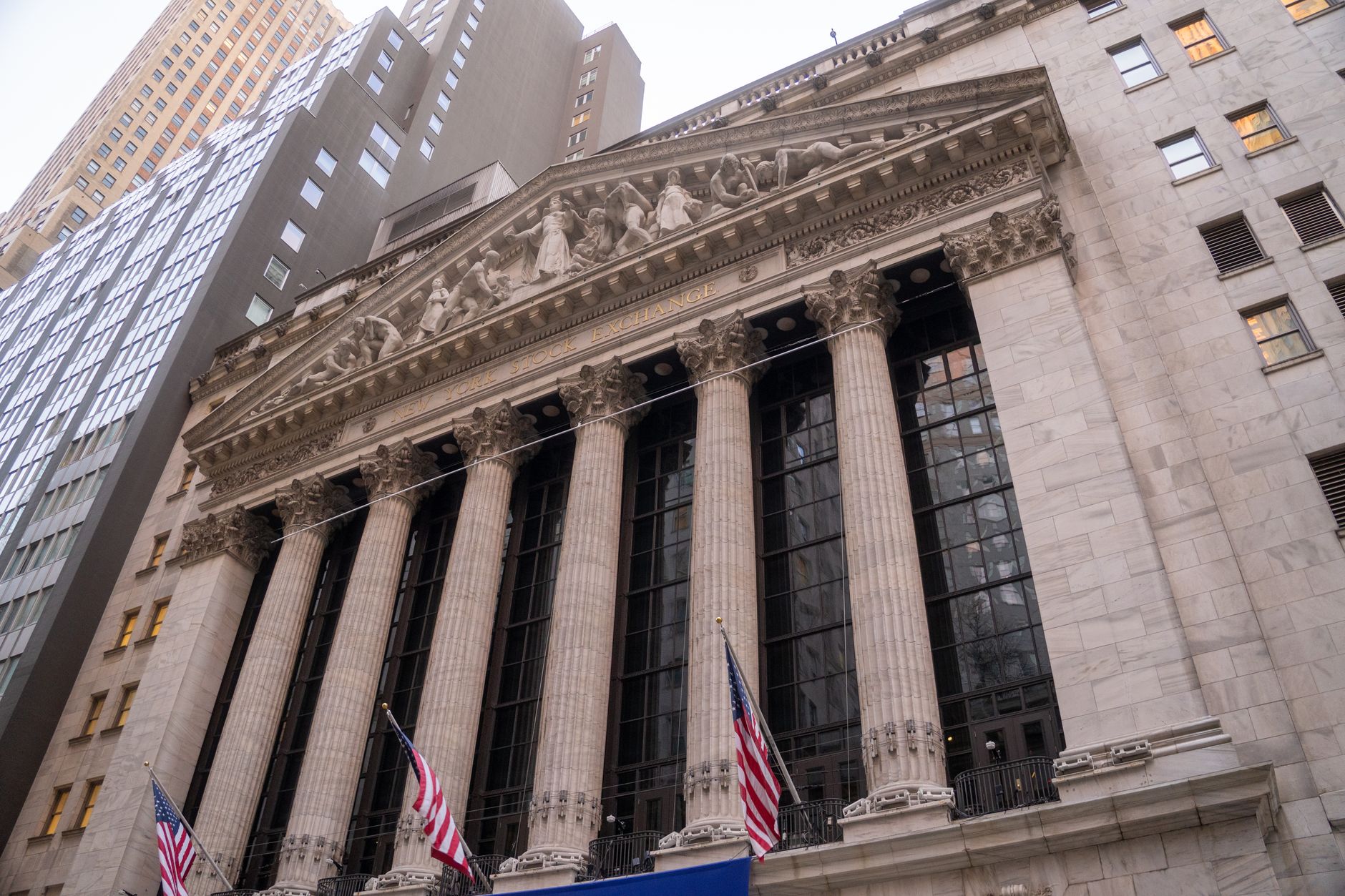
- European markets also mirrored this positive sentiment, with the Stoxx 600 index showing gains, indicating a broader, albeit tentative, stabilization across global financial centers.
- Despite the early gains, market participants remain acutely aware of the underlying geopolitical tensions and persistent inflationary concerns that continue to threaten sustained recovery and could trigger renewed volatility.
- The Federal Reserve's upcoming policy decisions, particularly regarding interest rates, are casting a long shadow over future market movements, with investors closely scrutinizing every economic indicator for clues.
- Analysts are emphasizing that while the immediate outlook appears steadier, the long-term trajectory of global markets is still fraught with potential pitfalls, necessitating a vigilant and adaptive investment strategy.
The Human Face
For ordinary families and small businesses, the daily swings in stock markets and commodity prices translate directly into tangible anxieties and opportunities. When oil prices surge, the cost of everything from groceries to commuting rises, eroding household budgets and squeezing profit margins for local enterprises. Conversely, a retreat in oil prices, even a modest one, offers a glimmer of hope, suggesting that the relentless pressure on their finances might ease. This direct correlation means that market stability isn't just an abstract concept for traders; it's about the ability to afford daily necessities, plan for the future, and keep a business afloat.
The psychological impact of market volatility on individuals cannot be overstated. Constant headlines about economic instability and potential recessions foster a pervasive sense of unease, influencing consumer spending habits and investment decisions. Many individuals, particularly those nearing retirement or relying on fixed incomes, watch their savings accounts and pension funds with bated breath, fearing that years of careful planning could be undone by unforeseen global events. This emotional toll is a critical, often overlooked, aspect of financial market dynamics, impacting mental well-being and overall societal confidence.
Small business owners, the backbone of many economies, find themselves in an especially precarious position. They must navigate not only the direct costs associated with energy price fluctuations but also the ripple effects on consumer demand and supply chain reliability. A sudden increase in fuel costs for delivery vehicles, for instance, can wipe out already thin profit margins, forcing difficult decisions about staffing or pricing. The current market stabilization, however fragile, offers a brief window for these businesses to recalibrate, restock, and perhaps even cautiously plan for growth, highlighting the profound human stakes embedded within global economic trends.
How We Got Here
The current market landscape, characterized by both tentative stabilization and underlying anxiety, is the culmination of several interconnected global events that have unfolded over the past few years. The initial shock of the global pandemic in early 2020 triggered unprecedented market turmoil, followed by massive fiscal and monetary stimulus packages designed to avert an economic collapse. While these measures prevented a deeper recession, they also laid the groundwork for significant inflationary pressures that began to manifest in late 2021 and intensified throughout 2022. Supply chain disruptions, exacerbated by lockdowns and geopolitical tensions, further fueled these price increases, particularly in the energy sector.
The geopolitical crisis in Eastern Europe, commencing in early 2022, acted as a major catalyst, sending shockwaves through global energy markets. With key oil and gas producers facing sanctions and supply routes disrupted, crude oil prices soared to multi-year highs, directly contributing to the inflationary spiral. This surge in energy costs permeated every aspect of the global economy, from manufacturing to transportation, leading central banks worldwide, including the Federal Reserve, to adopt aggressive interest rate hike policies in an attempt to curb inflation. These rate hikes, while necessary, introduced new concerns about potential economic slowdowns or even recessions, creating a complex balancing act for policymakers.
The recent retreat in oil prices, which has offered a momentary reprieve to equity markets, can be attributed to a confluence of factors, including fears of a global economic slowdown impacting demand, increased supply from certain regions, and strategic releases from national reserves. However, this downward movement is not necessarily indicative of a long-term trend, as the underlying geopolitical instability and the ongoing energy transition continue to introduce significant uncertainty. The market's current state is a delicate equilibrium, constantly influenced by a dynamic interplay of economic fundamentals, political developments, and investor sentiment, making it inherently vulnerable to sudden shifts.
Why This Cannot Be Ignored
The current state of global markets, marked by a fragile stabilization amidst persistent threats, demands immediate and sustained attention from investors, policymakers, and ordinary citizens alike. Ignoring these dynamics would be akin to overlooking the early warning signs of a storm. The interconnectedness of today's global economy means that fluctuations in one sector, like energy, can rapidly cascade through others, impacting everything from manufacturing costs to consumer purchasing power. A failure to understand these intricate relationships could lead to misinformed investment decisions, inadequate policy responses, and significant economic hardship for vulnerable populations.
Beyond the immediate financial implications, the volatility in energy markets and its effect on inflation have profound societal consequences. Sustained high inflation erodes the real value of wages and savings, disproportionately affecting low-income households and exacerbating wealth inequality. It can also fuel social unrest and political instability as citizens grapple with a declining standard of living. Policymakers must therefore remain vigilant, not only to protect economic growth but also to preserve social cohesion. The current moment offers a critical juncture to implement robust strategies that build resilience against future economic shocks and ensure a more equitable distribution of economic burdens and benefits.
For businesses, particularly those with global supply chains, ignoring these market signals could prove catastrophic. Energy costs are a fundamental input for nearly every industry, and unpredictable price swings can undermine profitability, disrupt production schedules, and force difficult decisions regarding expansion or contraction. Proactive risk management, diversification of energy sources, and hedging strategies become not just advisable but essential for survival in such an environment. This period of tentative stability should be viewed as an opportunity for strategic recalibration, rather than a signal to become complacent, as the underlying forces driving market volatility are far from resolved.
Possible Paths Forward
One potential path forward involves a sustained global effort towards energy diversification and the acceleration of renewable energy adoption. Reducing reliance on volatile fossil fuel markets, particularly from geopolitically unstable regions, would significantly insulate economies from future price shocks. This requires substantial government investment in green infrastructure, incentives for private sector innovation in renewable technologies, and international cooperation to establish robust and resilient clean energy supply chains. Such a shift would not only enhance energy security but also contribute to climate goals, creating a dual benefit for the global community and fostering long-term economic stability.
Another critical strategy lies in strengthening international economic cooperation and dialogue. In an increasingly interconnected world, unilateral actions often have unintended negative consequences. Establishing more effective mechanisms for global economic governance, information sharing, and coordinated policy responses to crises like inflation or supply chain disruptions could help mitigate future market volatility. This includes fostering open trade policies, resolving trade disputes amicably, and collaborating on global financial stability frameworks. A united front against common economic challenges is far more effective than fragmented, nationalistic approaches.
Domestically, governments must prioritize fiscal prudence and targeted support for vulnerable populations. While stimulus measures were necessary during the pandemic, sustained excessive spending can exacerbate inflationary pressures. Future fiscal policies should focus on investments that enhance productivity, such as education and infrastructure, while providing safety nets for those most affected by economic downturns. Additionally, central banks must maintain their independence and commitment to price stability, communicating their policy intentions clearly to avoid market uncertainty. A balanced approach combining responsible fiscal management with credible monetary policy is essential for navigating the complex economic landscape ahead.
Questions People Are Actually Asking
What to Watch
- The trajectory of crude oil prices: Any significant rebound or further decline will directly influence inflation expectations and central bank policy decisions, impacting energy-intensive sectors and consumer spending.
- Upcoming inflation reports: Key Consumer Price Index (CPI) and Producer Price Index (PPI) data will provide crucial insights into whether inflationary pressures are truly subsiding or merely experiencing a temporary lull, guiding market sentiment.
- Federal Reserve announcements: The Fed's statements on interest rate hikes, quantitative tightening, and economic outlook will be meticulously scrutinized for indications of future monetary policy, which can trigger significant market movements.
- Geopolitical developments: Escalations or de-escalations in ongoing conflicts and trade disputes will continue to be a major determinant of market stability, particularly impacting commodity prices and global supply chains.
- Corporate earnings reports: The performance of major companies across various sectors will offer a ground-level view of economic health, revealing how businesses are coping with inflation, supply chain issues, and consumer demand shifts.
- Consumer confidence indicators: Surveys on consumer sentiment and spending intentions are vital for gauging the strength of the economy, as consumer spending is a significant driver of GDP growth and corporate revenues.










Comments
No comments yet. Be the first to comment!