

Policy Snapshot
- The Trump administration has officially allowed the temporary 10% tariffs, which were previously implemented as a stopgap measure, to expire as of Friday, signaling a significant shift in trade policy.
- In a dramatic escalation, these expiring levies have been immediately replaced with new, more aggressive double-digit tariffs impacting a broad spectrum of goods from dozens of countries worldwide.
- The new tariffs target a diverse array of products, from industrial components and agricultural goods to consumer electronics and textiles, indicating a comprehensive approach to trade rebalancing.
- This policy pivot is framed by the administration as a necessary step to protect domestic industries, reduce trade deficits, and compel fairer trade practices from international partners.
- The specific percentage increases vary by country and product category, but all new tariffs are explicitly set at double-digit rates, significantly increasing the cost of imported goods.
- Officials have indicated that these higher tariffs are not temporary and are intended to be a more permanent fixture of U.S. trade policy unless substantial concessions are made by targeted nations.
The Policy History
The Trump administration's approach to international trade has been characterized by a consistent push for what it terms 'fairer' trade agreements and a reduction of trade deficits. This philosophy first manifested through the imposition of initial 10% tariffs on a wide range of goods from numerous countries. These earlier tariffs were often presented as a temporary measure, a negotiating tactic designed to bring trading partners to the table and force renegotiations of existing agreements or to address perceived unfair trade practices. The stated goal was always to protect American jobs and industries from what the administration viewed as predatory foreign competition and currency manipulation. This period saw intense diplomatic activity, with some countries making concessions while others adopted retaliatory measures, setting the stage for the current escalation.
The expiration of these initial 10% tariffs marks a critical juncture, transitioning from a phase of 'stopgap' measures to a more entrenched and aggressive trade stance. The administration's decision to not renew the lower tariffs but instead implement significantly higher, double-digit rates signals a hardening of its position. This move suggests that the previous measures were deemed insufficient to achieve the desired outcomes, prompting a more forceful intervention. It underscores a belief within the administration that stronger economic pressure is required to fundamentally alter global trade dynamics and secure more favorable terms for the United States. This escalation could be seen as a direct response to the perceived lack of progress in previous negotiations.
Historically, the use of tariffs by the United States has ebbed and flowed, often tied to specific economic or geopolitical objectives. However, the current scale and breadth of these double-digit tariffs are reminiscent of protectionist eras, diverging sharply from the multilateral free-trade consensus that has largely dominated global economic policy since the end of World War II. This shift represents a significant departure from decades of U.S. trade policy, which generally favored reducing trade barriers. The administration's current strategy fundamentally challenges the established global trade order, potentially ushering in an era of increased trade friction and economic nationalism. The long-term implications of such a dramatic policy shift are still unfolding but are likely to be profound.
Who Is Affected
The immediate and most direct impact of these new double-digit tariffs will be felt by American consumers. As import costs rise, businesses are likely to pass these increased expenses onto shoppers, leading to higher prices for a vast array of goods, from electronics and apparel to automobiles and even certain food items. This inflationary pressure could erode purchasing power, especially for lower and middle-income households, effectively acting as a regressive tax. Furthermore, the availability of certain imported products might decrease as companies struggle to absorb the higher costs or find alternative, tariff-free supply chains, potentially limiting consumer choice and variety in the marketplace. The economic burden on everyday Americans is a significant concern.
U.S. businesses, particularly those heavily reliant on imported components or raw materials, face substantial challenges. Manufacturers, retailers, and agricultural sectors that source internationally will see their input costs surge, potentially squeezing profit margins or forcing them to raise prices. Small and medium-sized enterprises (SMEs) may be particularly vulnerable, lacking the resources of larger corporations to pivot supply chains or absorb significant cost increases. Exporters, too, are at risk, as targeted countries are highly likely to implement retaliatory tariffs on American goods, making U.S. products more expensive and less competitive in crucial international markets. This creates a complex and challenging environment for businesses navigating global trade.
Internationally, the impact will be widespread, affecting dozens of countries now subject to these escalated tariffs. Major trading partners, including allies and rivals alike, will face significant economic disruption. Their export-oriented industries will suffer, potentially leading to job losses and reduced economic growth in those nations. This could trigger a cascade of retaliatory measures, intensifying global trade wars and further fragmenting the international economic system. The broader geopolitical implications are also considerable, as increased trade friction can strain diplomatic relations, undermine international cooperation, and potentially lead to a more unstable global environment. The ripple effect of these tariffs extends far beyond economic boundaries.
The Case For
Proponents of these escalated tariffs argue that they are a necessary and powerful tool to force other nations to engage in fairer trade practices. The administration contends that many countries have historically engaged in practices such as currency manipulation, intellectual property theft, and state-subsidized dumping, which disadvantage American industries and workers. By imposing significant tariffs, the U.S. aims to create leverage, compelling these countries to dismantle their unfair trade barriers, reduce subsidies, and adhere to international trade norms. The belief is that only through such assertive measures can a truly level playing field be established for American businesses and their employees, ultimately leading to more equitable global trade relationships.
Another key argument centers on the protection and revitalization of domestic industries. Supporters believe that decades of unchecked imports, often from countries with lower labor costs or less stringent environmental regulations, have led to the decline of critical American manufacturing sectors. The double-digit tariffs are designed to make imported goods more expensive, thereby increasing the competitiveness of domestically produced alternatives. This, in theory, would encourage companies to reshore manufacturing, invest in U.S. facilities, and create more jobs within the country. The long-term vision is a stronger, more self-sufficient American industrial base, less reliant on foreign supply chains and better equipped to withstand global economic shocks.
Furthermore, advocates suggest that these tariffs serve as a crucial mechanism to reduce America's persistent trade deficits. The argument posits that by making imports more costly and encouraging domestic production, the nation can decrease its reliance on foreign goods, leading to a more balanced trade ledger. A reduced trade deficit is often seen as a sign of economic strength and self-reliance. Additionally, the revenue generated from these tariffs, while not the primary objective, could theoretically be used to fund domestic initiatives or reduce other taxes, providing a secondary benefit to the national economy. This perspective views the tariffs as a strategic economic lever for national prosperity.
The Case Against
Critics vehemently argue that these double-digit tariffs will ultimately harm American consumers and businesses more than they help. The most immediate concern is the inevitable rise in consumer prices. As import costs increase, businesses will pass these expenses onto shoppers, leading to higher prices for everything from everyday necessities to luxury goods. This acts as a hidden tax on American families, reducing their disposable income and potentially stifling economic growth by dampening consumer spending. Furthermore, businesses reliant on imported components will face higher production costs, which could force them to cut jobs, delay investments, or even relocate operations, undermining the very industries the tariffs aim to protect. The economic burden on the average American household is a significant and unavoidable consequence.
A major concern is the high probability of retaliatory tariffs from targeted countries. History shows that nations rarely absorb trade penalties without responding in kind. If major trading partners impose their own tariffs on American exports, U.S. farmers, manufacturers, and service providers will find their products more expensive and less competitive in crucial international markets. This could lead to a significant loss of export revenue, job cuts in export-oriented industries, and a severe blow to sectors like agriculture, which are heavily dependent on foreign sales. Such a tit-for-tat trade war risks isolating the U.S. economy and diminishing its global influence, creating a lose-lose scenario for all parties involved.
Beyond economic impacts, opponents warn of severe geopolitical consequences. Escalating trade tensions can strain diplomatic relations, undermine international alliances, and disrupt global supply chains that have been carefully built over decades. This policy could push allies closer to economic rivals and weaken multilateral institutions designed to resolve trade disputes peacefully. The tariffs could also lead to greater global economic instability, making it harder to address shared challenges like climate change, pandemics, and security threats. Critics argue that a protectionist approach ultimately harms global cooperation and risks fragmenting the interconnected world economy, leading to a less predictable and more dangerous international landscape.
Policy Questions Answered
Implementation Watch
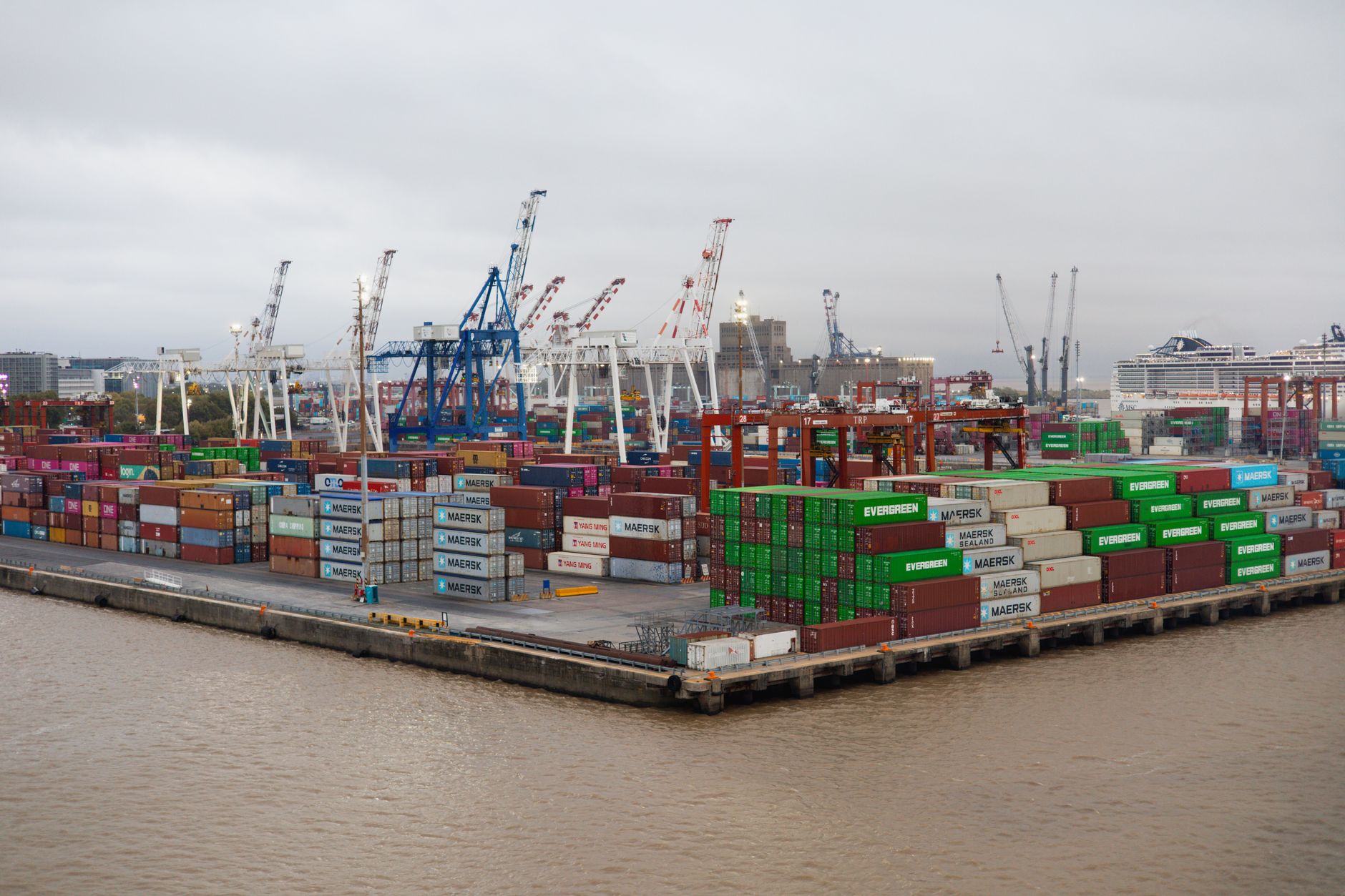
The immediate aftermath of these new double-digit tariffs will be closely scrutinized by global markets and policymakers. Businesses are already scrambling to assess the impact on their supply chains, pricing strategies, and overall profitability. Customs and border protection agencies will be tasked with implementing the new tariff schedules, a complex logistical undertaking that could lead to initial delays and confusion at ports of entry. The administrative burden on importers will increase significantly, requiring meticulous documentation and adherence to new regulations. Early indicators of success or failure will likely emerge from shifts in import volumes, changes in consumer prices, and initial reactions from affected industries, providing the first real-world data points on the policy's effectiveness.
A critical aspect of implementation watch will be monitoring the responses from targeted countries. The speed and nature of retaliatory measures will dictate the trajectory of the burgeoning trade war. Will nations respond with equivalent tariffs, or will they seek alternative strategies, such as challenging the tariffs through international bodies like the World Trade Organization (WTO)? The diplomatic channels will be working overtime, as countries attempt to negotiate exemptions or concessions, while simultaneously preparing for potential economic fallout. The global trade landscape is poised for significant shifts, and the actions of key international players will be pivotal in shaping the coming months.
Domestically, the administration will be under pressure to demonstrate that these tariffs are delivering on their promises of protecting American jobs and industries, and reducing trade deficits. Economic data, including inflation rates, employment figures in specific sectors, and trade balance reports, will be closely watched. Any significant negative impacts on consumer spending or business investment could lead to increased political opposition and calls for policy adjustments. The long-term success of this aggressive trade stance hinges not only on its immediate economic effects but also on its ability to withstand sustained domestic and international scrutiny and adapt to evolving global economic conditions. The coming months will be a true test of this policy's resilience and efficacy.
















Comments
No comments yet. Be the first to comment!