
What We Know
- The United States has officially reinstated and significantly expanded its trade war against China, targeting specific goods, particularly those related to battery production and technology.
- New tariffs have been imposed on a range of Chinese products, with a primary focus on goods suspected of being produced using forced labor, specifically from the Xinjiang region.
- The Biden administration's actions mark a clear departure from previous trade postures, indicating a more aggressive stance on human rights and fair labor practices within global supply chains.
- These tariffs are designed to pressure China into addressing allegations of human rights abuses, particularly the reported detention and forced labor of Uyghurs and other ethnic minorities.
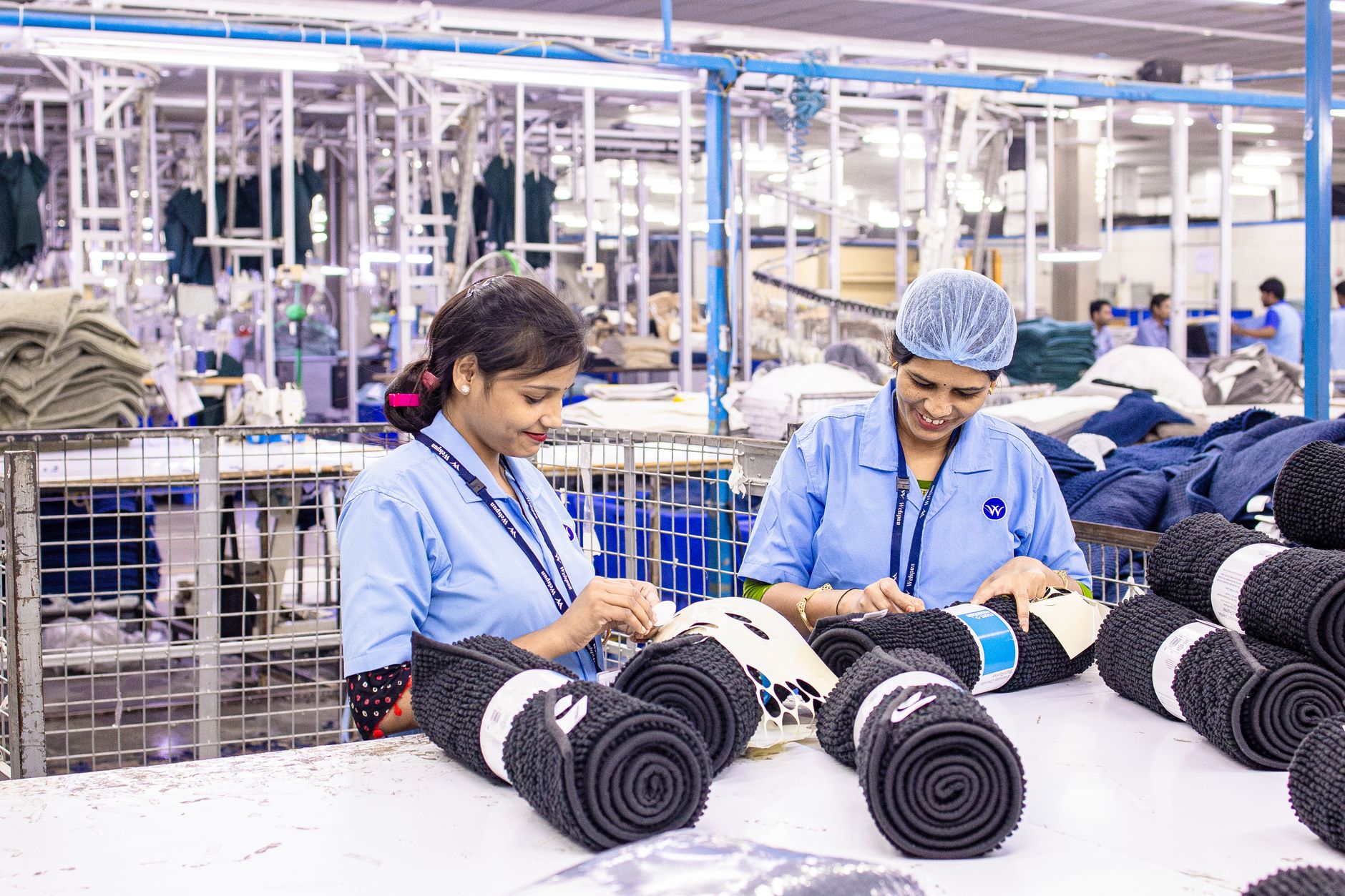
- The move is expected to have substantial implications for industries reliant on Chinese manufacturing, including electric vehicles, renewable energy, and consumer electronics, as companies scramble to adjust their sourcing strategies.
- This escalation is not merely economic; it carries significant geopolitical weight, signaling a hardening of US foreign policy towards China and potentially influencing alliances and trade agreements worldwide.
What We Do Not Know Yet
- The precise long-term economic impact of these new tariffs on both the US and Chinese economies remains uncertain, particularly regarding inflation and consumer prices.
- How China will retaliate, and the specific nature and severity of any countermeasures, are still unknown, which could further escalate trade tensions and create market volatility.
- The extent to which these tariffs will genuinely deter or alter China's labor practices in Xinjiang and other regions is a critical unanswered question, as enforcement mechanisms are complex.
- Whether other major global economies will follow suit with similar tariffs or sanctions against China, or if they will maintain a more neutral stance, is yet to be seen.
- The full impact on global supply chains, including potential shifts in manufacturing hubs and the emergence of new sourcing partnerships, is still developing and difficult to predict.
- The specific criteria and evidence the US will use to determine if products are indeed free from forced labor, and how companies can prove compliance, need clearer articulation from regulatory bodies.
Background
The re-ignition of the US-China trade war is rooted in a complex interplay of economic competition, national security concerns, and profound human rights allegations. For years, the United States has voiced escalating concerns over China's trade practices, including intellectual property theft, state subsidies, and market access restrictions. These economic grievances laid the groundwork for the initial trade war under the previous administration, which saw billions of dollars in tariffs imposed on Chinese goods. However, the current escalation introduces a critical new dimension: the explicit targeting of goods linked to forced labor, particularly from the Xinjiang Uyghur Autonomous Region.
Allegations of widespread human rights abuses in Xinjiang, including the mass detention of Uyghurs and other Turkic Muslims in 're-education camps' and their alleged forced labor in various industries, have drawn international condemnation. Reports from human rights organizations and government agencies detail a systematic campaign of repression, surveillance, and cultural eradication. The US government, alongside several international bodies, has characterized these actions as grave violations of human rights, leading to the passage of legislation like the Uyghur Forced Labor Prevention Act (UFLPA). This act presumes that goods manufactured in Xinjiang are made with forced labor unless proven otherwise, shifting the burden of proof onto importers.
The current battery of tariffs specifically targets critical sectors like battery manufacturing, which are vital for the global transition to clean energy and electric vehicles. By linking these tariffs directly to forced labor claims, the Biden administration is sending a clear message: ethical sourcing and human rights are now paramount considerations in US trade policy, even if it means disrupting established supply chains and increasing costs. This strategic move aims to not only address human rights concerns but also to reduce US reliance on Chinese manufacturing for key technologies, bolstering domestic production and diversifying supply chains away from potential geopolitical risks.
Why It Matters
This renewed trade offensive by the United States against China carries profound implications, extending far beyond mere economic statistics. At its core, it represents a significant hardening of US foreign policy, signaling that human rights considerations are now inextricably linked to trade relations, particularly with major economic competitors. This shift could fundamentally reshape global supply chains, forcing multinational corporations to undertake costly and complex audits to ensure their products are not tainted by forced labor, especially in critical sectors like renewable energy and electric vehicles.
For consumers, these tariffs could translate into higher prices for a wide array of goods, from electronics to automobiles, as companies absorb increased production costs or seek out more expensive alternative suppliers. The disruption to established manufacturing networks could also lead to product shortages and delays, impacting market availability and consumer choice. Moreover, this aggressive stance risks provoking retaliatory measures from Beijing, potentially spiraling into a full-blown trade war that could destabilize the global economy and hinder post-pandemic recovery efforts.
Beyond the immediate economic fallout, this move underscores a broader geopolitical struggle for influence and ideological dominance. By explicitly challenging China's labor practices, the US is attempting to rally international support for a human rights-first approach to trade, potentially isolating China on the global stage. However, it also presents a delicate diplomatic challenge, as other nations must weigh their economic ties with China against their commitment to human rights, creating a complex and potentially divisive international landscape. The long-term success of this strategy hinges on its ability to genuinely alter China's behavior without inflicting undue harm on the global economy.
Timeline of Events
- **2018-2019:** The initial US-China trade war intensifies under the Trump administration, with tariffs imposed on hundreds of billions of dollars worth of goods, primarily focused on economic imbalances and intellectual property theft.
- **Late 2019-Early 2020:** Reports from human rights organizations and media outlets increasingly detail alleged mass detention and forced labor of Uyghurs and other ethnic minorities in Xinjiang, drawing international attention and condemnation.
- **December 2020:** The US government begins imposing sanctions on Chinese officials and entities linked to human rights abuses in Xinjiang, signaling a shift towards a more targeted approach.
- **December 2021:** The Uyghur Forced Labor Prevention Act (UFLPA) is signed into law in the US, establishing a rebuttable presumption that all goods manufactured in Xinjiang are made with forced labor.
- **June 2022:** The UFLPA officially comes into effect, leading to increased scrutiny and detentions of goods at US ports of entry suspected of originating from Xinjiang.
- **Recent Weeks:** The Biden administration announces a new battery of tariffs, explicitly targeting key Chinese industries, including battery components, citing the UFLPA and broader concerns over forced labor and unfair trade practices, marking a significant escalation in the trade conflict.

Rapid-Fire Q&A
What Is Coming
- Expect heightened scrutiny and enforcement of the Uyghur Forced Labor Prevention Act (UFLPA) at US ports, leading to more frequent detentions and rejections of goods suspected of originating from Xinjiang or utilizing forced labor.
- Companies will accelerate efforts to 'de-risk' their supply chains from China, seeking alternative manufacturing locations and suppliers in Southeast Asia, Mexico, or even reshoring production to the United States.
- China is almost certain to implement retaliatory measures, which could include tariffs on specific US imports, restrictions on exports of critical minerals or components, or other non-tariff barriers that impact American businesses.
- Increased pressure on international organizations and other major economies to take a clearer stance on human rights in China, potentially leading to a more fragmented global trade landscape.
- Innovation in supply chain transparency and traceability technologies will likely surge, as companies seek robust solutions to prove ethical sourcing and comply with evolving regulatory demands.
- The geopolitical rivalry between the US and China is set to intensify, with trade policy becoming an even more prominent tool in broader strategic competition over technology, influence, and values.










Comments
No comments yet. Be the first to comment!