
The Story in Brief
- Iran has unequivocally accused the United States and Israel of a coordinated attack on its Natanz nuclear enrichment facility, marking a significant and dangerous escalation in regional hostilities.
- This accusation follows an incident at Natanz that Iranian officials initially described as an 'accident' but have now reclassified as a deliberate act of sabotage, pointing fingers directly at two major global powers.
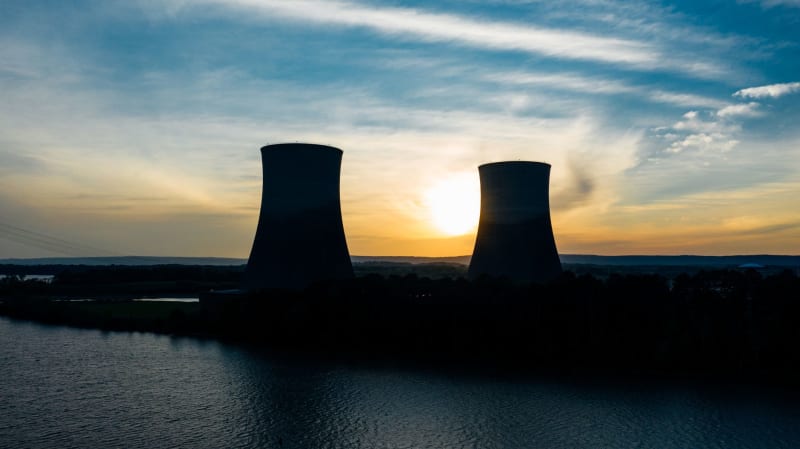
- The Natanz facility is a cornerstone of Iran's nuclear program, making any successful attack on it a severe blow to Tehran's capabilities and a provocative act in the eyes of the international community.
- While neither the US nor Israel has officially commented on Iran's specific allegations, both nations have long expressed deep concerns about Iran's nuclear ambitions and have been implicated in past covert operations against its nuclear infrastructure.
- The timing of this revelation is critical, coming amidst delicate diplomatic efforts to revive the 2015 Iran nuclear deal (JCPOA), which could now be severely jeopardized by these heightened tensions.
- International observers are closely watching for potential retaliatory actions from Iran, which could further destabilize an already volatile Middle East, potentially drawing in other regional and global actors.
The Human Face
Beyond the geopolitical maneuvering and high-stakes diplomacy, the human cost of these escalating tensions is often overlooked. For ordinary Iranians, the constant threat of international conflict and economic sanctions casts a long shadow over daily life. The Natanz incident, regardless of its perpetrators, fuels a pervasive sense of insecurity and uncertainty, impacting everything from the availability of essential goods to the stability of the national currency. Families worry about the future, about their children's prospects, and about the potential for their nation to be drawn into a wider, more devastating conflict.
The scientists and engineers working at facilities like Natanz, often portrayed as mere cogs in a controversial nuclear program, are individuals with families and aspirations. They operate under immense pressure, not only from international scrutiny but now also from direct physical threats to their workplaces. The psychological toll of working in an environment targeted by alleged state-sponsored sabotage is profound, creating an atmosphere of fear and suspicion. This human element underscores the real-world impact of geopolitical rivalries, transforming abstract policy decisions into tangible anxieties for those on the ground.
Furthermore, the international community's response to such incidents directly affects global perceptions and trust. When accusations of state-sponsored sabotage fly, especially concerning nuclear facilities, it erodes the fragile framework of international law and diplomacy. This erosion of trust can have ripple effects, making it harder to address other pressing global challenges that require multilateral cooperation. The human face here extends to every citizen who believes in a rules-based international order, now threatened by actions that seem to disregard established norms and escalate tensions without clear accountability.
How We Got Here
The current crisis is deeply rooted in decades of mistrust and strategic rivalry between Iran, the United States, and Israel. Iran's nuclear program, which it insists is purely for peaceful energy purposes, has been a source of profound concern for the international community, particularly Israel and the US, who suspect Tehran of pursuing nuclear weapons capabilities. This suspicion led to crippling international sanctions and a series of covert operations, including cyberattacks like Stuxnet and assassinations of Iranian nuclear scientists, widely attributed to Israel and sometimes the US.
A brief period of détente emerged with the 2015 Joint Comprehensive Plan of Action (JCPOA), a landmark agreement that saw Iran limit its nuclear activities in exchange for sanctions relief. However, this accord was severely undermined when the Trump administration unilaterally withdrew the US in 2018, reimposing harsh sanctions. In response, Iran gradually began to roll back its commitments under the deal, increasing uranium enrichment and installing advanced centrifuges, pushing its nuclear program closer to weapons-grade levels, thereby reigniting fears and intensifying the cycle of escalation.
The Natanz facility, specifically, has been a recurring target due to its central role in Iran's uranium enrichment efforts. Past incidents, including a major explosion in July 2020 that Iran also attributed to sabotage, highlight the ongoing clandestine efforts to impede Iran's nuclear progress. This latest accusation of a joint US-Israeli strike on Natanz represents a significant escalation in rhetoric and potentially in action, signaling a dangerous new phase where covert operations are now being openly attributed to major state actors, further complicating any diplomatic resolution and increasing the risk of direct confrontation.
Why This Cannot Be Ignored
The explicit accusation by Iran of a joint US-Israeli strike on its Natanz nuclear facility represents a critical inflection point in global security, demanding immediate and serious attention. This is not merely another incident in a long-running shadow war; it is an overt attribution of a military-grade attack on a sovereign nation's critical infrastructure to two powerful states. Such an accusation, if substantiated or even widely believed, shatters the already fragile norms of international conduct and dramatically raises the stakes for regional and global stability. The potential for miscalculation or unintended escalation has never been higher, pushing the Middle East closer to a full-blown conflict.
Furthermore, this incident directly imperils the delicate diplomatic efforts currently underway to revive the Joint Comprehensive Plan of Action (JCPOA), the 2015 nuclear deal. The very act of targeting a nuclear facility while negotiations are in progress sends a clear message of distrust and antagonism, making it incredibly difficult for negotiators to build the necessary confidence to reach a new agreement. Iran's willingness to return to the negotiating table, already tenuous, could evaporate, leading to an unconstrained Iranian nuclear program and a proliferation crisis that would destabilize the entire region and beyond. The international community's ability to prevent nuclear proliferation hinges on the success of such diplomatic channels, which are now under severe strain.
Beyond the immediate geopolitical fallout, this event sets a dangerous precedent for state-sponsored cyber warfare and covert operations against critical national infrastructure. If major powers can openly be accused of such actions without clear international condemnation or accountability, it emboldens other actors to pursue similar tactics, leading to a more chaotic and unpredictable global landscape. The implications for cybersecurity, international law, and the peaceful resolution of disputes are profound. Ignoring this explicit accusation would signal a tacit acceptance of such aggressive tactics, undermining the very foundations of international order and increasing the likelihood of future, more destructive conflicts.
Possible Paths Forward
One immediate path forward involves intensified diplomatic engagement, potentially through intermediaries, to de-escalate the situation. The P5+1 nations (China, France, Russia, United Kingdom, United States, plus Germany) could issue a joint statement condemning any acts of sabotage against nuclear facilities and reaffirming their commitment to the JCPOA. This would signal a unified international front against escalation and provide a framework for Iran to return to full compliance. Crucially, direct, high-level talks between the US and Iran, perhaps facilitated by European powers, are essential to address these new accusations and prevent further retaliatory cycles. The focus must be on confidence-building measures, however small, to bridge the current chasm of mistrust.
Another critical avenue is for the international community to demand transparency and accountability regarding the Natanz incident. If Iran's accusations are accurate, the perpetrators must be identified and held responsible under international law. The International Atomic Energy Agency (IAEA) could play a vital role here, not only in monitoring Iran's nuclear activities but also in investigating the security breach at Natanz to provide an impartial assessment. Such an investigation, if allowed by Iran, could either validate or refute Tehran's claims, providing much-needed clarity and potentially paving the way for a more constructive dialogue rather than an endless cycle of accusations and counter-accusations. Without clear facts, the path to resolution remains obscured by speculation and mistrust.
Alternatively, should diplomatic efforts fail and accountability remain elusive, the region risks a dangerous escalation. Iran might feel compelled to accelerate its nuclear program further, potentially withdrawing from the Non-Proliferation Treaty (NPT) or expelling IAEA inspectors, thereby eliminating any remaining international oversight. This could trigger a more aggressive response from Israel or the US, leading to open military confrontation. To avert this catastrophic scenario, all parties must recognize the urgent need for restraint and prioritize dialogue over confrontation. The global community must exert maximum pressure on all actors to choose diplomacy and de-escalation, understanding that the alternative is a path fraught with unpredictable and devastating consequences for the entire world.
Questions People Are Actually Asking
What to Watch
- The immediate response from the US and Israel: Will they issue official denials, maintain silence, or offer any form of indirect commentary that could further inflame tensions or provide clarity?
- Iran's next moves regarding its nuclear program: Will Tehran accelerate uranium enrichment, install more advanced centrifuges, or take steps to further limit international inspections as a direct response to the attack?
- The progress of the Vienna nuclear deal negotiations: Can diplomats overcome this significant setback and find common ground, or will the incident prove to be a fatal blow to the revival of the JCPOA?
- Statements and actions from European powers: Will countries like Germany, France, and the UK increase diplomatic pressure on all sides to de-escalate, or will they align more closely with either the US/Israel or Iran?
- Regional proxy activities: Watch for any uptick in activity from Iranian-backed militias in Iraq, Syria, Lebanon, or Yemen, which could be a proxy response to the Natanz incident.
- Cybersecurity alerts: Given the nature of alleged past attacks and the current incident, monitor for any significant cyberattacks targeting critical infrastructure in the US, Israel, or Gulf states, which could signal a retaliatory strike.










Comments
No comments yet. Be the first to comment!