
The Story in Brief
- A month after devastating earthquakes, Venezuela faces an acute humanitarian crisis, with hundreds of thousands displaced and critical infrastructure severely damaged, exacerbating pre-existing vulnerabilities across multiple regions.
- The nation's already fragile economy, plagued by hyperinflation and a prolonged recession, is now teetering on the brink of complete collapse, making recovery efforts incredibly challenging without substantial external support.
- International aid has been slow and insufficient, hindered by geopolitical complexities and the Venezuelan government's strained relations with many global actors, creating a critical gap in essential relief and reconstruction funding.
- Experts warn that without a coordinated and robust international investment strategy focused on economic recovery and infrastructure rebuilding, Venezuela risks a deeper spiral into instability, potentially triggering a new wave of migration and regional unrest.
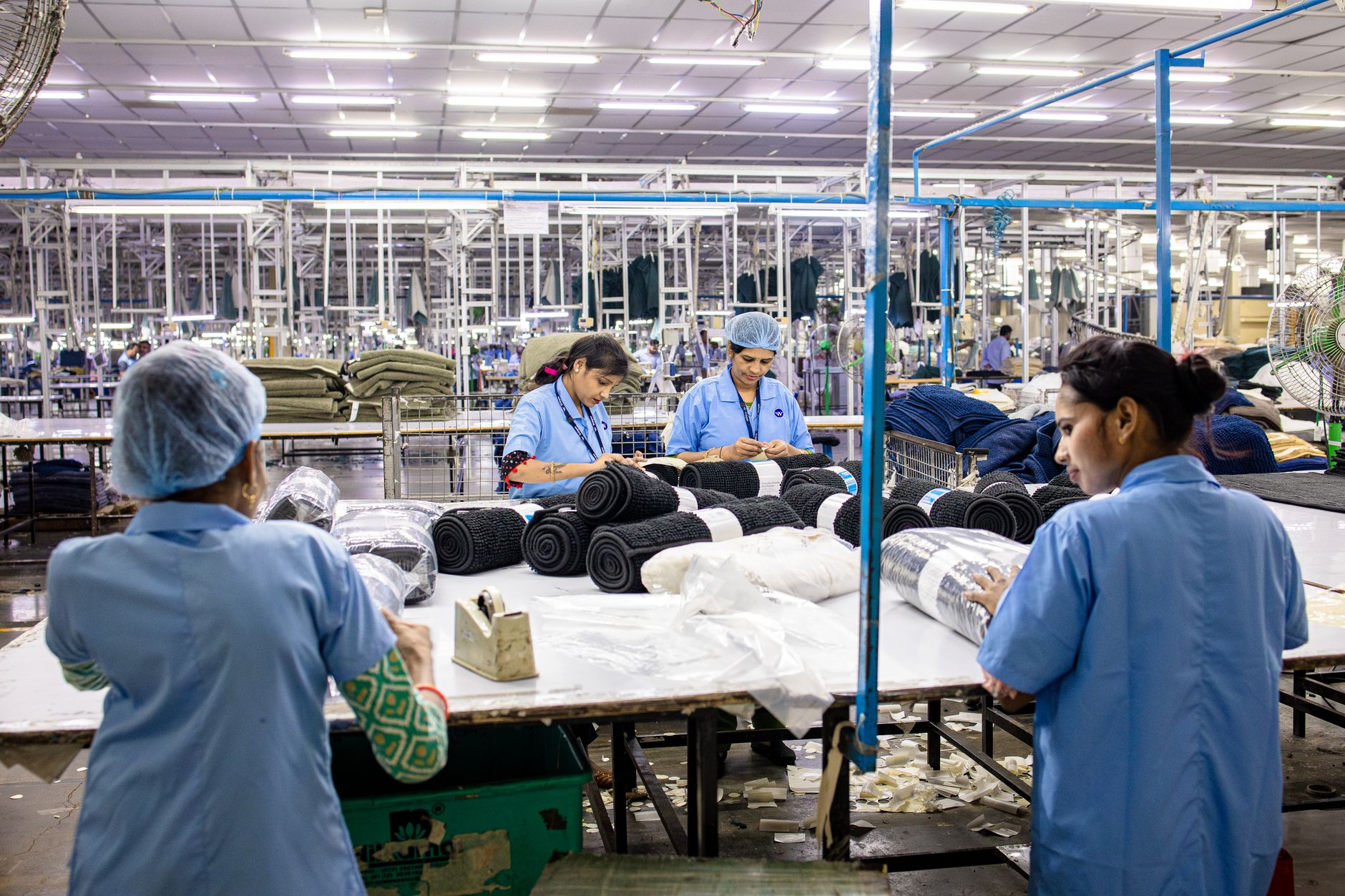
- Key sectors like oil production, agriculture, and manufacturing, already operating far below capacity, have suffered further setbacks, threatening long-term economic viability and the livelihoods of millions of citizens.
- The immediate priority is to secure significant financial commitments for humanitarian relief, followed by strategic investments in rebuilding critical infrastructure and fostering sustainable economic activities to prevent a complete societal breakdown.
The Human Face
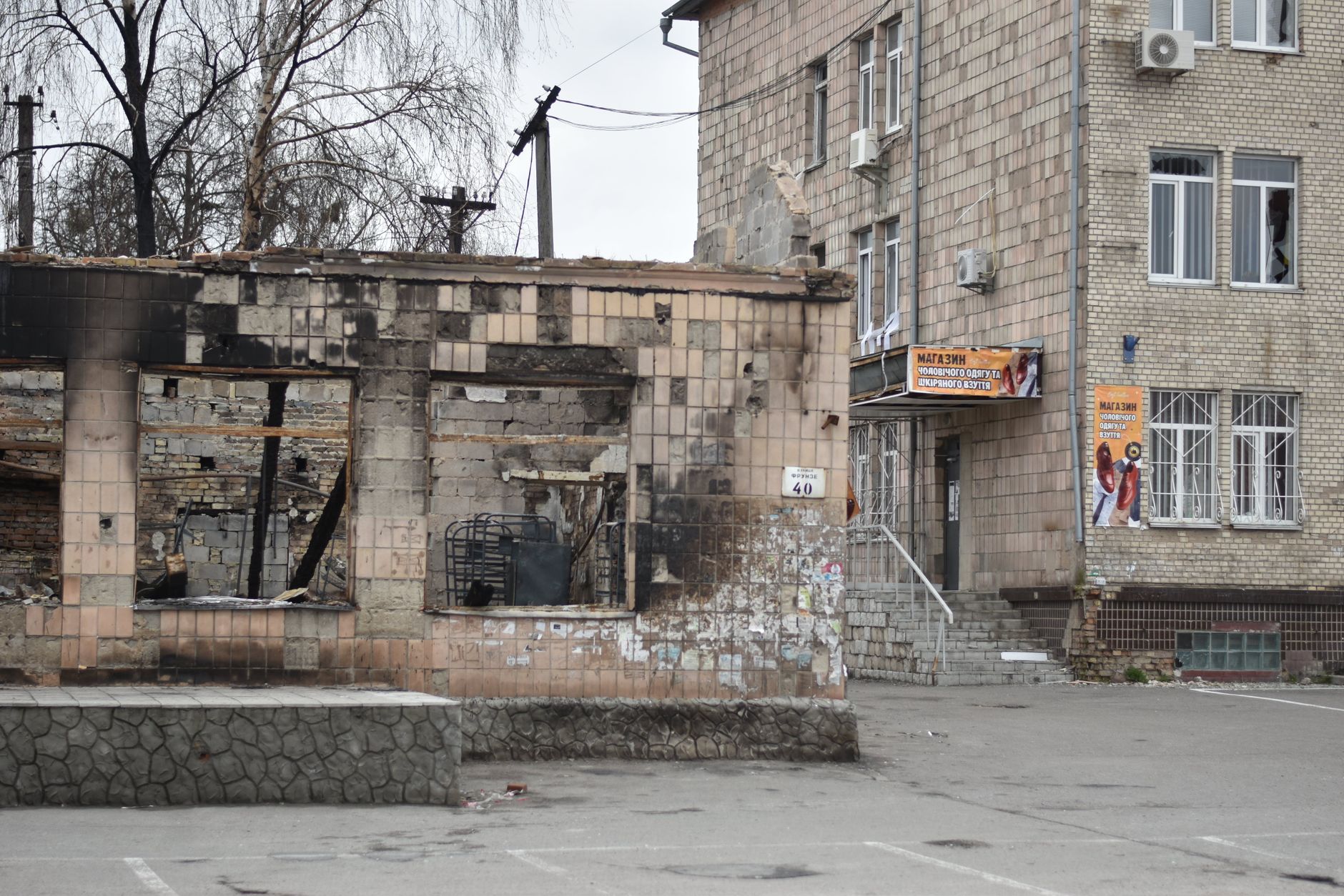
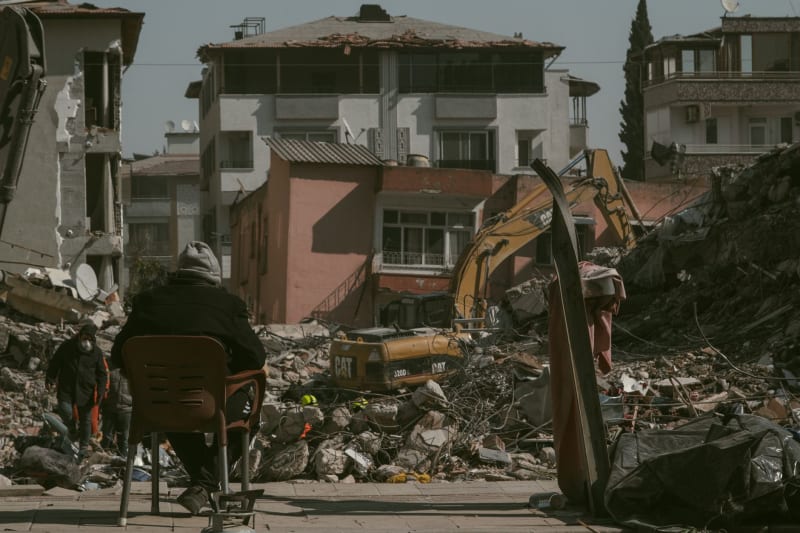
The human toll of Venezuela's recent earthquakes extends far beyond the initial tremors, manifesting as a deepening humanitarian catastrophe that impacts millions. Families have been torn apart, homes reduced to rubble, and entire communities displaced, forcing an already vulnerable population into even more precarious living conditions. The psychological trauma, compounded by the uncertainty of their future, casts a long shadow over survivors, many of whom have lost everything they owned and now face the daunting task of rebuilding their lives from scratch amidst widespread scarcity.
Access to basic necessities like clean water, food, and medical care has become critically limited in many affected areas. Pre-existing healthcare infrastructure, already struggling under years of neglect and underfunding, has been overwhelmed or destroyed, leaving countless individuals without essential medical attention for injuries, chronic conditions, and the increased risk of disease outbreaks. The lack of adequate shelter and sanitation facilities further exacerbates health risks, particularly for children, the elderly, and those with pre-existing health vulnerabilities, creating a desperate situation for those who need help the most.
The displacement crisis is particularly acute, with hundreds of thousands now living in makeshift shelters or with relatives, straining already limited resources. Children's education has been severely disrupted, with schools damaged or repurposed as temporary shelters, threatening to create a lost generation if immediate educational support is not provided. The sheer scale of human suffering demands an urgent, compassionate, and coordinated response that prioritizes the immediate needs of the affected population while laying the groundwork for long-term recovery and resilience, ensuring that these communities are not forgotten in the wake of disaster.
How We Got Here
Venezuela's current precarious state is not merely a consequence of the recent earthquakes; it is the culmination of years of profound economic mismanagement, political instability, and a deeply entrenched humanitarian crisis. Before the seismic events, the nation was already grappling with hyperinflation that had decimated purchasing power, a prolonged recession that shrank the economy by over 75% since 2013, and a mass exodus of over 7 million citizens seeking refuge and opportunity abroad. This pre-existing fragility meant that when the earthquakes struck, the country lacked any significant resilience or capacity to absorb such a shock, instantly amplifying the disaster's impact.
The oil industry, once the backbone of Venezuela's economy, has suffered a catastrophic decline due to underinvestment, corruption, and sanctions, with production plummeting to historical lows. This collapse deprived the government of its primary source of revenue, severely limiting its ability to fund public services, maintain infrastructure, or respond effectively to emergencies. Decades of neglecting critical infrastructure, from hospitals to roads and housing, left the nation's physical assets vulnerable, ensuring that even moderate seismic activity would inflict widespread and devastating damage across multiple regions.
Furthermore, the highly polarized political landscape and strained international relations have significantly hampered efforts to secure and distribute aid. The government's complex relationship with international bodies and donor nations often creates bureaucratic hurdles and mistrust, delaying the arrival of much-needed assistance. This confluence of economic collapse, political gridlock, and a weakened state apparatus created a perfect storm, transforming a natural disaster into an existential threat for millions of Venezuelans, underscoring the urgent need for a paradigm shift in both domestic governance and international engagement.
Why This Cannot Be Ignored
The escalating crisis in Venezuela, exacerbated by the recent earthquakes, is not merely an internal matter; it represents a significant and growing threat to regional stability and global humanitarian efforts. A complete economic collapse in Venezuela would inevitably trigger an even larger wave of migration, placing immense strain on neighboring countries already struggling with their own economic and social challenges. This potential mass displacement could destabilize borders, fuel xenophobia, and create new humanitarian emergencies across the entire Latin American continent, making it a critical concern for international security and human rights organizations.
Beyond the immediate humanitarian implications, the prolonged instability in Venezuela creates a vacuum that can be exploited by illicit actors, including organized crime syndicates and drug trafficking networks. A weakened state with porous borders and a desperate population provides fertile ground for such groups to expand their operations, further undermining regional governance and security. This potential for increased transnational crime poses a direct threat to the rule of law and democratic institutions across the Americas, demanding a proactive and coordinated international response to prevent further deterioration.
Moreover, the humanitarian imperative to act is undeniable. Millions of Venezuelans are facing starvation, lack of medical care, and homelessness, with their basic human rights severely compromised. Allowing this crisis to deepen without robust international intervention would be a profound moral failure, setting a dangerous precedent for how the global community responds to complex emergencies. The long-term costs of inaction—in terms of human lives, regional destabilization, and the erosion of international norms—far outweigh the investment required for a comprehensive recovery and stabilization effort, making immediate and sustained engagement absolutely critical.
Possible Paths Forward
Addressing Venezuela's multifaceted crisis requires a comprehensive and multi-pronged approach, beginning with immediate, substantial humanitarian aid. This initial phase must prioritize the provision of emergency shelter, food, clean water, and medical supplies to the most affected populations, ensuring that aid reaches those in dire need without political interference. Concurrently, international financial institutions and donor nations must establish a dedicated fund for Venezuela's economic recovery, focusing on rebuilding critical infrastructure, revitalizing key industries, and implementing targeted social programs to alleviate poverty and foster community resilience. This initial investment is crucial to stabilize the situation and prevent further societal breakdown.
A crucial long-term strategy involves fostering economic diversification and attracting foreign direct investment, but this hinges on significant reforms within Venezuela. The government must demonstrate a genuine commitment to transparency, good governance, and the rule of law to rebuild investor confidence. This includes strengthening property rights, streamlining regulatory frameworks, and combating corruption at all levels. International partners can play a vital role by offering technical assistance and expertise in economic planning, public finance management, and institutional capacity building, creating an environment conducive to sustainable growth and job creation beyond the volatile oil sector.
Furthermore, a path to recovery must include robust diplomatic engagement aimed at fostering political stability and national reconciliation. International mediation efforts could facilitate dialogue between the government and opposition, leading to a consensus on necessary reforms and a roadmap for democratic transition. This political stability is inextricably linked to economic recovery, as it provides the predictability and confidence required for both domestic and international investment. Ultimately, a sustainable future for Venezuela depends on a collaborative effort that combines urgent humanitarian relief, strategic economic investment, and a genuine commitment to political reform and inclusive governance from all stakeholders.

Questions People Are Actually Asking
What to Watch
- The flow of international humanitarian aid: Monitor the speed and volume of aid reaching affected areas, and critically assess whether it is distributed effectively and without political interference to those who need it most.
- Venezuelan government's engagement with international bodies: Observe any shifts in the government's willingness to collaborate with international organizations and donor countries, particularly regarding transparency in aid distribution and economic reforms.
- Economic indicators: Keep a close eye on key economic metrics such as inflation rates, currency stability, and oil production figures, as these will be crucial barometers of the country's recovery trajectory and overall economic health.
- Regional migration patterns: Track any significant increases in Venezuelan migration to neighboring countries, as this would indicate a worsening humanitarian situation and increased regional instability, demanding a coordinated international response.
- Progress on political dialogue: Watch for any developments in political negotiations between the government and opposition factions, as a stable political environment is fundamental for attracting long-term investment and ensuring sustainable recovery.
- Infrastructure rebuilding efforts: Monitor the progress of reconstruction projects, especially those related to housing, healthcare facilities, and critical transportation networks, to gauge the effectiveness of recovery investments and their impact on daily life.













Comments
No comments yet. Be the first to comment!