

The Story in Brief
- Spain secured a monumental 1-0 victory over Argentina in a fiercely contested 2026 FIFA World Cup final, marking a significant moment in international football history.
- The decisive goal came from Spanish midfielder Gavi in the 78th minute, breaking a tense deadlock and igniting celebrations across Spain.
- Argentina's Lionel Messi, in what was widely speculated to be his final World Cup appearance, delivered a valiant effort but ultimately fell short of securing another title.
- The match was characterized by its intense defensive strategies and tactical brilliance from both sides, leading to a low-scoring but captivating encounter.
- This victory solidifies Spain's position as a dominant force in global football, showcasing their depth of talent and strategic prowess on the world stage.
- The tournament itself was a spectacle of passion and skill, culminating in a final that will be remembered for its nail-biting tension and dramatic conclusion.
The Human Face
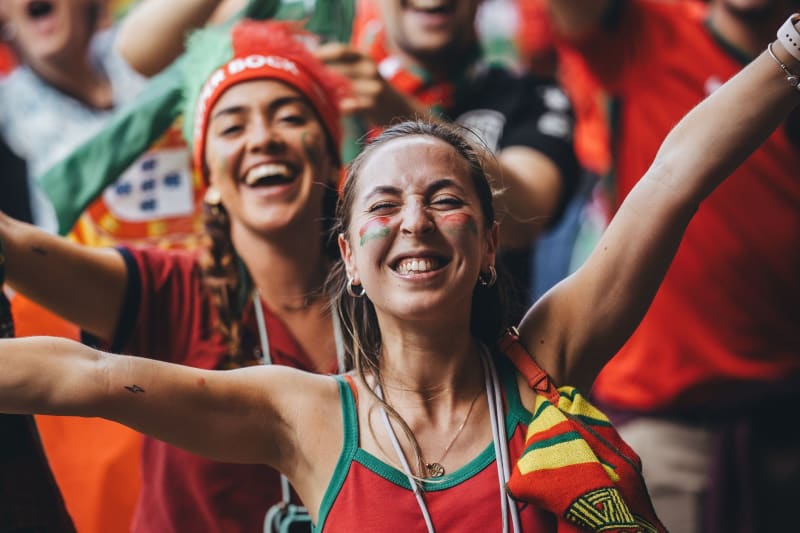
For millions of fans across Spain, Gavi's 78th-minute strike wasn't just a goal; it was an explosion of national pride and collective joy. From the bustling plazas of Madrid to the sun-drenched beaches of Barcelona, celebrations erupted spontaneously, painting cities red and yellow. Families gathered, strangers embraced, and the air vibrated with chants of 'España! España!' This victory transcends mere sport; it's a testament to years of dedication, the dreams of countless young footballers, and the unwavering support of a nation that lives and breathes football. The raw emotion displayed by the players, particularly the tears of joy from veterans and the wide-eyed wonder of the younger squad members, resonated deeply with supporters, making this triumph feel incredibly personal.
Conversely, the heartbreak on the faces of Argentine players and fans was palpable. For a nation that reveres football as a religion, coming so close to another World Cup title, especially with their legendary captain Lionel Messi potentially playing his last, was a bitter pill to swallow. Images of Messi, head bowed, walking off the pitch will undoubtedly become iconic, symbolizing the agony of defeat despite an extraordinary career. The silence that fell over Buenos Aires after the final whistle spoke volumes, a stark contrast to the jubilant scenes in Spain. This emotional dichotomy underscores the intense human element of the beautiful game, where the pinnacle of joy for one nation inevitably means profound disappointment for another.
Beyond the immediate elation and despair, this final also highlighted the human stories of perseverance and sacrifice. Players on both teams have dedicated their lives to reaching this stage, enduring rigorous training, injuries, and immense pressure. The mental fortitude required to perform at such an elite level, under the scrutinizing gaze of billions, is immense. Gavi, a relatively young player, stepping up in such a critical moment, embodies the emergence of a new generation of talent ready to carry the torch. His journey, from a promising youth player to a World Cup hero, serves as an inspiration, reminding us that behind every grand sporting event are countless individual tales of struggle, ambition, and ultimately, the pursuit of greatness.
How We Got Here
Spain's journey to the 2026 FIFA World Cup final was a masterclass in strategic development and tactical evolution. Following a period of rebuilding after their golden generation, the Spanish national team focused heavily on integrating a new wave of exceptionally talented young players with seasoned veterans. This blend created a dynamic squad capable of both intricate possession-based football and swift, incisive counter-attacks. Their qualification campaign was dominant, showcasing a robust defense and a prolific attack. In the knockout stages, they navigated challenging fixtures against formidable opponents, demonstrating resilience and an unyielding will to win, culminating in a semi-final victory that proved their mettle against a highly-rated European rival.
Argentina, on the other hand, arrived at the final with a narrative steeped in legacy and the fervent hope of delivering another World Cup for Lionel Messi. Their path was marked by moments of individual brilliance from their captain, who, despite his age, continued to defy expectations with crucial goals and assists. The team's strategy often revolved around enabling Messi to orchestrate attacks, while a disciplined defense and midfield provided solid support. They overcame several nail-biting encounters, including a dramatic penalty shootout in the quarter-finals, which only intensified the belief that destiny was on their side. The emotional weight of potentially securing Messi's final World Cup added an almost mythical quality to their progression.
The final itself was a culmination of these distinct paths, a clash of footballing philosophies. Spain's collective strength and fluid movement met Argentina's reliance on their superstar and a gritty, determined team effort. Both teams had shown immense growth and adaptability throughout the tournament, overcoming injuries, suspensions, and tactical challenges. The build-up to the final was electric, with pundits and fans alike debating which approach would prevail. The 1-0 scoreline reflects the tight margins and the high stakes involved, a testament to how evenly matched these two footballing giants were, and how every decision, every pass, and every tackle contributed to the ultimate outcome.
Why This Cannot Be Ignored
This World Cup victory for Spain is not merely a triumph in a sporting event; it signifies a profound shift in global football power dynamics. It underscores the success of Spain's long-term investment in youth development and a cohesive national footballing philosophy. This win will undoubtedly inspire a new generation of players and coaches, not just within Spain but worldwide, to adopt similar models of technical excellence and strategic consistency. It reinforces the idea that sustained success comes from a commitment to fundamental principles and a willingness to evolve, rather than solely relying on individual superstars. The implications for national team strategies and club academies globally are significant, as they seek to emulate Spain's blueprint for success.
For Argentina, while a defeat, this tournament served as a powerful reminder of Lionel Messi's enduring legacy and the passion he ignites. Even in loss, Messi's performance commanded respect and admiration, solidifying his place as one of the greatest to ever play the game. The emotional farewell, if this indeed marks his final World Cup, will resonate deeply, prompting reflection on the end of an era and the challenge of transitioning to a post-Messi landscape for Argentine football. This moment forces a critical examination of how a national team rebuilds and maintains its competitive edge when its generational talent eventually steps away, a challenge many footballing nations will face.
Beyond the two finalists, the 2026 World Cup, hosted across North America, showcased the growing global appeal and commercial power of football. The expanded format and diverse host cities brought the tournament to new audiences, further cementing its status as the world's most watched sporting event. This success has significant economic implications, boosting tourism, infrastructure development, and brand visibility for the host nations. Furthermore, the intense competition and unexpected results throughout the tournament highlight the increasing parity in international football, making future World Cups even more unpredictable and captivating. This outcome matters because it shapes narratives, influences investments, and inspires millions, solidifying football's unparalleled cultural and economic impact worldwide.
Possible Paths Forward
For Spain, the immediate path forward involves consolidating their position at the pinnacle of international football. This means continuing to nurture their prodigious young talent while ensuring the tactical framework remains adaptable and innovative. The challenge will be to avoid complacency and to integrate the next wave of emerging stars seamlessly into the squad. Maintaining the hunger and competitive edge that led to this victory will be crucial. Furthermore, the Spanish Football Federation will likely leverage this success to further invest in grassroots football, ensuring a continuous pipeline of world-class players. The focus will be on building a dynasty, not just celebrating a single triumph, by evolving their playing style to stay ahead of global trends and rival nations.
Argentina faces a more complex, albeit exciting, path of transition. With the likely departure of Lionel Messi from the World Cup stage, the national team must strategically rebuild and redefine its identity. This involves identifying and empowering new leaders, both on and off the pitch, and developing a system that is less reliant on individual genius and more on collective strength. The focus will be on fostering a new generation of attacking talent while maintaining their traditional defensive solidity. This period of change presents an opportunity to experiment with new formations and tactics, potentially leading to a more unpredictable and versatile Argentine side in future tournaments. The federation will need to make difficult decisions regarding coaching staff and player selection to navigate this crucial phase effectively.
Globally, the success of the 2026 World Cup and Spain's victory could influence football development strategies worldwide. Nations might increasingly prioritize holistic player development programs, emphasizing technical skill, tactical intelligence, and mental resilience from a young age. There could also be a renewed focus on collective team play over individual heroics, as Spain's triumph demonstrated the power of a cohesive unit. FIFA and continental confederations may also explore further innovations in tournament formats and fan engagement, building on the positive reception of this expanded World Cup. The path forward for international football is one of continuous evolution, driven by the lessons learned from each major tournament, pushing the boundaries of what is possible on and off the pitch.
Questions People Are Actually Asking
What to Watch
- The immediate aftermath and celebrations in Spain: Observe how the nation embraces its new heroes and the scale of the public festivities following this historic World Cup triumph.
- Lionel Messi's official statement regarding his international future: Await any announcements from the Argentine legend that will confirm whether this was indeed his final World Cup appearance and what his plans are moving forward.
- The strategic adjustments Argentina makes in the post-Messi era: Pay close attention to how the Argentine national team begins to rebuild and redefine its playing style without its iconic captain.
- The impact of Spain's victory on youth football development globally: Look for trends in football academies and national programs that might adopt elements of Spain's successful model for nurturing talent.
- Upcoming international fixtures and tournaments: Monitor how both Spain and Argentina perform in subsequent competitions, such as the UEFA Nations League and Copa América, as they navigate their respective new phases.
- Discussions and analyses surrounding the 2026 World Cup's expanded format: Follow expert opinions and fan reactions regarding the success and challenges of the multi-national hosting and increased number of participating teams.










Comments
No comments yet. Be the first to comment!