
What We Know
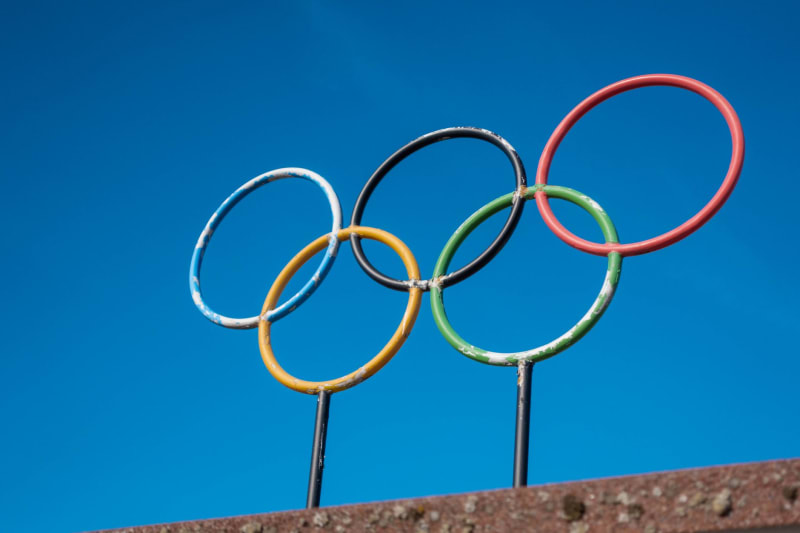
- The International Olympic Committee (IOC) and LA28 organizers have consistently reiterated their commitment to maintaining the Games as a politically neutral event, a stance that is becoming increasingly difficult to uphold in the current global climate.
- Recent geopolitical events, including ongoing conflicts and heightened international tensions, are exerting immense pressure on the traditional ideal of Olympic neutrality, forcing organizers to confront complex ethical and logistical dilemmas.
- The debate surrounding the participation of athletes from nations involved in conflicts has intensified, creating significant divisions among National Olympic Committees, athletes, and global sports federations.
- LA28 organizers are actively engaging in high-level discussions with the IOC, various governments, and athlete representatives to formulate policies that balance fairness, safety, and the Olympic Charter's principles amidst these unprecedented challenges.
- The financial implications of potential boycotts or protests are a growing concern, as sponsors and broadcasters evaluate their involvement in an event that could be marred by political controversy and reduced viewership.
- Security planning for the LA28 Games is being rigorously re-evaluated to account for potential protests, demonstrations, or even more serious threats stemming from politically charged environments, ensuring the safety of all participants and spectators.
What We Do Not Know Yet
- The precise criteria and mechanisms the IOC will implement to determine the eligibility of athletes from nations currently embroiled in international conflicts remain largely undefined, leading to uncertainty and speculation.
- How LA28 organizers plan to enforce the 'political neutrality' mandate within the Olympic Village and competition venues, especially concerning individual athlete expressions or protests, has not been fully articulated.
- The extent to which major sponsors and broadcasting partners will react to potential political controversies or athlete boycotts, and whether this will lead to significant financial repercussions for the Games, is still an open question.
- Whether specific nations or blocs of nations might initiate boycotts or protests in the lead-up to or during the LA28 Games, and the ripple effect this could have on global participation, is an evolving situation.
- The final security protocols and contingency plans for managing politically motivated demonstrations or disruptions, both inside and outside official venues, are still under development and subject to change.
- How public opinion in host city Los Angeles and across the United States will shift in response to the politicalization of the Games, and what impact this might have on local support and engagement, is yet to be fully gauged.
Background
The Olympic Games, since their modern revival, have often aspired to be a beacon of unity and peace, a global gathering where political differences are set aside in the spirit of athletic competition. This ideal of 'political neutrality' is deeply embedded in the Olympic Charter, which emphasizes sport's role in promoting peace and understanding without discrimination of any kind. However, history is replete with instances where geopolitical realities have inevitably intersected with the Games, from boycotts during the Cold War to protests against various national policies, demonstrating the enduring challenge of separating sport from the broader world stage. The LA28 organizers and the IOC are now grappling with this historical tension in an increasingly complex and interconnected global landscape, where information travels instantly and national sentiments are easily inflamed.
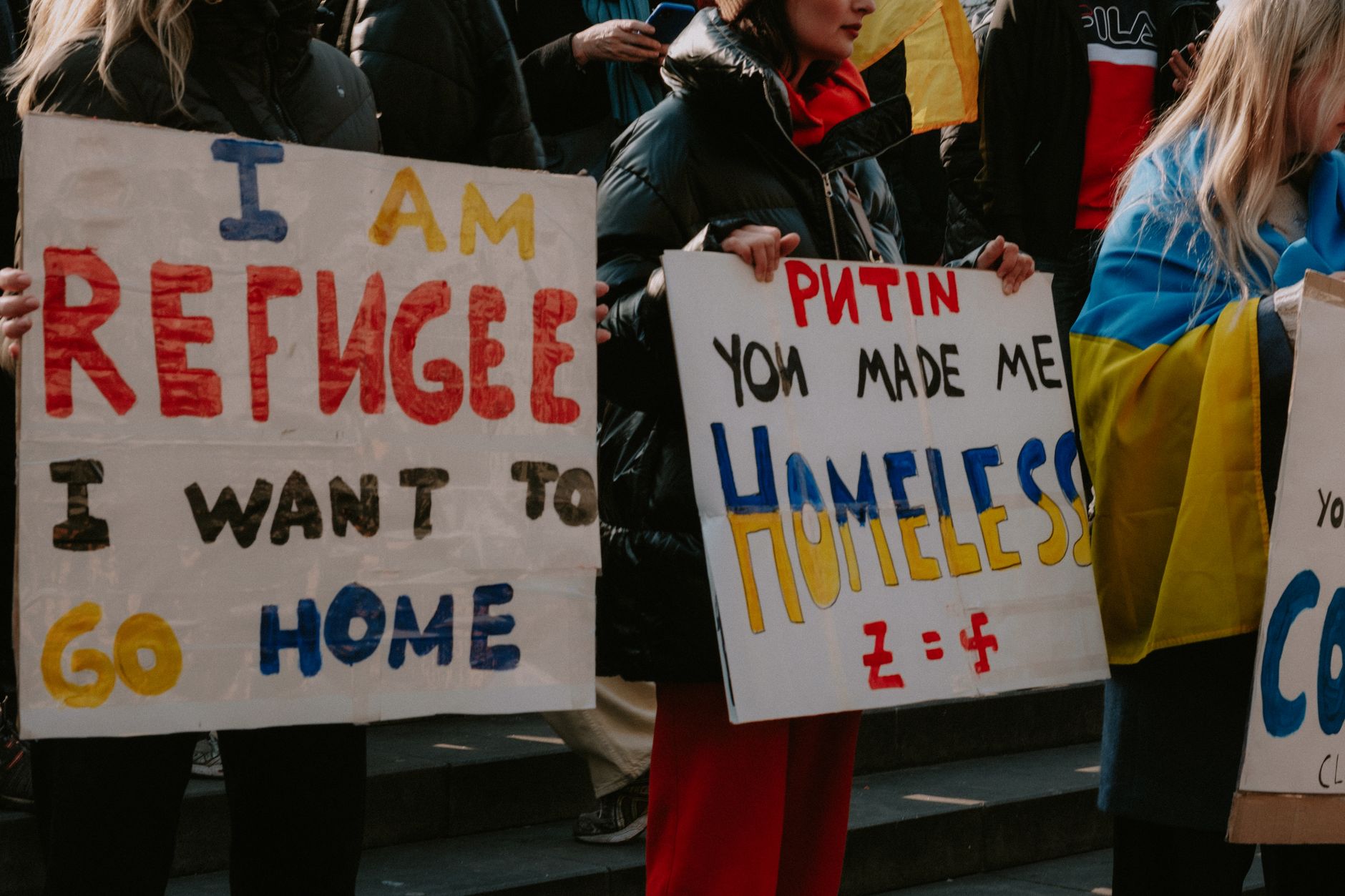
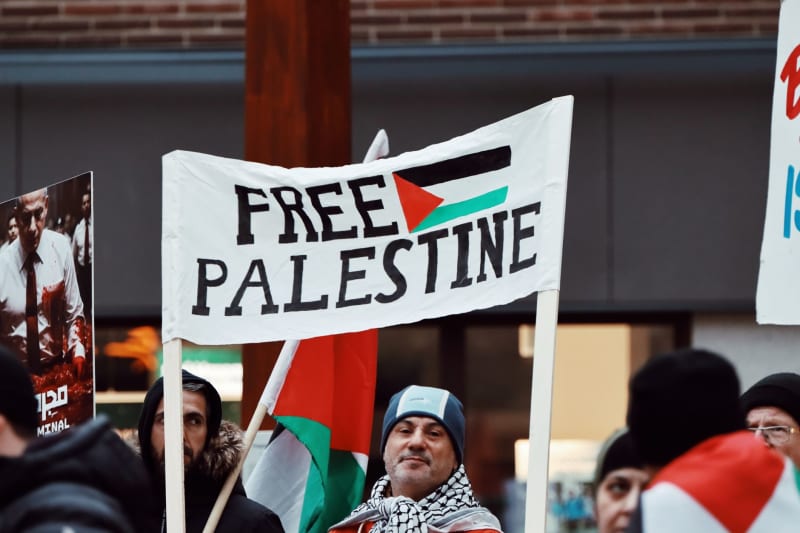
The current geopolitical climate, marked by ongoing military conflicts, humanitarian crises, and heightened international tensions across multiple continents, presents an unprecedented challenge to this long-held ideal. The war in Ukraine, the conflict in Gaza, and other regional instabilities have ignited fierce debates about the ethics of athlete participation from certain nations, forcing sports bodies to confront difficult moral quandaries. These conflicts not only strain international relations but also deeply affect athletes, who often find themselves caught between their national identities and the Olympic spirit of universal camaraderie. The pressure on the IOC and LA28 is immense, as they attempt to navigate these treacherous waters without alienating key stakeholders or compromising the perceived integrity of the Games.
The concept of 'political neutrality' itself has become a subject of intense scrutiny. Critics argue that remaining silent on egregious human rights violations or acts of aggression is, in itself, a political statement, effectively condoning such actions. Proponents, however, contend that allowing political discourse to dominate the Games would undermine their fundamental purpose of fostering unity through sport, potentially leading to fragmentation and the erosion of the Olympic movement. This philosophical divide makes crafting a universally acceptable policy incredibly difficult, requiring a delicate balance between upholding ethical principles and preserving the Games' unifying mission. The decisions made for LA28 will undoubtedly set precedents for future Olympic events, shaping the very definition of neutrality in global sports.
Why It Matters
The successful execution of the LA28 Games hinges significantly on maintaining a semblance of political neutrality, as any major disruption or widespread boycott could severely tarnish the Olympic brand and undermine its global appeal. The Games are not merely a sporting event; they are a colossal undertaking involving billions of dollars in investment, intricate logistical planning, and the hopes of thousands of athletes and millions of fans worldwide. If the event becomes a battleground for political ideologies rather than a celebration of athletic achievement, it risks losing its core essence and alienating the very audience it seeks to unite. The integrity of the Olympic movement, which has weathered numerous storms over the decades, is now facing one of its most profound tests, with the potential for long-term damage to its reputation and financial viability.
Beyond the immediate spectacle, the LA28 Games carry immense symbolic weight for the United States as a host nation, representing an opportunity to showcase its capacity for global leadership, cultural diversity, and organizational excellence. A politically charged or fractured Games could inadvertently project an image of disunity and vulnerability, potentially impacting international relations and soft power initiatives. Furthermore, the economic impact on Los Angeles and California, from tourism to infrastructure development, is substantial. Sustained political controversy could deter visitors, diminish media interest, and ultimately reduce the projected economic benefits, transforming a potential triumph into a significant liability for the host city.
Perhaps most critically, the future of athlete participation and the very spirit of the Olympic movement are at stake. Athletes train their entire lives for this pinnacle event, and their dreams should not be overshadowed by geopolitical machinations beyond their control. If the Games become consistently politicized, it could disincentivize future generations from pursuing Olympic ambitions, erode the trust between athletes and governing bodies, and ultimately diminish the quality and universality of the competition. The decisions made regarding LA28's approach to neutrality will define whether the Olympics can continue to serve as a unifying force or if they will succumb to the divisive pressures of an increasingly fragmented world, fundamentally altering their role in global society.
Timeline of Events
- September 2017: Los Angeles is officially awarded the rights to host the 2028 Summer Olympic and Paralympic Games, sparking initial discussions about the city's vision for a modern, inclusive, and politically neutral event.
- February 2022: Russia's full-scale invasion of Ukraine prompts the IOC to recommend that international sports federations ban Russian and Belarusian athletes from competitions, setting a precedent for political intervention in sports.
- March 2023: The IOC releases initial guidelines for the potential return of individual neutral athletes from Russia and Belarus, sparking widespread debate and criticism from various national Olympic committees and governments.
- October 2023: Escalation of conflict in the Middle East further complicates the geopolitical landscape, intensifying calls for the IOC and LA28 to take stronger stances on international conflicts and human rights issues.
- December 2023: LA28 organizers publicly reaffirm their commitment to 'political neutrality' for the Games, while acknowledging the growing challenges posed by global events and the need for adaptive strategies.
- January 2024: Discussions intensify among athlete groups and National Olympic Committees regarding the fairness and feasibility of neutral athlete participation, highlighting the deep divisions within the global sports community.
- April 2024: Security experts begin to publicly voice concerns about the increased risk of protests and politically motivated disruptions at the LA28 Games, prompting a review of existing security protocols and contingency plans.
- Ongoing: Regular high-level meetings between LA28, the IOC, and various governmental and sporting bodies continue, aiming to develop comprehensive policies that address athlete eligibility, security, and the preservation of the Olympic spirit amidst political pressures.
Rapid-Fire Q&A
What Is Coming
- Expect the IOC to issue more refined and detailed guidelines regarding the participation of 'neutral athletes' from conflicted regions, likely including stricter vetting processes and clear stipulations on their conduct during the Games.
- Increased diplomatic efforts will be undertaken by both LA28 and the IOC to engage with national governments and international bodies, aiming to secure commitments against boycotts and to foster a more cooperative environment.
- Security plans for LA28 will undergo further significant enhancements, incorporating advanced intelligence gathering and rapid response protocols to address potential politically motivated disruptions, both physical and cyber.
- Public relations campaigns will intensify, focusing on the unifying power of sport and the core values of the Olympic movement, in an effort to counteract negative narratives and garner broad public support.
- Ongoing debates within athlete communities and sports federations concerning freedom of expression versus Olympic neutrality will likely lead to further policy discussions and potentially minor adjustments to Rule 50 guidelines.
- Monitoring of global geopolitical developments will remain a top priority for LA28 and the IOC, with contingency plans continuously updated to respond swiftly to any new conflicts or shifts in international relations that could impact the Games.



Comments
No comments yet. Be the first to comment!