
The Numbers
- Will Smith's 2023 season statistics before injury included a robust .290 batting average, 10 home runs, and 38 RBIs, showcasing his pivotal offensive contributions to the Dodgers' lineup.
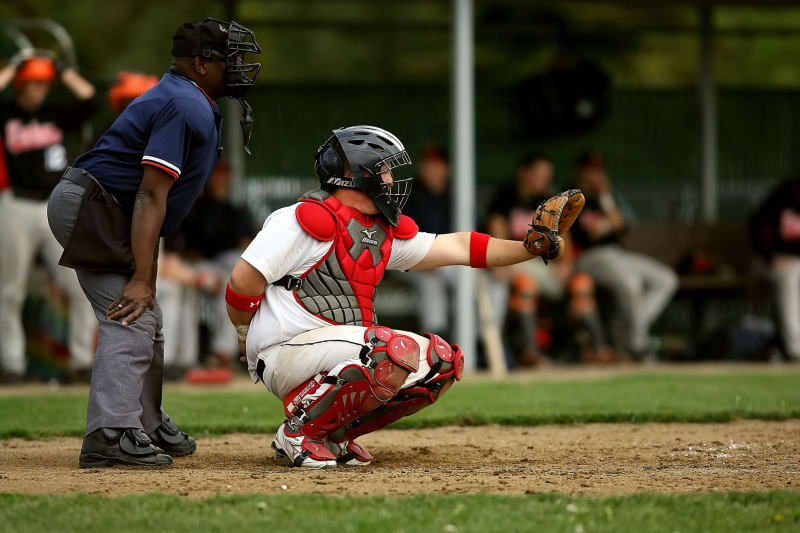
- The Dodgers' current catching depth chart, without Smith, features Austin Barnes and prospect Diego Cartaya, whose combined offensive output and defensive consistency fall significantly short of Smith's established performance.
- Over the past three seasons, Smith has consistently ranked among the top five catchers in MLB for WAR (Wins Above Replacement), underscoring his irreplaceable value to the team's overall success and playoff contention.
- Since Smith's injury, the Dodgers' team batting average with catchers has plummeted by nearly 40 points, directly impacting their ability to generate runs in critical situations and maintain offensive pressure.
- The team's ERA with backup catchers has seen a noticeable uptick, indicating potential defensive and game-calling deficiencies that are now exposed in Smith's absence, affecting pitching performance.
- Acquiring a top-tier catcher via trade could cost the Dodgers at least two top-10 prospects, a significant investment but one deemed necessary to secure their postseason aspirations and fill this critical void.
Context Check
The Los Angeles Dodgers, a perennial National League powerhouse, find themselves in an unexpected and precarious position following the indefinite sidelining of their star catcher, Will Smith. Smith isn't just a solid defensive backstop; he's a consistent offensive force, a linchpin in the middle of their batting order, and a crucial component in managing their elite pitching staff. His absence creates a gaping void that cannot be adequately filled by internal options if the team harbors serious World Series aspirations. The Dodgers' strategic approach to roster construction has always emphasized depth and talent, but this particular injury strikes at the heart of their competitive balance, demanding an immediate and decisive response from the front office.
Historically, the Dodgers have shown a willingness to make bold, impactful trades to address roster deficiencies, especially when a championship window is wide open. This moment feels eerily similar to past situations where a key injury or performance dip prompted aggressive action. The team's current position atop the division, while comfortable, masks a growing vulnerability behind the plate that could be exploited by playoff-bound opponents. Relying solely on Austin Barnes, a capable but offensively limited veteran, and unproven prospects like Diego Cartaya, places an undue burden on the rest of the lineup and pitching staff, potentially jeopardizing their hard-earned lead and postseason seeding.
The urgency of this situation is amplified by the competitive landscape of Major League Baseball. Other contending teams are actively fortifying their rosters, and the trade deadline is rapidly approaching. Waiting too long could mean missing out on the best available talent or being forced to overpay for lesser options. The Dodgers' front office, renowned for its analytical prowess and strategic foresight, must now pivot quickly to identify and acquire a catcher who can not only replicate some of Smith's offensive production but also provide the defensive stability and leadership required to navigate the rigors of a deep playoff run. This isn't just about winning games now; it's about preserving their championship legacy.
Background
Will Smith's ascent to one of baseball's premier catchers has been a cornerstone of the Dodgers' recent success. Drafted in the first round in 2016, Smith quickly developed into a two-way threat, combining elite defensive skills with a powerful bat. His ability to call games, frame pitches, and throw out baserunners has been invaluable to the Dodgers' pitching staff, which consistently ranks among the best in the league. Offensively, Smith has consistently posted an OPS north of .800, providing crucial power and on-base ability from a position not typically known for offensive production. His consistent presence has allowed the Dodgers to maintain a balanced lineup, capable of scoring runs from top to bottom.
The indefinite nature of Smith's injury, described as a significant oblique strain, casts a long shadow over the remainder of the season. Oblique injuries are notoriously tricky for hitters, often requiring extensive recovery periods to ensure full strength and prevent re-aggravation. While the Dodgers have not put a definitive timeline on his return, the phrase "indefinitely out" suggests a prolonged absence, potentially extending into the playoffs. This uncertainty is precisely what necessitates immediate external action. The team cannot afford to wait and hope for a speedy recovery, especially given the high stakes of their current season and the expectations placed upon this star-studded roster.
Prior to this setback, the Dodgers' catching situation was considered a strength, with Smith anchoring the position and Austin Barnes providing a reliable, albeit less potent, backup. The organization's highly-touted prospect, Diego Cartaya, is still developing in the minor leagues and is not yet considered ready to shoulder the demands of a full-time big-league role, particularly for a contending team. This sudden shift from a position of strength to one of critical vulnerability underscores the profound impact of Smith's injury. The Dodgers now face a stark reality: their championship window is wide open, but without a competent and durable catcher, that window could slam shut prematurely.
Winners and Losers
The most immediate and significant 'loser' in this scenario is undoubtedly the Los Angeles Dodgers themselves. Their World Series aspirations, which were already high, have taken a substantial hit. Losing a player of Will Smith's caliber, particularly at a premium position like catcher, creates a ripple effect that impacts pitching, offense, and overall team morale. The pressure now intensifies on the front office to make a decisive move, and on the remaining players to elevate their performance to compensate for the void. Failure to acquire a suitable replacement could lead to a disappointing postseason exit, despite the team's otherwise formidable roster.
On the 'winner' side, other contending teams in the National League might view this as an opportunity. Rivals like the San Diego Padres, Arizona Diamondbacks, and even potential playoff opponents now see a chink in the Dodgers' armor. A weakened catching corps could translate to less effective pitching, more stolen bases, and a less potent bottom of the lineup. This situation could also benefit teams with surplus catching talent, as the Dodgers' desperation might drive up the asking price for available players, allowing selling teams to extract a higher return in prospects or young talent.
Within the Dodgers organization, Austin Barnes and Diego Cartaya are thrust into uncomfortable spotlights. Barnes, as the primary backup, now faces immense pressure to perform consistently, both offensively and defensively, a role he is not typically expected to fill for an extended period. Cartaya, while a promising prospect, might be rushed into a situation he's not fully prepared for, potentially hindering his long-term development if he struggles at the big-league level too soon. Conversely, if either player rises to the occasion, they could emerge as unexpected heroes, but the odds are stacked against them replicating Smith's comprehensive impact. The stakes are incredibly high for everyone involved.
Analyst Perspectives
Baseball analysts across the league are largely in agreement: the Dodgers must trade for a catcher, and they must do so quickly. ESPN's Jeff Passan highlighted the critical nature of Smith's injury, stating, "This isn't just about a bat; it's about the entire defensive alignment and the rhythm of the pitching staff. The Dodgers' championship window is now, and they cannot afford to punt on this position." He emphasized that internal options, while possessing some upside, do not provide the immediate, high-level impact required for a team with World Series aspirations. The consensus is that relying on current depth would be a gamble too great to take.
Ken Rosenthal of The Athletic echoed similar sentiments, suggesting that the Dodgers' historical willingness to make blockbuster trades positions them well to address this crisis. "The Dodgers have the prospect capital and the financial flexibility to make a significant move," Rosenthal noted. "They've never shied away from acquiring impact talent when it's needed most. The question isn't if they'll trade, but who they'll target and how much they're willing to give up." He speculated on several potential trade targets, including Elias Díaz from the Colorado Rockies and Salvador Perez from the Kansas City Royals, emphasizing the need for a catcher who can contribute immediately on both sides of the ball.
Fangraphs' lead prospect analyst, Kiley McDaniel, offered a more cautious perspective on the prospect cost. While acknowledging the Dodgers' need, he warned against overpaying for a rental catcher, especially if Smith's return timeline is shorter than initially feared. "The Dodgers have a deep farm system, but they need to be strategic," McDaniel advised. "Giving up two top-tier prospects for a two-month rental, even an elite one, could set back their long-term plans. They need to find a balance between immediate need and future sustainability, perhaps targeting a catcher with an extra year of control." This nuanced view suggests that while a trade is necessary, the terms of the deal will be crucial for the organization's sustained success.
Key Questions Explained
The Outlook
The path forward for the Los Angeles Dodgers is clear, albeit challenging: they must aggressively pursue a trade for a capable catcher. The indefinite loss of Will Smith is not merely an inconvenience; it is a critical blow that threatens to derail a season brimming with championship potential. The front office, led by President of Baseball Operations Andrew Friedman, has a proven track record of making bold, impactful moves when the stakes are highest. This moment demands nothing less than that same decisive action. The Dodgers have the prospect capital and the financial flexibility to acquire a significant upgrade, and anything short of that would be a dereliction of their championship-focused duty.
The trade market for catchers is often thin, but the Dodgers' desperation, combined with their deep farm system, positions them uniquely to make a deal. They will need to identify a catcher who can provide immediate offensive production, strong defensive capabilities, and the leadership necessary to guide a pitching staff through the pressures of a playoff race. Whether that means acquiring a rental for the remainder of the season or a player with additional years of control, the priority must be to plug this critical hole with a proven commodity. The time for deliberation is over; the time for action is now.
Ultimately, the success or failure of the Dodgers' 2023 season may hinge on how effectively they navigate this unforeseen crisis. Their ability to adapt and overcome this significant injury will be a true test of their organizational strength and championship mettle. If they secure a high-impact catcher, their World Series hopes remain very much alive. If they falter or hesitate, they risk squandering a golden opportunity, leaving fans and analysts to wonder what might have been. The next few weeks will define the trajectory of their season, making every decision from the front office absolutely critical.








Comments
No comments yet. Be the first to comment!