

Policy Snapshot
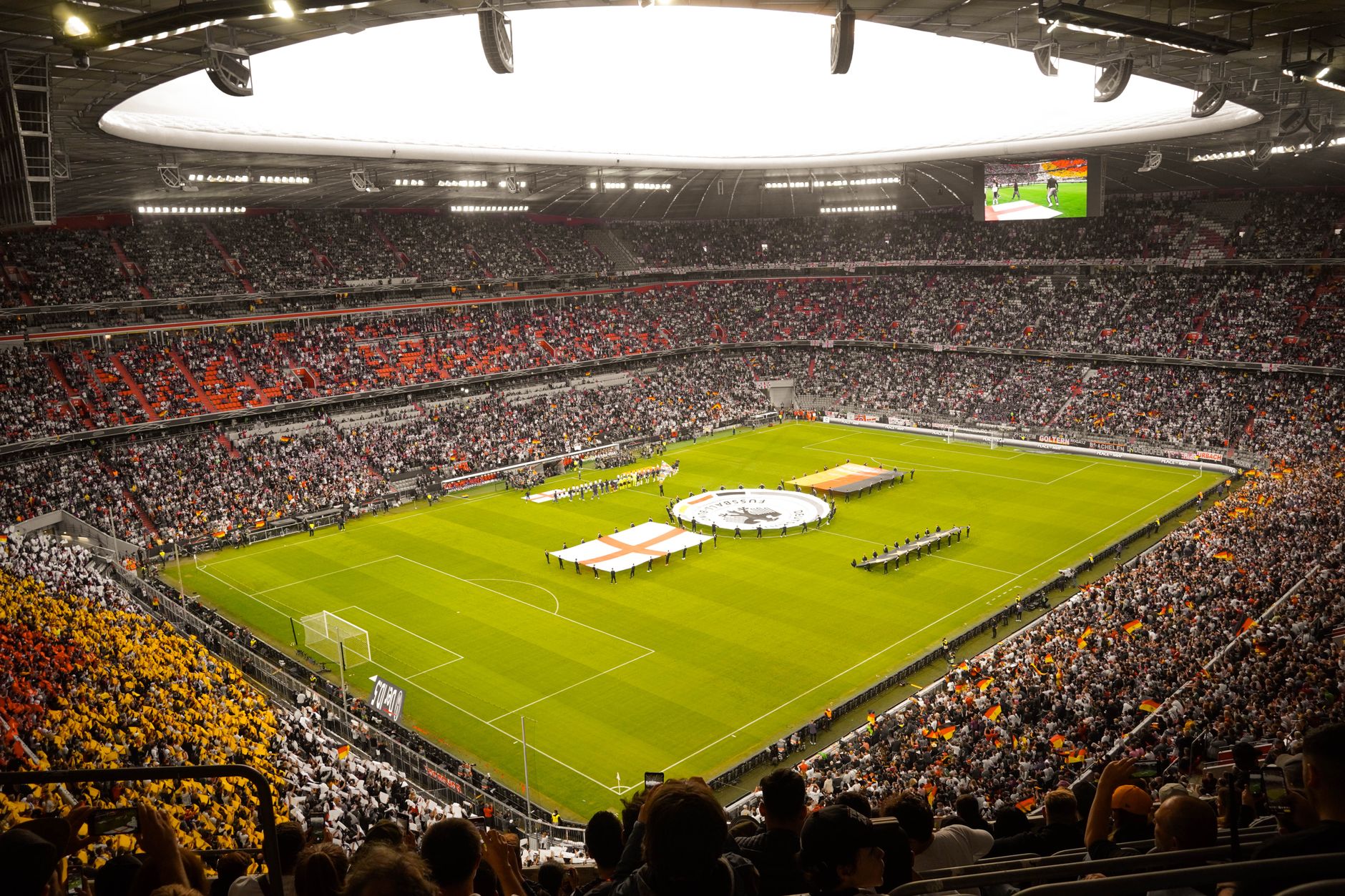
- FIFA's strategy for the 2026 World Cup closing ceremony emphasizes global appeal, aiming to blend top-tier athletic celebration with a universally recognized musical performance.
- The selection of Post Malone as the headline act underscores a deliberate pivot towards artists with massive cross-genre and international fanbases, ensuring maximum viewership and engagement.
- This decision reflects a broader policy to elevate the cultural impact of the World Cup, transforming it from a mere sporting event into a comprehensive global entertainment spectacle.
- Security protocols and logistical planning for such a high-profile event are being meticulously coordinated between FIFA, host cities, and artist management to ensure a flawless execution.
- FIFA is also exploring innovative broadcast technologies and digital engagement strategies to bring the closing ceremony experience to an even wider, digitally-native audience.
- The financial implications of securing a global superstar like Post Malone are substantial, reflecting FIFA's commitment to investing in premium entertainment to enhance the World Cup brand.
- Sustainability and community engagement initiatives are also being integrated into the planning, aiming to leave a positive legacy beyond the immediate event.
The Policy History
The tradition of featuring prominent musical acts at FIFA World Cup ceremonies has evolved significantly over the decades, transitioning from local cultural showcases to grand international spectacles. Initially, ceremonies often highlighted the host nation's heritage and artistic talent, providing a unique glimpse into the local culture. However, as the World Cup's global reach expanded, so did the ambition for its opening and closing events. The shift towards incorporating globally recognized artists began to solidify in the late 20th and early 21st centuries, driven by the desire to maximize viewership and appeal to a diverse, international audience. This strategic pivot aimed to create moments that transcended sport, becoming cultural touchstones in their own right.
In recent World Cups, the selection process for headline performers has become increasingly sophisticated, involving extensive market research, artist availability, and alignment with FIFA's brand image. The goal is to secure artists who not only command massive fan bases but also embody a spirit of global unity and celebration, resonating with the tournament's core values. This careful curation ensures that the musical acts complement the athletic achievements, adding another layer of excitement and prestige to the event. The 2010 World Cup in South Africa, featuring Shakira's iconic 'Waka Waka,' served as a powerful testament to the unifying power of music at such a global gathering, setting a new benchmark for future ceremonies.
The decision to bring in Post Malone for the 2026 closing ceremony represents the culmination of this evolving policy. His unique blend of genres, massive global appeal, and ability to connect with a wide demographic make him an ideal choice for an event of this magnitude. This move is not merely about entertainment; it's a strategic decision to amplify the World Cup's cultural footprint, ensuring that the final moments of the tournament are as memorable and impactful as the matches themselves. By investing in such a high-caliber artist, FIFA reinforces its commitment to delivering an unparalleled experience that captivates audiences worldwide, solidifying the World Cup's status as the ultimate global spectacle.
Who Is Affected
The announcement of Post Malone headlining the FIFA World Cup 2026 closing ceremony will have a profound impact on a multitude of stakeholders, starting with the hundreds of millions of football fans globally. For those attending the event in person, it promises an unforgettable, once-in-a-lifetime experience, blending the thrill of the final match with a world-class musical performance. For the vast majority watching from home, it elevates the closing ceremony from a mere formality to a must-see television event, potentially drawing in viewers who might not typically tune in for the post-match festivities. This broad appeal ensures that the World Cup's grand finale transcends traditional sports viewership, reaching into mainstream entertainment circles.
Beyond the immediate audience, the entertainment industry as a whole stands to benefit from this high-profile collaboration. For Post Malone and his team, it's an unparalleled platform, showcasing his artistry to an astronomical global audience and further cementing his status as a cultural icon. This exposure can lead to increased album sales, streaming numbers, and future tour opportunities. For other artists and music professionals, it sets a new precedent for the scale and ambition of live event performances, potentially opening doors for similar collaborations in the future. The event also creates significant opportunities for production crews, technical staff, and event organizers, boosting employment and expertise within the live entertainment sector.
Furthermore, the host cities and nations of the 2026 World Cup will experience a significant boost in tourism and global visibility. The allure of a major musical act alongside the football final can attract a more diverse demographic of visitors, extending the economic benefits beyond sports tourism. Local businesses, from hospitality to retail, will see increased demand, contributing to economic growth. The enhanced media coverage surrounding such a star-studded event also provides an invaluable opportunity for host nations to showcase their culture, infrastructure, and readiness to a worldwide audience, leaving a lasting positive impression long after the final whistle blows and the last note fades.
The Case For
The decision to feature a global music sensation like Post Malone at the FIFA World Cup 2026 closing ceremony is a masterstroke in enhancing the tournament's overall appeal and cultural significance. His immense popularity and genre-bending style resonate with a vast, diverse audience, ensuring that the closing ceremony becomes a truly global spectacle. This isn't just about football; it's about creating a cultural moment that transcends sport, drawing in viewers who might not typically be avid football fans but are drawn by the promise of world-class entertainment. The fusion of sport and music at this scale elevates the entire event, making it an unforgettable experience for billions worldwide.
From a marketing and branding perspective, securing an artist of Post Malone's caliber provides unparalleled promotional value. His involvement generates significant buzz across social media, entertainment news outlets, and music publications, extending the World Cup's reach far beyond traditional sports media. This cross-promotional synergy introduces the tournament to new demographics, particularly younger audiences who are highly engaged with contemporary music. It positions the FIFA World Cup not just as the pinnacle of football, but as a premier global entertainment event, capable of attracting the biggest names in various fields and delivering a comprehensive, high-quality experience.
Moreover, the inclusion of a major musical act adds an essential layer of celebration and grandeur to the closing ceremony. After weeks of intense competition, drama, and athletic prowess, the final moments of the World Cup should be a joyous and memorable occasion. Post Malone's energetic performances and chart-topping hits are perfectly suited to create an atmosphere of exhilaration and unity, providing a fitting crescendo to the tournament. It transforms the ceremony from a mere medal presentation into a vibrant, emotional farewell, leaving fans with a lasting impression of excitement and global camaraderie, solidifying the World Cup's legacy as an event that truly brings the world together.
The Case Against
While the excitement surrounding Post Malone's headline performance is palpable, some critics argue that such a high-profile musical act might overshadow the core essence of the FIFA World Cup: the sport itself. The closing ceremony, traditionally, is a moment to celebrate the athletic achievements, the winning team, and the spirit of competition that defined the tournament. Introducing a massive musical spectacle, while entertaining, could potentially divert attention from the players and their monumental efforts, shifting the focus from football to celebrity entertainment. This could be seen as diluting the purity of the sporting event, transforming it into more of a pop culture phenomenon than a celebration of athletic excellence.
Another significant concern revolves around the substantial financial investment required to secure a global superstar like Post Malone. Critics might question whether these funds could be better allocated towards grassroots football development, improving infrastructure in host nations, or supporting smaller football associations. While the entertainment value is undeniable, the cost-benefit analysis for such an expenditure needs careful scrutiny. There's a risk that the financial outlay for a celebrity performance could be perceived as excessive, especially when resources could be directed towards initiatives that have a more direct and lasting impact on the sport itself and the communities it serves.
Furthermore, the selection of a specific artist, no matter how popular, inevitably caters to a particular demographic, potentially alienating other segments of the global audience. While Post Malone has broad appeal, his musical style may not resonate with everyone, especially those who prefer different genres or more traditional cultural performances. This could lead to a perception that the ceremony is not truly representative of the diverse global football community. There's a delicate balance between universal appeal and maintaining cultural authenticity, and some might argue that a singular, Western-centric musical act, however popular, might not fully capture the rich tapestry of cultures that the World Cup represents. The focus on a single headliner risks overlooking opportunities to showcase diverse global talents.
Policy Questions Answered
Implementation Watch
As the FIFA World Cup 2026 draws closer, the intricate planning for the closing ceremony, headlined by Post Malone, is already in full swing. The implementation phase involves a vast network of stakeholders, from FIFA's event management teams to the artist's production crew, local government agencies, and broadcasting partners. Key areas of focus include stage design and construction, which must be capable of supporting a world-class musical performance while seamlessly integrating with the post-match celebrations. Technical rehearsals, sound checks, and lighting tests will be crucial to ensure a flawless live broadcast to billions worldwide, demanding meticulous coordination and precision from all involved parties.
Logistical challenges are paramount for an event of this magnitude. This includes managing the movement of hundreds of personnel, thousands of pieces of equipment, and ensuring robust security measures are in place for both the artist and the massive crowd. Transportation, accommodation, and credentialing for all staff and performers will require extensive pre-planning. Furthermore, integrating the musical performance with the official FIFA protocols, such as the trophy presentation and medal ceremonies, demands careful choreography to maintain the solemnity and prestige of the sporting achievement while delivering an electrifying entertainment experience. The seamless transition between these segments will be a critical measure of success.
Beyond the immediate event, FIFA and its partners will be closely monitoring the public and media reaction to the ceremony. Post-event analysis will assess viewership figures, social media engagement, and overall sentiment to gauge the success of this strategic decision. The aim is not just to deliver a memorable show, but to set a new benchmark for future World Cup ceremonies, solidifying the tournament's status as a global entertainment powerhouse. This ongoing evaluation will inform future decisions regarding artist selection, production scale, and the overall blend of sport and spectacle, ensuring that the FIFA World Cup continues to evolve and captivate audiences worldwide for generations to come.














Comments
No comments yet. Be the first to comment!