
What We Know
- Coca-Cola has officially confirmed the complete suspension of all its US dairy production operations, a direct consequence of a debilitating ransomware attack that infiltrated their critical systems.
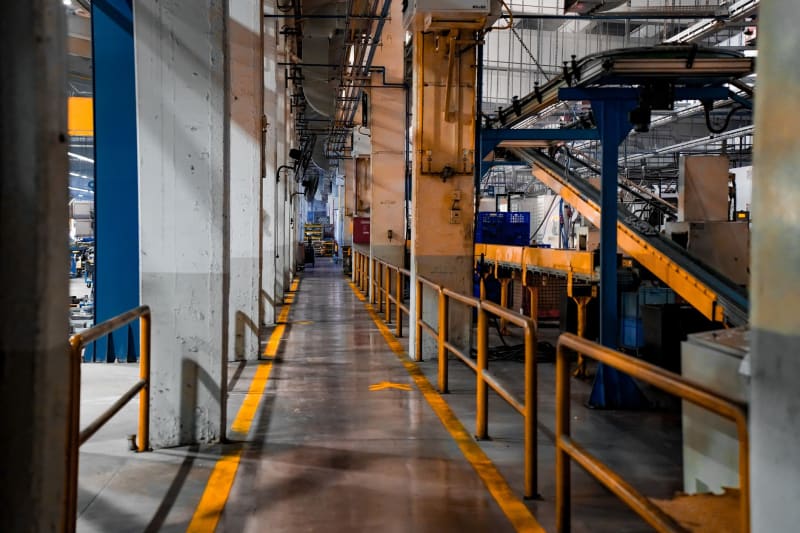
- The cyberattack specifically targeted and compromised the operational technology (OT) systems responsible for managing and controlling dairy processing facilities across the United States, rendering them inoperable.
- Initial reports indicate that the attack vector involved sophisticated phishing techniques, leading to the deployment of a highly persistent strain of ransomware that encrypted vital production data and control mechanisms.
- Coca-Cola's IT and cybersecurity teams are currently engaged in an intensive, round-the-clock effort to isolate the compromised systems, eradicate the malware, and initiate a comprehensive recovery process.
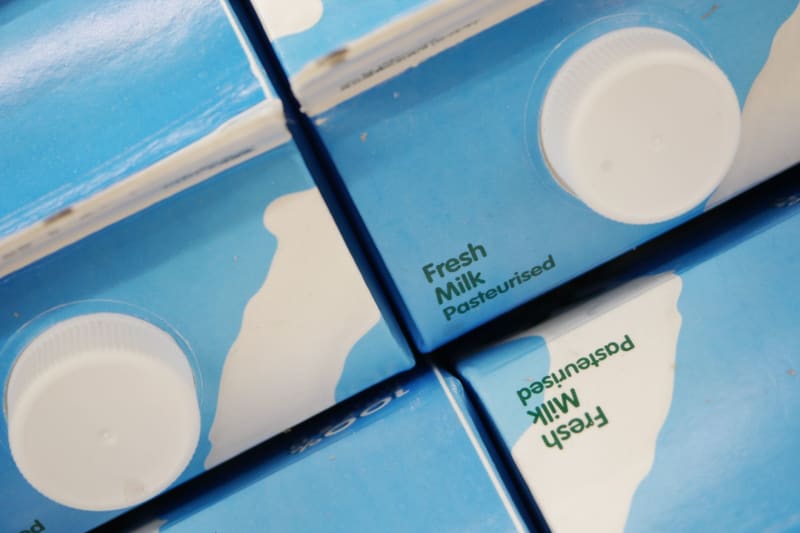
- While production is halted, Coca-Cola has assured the public that existing inventory of dairy products is still available in retail channels, though replenishment rates will be severely impacted in the coming days and weeks.
- Federal law enforcement agencies, including the FBI and CISA, have been notified and are actively assisting Coca-Cola in their investigation, treating the incident as a matter of national economic security given the scale of disruption.
What We Do Not Know Yet
- The precise identity of the threat actor group responsible for orchestrating this sophisticated ransomware attack remains officially unconfirmed, although several state-sponsored and financially motivated groups are under scrutiny.
- It is currently unclear whether Coca-Cola has engaged in any form of negotiation with the attackers or if a ransom demand has been made, let alone whether the company is considering payment to restore operations.
- The full extent of data exfiltration, if any, beyond the encryption of operational files, has not yet been determined, leaving questions about potential breaches of sensitive corporate or customer information.
- A definitive timeline for the complete restoration of Coca-Cola's US dairy production capabilities has not been provided, creating uncertainty for supply chain partners and consumers alike.
- The total financial impact of this incident, encompassing lost revenue, recovery costs, and potential reputational damage, is still being assessed and is expected to be substantial.
- Whether this attack represents a targeted assault specifically on Coca-Cola's dairy division or if it was part of a broader, indiscriminate campaign against critical infrastructure targets is still an open question for investigators.
Background
The global food and beverage industry, a critical component of national infrastructure, has increasingly become a prime target for cybercriminals and state-sponsored actors. This trend is driven by several factors, including the industry's reliance on interconnected operational technology (OT) systems, often legacy infrastructure not originally designed with modern cybersecurity threats in mind, and the high-value nature of disrupting essential services. Recent years have seen a significant uptick in attacks on food processing plants, agricultural cooperatives, and distribution networks, highlighting a systemic vulnerability that many companies are still struggling to address effectively. The potential for widespread panic and economic disruption makes these sectors particularly attractive to those seeking to exert influence or extract significant ransoms.
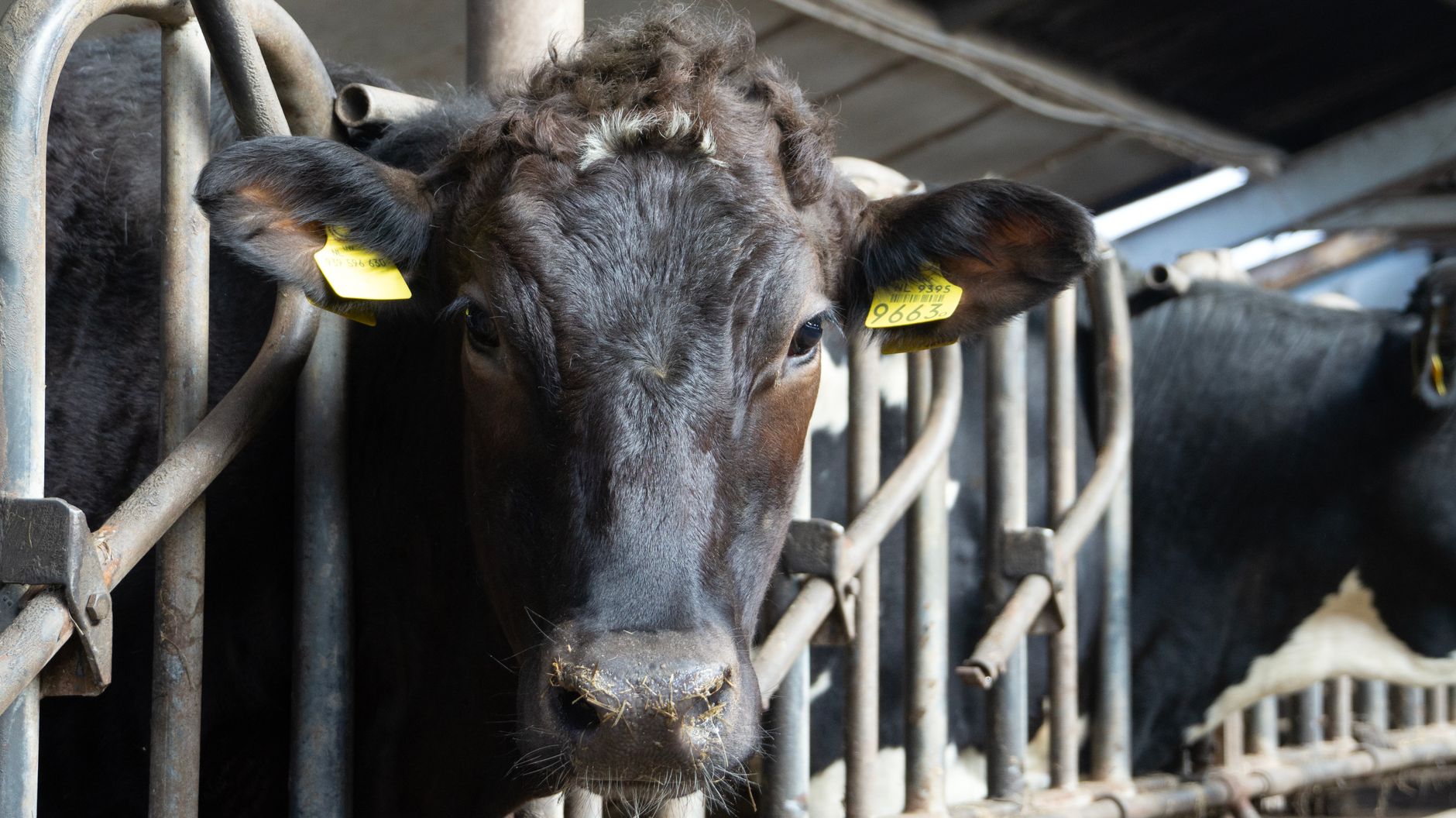
Coca-Cola, a multinational beverage giant, has a diverse portfolio that extends far beyond its iconic soft drinks. Its dairy division, which includes brands like Fairlife and Simply, represents a significant portion of its US market share, especially in the premium milk and dairy-alternative segments. These operations involve complex supply chains, from dairy farms to processing plants and distribution centers, all of which rely heavily on automated systems for efficiency and quality control. The interruption of such a large-scale, integrated operation underscores the intricate web of dependencies within modern industrial processes and how a single point of failure, particularly a cyber-induced one, can cascade through an entire production ecosystem.
Ransomware attacks have evolved from opportunistic, scattergun approaches to highly targeted, sophisticated campaigns often employing advanced persistent threat (APT) tactics. These modern attacks frequently involve extensive reconnaissance, lateral movement within networks, and the exfiltration of sensitive data before encryption, adding an extortion layer beyond just system lockout. Critical infrastructure sectors are particularly vulnerable because downtime is often intolerable, making organizations more likely to consider paying a ransom. This incident serves as a stark reminder that even well-resourced corporations like Coca-Cola are not immune to these evolving threats, necessitating a constant re-evaluation and hardening of cybersecurity postures across all operational layers.
Why It Matters
This incident is far more than just a corporate headache for Coca-Cola; it represents a critical stress test for the resilience of the US food supply chain. Dairy products are staples in American households, and a prolonged disruption from a major producer like Coca-Cola could lead to significant shortages, price hikes, and consumer anxiety. The ripple effects extend to dairy farmers who supply milk, logistics companies responsible for transport, and retailers who rely on consistent stock. This event vividly demonstrates how cyberattacks on seemingly isolated corporate systems can have tangible, widespread impacts on everyday life and national economic stability, underscoring the urgent need for robust cybersecurity measures across all critical sectors.
The attack on Coca-Cola's dairy operations sends a chilling message to other critical infrastructure providers: no industry is truly safe from sophisticated cyber threats. It highlights the increasing professionalization of ransomware groups, who are now capable of targeting and disrupting complex industrial control systems (ICS) and operational technology (OT) environments. This shift from purely IT-focused attacks to OT disruption means that the consequences move beyond data breaches to actual physical operational shutdowns, posing direct threats to public services, manufacturing capabilities, and even national security. This incident should serve as a wake-up call for every organization to reassess their cyber defenses, particularly those protecting their most vital operational assets.
Beyond the immediate supply chain concerns, this event has significant implications for cybersecurity policy and corporate governance. It will undoubtedly intensify calls for stricter regulations, mandatory reporting requirements, and increased government support for cybersecurity initiatives within the private sector. Companies will face heightened pressure from investors, regulators, and the public to demonstrate robust cyber resilience and incident response plans. The reputational damage and potential financial penalties associated with such breaches are growing, making cybersecurity not just an IT department concern, but a core strategic imperative for executive leadership and boardrooms across the globe. Failure to adapt will lead to further vulnerabilities and potentially catastrophic outcomes.
Timeline of Events
- Early morning, [Date]: Initial signs of unusual network activity detected within specific segments of Coca-Cola's US dairy operational technology (OT) network, triggering automated alerts.
- Mid-morning, [Date]: IT security teams observe rapid encryption of files across multiple dairy production facilities, confirming a widespread ransomware infection and initiating emergency protocols.
- Afternoon, [Date]: Coca-Cola's executive leadership is briefed on the severity of the incident, leading to the immediate decision to suspend all US dairy production to prevent further compromise and assess damage.
- Evening, [Date]: Federal authorities, including the FBI and CISA, are formally notified, and external cybersecurity forensics experts are brought in to assist with the investigation and recovery efforts.
- Next day, [Date]: Coca-Cola issues a public statement acknowledging the cyberattack and the suspension of dairy operations, emphasizing efforts to mitigate impact and restore services.
- Ongoing, [Date onwards]: Intensive forensic analysis, system isolation, malware eradication, and data restoration efforts continue across all affected facilities, with no clear timeline for full operational recovery yet established.
Rapid-Fire Q&A
What Is Coming
- Expect heightened scrutiny from government regulators and cybersecurity agencies on the food and beverage sector's resilience against cyber threats, potentially leading to new compliance mandates and industry-specific security standards.
- Coca-Cola will likely release further updates regarding the recovery progress, the estimated timeline for resuming dairy production, and potentially the financial impact of the incident in its upcoming earnings reports.
- Other major food producers and critical infrastructure operators are expected to conduct urgent, comprehensive reviews of their own operational technology (OT) cybersecurity defenses in light of this high-profile attack.
- The incident may spur a broader public debate and policy discussions around the role of government in protecting private sector critical infrastructure from cyberattacks and potential subsidies for cybersecurity enhancements.
- Consumers should prepare for potential intermittent shortages of Coca-Cola's dairy brands and possibly other dairy products as the market adjusts to the temporary disruption in a significant supply source.
- Legal and insurance implications will unfold, including potential lawsuits from affected partners or shareholders, and complex claims processing related to cyber insurance policies, setting precedents for future incidents.
- Cybersecurity firms specializing in industrial control systems (ICS) and OT security will likely see increased demand for their services, as companies rush to bolster their defenses against similar sophisticated attacks.












Comments
No comments yet. Be the first to comment!