

At a Glance
- The Centers for Disease Control and Prevention (CDC) has issued a Level 1 Travel Health Notice for Costa Rica, indicating a current chikungunya outbreak requiring standard precautions.
- Travelers heading to Costa Rica are strongly advised to take proactive measures to prevent mosquito bites, as these insects are the primary vectors for chikungunya virus transmission.
- Chikungunya symptoms typically include fever, severe joint pain, muscle pain, headache, and rash, often appearing 3-7 days after an infected mosquito bite.
- While most people recover fully, joint pain can be debilitating and persist for months or even years, significantly impacting quality of life for some individuals.
- Specific populations, including older adults, individuals with underlying medical conditions, and newborns, face a higher risk of severe disease and complications from chikungunya.
- There is currently no specific vaccine or antiviral treatment available for chikungunya; treatment focuses on alleviating symptoms through pain relievers and rest.
The Record
The Centers for Disease Control and Prevention (CDC) has officially issued a Level 1 Travel Health Notice for Costa Rica, specifically addressing a significant outbreak of chikungunya. This advisory, while categorized as 'Watch Level 1 – Practice Usual Precautions,' underscores the necessity for all travelers to be acutely aware of the ongoing transmission risk and to implement standard, yet diligent, preventive measures against mosquito bites. The presence of such a notice from a leading global health authority highlights that the situation warrants attention, even if it doesn't yet call for altered travel plans, it certainly demands increased personal responsibility for health and safety.
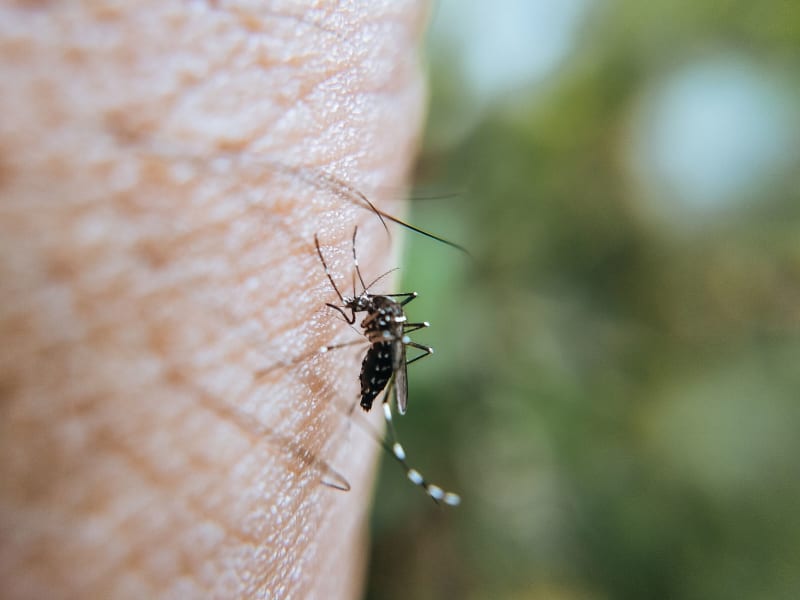
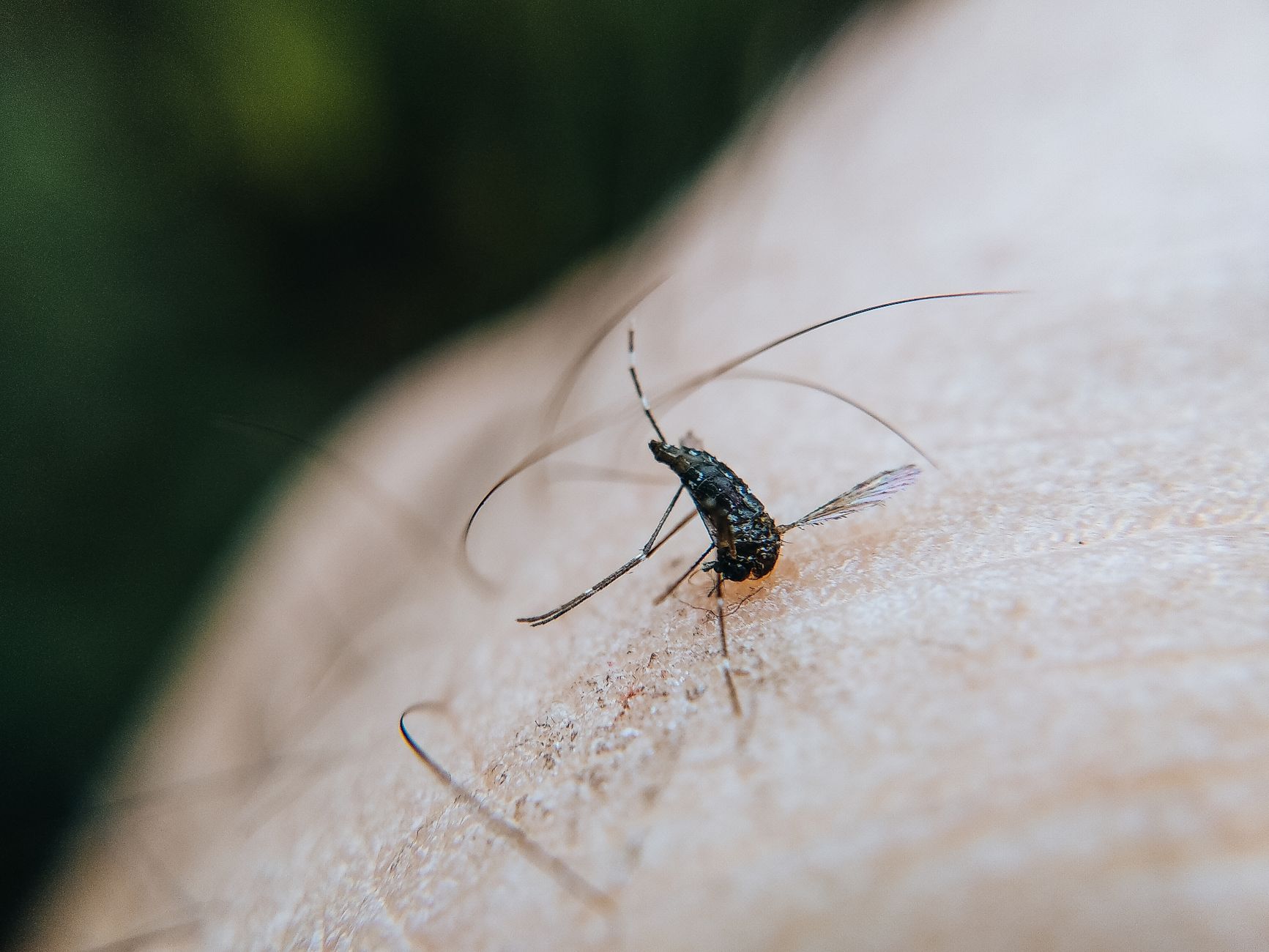
Chikungunya is a viral disease transmitted to humans through the bite of infected Aedes species mosquitoes, primarily Aedes aegypti and Aedes albopictus. These mosquitoes are aggressive daytime biters, making continuous protection throughout the day crucial for travelers. The disease is characterized by the sudden onset of fever and severe, often debilitating, joint pain. Other common symptoms include muscle pain, headache, nausea, fatigue, and rash. While fatalities are rare, the joint pain can be severe and persistent, sometimes lasting for months or even years, leading to chronic discomfort and reduced mobility, which can significantly impact a traveler's experience and long-term health.
The CDC's recommendation emphasizes personal protection as the cornerstone of prevention. This includes consistently using EPA-registered insect repellents, wearing long-sleeved shirts and long pants, and staying in accommodations that have screened windows and doors or utilize air conditioning. For travelers with pre-existing conditions, older adults, or those planning to travel with infants, these precautions become even more critical due to the increased risk of severe disease outcomes. Understanding the transmission vectors and symptoms is the first step in safeguarding one's health while enjoying the natural beauty and vibrant culture of Costa Rica.
Who Knew and When
The chikungunya virus first emerged in Tanzania in 1952, with its name deriving from a Makonde word meaning 'to become contorted,' aptly describing the stooped posture of sufferers due to severe joint pain. While known in Africa and Asia for decades, its global spread accelerated dramatically in the 21st century. The virus made its way to the Americas in 2013, with the first locally acquired cases reported in the Caribbean. Since then, it has systematically spread across Central and South America, establishing itself as an endemic threat in many regions, including parts of Costa Rica, where conditions are favorable for its mosquito vectors.
Costa Rican health authorities have been monitoring arbovirus activity, including dengue, Zika, and chikungunya, for several years. The Ministry of Health typically publishes epidemiological updates, which would have shown an uptick in chikungunya cases leading up to the CDC's current travel notice. These national surveillance systems are crucial for identifying emerging outbreaks and informing international health organizations like the CDC. The increase in reported cases likely triggered internal assessments and data sharing that ultimately led to the public health advisory, signaling a heightened level of transmission within the country's borders.
The CDC's issuance of a Level 1 Travel Health Notice is a standard procedure when an infectious disease outbreak reaches a certain threshold in a travel destination. It reflects a careful evaluation of epidemiological data, including case numbers, geographic spread, and the potential risk to international travelers. This particular notice indicates that while the risk is present, it does not yet warrant more restrictive advisories, such as avoiding non-essential travel. However, it serves as a critical early warning, empowering travelers to make informed decisions and take necessary precautions before and during their visit to Costa Rica, ensuring their health remains a priority amidst the ongoing outbreak.
Voices from the Ground
Local residents in affected areas of Costa Rica have expressed growing concerns about the chikungunya outbreak, particularly those whose livelihoods depend on tourism or outdoor activities. "It's worrying," states Maria Rodriguez, a small business owner in a coastal town. "We rely on tourists, but if they get sick, they won't come back. We need more resources for mosquito control, not just warnings." This sentiment highlights the dual challenge faced by communities: managing the health crisis while simultaneously protecting the economic stability that tourism provides. The impact extends beyond individual health to the very fabric of local economies, creating a ripple effect of anxiety and uncertainty.
Healthcare workers on the front lines are also feeling the strain. Dr. Carlos Vargas, an emergency room physician in San Jose, notes, "We've seen an increase in patients presenting with classic chikungunya symptoms. While most recover, the severe joint pain can be debilitating, and managing these cases adds pressure to an already stretched healthcare system. Education is key, both for locals and tourists, to understand prevention and when to seek medical attention." His observations underscore the direct impact on public health infrastructure and the critical role of awareness campaigns in mitigating the spread and severity of the disease.
Tourists who have recently visited Costa Rica and contracted chikungunya have shared their experiences, often emphasizing the unexpected severity of the illness. "I thought it was just a bad flu, but the joint pain was excruciating and lasted for weeks after I got home," recounts Sarah Chen, a traveler from the U.S. "I wish I had been more diligent with repellent." These firsthand accounts serve as powerful testimonials, reinforcing the CDC's warnings and illustrating the real-world consequences of underestimating the risk. Their stories highlight the importance of taking every precaution seriously, transforming abstract health notices into tangible, personal warnings for future travelers.
The Debate
The debate surrounding chikungunya outbreaks in popular tourist destinations like Costa Rica often centers on the balance between public health warnings and economic impact. Some argue that strong, unequivocal warnings, even if they deter some travelers, are essential for protecting public health and preventing the spread of the virus globally. They contend that transparent communication about health risks is a fundamental responsibility of health organizations and governments, ensuring individuals can make fully informed decisions about their travel plans. Prioritizing health over potential short-term economic losses is seen as a long-term investment in a destination's reputation and safety.
Conversely, tourism industry stakeholders and some government officials might express concerns that overly alarmist advisories could severely damage the local economy, leading to job losses and reduced revenue. They often advocate for messaging that emphasizes precautions rather than outright deterrence, focusing on the low fatality rate and the ability to mitigate risks with simple measures. The argument is that a nuanced approach, which educates without instilling undue fear, allows for continued tourism while still promoting health safety. Finding this delicate balance is a constant challenge for countries heavily reliant on international visitors.
Another facet of the debate involves the effectiveness and equity of mosquito control programs. Critics often point to inadequate funding or inconsistent implementation of vector control measures, particularly in poorer communities or remote areas, as a significant contributing factor to persistent outbreaks. There's a call for more robust, sustained, and community-engaged efforts to reduce mosquito populations, rather than solely relying on individual traveler precautions. This perspective emphasizes that the responsibility for public health extends beyond individual actions to systemic interventions, requiring greater investment and political will to address the root causes of disease transmission.

Your Questions Answered
What Accountability Looks Like
Accountability in managing a public health crisis like the chikungunya outbreak in Costa Rica begins with transparent and timely communication from national health authorities. This means consistently updating the public, both residents and international visitors, on case numbers, affected regions, and effective prevention strategies. The Costa Rican Ministry of Health has a responsibility to maintain robust epidemiological surveillance systems, ensuring that data is collected accurately and shared promptly with international bodies like the Pan American Health Organization (PAHO) and the CDC, enabling them to issue appropriate advisories and support. Failure to do so can lead to delayed responses and increased public health risks.
Furthermore, accountability extends to the implementation and funding of effective vector control programs. This includes regular mosquito surveillance, larvicide application in breeding sites, and public awareness campaigns to encourage community participation in eliminating standing water. Local municipalities play a crucial role here, as they are often on the front lines of public health initiatives. Inadequate resource allocation or inconsistent enforcement of public health mandates can directly contribute to the persistence and expansion of outbreaks, demonstrating a clear lapse in governmental responsibility towards its citizens and visitors.
For the tourism sector, accountability involves actively educating guests about health risks and providing safe environments. Hotels, tour operators, and other tourism-related businesses should ensure their premises are mosquito-proofed, offer insect repellent, and clearly display health advisories. While individual travelers bear responsibility for their own precautions, the industry has a role in facilitating these efforts and ensuring that the promise of a safe and enjoyable trip is upheld. Ultimately, a multi-faceted approach involving government, industry, and informed citizens is essential for effectively mitigating the impact of such outbreaks and upholding public trust.
















Comments
No comments yet. Be the first to comment!