
At a Glance
- Unprecedented wildfire smoke from Canada has severely impacted air quality across a vast stretch of the United States, extending from the Midwest to the entire East Coast, creating a public health emergency.
- Millions of residents in major metropolitan areas, including New York City, Philadelphia, and Chicago, are experiencing hazardous air conditions, with visibility significantly reduced and a pervasive smoky odor.
- Health officials are issuing urgent advisories, strongly recommending that vulnerable populations and even healthy individuals remain indoors to minimize exposure to fine particulate matter.
- Schools are canceling outdoor activities, flights are being delayed, and major sporting events are being postponed or relocated due to the dangerously poor air quality, disrupting daily life for countless communities.
- The primary source of this widespread air pollution is an unusually intense and extensive series of wildfires burning across various regions of Canada, particularly in Quebec and Ontario, exacerbated by dry conditions.
- Experts warn that exposure to wildfire smoke can lead to immediate health issues such as respiratory irritation, exacerbated asthma, and cardiovascular problems, with long-term effects still being studied.
The Record
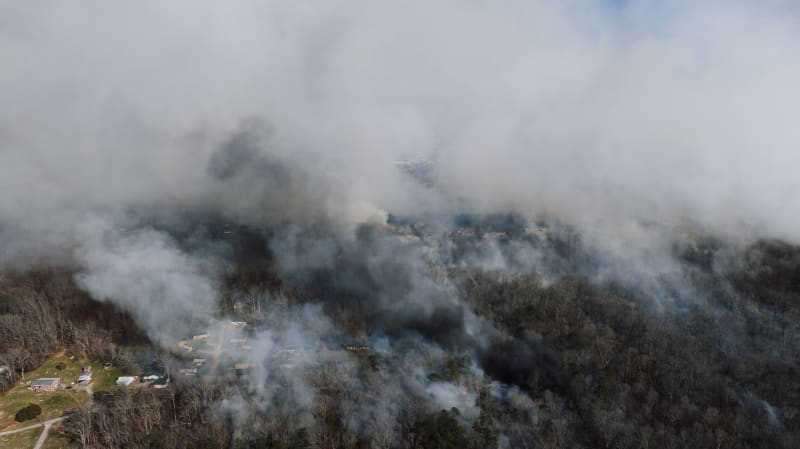
The current air quality crisis gripping the Midwest and East Coast is directly attributable to the persistent and widespread wildfires raging across Canada. These fires, particularly those in Quebec and Ontario, have been burning for weeks, fueled by unusually dry conditions and strong winds. The sheer scale and intensity of these blazes have generated immense plumes of smoke, which prevailing atmospheric patterns have then transported thousands of miles south, blanketing major population centers in the United States. This event marks one of the most significant cross-border air pollution incidents in recent memory, underscoring the interconnectedness of environmental phenomena.
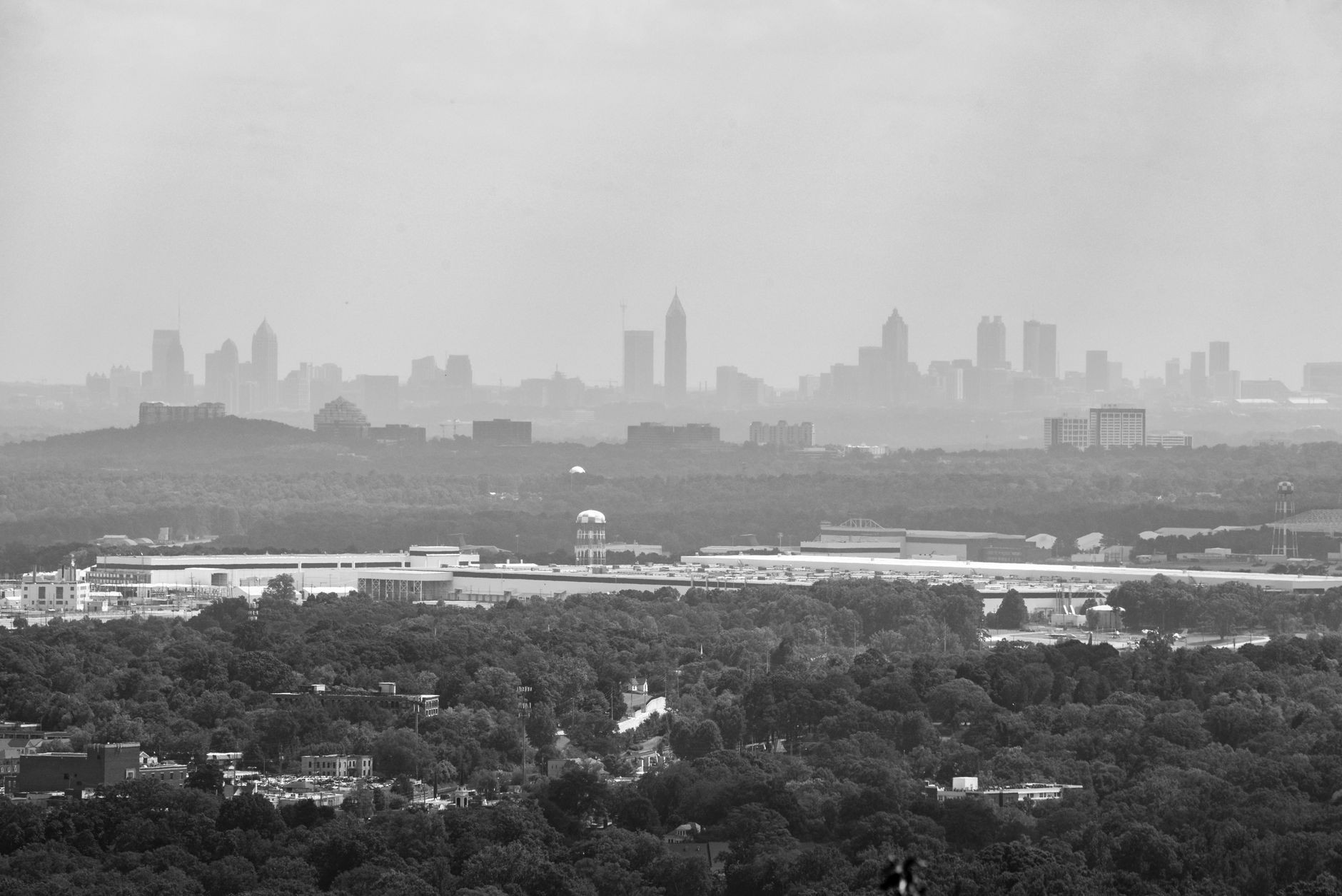
As the smoke descended, air quality indices across affected regions rapidly deteriorated, reaching 'unhealthy,' 'very unhealthy,' and even 'hazardous' levels according to the Environmental Protection Agency's Air Quality Index (AQI). Cities like New York, Philadelphia, and Washington D.C. registered some of the worst air quality readings globally, surpassing even notoriously polluted cities on certain days. This drastic shift from typical urban air quality to conditions more akin to a disaster zone has caught many residents off guard, highlighting a growing vulnerability to climate-related events that transcend national borders.
In response, federal, state, and local authorities have issued a barrage of public health warnings, urging millions to take protective measures. These advisories emphasize staying indoors, keeping windows and doors closed, and utilizing air purifiers if available. For outdoor workers, athletes, and individuals with pre-existing respiratory or cardiovascular conditions, the recommendations are even more stringent, often advising against any prolonged outdoor exposure. The widespread nature of these warnings reflects the severity of the threat and the broad demographic impact of the particulate-laden air.
Who Knew and When
Canadian authorities, particularly the Canadian Interagency Forest Fire Centre (CIFFC) and provincial fire services, have been tracking the escalating wildfire situation since early spring. Reports of an unusually active fire season emerged weeks before the smoke reached the U.S., with warnings about the potential for widespread smoke dispersion. Meteorologists and air quality forecasters in the U.S. began issuing preliminary alerts about potential smoke impacts several days in advance, as models showed the trajectory of the plumes heading south. These initial warnings, however, did not fully capture the unprecedented severity and duration of the event that ultimately unfolded.
As the smoke began to visibly impact air quality in the Midwest and then the Northeast, U.S. federal agencies like the EPA and the National Weather Service swiftly amplified their warnings. State and local health departments, particularly in major population centers, then disseminated these advisories to the public through various channels, including emergency alerts, social media, and local news outlets. The rapid deterioration of air quality in cities like New York City, where the sky turned an ominous orange, served as a stark, undeniable signal to residents that the situation was critical and immediate action was required.
While the immediate threat of smoke transport was predicted, the sheer magnitude and persistence of the air quality degradation caught many off guard. The duration of the 'hazardous' air quality, particularly in densely populated areas, exceeded many initial expectations, prompting a prolonged period of indoor advisories. This event underscores the challenges in precisely forecasting the complex interplay of large-scale wildfires, atmospheric dynamics, and their long-range environmental impacts, even with advanced modeling capabilities. The lessons learned from this event will undoubtedly inform future preparedness and communication strategies for similar cross-border environmental hazards.
Voices from the Ground
Residents across the affected regions describe an unsettling and surreal experience. "It felt like the apocalypse," recounted Sarah Chen, a lifelong New Yorker, describing the orange haze and acrid smell that permeated the city. "I've never seen anything like it. My eyes were burning, and I could feel it in my throat just walking to the grocery store. It makes you realize how fragile our environment is and how quickly things can change." This sentiment of shock and concern is echoed by many who woke up to skies transformed and air that was visibly polluted, fundamentally altering their daily routines and sense of safety.
For individuals with pre-existing health conditions, the impact has been particularly severe. Michael Rodriguez, an asthma sufferer from Philadelphia, shared his struggle: "My inhaler became my best friend. Even inside, I felt a tightness in my chest. I had to cancel appointments and couldn't even take my dog for a walk. It's terrifying to feel like you can't breathe clean air, especially in your own home." His experience highlights the disproportionate burden placed on vulnerable populations, who face immediate and serious health risks from prolonged exposure to fine particulate matter.
Beyond personal health, the smoke has disrupted community life and economic activity. Small business owners, particularly those reliant on outdoor foot traffic or services, reported significant losses. "Our outdoor seating is usually packed this time of year," lamented Maria Sanchez, owner of a cafe in Brooklyn. "But with the air like this, no one wants to sit outside. We've seen a huge drop in business, and it's hard to make up for those lost days." The collective experience points to a broader societal impact, from canceled events and school closures to a pervasive sense of anxiety about the air we breathe and the future implications of such environmental events.
The Debate
The immediate debate centers on the efficacy and timeliness of public health warnings. While authorities did issue advisories, some critics argue that the messaging could have been more urgent and widespread earlier, particularly for vulnerable communities who might not have access to real-time air quality apps or consistent news updates. There's a discussion around whether a more proactive, multi-lingual, and multi-platform approach could have better prepared the public for the severity of the incoming smoke. Conversely, officials contend that they acted swiftly once the trajectory and density of the smoke became clear, utilizing established emergency communication protocols to reach as many people as possible.
A broader, more complex debate revolves around climate change and its role in exacerbating wildfire seasons. Environmental advocates and scientists point to increasingly frequent and intense wildfires, both in Canada and the U.S., as direct consequences of a warming climate, leading to hotter, drier conditions conducive to large-scale blazes. They argue that this event serves as a stark reminder of the urgent need for aggressive climate action and policies to reduce greenhouse gas emissions. However, others caution against immediately attributing every extreme weather event solely to climate change, emphasizing the role of forest management practices and natural weather variability, while still acknowledging the overall trend of increasing fire risk.
Furthermore, discussions are emerging about long-term preparedness and infrastructure. Should major cities invest more in public clean air shelters, similar to cooling centers during heatwaves? What are the economic implications for industries heavily reliant on outdoor activities? There's also a conversation about international cooperation in wildfire suppression and smoke management, given the transboundary nature of this problem. This event has undoubtedly spurred a re-evaluation of how urban centers, traditionally less exposed to such direct impacts of wildfires, must adapt to a future where such events may become more common, demanding robust and resilient public health and environmental strategies.
Your Questions Answered
What Accountability Looks Like
Accountability in this context spans multiple dimensions, starting with the immediate response to the public health crisis. This includes evaluating how effectively and rapidly public health agencies disseminated warnings, provided resources like clean air shelters or masks, and coordinated with emergency services. Post-event reviews will likely scrutinize communication strategies, particularly how information reached vulnerable populations, and whether protocols were sufficient for an event of this scale. The goal is to identify gaps and improve future emergency responses to ensure that every citizen receives timely and actionable guidance during such environmental threats.
A deeper layer of accountability involves the long-term strategies for climate change mitigation and adaptation. While the Canadian wildfires are a direct cause, the underlying conditions that foster such intense and widespread blazes are linked to climate change. This brings into focus the responsibility of governments, both national and international, to implement robust policies that reduce greenhouse gas emissions and invest in climate resilience. Accountability here means adhering to climate commitments, funding scientific research into wildfire prevention and management, and developing cross-border agreements to address shared environmental challenges effectively.
Finally, there's accountability in preparing for a future where such events may become more common. This entails investing in advanced air quality monitoring systems, public education campaigns on smoke preparedness, and urban planning that considers air quality impacts. It also means holding industries and sectors accountable for their contributions to climate change and advocating for sustainable practices. The current crisis serves as a stark reminder that environmental accountability is not just about assigning blame, but about fostering a collective commitment to protecting public health and the planet from escalating climate-related threats.









Comments
No comments yet. Be the first to comment!