

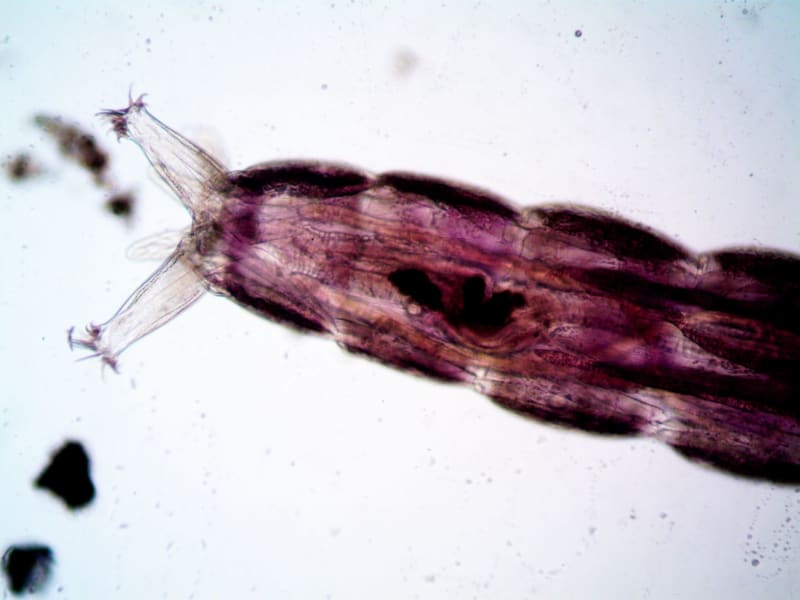
What We Know
- The Cryptosporidium outbreak has surged past 1,000 confirmed cases, indicating a significant and rapidly spreading public health crisis that demands immediate attention and robust containment strategies.
- Cryptosporidium, often referred to as 'Crypto,' is a microscopic parasite that causes cryptosporidiosis, a severe diarrheal illness that can lead to dehydration, weight loss, stomach cramps, fever, nausea, and vomiting.
- The parasite is highly resistant to chlorine disinfection, making traditional water treatment methods less effective against its spread, which poses a substantial challenge for public health officials.
- Transmission primarily occurs through contaminated water, food, or direct contact with infected individuals or animals, underscoring the importance of rigorous hygiene practices and safe water sources.
- Symptoms typically appear within 2 to 10 days after exposure and can last for several weeks, with immunocompromised individuals experiencing more severe and prolonged illness, sometimes even life-threatening complications.
- Public health authorities are actively investigating the source of the outbreak, employing epidemiological tracing and environmental sampling to pinpoint the origin and implement targeted interventions.
What We Do Not Know Yet
- The precise primary source of contamination remains unidentified, hindering efforts to completely halt the outbreak and prevent future occurrences, despite extensive investigations by health officials.
- The full geographical extent of the outbreak is still being determined, as new cases continue to emerge in various locations, making it difficult to assess the true scope of the public health challenge.
- Whether there are multiple concurrent sources of infection or a single, widespread point of origin is unclear, complicating the strategic response and resource allocation for containment.
- The exact number of asymptomatic carriers who could be unknowingly spreading the parasite is unknown, posing a silent threat to community health and making control efforts more complex.
- The long-term health implications for individuals who have recovered from severe cryptosporidiosis, particularly those with underlying health conditions, are not yet fully understood.
- The effectiveness of current public awareness campaigns in reaching all affected populations and influencing behavioral changes necessary to curb transmission is still being evaluated.
Background
Cryptosporidium is a resilient, microscopic parasite that resides in the intestines of infected humans and animals. When an infected individual or animal passes stool, the parasite is shed in the form of oocysts, which are incredibly robust and can survive for extended periods in the environment, particularly in water. Ingestion of even a small number of these oocysts can lead to cryptosporidiosis, a gastrointestinal illness characterized by watery diarrhea, stomach cramps, nausea, and fever. This parasite is a global concern, frequently causing outbreaks linked to contaminated recreational water, drinking water, and food, and is notably resistant to standard chlorine disinfection, which makes it particularly challenging for municipal water treatment facilities to eliminate.
The current outbreak represents a significant escalation in reported cases, far exceeding typical seasonal fluctuations or localized incidents. Public health agencies have been tracking an increase in cryptosporidiosis cases for several weeks, but the recent surge past the 1,000-case mark signals a critical threshold, indicating widespread community transmission or a major point source of contamination. This scale of outbreak places immense strain on healthcare resources, requiring extensive laboratory testing, patient management, and public health interventions to mitigate further spread. The rapid increase underscores the urgent need for a comprehensive and coordinated response to protect public health.
Historically, Cryptosporidium outbreaks have been associated with various communal water sources, including swimming pools, water parks, and even municipal drinking water supplies when filtration or treatment systems are compromised. Foodborne transmission, often through produce washed with contaminated water or handled by infected individuals, is also a known pathway. Understanding these historical patterns is crucial for guiding the current investigation, as health officials meticulously analyze epidemiological data to identify common exposures among affected individuals. The challenge lies in pinpointing the specific vector or location responsible for this particular widespread event, especially given the parasite's environmental resilience.
Why It Matters
The escalating Cryptosporidium outbreak is not merely a localized health concern; it represents a significant public health crisis with far-reaching implications. The sheer volume of over 1,000 confirmed cases places immense pressure on healthcare systems, from emergency rooms overwhelmed with symptomatic patients to laboratories struggling to process the surge in diagnostic tests. This strain diverts critical resources, potentially impacting the care of other patients and stretching the capacity of public health workers who are simultaneously engaged in contact tracing, investigation, and public education efforts. The economic burden, including lost productivity from illness and healthcare costs, is also substantial, affecting individuals, businesses, and the broader economy.
Beyond the immediate health impacts, this outbreak erodes public trust in essential services, particularly water safety and food supply chains. When a community faces uncertainty about the safety of its drinking water or the food it consumes, it can lead to widespread anxiety and a loss of confidence in governmental oversight. This erosion of trust can have long-term consequences, making future public health advisories more difficult to implement and potentially fostering a climate of skepticism. Restoring this trust requires transparent communication, swift action, and demonstrable success in identifying and neutralizing the source of contamination, alongside robust preventative measures.
Furthermore, the Cryptosporidium parasite poses a disproportionate threat to vulnerable populations, including young children, the elderly, and individuals with compromised immune systems. For these groups, cryptosporidiosis can lead to severe dehydration, malnutrition, and even life-threatening complications, extending hospital stays and increasing mortality risks. The presence of a widespread outbreak underscores systemic vulnerabilities in public health infrastructure and highlights the urgent need for enhanced surveillance, improved water treatment technologies, and more effective public education campaigns to protect those most at risk. Addressing this outbreak is not just about treating the sick; it's about safeguarding the health and well-being of the entire community, particularly its most fragile members.
Timeline of Events
- Early August: Local health departments begin observing a slight, but noticeable, uptick in reported cases of gastrointestinal illness, prompting initial investigations into potential common exposures.
- Mid-August: The number of reported cases crosses a critical threshold, leading to an official declaration of an outbreak by regional public health authorities, initiating a more coordinated response.
- Late August: Epidemiological links begin to emerge, suggesting a potential common source, although no definitive cause is identified, leading to broader public health advisories.
- Early September: Intensive public awareness campaigns are launched, advising residents on preventative measures, including hand hygiene and safe water practices, as cases continue to climb.
- Mid-September: The total confirmed case count surpasses 500, triggering heightened alert levels and mobilizing additional resources from state and federal health agencies to assist with the investigation.
- Late September: The outbreak reaches a critical milestone with over 1,000 confirmed cases, prompting urgent calls for immediate action and renewed efforts to identify and contain the source of contamination.

Rapid-Fire Q&A
What Is Coming
- Continued intensive investigation by public health officials to definitively identify the source of contamination, which is crucial for implementing targeted and effective control measures to prevent future outbreaks.
- Heightened public health advisories and expanded educational campaigns, emphasizing rigorous hygiene practices, safe water consumption, and precautions for recreational water activities, to empower citizens in prevention.
- Potential implementation of enhanced water treatment protocols or boil water advisories in affected areas, depending on the findings of ongoing water quality testing and source identification efforts.
- Increased demand on healthcare facilities for testing and treatment of cryptosporidiosis, necessitating robust resource allocation and preparedness to manage the ongoing influx of patients.
- Development and deployment of improved surveillance systems to detect and respond to future outbreaks more rapidly, leveraging data analytics and inter-agency collaboration to enhance public health resilience.
- Long-term public health planning focused on strengthening water infrastructure, improving food safety regulations, and fostering community-wide awareness to mitigate the risks of similar parasitic outbreaks.


















Comments
No comments yet. Be the first to comment!