
Policy Snapshot
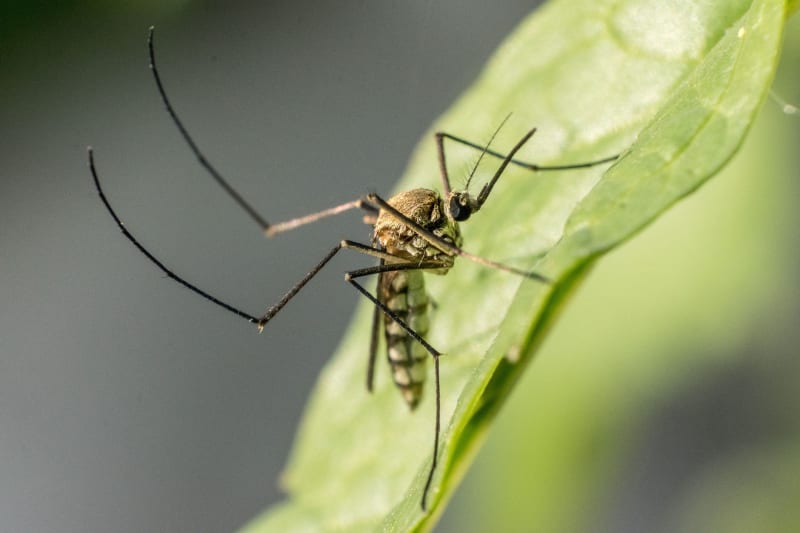
- The Department of Health (DOH) in Eastern Visayas has officially declared a Chikungunya outbreak in Samar, particularly focusing on areas within the municipality of Gandara, following a significant surge in reported cases.
- A comprehensive health advisory has been issued to all local government units (LGUs) across the region, emphasizing the critical need for heightened surveillance, proactive community engagement, and robust vector control measures.
- Public health campaigns are being intensified, educating residents on the '4S strategy' – Search and destroy mosquito breeding sites, Secure self-protection, Seek early consultation, and Support fogging/spraying in hotspot areas, to empower communities in prevention.
- The DOH is actively coordinating with local health offices to ensure the rapid deployment of resources, including diagnostic kits, medical supplies, and personnel, to effectively manage the increasing patient load and prevent further spread.
- Enhanced surveillance systems are now in place to meticulously track new cases, identify potential clusters, and monitor the geographical spread of the virus, allowing for data-driven interventions and resource allocation.
- Local government units are mandated to activate their respective disaster risk reduction and management councils for health emergencies, ensuring a coordinated multi-sectoral response to the ongoing Chikungunya threat.
The Policy History
The Philippines has a long and challenging history with mosquito-borne diseases, including dengue and malaria, which have historically strained its public health infrastructure. Chikungunya, while less common than dengue, has periodically emerged, often in localized outbreaks. The Department of Health's protocols for managing such epidemics are well-established, drawing from decades of experience in vector control, public awareness campaigns, and rapid response mechanisms. These protocols typically involve a multi-pronged approach, integrating environmental management, community participation, and clinical management guidelines to mitigate the impact of outbreaks.
Historically, responses to arboviral outbreaks have evolved from reactive measures to more proactive, integrated vector management strategies. Early interventions often focused solely on fogging, but lessons learned from past epidemics, particularly the widespread dengue outbreaks, have highlighted the importance of sustainable, community-led initiatives for source reduction. This shift in policy emphasizes empowering local communities to take ownership of their environment, recognizing that sustained mosquito control is more effective than intermittent, top-down interventions.
The current advisory issued by the DOH Eastern Visayas builds upon these established frameworks, adapting them to the specific context of the Chikungunya outbreak in Samar. It underscores the critical need for early detection, robust epidemiological surveillance, and immediate implementation of preventive measures to contain the spread. The emphasis on the '4S strategy' is a direct reflection of these historical lessons, promoting a holistic approach that combines individual protection with collective community action to combat the vector effectively.
Who Is Affected
The Chikungunya outbreak primarily impacts residents of Samar, particularly within the municipality of Gandara, where the initial cluster of cases was identified. However, given the mobility of people and the widespread presence of the Aedes mosquito vector, the entire Eastern Visayas region is now considered at heightened risk. Vulnerable populations, including the elderly, young children, and individuals with compromised immune systems, are particularly susceptible to severe symptoms and complications from the virus, making their protection a top priority for health authorities.
Beyond the direct health implications, the outbreak can significantly affect the socio-economic fabric of the affected communities. Productivity losses due to illness, increased healthcare expenditures, and potential disruptions to local commerce can place a substantial burden on families and the local economy. Farmers, daily wage earners, and small business owners are often disproportionately affected, as their livelihoods depend on their ability to work and the overall health of the community. The long-term joint pain associated with Chikungunya can also lead to chronic disability, further impacting quality of life and economic stability.
Healthcare systems are also directly impacted, facing increased demand for diagnostic testing, medical consultations, and hospitalizations. This surge can strain limited resources, personnel, and supplies, especially in rural areas with already fragile healthcare infrastructure. Public health workers, including nurses, doctors, and community health volunteers, are on the front lines, bearing the brunt of the response efforts and facing increased workload and potential exposure risks. Their capacity and well-being are crucial for an effective containment strategy.
The Case For
The immediate declaration of a Chikungunya outbreak and the subsequent issuance of a health advisory are absolutely critical for several compelling reasons. Firstly, it triggers an official, coordinated response from all levels of government and health agencies, mobilizing resources and expertise that would otherwise remain siloed. This official recognition ensures that the gravity of the situation is understood, prompting swift action rather than a piecemeal, delayed reaction that could allow the virus to spread unchecked. Proactive measures are always more effective and less costly than reactive ones in public health crises.
Secondly, the advisory serves as a vital public awareness tool, empowering communities with the knowledge and tools needed to protect themselves and their families. By clearly outlining symptoms, prevention strategies like the '4S approach,' and the importance of early consultation, it transforms passive residents into active participants in disease control. This community engagement is paramount, as effective vector control ultimately relies on collective action at the household level to eliminate mosquito breeding sites. Without clear guidance, public efforts would be fragmented and ineffective.
Finally, the official declaration facilitates better resource allocation and epidemiological surveillance. It allows health authorities to accurately track the spread of the disease, identify high-risk areas, and deploy medical supplies, personnel, and diagnostic tools where they are most needed. This data-driven approach ensures that interventions are targeted and efficient, maximizing their impact on containing the outbreak and minimizing the burden on healthcare facilities. It also enables the DOH to monitor the effectiveness of their strategies and adapt them as the situation evolves, ensuring a dynamic and responsive public health defense.
The Case Against
While immediate action is undeniably necessary, some might argue that an official 'outbreak' declaration, particularly in its initial stages, could inadvertently trigger undue panic or economic disruption. There's a delicate balance between informing the public and causing alarm that might lead to unwarranted fear, impacting tourism or local businesses. Critics might suggest a more measured approach, focusing on intensified surveillance and targeted interventions first, before a full-blown public declaration, to avoid potential overreactions that could harm the local economy without significantly enhancing public health outcomes.
Another concern could revolve around the potential for 'alert fatigue' among the populace. If too many health advisories or declarations are issued without clear, tangible impacts, the public might become desensitized to future warnings, diminishing the effectiveness of critical health communications. There's a risk that constant alarms, even well-intentioned ones, could lead to a lack of urgency when truly severe threats emerge. Therefore, the timing and messaging of such declarations need to be carefully calibrated to maintain public trust and responsiveness.
Furthermore, the implementation of broad measures like fogging, while effective in certain situations, can also raise environmental concerns. Critics often point to the potential impact of insecticides on non-target species, the environment, and even human health if not applied correctly. An immediate, widespread push for such interventions without careful consideration of alternatives or localized needs might be seen as an overreach, potentially causing more harm than good in the long run. A more nuanced approach, prioritizing source reduction and biological controls, might be preferred by some environmental advocates.

Policy Questions Answered
Implementation Watch
The effectiveness of the DOH's health advisory and outbreak response hinges critically on the swift and comprehensive implementation by local government units (LGUs) in Samar and across Eastern Visayas. While directives are clear, the real challenge lies in translating these policies into actionable programs at the barangay level. Monitoring will focus on how quickly LGUs mobilize resources, conduct widespread cleanup drives, and effectively disseminate information to their constituents. Discrepancies in implementation capacity among different LGUs could create vulnerable pockets, undermining the overall containment strategy.
Key indicators for successful implementation will include a measurable reduction in mosquito breeding sites, an increase in public awareness regarding preventive measures, and a stable or declining trend in new Chikungunya cases within the declared outbreak areas. The DOH will need to establish robust feedback mechanisms to track LGU compliance and provide necessary support or interventions where implementation falls short. Without consistent and diligent execution across all affected communities, the outbreak could easily escalate beyond current projections, placing immense strain on an already challenged healthcare system.
Furthermore, the long-term sustainability of these efforts will be crucial. Initial surges of activity following an outbreak declaration often wane over time. Therefore, ongoing community engagement, sustained vigilance in vector control, and continuous public health education will be essential to prevent future resurgences. The DOH and LGUs must work collaboratively to embed these preventive practices into the daily routines of residents, ensuring that the response is not just a temporary reaction but a foundational shift towards a more resilient public health posture against mosquito-borne diseases.















Comments
No comments yet. Be the first to comment!