
The Numbers
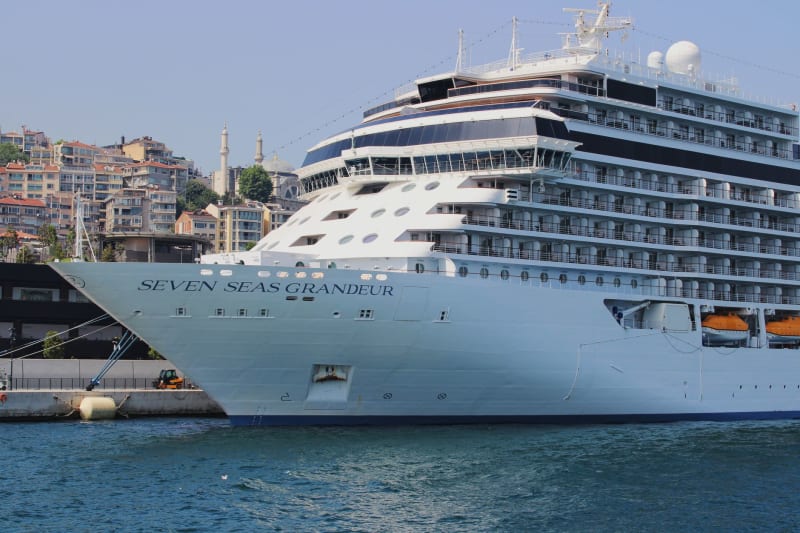
- One confirmed case of hantavirus pulmonary syndrome (HPS) has been reported, directly linked to a recent cruise ship voyage that embarked from a Californian port.
- The fatality rate for HPS can be as high as 38%, underscoring the severe and often lethal nature of this rodent-borne illness, demanding immediate public health attention.
- Over 800 cases of hantavirus have been reported in the United States since 1993, with a significant concentration in western states, making California particularly vulnerable.
- The incubation period for hantavirus can range from one to eight weeks, complicating contact tracing and early detection efforts among potentially exposed individuals.
- Public health officials are currently monitoring an undisclosed number of individuals who were on the same cruise, exhibiting vigilance for any emerging symptoms.
- The economic impact of a widespread hantavirus outbreak, including healthcare costs and potential tourism disruption, could run into millions of dollars for affected regions.
Context Check
The recent hantavirus case linked to a cruise ship departing from California has sent ripples of concern through public health circles, highlighting the often-overlooked threat of zoonotic diseases in unexpected environments. While hantavirus is typically associated with rural settings and direct contact with rodent droppings, its appearance on a cruise vessel raises critical questions about sanitation protocols, pest control measures, and the potential for novel transmission pathways in confined spaces. This incident serves as a stark reminder that infectious diseases can emerge in any context, challenging conventional assumptions about risk assessment and mitigation strategies.
Understanding the broader context of hantavirus in California is crucial. The state, with its diverse ecosystems ranging from deserts to forests, provides ample habitats for deer mice, the primary carriers of Sin Nombre virus, the most common hantavirus strain in North America. Historically, California has reported a significant number of hantavirus cases, predominantly among individuals engaged in outdoor activities or those cleaning out dusty, rodent-infested areas. This cruise ship incident, however, introduces a new dimension to the state's hantavirus profile, suggesting a potential shift in exposure dynamics that warrants immediate and thorough investigation by health authorities.
The globalized nature of travel, particularly through cruise lines, means that a localized health incident can quickly have far-reaching implications. Passengers from various regions board these ships, and if an infectious agent like hantavirus is present, the potential for international dissemination becomes a tangible risk. This scenario underscores the imperative for robust international health regulations and collaborative surveillance efforts between port authorities, cruise operators, and public health agencies worldwide. The incident is not just a Californian concern; it's a global health alert that demands a coordinated, proactive response to prevent future occurrences and protect the health of travelers and communities alike.
Background
Hantavirus Pulmonary Syndrome (HPS) is a severe, sometimes fatal, respiratory disease in humans caused by infection with hantaviruses. These viruses are primarily carried by rodents, particularly deer mice in North America, and are transmitted to humans through inhalation of aerosolized virus particles from rodent urine, droppings, or saliva. The initial symptoms often mimic the flu, including fever, muscle aches, and fatigue, but can rapidly progress to severe respiratory distress and fluid accumulation in the lungs, making early diagnosis incredibly challenging and often leading to critical outcomes. The insidious nature of its onset and rapid progression make it a formidable public health threat.
The first recognized outbreak of HPS occurred in the Four Corners region of the United States in 1993, where a cluster of unexplained adult respiratory distress cases baffled medical professionals. This event led to the identification of the Sin Nombre virus and a heightened awareness of hantavirus as a significant public health concern in the Americas. Since then, surveillance systems have been established, and public education campaigns have aimed to inform the public about the risks associated with rodent infestations, particularly in rural and semi-rural areas. Despite these efforts, sporadic cases continue to emerge, often in unexpected locations or circumstances, as demonstrated by the recent cruise ship incident.
Cruise ships, by their very design, present unique challenges for disease control. The close quarters, shared ventilation systems, and constant influx of passengers from diverse geographical locations create an ideal environment for the rapid transmission of infectious agents. While cruise lines typically adhere to stringent sanitation protocols, the presence of a rodent-borne illness like hantavirus suggests a potential lapse in pest control or an unforeseen exposure event. This incident necessitates a thorough review of existing health and safety measures on board, particularly concerning vector control, to prevent similar occurrences and safeguard the health of passengers and crew members who entrust their well-being to these floating cities.
Winners and Losers
In the immediate aftermath of this hantavirus scare, public health agencies, particularly the California Department of Public Health and the CDC, emerge as the primary 'winners' in terms of gaining critical data and reinforcing their mandate. This incident provides invaluable real-world data on potential new transmission vectors and the efficacy of current surveillance and response protocols. It allows them to refine their emergency preparedness plans, strengthen inter-agency cooperation, and potentially secure additional funding for zoonotic disease research and control. Their swift response and transparent communication, if executed effectively, can also bolster public trust in their ability to manage health crises.
Conversely, the cruise line involved faces significant reputational damage and potential financial losses, positioning them squarely among the 'losers.' Even if the transmission source is definitively traced to an external factor, the mere association of a deadly virus with their vessel can deter future bookings and erode consumer confidence. They will likely incur substantial costs for enhanced sanitation, pest control audits, passenger compensation, and extensive public relations campaigns to restore their brand image. This incident underscores the precarious balance between maintaining a pristine public image and managing unforeseen health emergencies in the travel industry.
The most significant 'losers' are undoubtedly the affected individual and their family, grappling with a life-threatening illness and the immense emotional and financial burden that accompanies it. Beyond this immediate tragedy, the broader public, particularly those in California and other regions prone to hantavirus, also loses a sense of security. The incident fuels anxieties about public health safety, especially in contexts previously considered low-risk. This erosion of public confidence can lead to increased stress, fear, and potentially even overreactions, demonstrating how a single case can have widespread psychological and societal repercussions that extend far beyond the immediate medical impact.
Analyst Perspectives
Public health analysts are emphasizing the need for a paradigm shift in how we assess and manage zoonotic disease risks, particularly in non-traditional environments like cruise ships. Dr. Eleanor Vance, an epidemiologist specializing in emerging infectious diseases, notes, "This cruise ship hantavirus case is a stark reminder that our surveillance systems must evolve beyond conventional risk zones. We need to consider all potential interfaces where humans and vectors might interact, even in seemingly controlled environments. The global travel network means a local rodent issue can become an international health concern in a matter of days." This perspective highlights the interconnectedness of global health and the limitations of siloed approaches to disease prevention.
Environmental health specialists are scrutinizing the pest control protocols on cruise ships, suggesting that current standards may not be robust enough to prevent rodent ingress and colonization. "It's not enough to simply react to an infestation; proactive, preventative measures are paramount," states Mark Jensen, an expert in maritime sanitation. "This incident suggests a potential vulnerability in how cruise lines manage their supply chains, waste disposal, and port-of-call operations, all of which can inadvertently facilitate rodent access. A comprehensive audit of integrated pest management strategies is urgently required across the entire cruise industry." His analysis points to systemic issues that extend beyond a single vessel.
From a policy standpoint, legal and public policy analysts are discussing the implications for liability and regulatory oversight. "This case could trigger a re-evaluation of international health regulations concerning cruise ship operations," explains Professor Anya Sharma, a legal scholar focused on public health law. "There will be intense pressure on regulatory bodies, both national and international, to mandate more stringent reporting, sanitation, and pest control standards. The legal ramifications for the cruise line, potentially including negligence claims, could be substantial, setting a precedent for how future zoonotic outbreaks on commercial vessels are handled." This incident could indeed be a catalyst for significant policy reforms.

Key Questions Explained
The Outlook
The immediate outlook for California and the broader public health community is one of heightened vigilance and proactive response. While the risk of widespread human-to-human transmission of hantavirus is virtually nonexistent, the concern lies in identifying any other potential exposures that may have occurred on the cruise ship or through its supply chain. Health officials will continue to monitor passengers and crew from the affected voyage, and public awareness campaigns will likely intensify, urging residents to be mindful of rodent control in their homes and outdoor spaces. This incident serves as a critical test of public health emergency preparedness and communication strategies.
In the medium term, this event is poised to trigger significant re-evaluations within the cruise industry and regulatory bodies. Expect more stringent health and safety protocols, particularly concerning pest management and environmental sanitation on commercial vessels. Cruise lines may face increased pressure to invest in advanced surveillance technologies and more rigorous training for their staff on zoonotic disease prevention. This could lead to a new era of 'health-conscious' cruising, where passenger safety against a broader spectrum of infectious threats becomes an even more prominent selling point and operational imperative.
Looking further ahead, the hantavirus incident underscores a broader trend: the increasing interconnectedness of human and animal health, often termed 'One Health.' This event highlights the need for integrated approaches that consider environmental factors, animal populations, and human health in unison. It reinforces the importance of global collaboration in disease surveillance and research, as pathogens do not respect borders. The lessons learned from this cruise ship case will undoubtedly inform future strategies for preventing and responding to emerging zoonotic threats, not just in California, but across the globe, shaping public health policy for years to come.
















Comments
No comments yet. Be the first to comment!