
The Numbers
- AI algorithms have demonstrated the ability to detect cancerous lesions up to 49% earlier than traditional methods in certain studies, significantly enhancing the window for intervention and improving patient prognoses.
- A staggering 30% reduction in false positives for breast cancer screenings has been observed with AI integration, minimizing unnecessary follow-up procedures and reducing patient anxiety while optimizing healthcare resources.
- The diagnostic accuracy of radiologists, when augmented by AI, can improve by an average of 15-20%, leading to more precise diagnoses and fewer missed cases, especially in complex or subtle presentations.
- AI-powered systems can process medical images 10-20 times faster than human radiologists, drastically cutting down diagnosis times and allowing for a higher throughput of screenings, which is crucial in high-volume clinics.
- Over $50 billion is projected to be saved annually in healthcare costs globally through AI-driven efficiency gains in radiology, stemming from reduced readmission rates, optimized treatment plans, and streamlined workflows.
- The market for AI in radiology is expected to grow at a compound annual growth rate (CAGR) of over 40% in the next five years, indicating a rapid and widespread adoption across healthcare systems worldwide as its benefits become undeniable.
Context Check
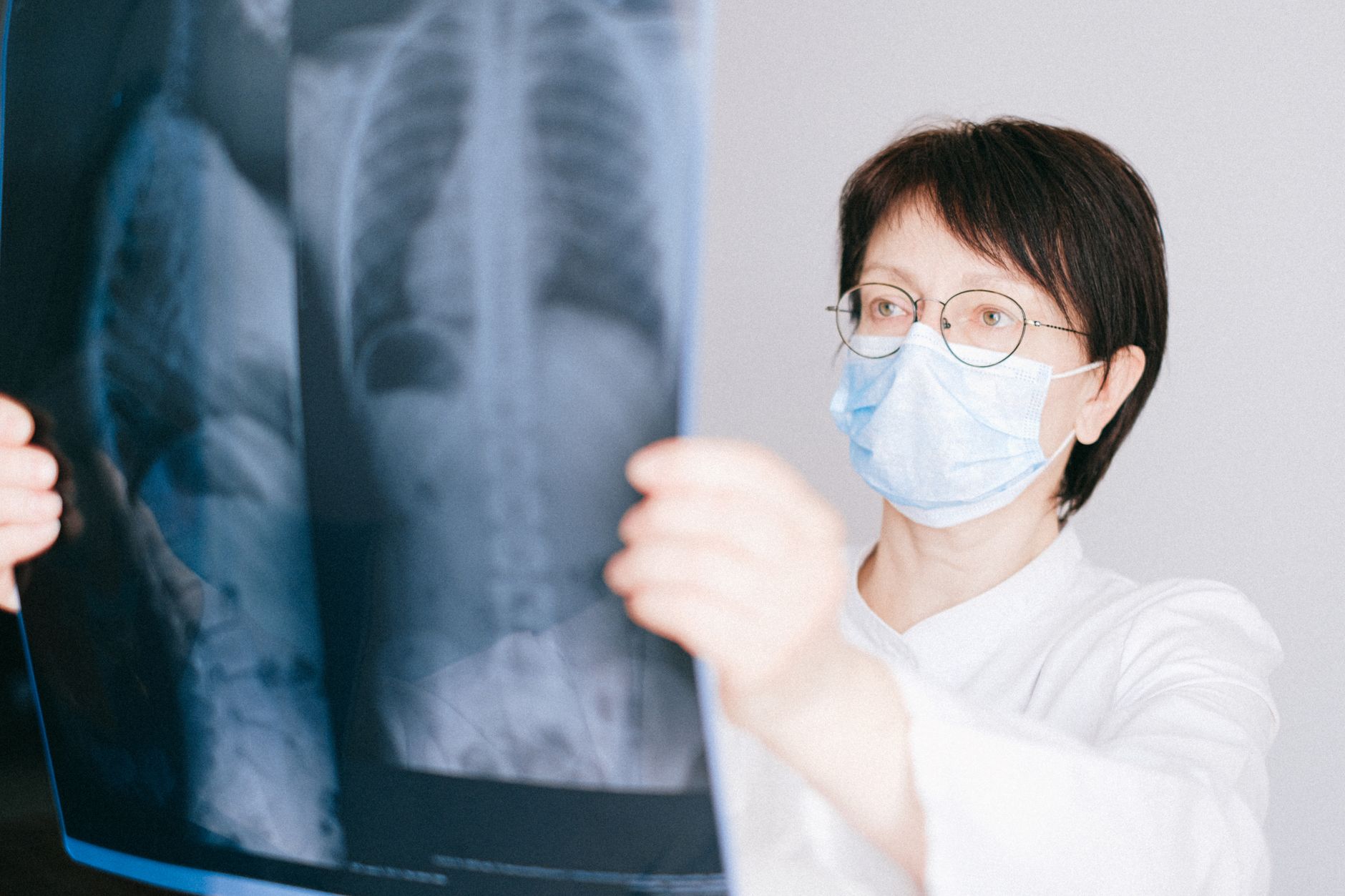
The landscape of medical diagnostics is undergoing a profound transformation, driven by the relentless march of artificial intelligence. Specifically, within the critical field of radiology, AI is not merely an incremental improvement but a paradigm shift, fundamentally altering how we approach the detection and diagnosis of diseases, particularly cancer. This technological revolution promises to enhance precision, accelerate processing times, and ultimately save countless lives by identifying malignancies at their earliest, most treatable stages. Understanding this pivotal moment requires acknowledging the historical challenges of human limitations in image interpretation, the sheer volume of data, and the subtle nuances that AI is uniquely positioned to address.
For decades, radiology has relied heavily on the trained eye and extensive experience of human specialists. While invaluable, this approach is inherently susceptible to fatigue, variability, and the sheer complexity of discerning minute anomalies within vast datasets of medical images. The increasing caseloads and the growing sophistication of imaging techniques have placed immense pressure on radiologists, leading to concerns about burnout and potential diagnostic oversights. AI emerges as a powerful co-pilot, designed to augment human capabilities rather than replace them, offering a consistent, tireless, and data-driven analytical layer that can pinpoint patterns and anomalies that might elude even the most experienced human observer.
This integration of AI is not without its complexities. It necessitates robust validation, ethical frameworks, and careful consideration of how these systems will interact with existing clinical workflows and regulatory bodies. The promise of AI in radiology extends beyond mere detection; it encompasses predictive analytics, personalized treatment recommendations, and a more holistic approach to patient care. As we delve deeper into this topic, it becomes clear that AI is poised to redefine the standards of diagnostic excellence, making early cancer detection more accessible, accurate, and efficient than ever before, thereby offering a beacon of hope in the ongoing battle against cancer.
Background
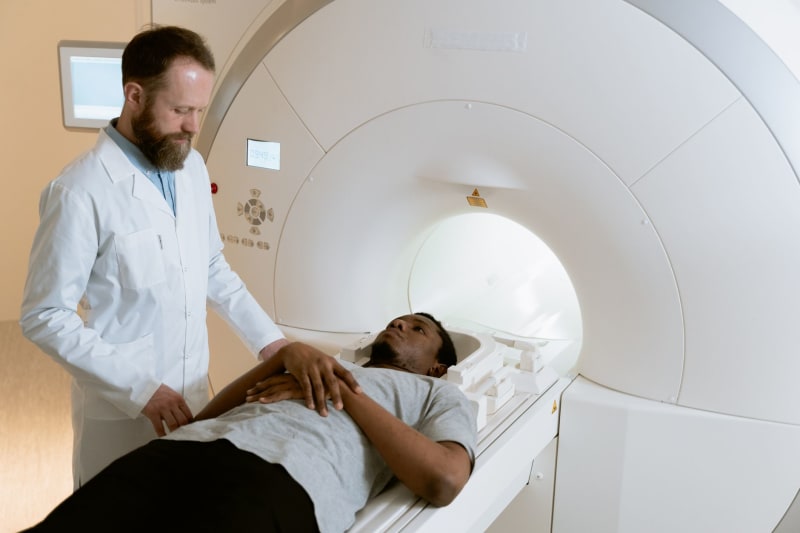
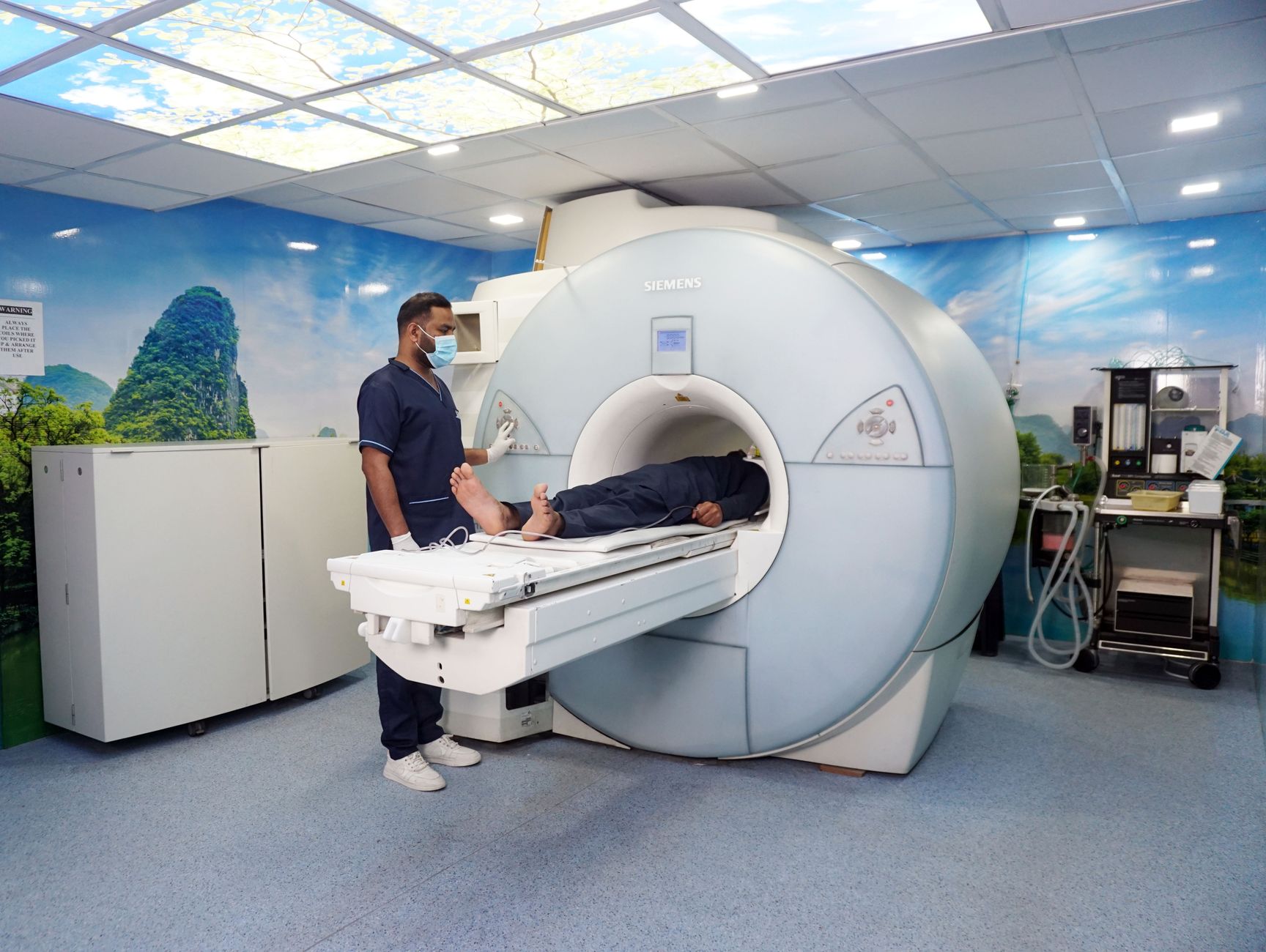
The journey of artificial intelligence in medicine began decades ago with rudimentary expert systems, but it is only in recent years, fueled by advancements in machine learning, deep learning, and computational power, that AI has truly begun to revolutionize clinical practice. Radiology, with its data-rich environment of X-rays, CT scans, MRIs, and ultrasounds, became a natural proving ground for these sophisticated algorithms. The sheer volume and complexity of medical images provide an ideal dataset for AI models to learn from, identifying intricate patterns and subtle indicators of disease that might be imperceptible to the human eye. This evolution from theoretical concept to practical application marks a significant milestone in diagnostic medicine.
Early applications of AI in radiology focused on automating repetitive tasks and assisting with image segmentation. However, the current generation of AI systems, particularly those employing deep neural networks, has moved beyond simple automation. These advanced algorithms can now perform complex tasks such as lesion detection, characterization, and even risk stratification with remarkable accuracy. They are trained on millions of annotated images, allowing them to develop an unparalleled understanding of pathological features. This rigorous training process is essential for building reliable systems that can operate effectively in diverse clinical settings and across various patient populations.
The impetus for integrating AI into radiology stems from a critical need to improve diagnostic efficiency and accuracy, especially in the face of rising cancer incidence rates and a global shortage of radiologists. AI offers a scalable solution to these challenges, promising to reduce diagnostic errors, decrease turnaround times, and free up radiologists to focus on more complex cases requiring human judgment and patient interaction. This shift represents a strategic investment in the future of healthcare, aiming to leverage technology to enhance human expertise and ultimately deliver superior patient outcomes in the fight against cancer.
Winners and Losers
The most significant winners in the widespread adoption of AI in radiology are undoubtedly patients. They stand to benefit from earlier, more accurate cancer diagnoses, leading to timely interventions, improved treatment efficacy, and ultimately, higher survival rates. The reduction in false positives means less anxiety, fewer unnecessary biopsies, and a more streamlined diagnostic journey. Furthermore, patients in underserved areas may gain access to high-quality diagnostic interpretations, as AI can help bridge the gap in specialist availability, democratizing advanced medical imaging analysis. This equitable access to cutting-edge diagnostics is a transformative benefit for global health.
Radiologists, while initially apprehensive, are emerging as significant winners as well. AI tools are proving to be invaluable assistants, reducing their workload by automating routine tasks, highlighting suspicious areas for focused review, and providing a second opinion that enhances diagnostic confidence. This augmentation allows radiologists to concentrate on complex cases, engage more deeply with clinical decision-making, and dedicate more time to patient consultations, thereby elevating their professional role. The integration of AI transforms their practice from mere image readers to sophisticated diagnostic navigators, enhancing job satisfaction and reducing burnout.
However, there are potential 'losers' or, more accurately, those who face significant challenges. Healthcare systems that are slow to adopt or invest in AI infrastructure risk falling behind, potentially offering suboptimal care compared to their technologically advanced counterparts. Furthermore, a critical challenge lies in ensuring data privacy and security, as AI systems require vast amounts of patient data for training and operation. Without robust ethical guidelines and regulatory frameworks, there is a risk of data misuse or breaches. Moreover, the initial capital investment for AI integration can be substantial, posing a barrier for smaller clinics or less affluent healthcare providers, potentially exacerbating existing health disparities if not addressed proactively through policy and funding initiatives.
Analyst Perspectives
Leading analysts in healthcare technology consistently emphasize that AI in radiology is not merely a trend but a fundamental shift in diagnostic methodology. Dr. Anya Sharma, a principal analyst at HealthTech Insights, states, "AI is moving beyond proof-of-concept; it's now a critical component of the diagnostic workflow. Its ability to process vast image datasets with unparalleled speed and identify subtle anomalies is fundamentally reshaping early cancer detection. We're seeing a transition from human-centric interpretation to a powerful human-AI collaborative model, where the strengths of both are synergistically leveraged for superior outcomes." This perspective underscores the transformative, rather than merely additive, nature of AI's role.
Another prominent voice, Mr. David Chen, a senior researcher specializing in medical AI at Global Data Analytics, highlights the economic implications. "The ROI for AI integration in radiology is becoming increasingly clear. Beyond improved patient outcomes, the efficiencies gained in workflow optimization, reduced false positives, and accelerated diagnosis times translate into substantial cost savings for healthcare providers. However, the initial investment in robust AI platforms, data infrastructure, and ongoing training for medical staff remains a significant hurdle for many institutions, necessitating strategic financial planning and potentially government incentives to ensure widespread adoption." His analysis points to both the immense potential and the practical challenges of implementation.
Concerns regarding regulatory oversight and ethical considerations are also frequently raised by experts. Dr. Elena Petrova, a bioethicist and AI policy advisor, cautions, "While the diagnostic power of AI is undeniable, we must establish rigorous regulatory frameworks to ensure transparency, accountability, and fairness. Algorithms must be continually validated against diverse populations to prevent bias, and clear guidelines are needed for liability in cases of diagnostic error. The 'black box' nature of some deep learning models requires careful consideration to maintain trust between clinicians, patients, and the technology itself." This critical perspective underscores the necessity of balancing innovation with robust ethical governance to safeguard patient interests and maintain public confidence in AI-driven healthcare.

Key Questions Explained
The Outlook
The trajectory for AI in radiology points towards an increasingly integrated and indispensable role in diagnostic medicine. We can anticipate a future where AI systems are not just tools for detection but also for prediction, prognosis, and personalized treatment planning. Advanced AI models will likely move beyond identifying anomalies to understanding the biological behavior of tumors, predicting treatment responses, and even suggesting optimal therapeutic pathways based on a patient's unique genetic and clinical profile. This holistic integration will transform cancer care from a reactive approach to a proactive, highly individualized strategy, dramatically improving patient outcomes and quality of life.
However, realizing this ambitious future requires sustained investment in research and development, robust regulatory frameworks, and comprehensive training for healthcare professionals. The development of standardized benchmarks for AI performance, along with transparent validation processes, will be crucial for building trust and ensuring widespread adoption. Furthermore, addressing the ethical implications, particularly concerning data privacy, algorithmic bias, and accountability, will be paramount to ensure that AI serves all patients equitably and responsibly. Collaborative efforts between technologists, clinicians, policymakers, and ethicists will be essential to navigate these complexities effectively.
Ultimately, the outlook for AI in early cancer detection is one of profound optimism, tempered by the necessity for careful, ethical implementation. As these technologies mature, they hold the potential to redefine the very essence of diagnostic medicine, making early cancer detection more accurate, accessible, and efficient than ever before. This will not only save countless lives but also alleviate the immense burden that cancer places on individuals, families, and healthcare systems worldwide, ushering in a new era of precision health that prioritizes prevention and early intervention.







Comments
No comments yet. Be the first to comment!