
At a Glance
- A novel drug candidate, currently in advanced preclinical stages, demonstrates significant efficacy in treating severe non-alcoholic fatty liver disease (NAFLD) and its more aggressive form, non-alcoholic steatohepatitis (NASH).
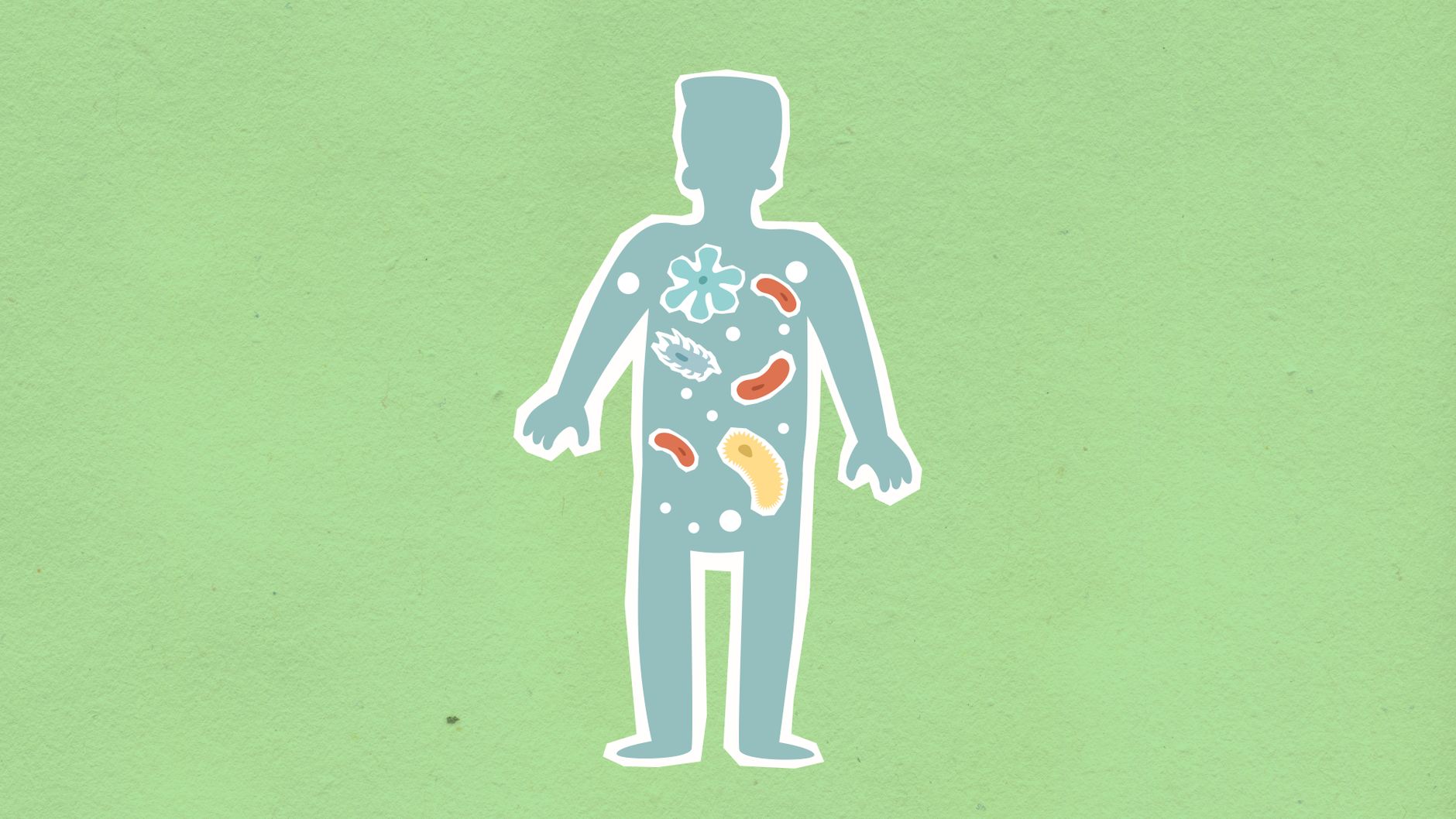
- This innovative therapeutic approach focuses on modulating the gut microbiome, a critical and often overlooked factor in the progression of liver diseases.
- Early research indicates the drug not only reduces liver fat accumulation and inflammation but also mitigates fibrosis, a key indicator of disease severity and progression to cirrhosis.
- The drug's mechanism involves restoring beneficial gut bacteria populations and reducing harmful bacterial metabolites that contribute to liver damage and systemic inflammation.
- Current treatments for NAFLD and NASH are largely symptomatic and lifestyle-based, highlighting the urgent need for targeted pharmacological interventions like this new candidate.
- The potential for this drug to address the root causes of liver damage via the gut-liver axis represents a paradigm shift in how these prevalent and debilitating conditions are managed.
- Clinical trials are anticipated to commence within the next 18-24 months, bringing this promising therapy closer to patients who desperately need new options.
- Experts are optimistic about its potential to significantly improve patient outcomes and reduce the global burden of liver disease, which affects hundreds of millions worldwide.
The Record
The global prevalence of non-alcoholic fatty liver disease (NAFLD) is escalating at an alarming rate, affecting approximately 25% of the adult population worldwide. A significant subset of these individuals, roughly 20-30%, will progress to non-alcoholic steatohepatitis (NASH), a more aggressive form characterized by liver inflammation, ballooning, and fibrosis. NASH is a silent killer, often progressing without noticeable symptoms until advanced stages, leading to cirrhosis, liver failure, and hepatocellular carcinoma. The absence of approved pharmacological treatments specifically for NASH has created a critical unmet medical need, leaving patients with limited options beyond lifestyle modifications, which are often difficult to sustain and insufficient for advanced disease.
For decades, research into NAFLD and NASH treatments primarily focused on direct liver-centric mechanisms, targeting lipid metabolism, inflammation, or fibrosis pathways within the liver itself. While some candidates showed promise, many have failed in late-stage clinical trials due to efficacy issues, unacceptable side effects, or complex mechanisms of action. This history of setbacks underscores the intricate pathophysiology of NASH and the necessity for innovative approaches that consider the broader systemic factors contributing to the disease, such as the gut microbiome and its profound influence on liver health.
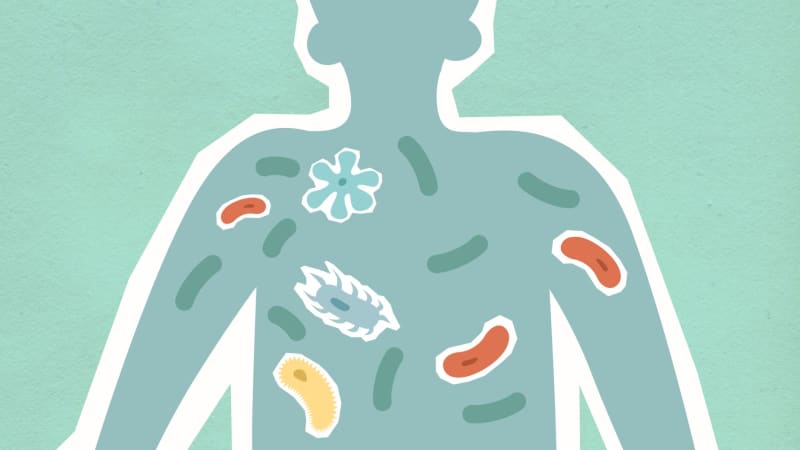
The emergence of this new drug candidate, which specifically targets the gut microbiome to improve liver health, marks a significant departure from conventional strategies. By modulating the gut environment, the drug aims to disrupt the 'gut-liver axis' — a bidirectional communication pathway between the gut and the liver that plays a pivotal role in NAFLD/NASH progression. This innovative approach recognizes that a dysbiotic gut, characterized by an imbalance of microbial species, can lead to increased gut permeability, allowing bacterial products and toxins to enter the bloodstream and reach the liver, triggering inflammation and damage. Addressing this upstream cause could offer a more effective and sustainable therapeutic solution.
Who Knew and When
The concept of the gut-liver axis and its involvement in liver disease has been a growing area of research for the past two decades, with significant breakthroughs occurring in the last 10 years. Early studies in the late 1990s and early 2000s began to hint at a connection between gut bacteria and liver pathology, primarily through observations in patients with alcoholic liver disease. However, it wasn't until the widespread adoption of advanced metagenomic sequencing technologies in the mid-2000s that researchers could comprehensively map the human gut microbiome and identify specific microbial signatures associated with NAFLD and NASH. This technological leap provided the empirical evidence needed to solidify the gut's role in the pathogenesis of these conditions.
Key insights emerged around 2010-2015, demonstrating that dysbiosis—an imbalance in gut microbial composition—contributes to increased intestinal permeability, allowing bacterial products like endotoxins (LPS) to translocate from the gut lumen to the portal circulation and directly impact the liver. These bacterial components activate hepatic immune cells, leading to chronic inflammation, insulin resistance, and fibrogenesis. Leading research institutions and pharmaceutical companies, recognizing this paradigm shift, began investing heavily in understanding these mechanisms and exploring therapeutic interventions that could modulate the gut microbiome to achieve liver benefits. This period saw a surge in publications linking specific gut microbial species and their metabolites to NAFLD/NASH severity.
The development of this particular drug candidate began approximately five years ago, building upon the accumulated knowledge of the gut-liver axis. Scientists identified specific microbial pathways and metabolites that were consistently dysregulated in severe NAFLD/NASH models. The drug was then designed to selectively target these pathways, either by promoting the growth of beneficial bacteria or by neutralizing the harmful effects of pathogenic ones. Preclinical studies, conducted over the last three years, have consistently demonstrated the drug's ability to restore gut barrier integrity, reduce hepatic inflammation, and reverse fibrosis in various animal models, providing strong evidence for its therapeutic potential and paving the way for human clinical trials.
Voices from the Ground
Patients living with severe fatty liver disease, particularly NASH, often describe a profound sense of helplessness and frustration. "It's a silent disease," shares Maria, a 52-year-old diagnosed with NASH-induced cirrhosis. "You don't feel anything until it's too late, and then suddenly your life is consumed by doctor appointments, fear of liver failure, and the constant struggle to manage a condition for which there's no real cure." The lack of effective pharmacological treatments means that many patients are left with lifestyle modifications as their primary recourse, which, while important, are often insufficient to halt or reverse advanced disease. The emotional toll of living with a progressive, life-threatening condition that has limited therapeutic options is immense, leading to significant anxiety and depression among patient populations.
Healthcare providers, particularly hepatologists and gastroenterologists, echo the urgent need for new therapies. Dr. Anya Sharma, a leading hepatologist, states, "We see countless patients whose NASH progresses despite their best efforts with diet and exercise. It's heartbreaking to tell them that there isn't a specific medication we can prescribe to effectively reverse the damage or prevent progression to cirrhosis. The current treatment landscape is incredibly challenging, and we are often managing complications rather than addressing the underlying disease." She emphasizes that a drug targeting the gut-liver axis could be a game-changer, offering a novel mechanism that could potentially benefit a broad spectrum of patients, including those who have not responded to other experimental therapies.
The prospect of a drug that targets gut health to treat liver disease resonates deeply with patient advocacy groups. "For years, we've been advocating for more research into the root causes of NASH, and the gut microbiome has always been a compelling area," says David Chen, spokesperson for the Liver Health Foundation. "Hearing about a drug candidate that directly addresses this connection gives us immense hope. It means a potential future where patients aren't just told to 'eat better and exercise more,' but have a tangible, science-backed treatment option that can truly make a difference in their lives and prevent the devastating outcomes of liver failure." This sentiment underscores the profound impact such a breakthrough could have on the quality of life and longevity for millions affected by this debilitating disease.
The Debate
While the scientific community largely embraces the concept of the gut-liver axis in NAFLD/NASH pathogenesis, debates persist regarding the most effective strategies for therapeutic intervention. Some researchers advocate for broad-spectrum microbiome modulation, such as fecal microbiota transplantation (FMT) or prebiotics/probiotics, arguing that a holistic restoration of gut ecology is paramount. Others contend that a more targeted approach, like the new drug candidate, which focuses on specific microbial pathways or metabolites, offers greater precision, predictability, and safety. The challenge lies in identifying the key microbial players and their exact mechanisms of action, as the gut microbiome is an incredibly complex and dynamic ecosystem, making it difficult to isolate single causal factors.
Another area of discussion revolves around the long-term safety and efficacy of microbiome-targeted therapies. Critics sometimes raise concerns about potential unintended consequences of altering the gut microbiome, given its vast influence on various physiological processes beyond liver health, including immunity and metabolism. While the current drug candidate is designed to be highly specific, rigorous long-term studies will be crucial to ensure that the beneficial effects on the liver do not come at the expense of other systemic functions. The scientific community is keen to see robust clinical trial data that not only demonstrates liver improvement but also confirms a favorable safety profile over extended treatment periods.
Furthermore, there is an ongoing debate about the optimal patient population for such therapies. Should microbiome-targeted drugs be reserved for advanced NASH with fibrosis, or could they be beneficial in earlier stages of NAFLD to prevent progression? Some experts argue for early intervention, positing that preventing gut dysbiosis from becoming entrenched could avert significant liver damage. Others suggest focusing on patients with established NASH, where the unmet medical need is most acute. The cost-effectiveness of these novel therapies, especially if they require long-term administration, will also be a significant consideration for healthcare systems and policymakers, prompting discussions about equitable access and resource allocation.
Your Questions Answered
What Accountability Looks Like
Accountability in the development and deployment of this novel drug candidate will hinge on several critical factors, primarily robust scientific rigor and transparent communication. The pharmaceutical company developing the drug must ensure that all preclinical and clinical trials are conducted with the highest ethical standards, adhering strictly to regulatory guidelines. This includes meticulous data collection, independent verification of results, and a commitment to publishing both positive and negative findings to advance scientific understanding. Any shortcuts or attempts to obscure data would be a severe breach of public trust and scientific integrity, potentially jeopardizing patient safety and delaying the availability of a much-needed therapy.
Regulatory bodies, such as the FDA in the United States and the EMA in Europe, bear immense responsibility for scrutinizing the drug's safety and efficacy data with an unbiased and thorough approach. Their accountability lies in ensuring that only truly safe and effective treatments reach the market, protecting patients from unproven or harmful interventions. This involves independent expert reviews, consideration of real-world evidence, and potentially requiring post-market surveillance to monitor long-term outcomes and rare side effects. The public and medical community will hold these agencies accountable for their diligence and their ability to navigate the complexities of novel therapeutic mechanisms like microbiome modulation.
Furthermore, healthcare providers and patient advocacy groups will play a crucial role in holding all stakeholders accountable. Providers must be educated on the drug's mechanism, indications, and potential side effects to ensure appropriate prescribing and patient monitoring. Advocacy groups will serve as watchdogs, ensuring that patient voices are heard throughout the development and approval process, and that access to the drug, once approved, is equitable and affordable. Ultimately, accountability means ensuring that this promising scientific advancement translates into genuine, safe, and accessible health benefits for the millions of individuals worldwide suffering from severe fatty liver disease, without compromising on ethical standards or scientific integrity.









Comments
No comments yet. Be the first to comment!