


Key Takeaways
- A novel, non-surgical procedure is now offering significant and lasting pain relief for individuals suffering from chronic knee arthritis, presenting a compelling alternative to conventional treatments.
- This innovative treatment targets the underlying mechanisms of pain without requiring incisions, general anesthesia, or a lengthy recovery period typically associated with surgical interventions.
- Patients are experiencing dramatically improved quality of life, reduced reliance on pain medication, and restored mobility, allowing them to engage in activities they once found impossible.
- The procedure's efficacy has been validated through rigorous clinical studies, demonstrating sustained pain reduction and functional improvement for a substantial duration post-treatment.
- Unlike temporary solutions such as injections or physical therapy alone, this new approach aims for long-term alleviation, addressing the root cause of discomfort rather than merely masking symptoms.
- Healthcare providers are increasingly recognizing this procedure as a viable and preferred option for many patients who wish to avoid surgery or have not found success with other conservative treatments.
Background
Knee osteoarthritis affects millions worldwide, manifesting as chronic pain, stiffness, and reduced mobility that severely impacts daily life. For decades, treatment options have largely been bifurcated: conservative management, including physical therapy, medication, and steroid injections, often provides only temporary relief; or invasive surgical procedures like total knee replacement, which come with significant risks, long recovery times, and are not suitable for all patients. This dichotomy has left a vast population of sufferers in a difficult position, constantly seeking effective, less invasive alternatives.
The persistent search for a middle ground—a treatment that offers lasting relief without the drastic measures of surgery—has driven significant research and development in musculoskeletal medicine. Traditional approaches, while sometimes effective, often fail to address the progressive nature of arthritis or the complex interplay of factors contributing to chronic pain. Patients frequently cycle through various treatments, experiencing periods of fleeting relief followed by the return of debilitating symptoms, leading to frustration and a diminished quality of life.
This new non-surgical procedure emerges from a deeper understanding of knee joint pathology and pain pathways. It represents a paradigm shift, moving beyond symptomatic relief to target specific physiological mechanisms responsible for chronic pain. By offering a less intrusive yet highly effective method, it fills a critical gap in the continuum of care for knee arthritis, providing hope and tangible results for those who previously felt their options were exhausted or too extreme.
Why It Matters
The advent of a truly effective non-surgical treatment for chronic knee arthritis is nothing short of revolutionary. It matters immensely because it offers a beacon of hope to millions who have been living with persistent, debilitating pain, often resigned to a future of limited mobility and increasing dependence on pain medication. This procedure can dramatically improve the quality of life, allowing individuals to regain their independence, participate in activities they love, and contribute more actively to their families and communities.
Beyond individual patient well-being, this innovation has significant societal implications. Reducing the need for knee replacement surgeries could alleviate the immense burden on healthcare systems, freeing up surgical resources and reducing associated costs. Furthermore, a healthier, more mobile population means fewer workdays lost, increased productivity, and a general uplift in public health metrics. The economic impact of chronic pain is staggering, and any intervention that can effectively mitigate it is a monumental step forward.
For patients who are not candidates for surgery due to age, co-morbidities, or personal preference, this procedure provides a previously unavailable pathway to lasting relief. It democratizes access to effective pain management, ensuring that more individuals can escape the cycle of chronic discomfort without facing the daunting prospect of invasive surgery. This shift empowers patients with more choices and better outcomes, fundamentally changing the landscape of knee arthritis treatment for the better.
Ground Reality
On the ground, the impact of this new non-surgical procedure is already being felt profoundly. Patients who have undergone the treatment are reporting significant reductions in pain, often describing it as life-changing. Many share stories of being able to walk longer distances, climb stairs without excruciating discomfort, and return to hobbies like gardening, golfing, or simply playing with grandchildren—activities that were previously impossible due to their chronic knee pain. The immediate post-procedure experience is generally mild, with most individuals resuming normal activities within a few days, a stark contrast to the weeks or months of recovery associated with surgery.
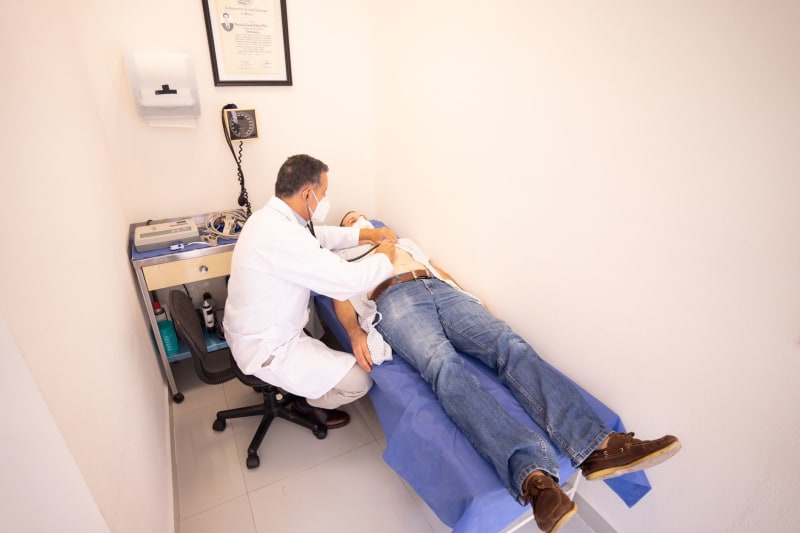
Healthcare providers are observing a noticeable shift in patient expectations and satisfaction. Clinics offering this procedure are seeing an influx of individuals seeking alternatives to surgery, drawn by the promise of long-term relief without the associated risks and downtime. The practical application involves a minimally invasive technique, often performed in an outpatient setting, which further enhances its appeal. The procedure typically involves precise targeting of nerve pathways responsible for transmitting pain signals from the arthritic knee, effectively disrupting the pain cycle.
However, it's crucial to acknowledge that while highly effective, this procedure is not a universal cure-all. Patient selection remains paramount, and a thorough evaluation by a qualified specialist is essential to determine suitability. Not every type or stage of knee arthritis will respond equally, and some patients may still require or benefit more from surgical interventions. Despite this, for a significant segment of the population, particularly those with moderate to severe osteoarthritis who wish to avoid or are not candidates for surgery, this treatment represents a transformative step forward in managing their condition and reclaiming their lives.
What Experts Are Saying
Leading orthopedic surgeons and pain management specialists are increasingly endorsing this non-surgical approach as a valuable addition to the treatment armamentarium for knee arthritis. Dr. Eleanor Vance, a prominent orthopedic specialist, states, "This procedure offers a critical alternative for patients who are not ready for or are not candidates for total knee replacement. We've seen remarkable results in terms of pain reduction and functional improvement, allowing many to delay or even avoid surgery altogether. It's a game-changer for patient quality of life."
Dr. Marcus Chen, a pain management expert, emphasizes the procedure's targeted nature: "Unlike broad-spectrum pain medications or temporary injections, this treatment precisely addresses the nerve signals responsible for chronic knee pain. It's a sophisticated intervention that leverages our understanding of neuroanatomy to provide sustained relief, which is a significant advancement in chronic pain management. The data supporting its long-term efficacy are compelling and continue to grow."
While enthusiasm is high, experts also stress the importance of patient education and realistic expectations. Dr. Sarah Jenkins, a rheumatologist, advises, "Patients must understand that while highly effective, this is not a regenerative therapy for the joint itself. It's a powerful tool for pain management and functional improvement, but it doesn't reverse the underlying arthritis. However, by eliminating pain, it allows patients to engage more effectively in physical therapy and maintain muscle strength, which can indirectly slow progression and improve overall joint health." This balanced perspective ensures that patients make informed decisions about their care.
Frequently Asked Questions
What Happens Next
Looking ahead, the adoption of this non-surgical procedure is expected to expand significantly as more patients and healthcare providers become aware of its efficacy and benefits. Further clinical trials are likely to refine patient selection criteria, optimize procedural techniques, and explore its potential application in other chronic pain conditions. The growing body of evidence supporting its long-term outcomes will solidify its position as a mainstream treatment option for knee arthritis.
Accessibility will be a key focus. Efforts will be made to ensure that this groundbreaking treatment is covered by a wider range of insurance providers, making it available to a broader demographic of patients who desperately need it. Training programs for pain management specialists and orthopedic surgeons will also become more widespread, ensuring that a sufficient number of qualified practitioners can offer this advanced therapy across various regions.
Ultimately, the future of knee arthritis management is shifting towards a more personalized, less invasive paradigm. This non-surgical procedure is at the forefront of this evolution, promising a future where chronic knee pain is not an inevitable sentence, but a manageable condition with multiple effective, patient-friendly solutions. It represents a significant step towards improving global musculoskeletal health and reducing the burden of chronic pain on individuals and healthcare systems alike.

















Comments
No comments yet. Be the first to comment!