

Key Takeaways
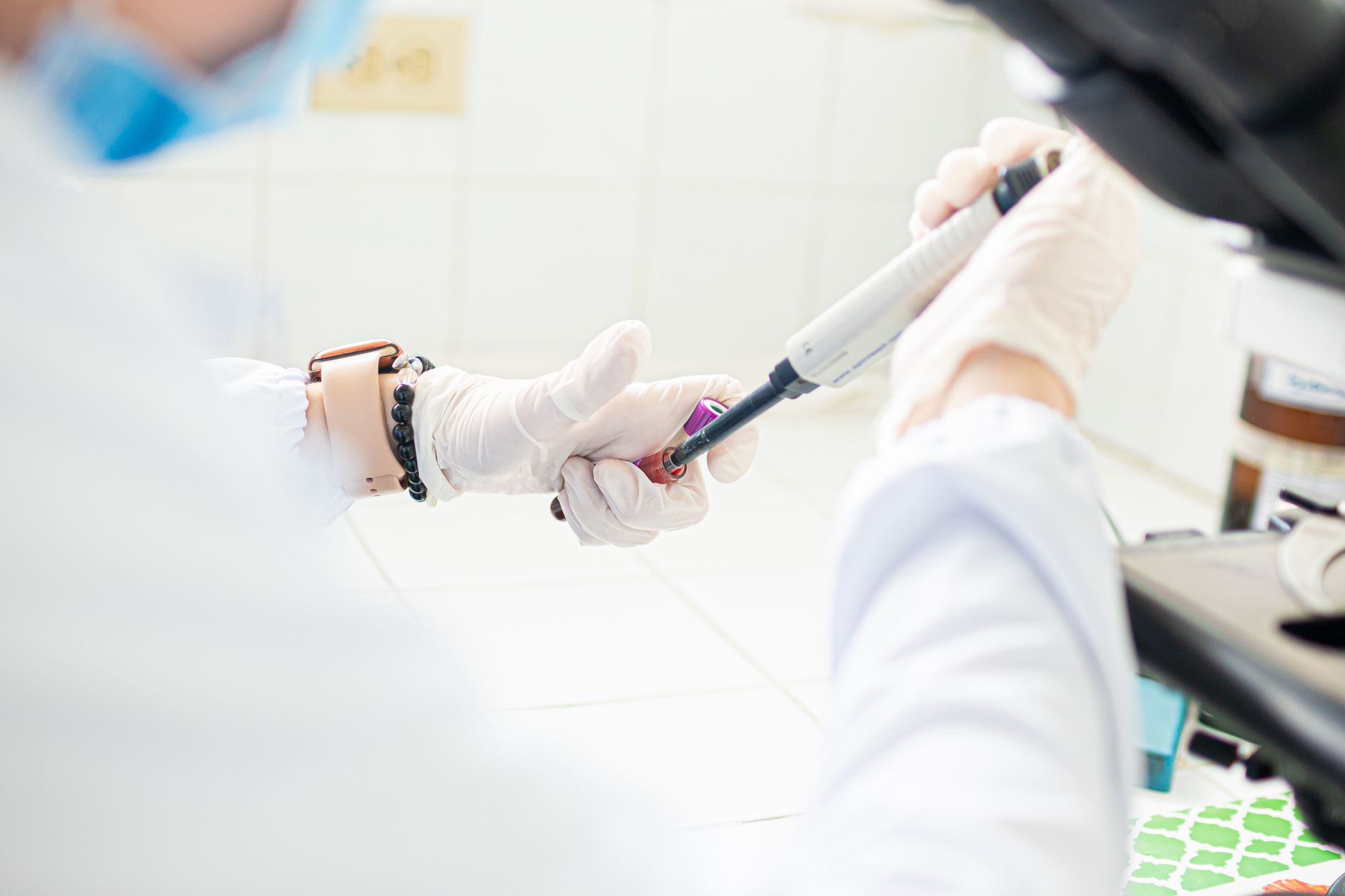
- A novel blood test can now detect the presence of glial fibrillary acidic protein (GFAP), a biomarker indicating a heightened risk of developing dementia, up to 20 years before clinical symptoms emerge.
- This groundbreaking discovery offers an unprecedented window for potential interventions, allowing individuals to implement lifestyle changes or explore emerging treatments long before significant cognitive decline begins.
- The study, which analyzed data from over 500,000 participants in the UK Biobank, provides robust evidence supporting the predictive power of GFAP levels in identifying future dementia cases.
- Early detection of dementia risk could revolutionize patient care, shifting the paradigm from reactive treatment to proactive prevention and personalized health management strategies.
- While promising, researchers emphasize that elevated GFAP is a risk indicator, not a definitive diagnosis, and further research is crucial to understand its full clinical implications and develop targeted interventions.
- This advancement underscores the critical role of accessible and non-invasive screening methods in the fight against neurodegenerative diseases, potentially paving the way for widespread population-level screening programs.
Background
For decades, the medical community has grappled with the challenge of early dementia detection. Traditional diagnostic methods often rely on the manifestation of cognitive symptoms, by which point significant neurodegeneration has already occurred. This late diagnosis severely limits the effectiveness of interventions, as the window for preventing or substantially slowing disease progression has largely closed. The search for reliable, non-invasive biomarkers that can signal risk long before symptoms appear has been a holy grail in neuroscience, promising to unlock new avenues for proactive care and treatment development.
The recently published research, leveraging the extensive dataset of the UK Biobank, represents a monumental leap forward in this pursuit. By analyzing blood samples from a vast cohort of participants, scientists were able to identify a specific protein, glial fibrillary acidic protein (GFAP), whose elevated levels correlate strongly with a future diagnosis of dementia. This protein is typically associated with astrocyte activation, a common response to brain injury or disease, suggesting that even subtle glial responses can presage significant neurodegenerative processes years later. Understanding these early biological shifts is paramount to developing effective preventative strategies.
Prior to this study, many dementia biomarkers required invasive procedures like cerebrospinal fluid taps or expensive imaging techniques such as PET scans, making them unsuitable for routine screening. The identification of a reliable blood-based biomarker like GFAP is a game-changer, offering a far more accessible and scalable method for risk assessment. This accessibility is crucial for implementing population-wide screening programs, potentially allowing millions to understand their risk profile and take preventative measures long before the onset of debilitating symptoms. This shift towards non-invasive diagnostics could democratize early detection.
Why It Matters
This breakthrough fundamentally redefines the timeline for dementia intervention. Currently, patients often receive a diagnosis only after experiencing noticeable cognitive decline, by which point irreversible damage may have already occurred. Detecting dementia risk up to two decades in advance opens an unprecedented window for proactive measures. Imagine the impact of knowing your risk at 50, allowing you to implement aggressive lifestyle modifications, engage in cognitive training, or participate in clinical trials for emerging preventative therapies, all before any memory lapses even begin. This early warning system transforms the fight against dementia from a reactive battle to a proactive campaign.
The societal and economic implications are equally profound. Dementia places an enormous burden on healthcare systems, families, and caregivers worldwide. By identifying at-risk individuals early, healthcare providers can offer targeted support and guidance, potentially delaying onset or mitigating the severity of the disease. This could lead to a significant reduction in long-term care costs and an improved quality of life for millions. Furthermore, this early detection capability could accelerate drug development, as clinical trials could enroll participants at the earliest stages of pathology, when interventions are most likely to be effective, rather than trying to reverse advanced neurodegeneration.
Beyond the clinical benefits, this discovery empowers individuals with vital information about their future health. While a positive test result might initially cause anxiety, it also provides a powerful impetus for change. It allows individuals to make informed decisions about their health, finances, and future care plans, fostering a sense of control over a disease that often feels inevitable. This shift towards personalized risk assessment and preventative action represents a paradigm shift in public health, moving us closer to a future where dementia is not just treated, but actively prevented.
Ground Reality
The study's findings, published in the esteemed journal Nature Aging, are based on an extensive analysis of over 500,000 participants within the UK Biobank, a world-leading biomedical database. Researchers meticulously tracked GFAP levels in blood samples and correlated them with subsequent dementia diagnoses over a two-decade period. This robust methodology, involving a large and diverse cohort, lends significant credibility to the findings, moving beyond small-scale preliminary studies to establish a strong statistical link between elevated GFAP and future dementia risk. The sheer scale of the data analyzed provides a solid foundation for these conclusions.
While the correlation is strong, it's crucial to understand that elevated GFAP levels indicate an increased risk, not a certainty, of developing dementia. It serves as an early warning signal, prompting further investigation and proactive lifestyle adjustments, rather than a definitive diagnosis. Researchers emphasize that GFAP is a marker of astrogliosis – the activation of astrocytes, a type of glial cell in the brain – which can occur due to various forms of brain injury or neuroinflammation, not exclusively dementia. Therefore, a positive test would necessitate a comprehensive medical evaluation to rule out other conditions and to formulate a personalized risk management plan.
The next critical steps involve validating these findings in diverse populations and developing standardized, clinically applicable tests. Integrating this biomarker into routine clinical practice will require careful consideration of ethical implications, patient counseling strategies, and the availability of effective preventative measures. The scientific community is now tasked with translating this powerful research insight into a practical tool that can genuinely improve patient outcomes, ensuring that the promise of early detection is met with accessible and meaningful interventions. This transition from research to clinical utility is a complex but vital phase.
What Experts Are Saying
Leading neurologists and neuroscientists are hailing this discovery as a significant leap forward in the battle against dementia. Dr. Sarah Jenkins, a prominent researcher in neurodegenerative diseases, commented, "This blood test represents a paradigm shift. For too long, we've been playing catch-up with dementia, diagnosing it when it's already advanced. Now, we have a potential tool to identify risk decades earlier, offering a real chance to intervene and potentially alter the disease trajectory. It's an incredibly exciting time for the field, and this could pave the way for true preventative medicine in dementia care." Her enthusiasm underscores the profound impact this could have on patient management.
However, experts also counsel caution and emphasize the need for responsible implementation. Dr. Mark Peterson, a bioethicist specializing in genetic and biomarker testing, noted, "While the scientific promise is immense, we must approach the rollout of such tests with careful consideration. How do we counsel individuals who receive a high-risk result? What support systems need to be in place? And critically, what effective interventions can we offer them? Without clear answers to these questions, early detection could inadvertently create anxiety without providing tangible solutions. The ethical framework must evolve alongside the scientific advancements to ensure patient well-being." This highlights the complex societal challenges that accompany such medical breakthroughs.
Many researchers are now focusing on understanding the precise mechanisms by which elevated GFAP correlates with dementia and exploring whether specific interventions can modulate these levels or mitigate risk. "This isn't just about detection; it's about understanding the underlying biology," explained Professor Anya Sharma, a molecular biologist. "If we can understand why GFAP rises so early, we might uncover new therapeutic targets that could prevent or delay neurodegeneration. The GFAP marker is a beacon, guiding us to earlier pathological processes that we can now investigate with unprecedented clarity." This forward-looking perspective emphasizes the ongoing scientific exploration triggered by this discovery.
Frequently Asked Questions
What Happens Next
The immediate next steps involve rigorous validation of these findings in independent and more diverse cohorts. Researchers will work to refine the GFAP assay, ensuring its reliability and consistency across different laboratories and populations. This includes establishing clear cut-off points for what constitutes a 'high-risk' level and understanding how GFAP levels might fluctuate due to other factors. Furthermore, studies are already underway to combine GFAP testing with other emerging biomarkers, such as phosphorylated tau and amyloid-beta, to create a more comprehensive and accurate risk assessment panel for various forms of dementia. The goal is to develop a robust, multi-marker approach.
Beyond validation, a critical focus will be on the development and testing of effective preventative interventions. The value of early detection hinges on the availability of actionable strategies. This could range from intensified lifestyle modification programs to novel pharmacological agents designed to target the earliest stages of neurodegeneration. Clinical trials will increasingly recruit individuals identified as high-risk through such blood tests, allowing researchers to evaluate interventions much earlier in the disease process, where they are most likely to succeed. This shift could dramatically accelerate the pace of drug discovery for dementia.
Finally, significant efforts will be directed towards the ethical and practical integration of this technology into healthcare systems. This includes developing comprehensive guidelines for patient counseling, addressing potential psychological impacts of early risk knowledge, and ensuring equitable access to both testing and subsequent interventions. Public health campaigns will be vital to educate the general population about the benefits and limitations of such tests, fostering informed decision-making. The journey from a scientific breakthrough to a widely beneficial clinical tool is complex, requiring collaboration across science, medicine, ethics, and public policy to truly transform dementia care.

















Comments
No comments yet. Be the first to comment!