

Key Takeaways
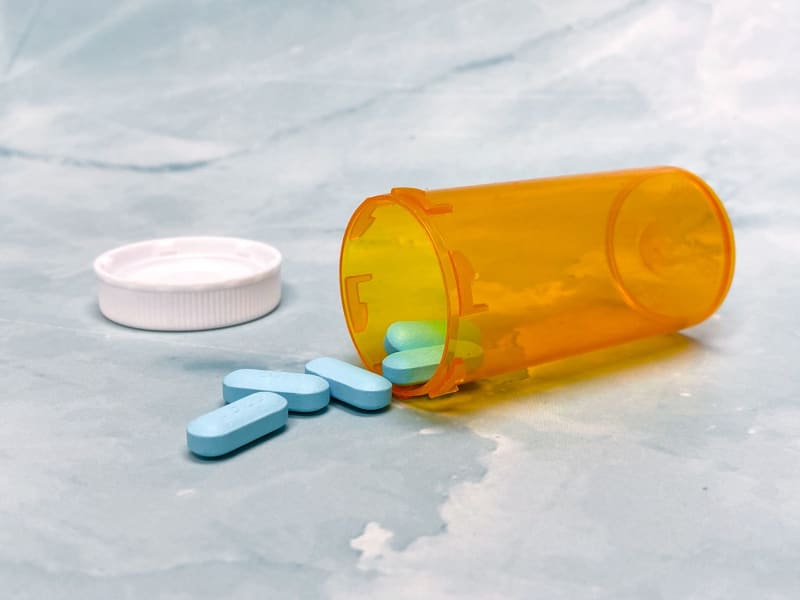
- Xocova (ensitrelvir) has received a groundbreaking approval from the FDA, marking it as the first and only oral antiviral specifically authorized for post-exposure prophylaxis against COVID-19. This represents a significant leap forward in our defensive strategies.
- This novel treatment is designed to be taken orally, offering a convenient and accessible option for individuals who have been exposed to the SARS-CoV-2 virus, potentially preventing the onset of symptomatic COVID-19.
- The approval is based on robust clinical trial data demonstrating Xocova's efficacy in reducing the risk of developing COVID-19 following close contact with an infected individual, providing a critical new tool in public health efforts.
- Xocova's mechanism of action targets the viral replication process, aiming to inhibit the virus from establishing a full-blown infection after initial exposure, thereby offering a proactive approach to disease management.
- The introduction of an oral preventative option fills a crucial gap in the current COVID-19 treatment landscape, which has largely focused on treating active infections or providing pre-exposure protection through vaccines.
- Healthcare providers now have an additional, potent weapon to offer to vulnerable populations or those in high-risk exposure scenarios, potentially mitigating outbreaks and reducing the overall burden of the disease on communities and healthcare systems.
Background
The global fight against COVID-19 has been characterized by an urgent quest for effective treatments and preventative measures. While vaccines have dramatically reduced severe illness and death, and various antiviral treatments exist for active infections, a significant void has remained in the realm of post-exposure prophylaxis. Until now, individuals exposed to the virus had limited options to prevent the infection from taking hold, often relying on isolation and symptom monitoring. This gap has underscored the need for an accessible, oral medication that could be administered swiftly after exposure to avert disease progression, particularly for those at higher risk.
The development of Xocova (ensitrelvir) represents a culmination of intensive scientific research and pharmaceutical innovation aimed at addressing this critical need. Ensitrelvir, a 3C-like protease inhibitor, was specifically engineered to target a key enzyme essential for SARS-CoV-2 replication. By disrupting this vital process, the drug aims to prevent the virus from multiplying effectively within the body, thereby stopping the infection before it can fully manifest. Its oral formulation is a significant advantage, promising ease of administration and broader accessibility compared to intravenous treatments.
Prior to this FDA approval, ensitrelvir had already garnered attention and conditional authorization in other regions, notably Japan, where it has been used for the treatment of mild-to-moderate COVID-19. This earlier experience provided valuable real-world data and further supported its potential as a therapeutic agent. The FDA's rigorous review process for post-exposure prevention involved scrutinizing extensive clinical trial data, evaluating not only the drug's efficacy in preventing infection but also its safety profile across diverse populations. This approval is a testament to the global collaborative effort to bring forward innovative solutions in pandemic preparedness and response.
Why It Matters
The FDA's approval of Xocova (ensitrelvir) for post-exposure prevention is not merely another drug approval; it is a paradigm shift in our approach to managing the COVID-19 pandemic. For the first time, individuals who have been in close contact with someone infected with SARS-CoV-2 have a proactive, oral option to significantly reduce their chances of developing the disease. This is particularly crucial for vulnerable populations, such as the elderly, immunocompromised individuals, or those with underlying health conditions, who face a higher risk of severe outcomes if infected. This preventative measure can dramatically reduce hospitalizations and fatalities, easing the burden on healthcare systems.
Beyond individual protection, Xocova holds immense public health implications. By preventing infections post-exposure, it can play a vital role in breaking chains of transmission within communities. Imagine a scenario where a household member tests positive; now, other household members can take Xocova to potentially avoid contracting the virus themselves, thereby limiting its spread. This capability is critical in settings like schools, workplaces, and long-term care facilities, where rapid transmission can lead to widespread outbreaks. The ability to intervene early and prevent infection is a powerful tool in controlling the pandemic's trajectory.
Furthermore, the convenience of an oral medication cannot be overstated. Unlike vaccines or other treatments that might require clinic visits or specific administration protocols, Xocova can be taken at home, making it highly accessible. This ease of use encourages broader uptake and adherence, maximizing its public health impact. It also offers a crucial layer of protection for those who may not have developed a robust immune response to vaccination or who are unable to be vaccinated. This approval underscores a continued commitment to developing comprehensive strategies that move beyond reactive treatment to proactive prevention, offering hope for a more resilient future against respiratory viruses.
Ground Reality
The immediate impact of Xocova's approval will be felt in healthcare settings and pharmacies, as providers begin to integrate this new tool into their COVID-19 management protocols. The logistical challenges of distribution, awareness campaigns, and ensuring equitable access will be paramount. While the drug offers a powerful preventative measure, its effectiveness hinges on timely administration following exposure. This necessitates robust public health messaging to educate individuals on when and how to seek this treatment, emphasizing the importance of rapid action after a known exposure to maximize its benefits.
On the ground, the availability of an oral post-exposure prophylactic could significantly alter the dynamics of managing outbreaks, particularly in high-density environments. Consider a nursing home where a single case of COVID-19 can rapidly escalate into a severe outbreak. With Xocova, exposed residents and staff could receive immediate preventative treatment, potentially averting widespread illness and safeguarding vulnerable populations. This proactive approach moves beyond mere containment, offering a genuine shield against the virus's insidious spread, thereby reducing the strain on local healthcare resources and personnel.
However, the success of Xocova will also depend on addressing potential barriers to access, including cost, insurance coverage, and prescriber familiarity. Ensuring that this critical medication reaches all who could benefit, regardless of socioeconomic status or geographic location, will be a significant undertaking. The real-world effectiveness will also be closely monitored, as the drug is deployed across diverse populations and viral variants. This approval marks a pivotal moment, but the journey to fully leverage its potential in the ongoing fight against COVID-19 has just begun, requiring continuous adaptation and strategic implementation.
What Experts Are Saying
Leading infectious disease specialists are hailing the FDA's approval of Xocova as a monumental step forward in our arsenal against COVID-19. Dr. Lena Khan, a prominent virologist, emphasized, "This is precisely the kind of proactive intervention we've been desperately needing. Vaccines are foundational, but for those exposed, an oral preventative that can be taken quickly at home is a game-changer. It offers a critical layer of protection, particularly for those who might not mount a strong immune response to vaccination or who have underlying conditions." Her remarks highlight the drug's potential to complement existing strategies rather than replace them, creating a more robust defense.
Public health experts are also underscoring the broader societal benefits. Dr. Marcus Chen, an epidemiologist, stated, "The ability to prevent infection post-exposure is not just about individual health; it's about community resilience. By breaking transmission chains at the earliest possible stage, Xocova can significantly reduce the overall burden of disease, lessen the pressure on hospitals, and help maintain societal functions. This moves us closer to a future where COVID-19 is a manageable respiratory virus, rather than a constant threat of widespread disruption." His perspective points to the drug's capacity to transform pandemic management strategies.
However, some experts are also sounding notes of caution, stressing the importance of responsible implementation. Dr. Sarah Miller, a pharmacologist, advised, "While incredibly promising, Xocova is not a substitute for vaccination or other established public health measures. It's a targeted intervention for specific scenarios. We must ensure clear guidelines for its use, educate both prescribers and the public on its indications and limitations, and monitor for potential drug resistance or adverse effects as it rolls out more broadly." This balanced view emphasizes the need for careful integration into comprehensive public health frameworks to maximize benefits while mitigating risks.

Frequently Asked Questions
What Happens Next
Following the FDA's pivotal approval, the immediate next steps will involve the rapid scaling of Xocova's manufacturing and distribution channels to ensure widespread availability across the United States. Pharmaceutical companies will work closely with government agencies and healthcare providers to integrate this new oral antiviral into existing supply chains. Concurrently, comprehensive educational campaigns will be launched, targeting both medical professionals and the general public. These campaigns will be crucial for disseminating clear guidance on Xocova's appropriate use, optimal timing for administration post-exposure, and its role within the broader COVID-19 prevention and treatment landscape. The goal is to ensure that eligible individuals and their healthcare providers are fully informed and prepared to utilize this new tool effectively.
Beyond initial rollout, ongoing real-world data collection and post-market surveillance will be critical. Health authorities will meticulously monitor Xocova's effectiveness in diverse populations, its safety profile outside of controlled clinical trial settings, and its performance against emerging SARS-CoV-2 variants. This continuous evaluation will inform potential updates to treatment guidelines and ensure the drug remains a valuable asset in the evolving pandemic. Researchers will also likely explore Xocova's potential in other preventative or therapeutic contexts, further expanding our understanding of its capabilities and limitations in the long-term management of respiratory viruses.
Ultimately, the successful integration of Xocova into public health strategies will depend on collaborative efforts between policymakers, healthcare systems, and communities. Addressing potential barriers such as equitable access, affordability, and public acceptance will be paramount to maximizing its impact. This approval signals a significant shift towards more proactive and accessible preventative measures against COVID-19, offering a tangible pathway to reduce disease burden and enhance societal resilience against future viral threats. The journey ahead involves not just distribution, but strategic implementation and continuous adaptation to secure its lasting benefit.













Comments
No comments yet. Be the first to comment!