
The Numbers
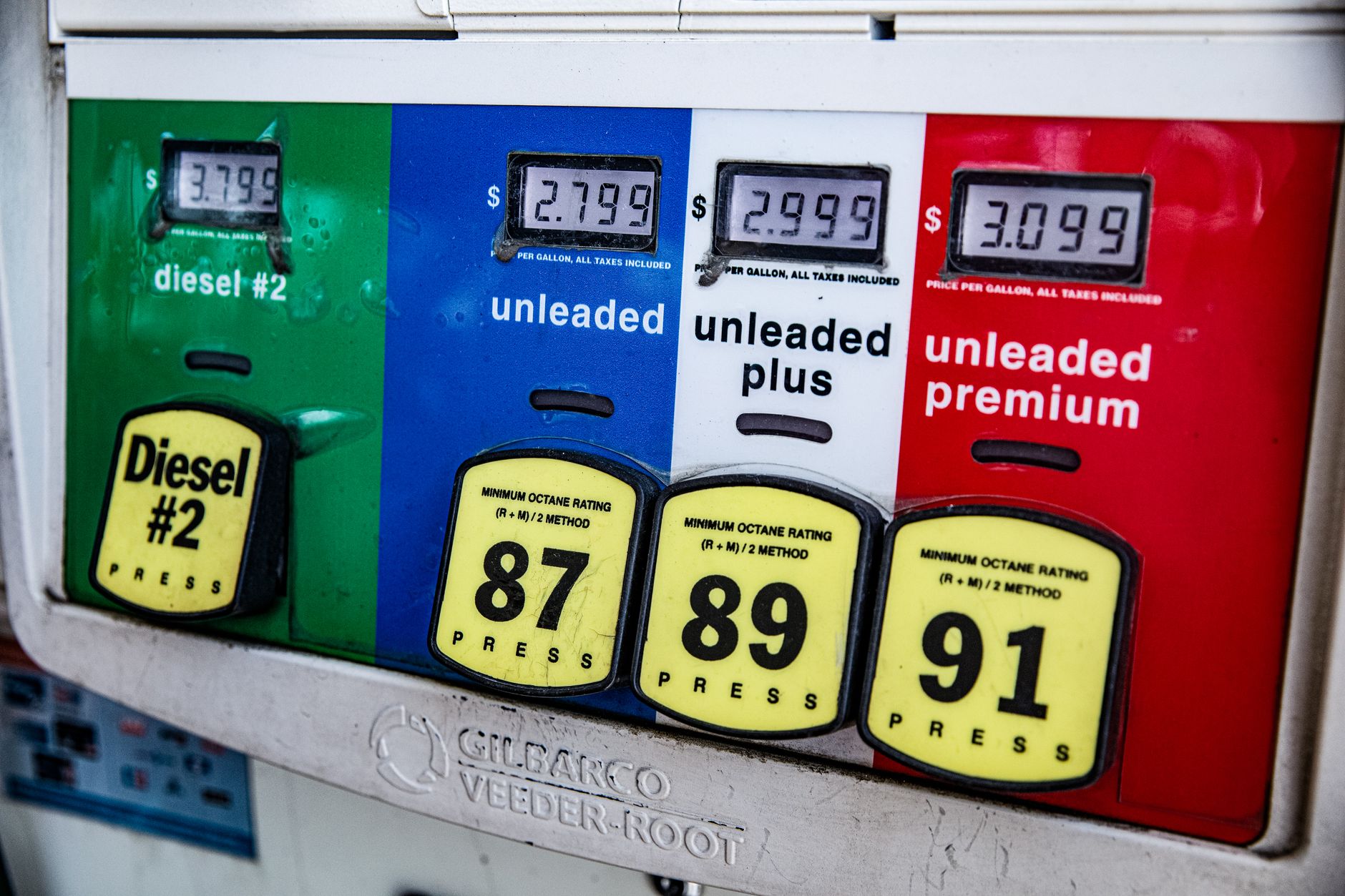
- The current national average for a gallon of regular gasoline stands at approximately $3.85, representing a significant financial burden for millions of American households and businesses.
- Former President Trump's target price of around $2.50 per gallon would constitute a dramatic reduction of over 34% from the current national average, a change that would profoundly impact consumer spending.
- Gasoline prices have fluctuated wildly over the past few years, hitting record highs in mid-2022, and remaining a persistent point of contention in economic and political discourse.
- The difference between the current average and Trump's proposed price translates to substantial savings for the average driver, potentially freeing up hundreds of dollars monthly for other essential expenditures.
- Economic data consistently shows a strong correlation between high fuel prices and increased inflation, as transportation costs ripple through supply chains, affecting the price of nearly all goods and services.
- Many economists suggest that achieving a sustained national average of $2.50 per gallon would require a confluence of increased domestic oil production, stable global supply, and potentially a reduction in demand, a complex scenario to orchestrate.
Context Check
Former President Donald Trump's recent demand for gas prices to drop to approximately $2.50 per gallon is not merely a policy suggestion; it's a strategic maneuver designed to highlight perceived economic failures of the current administration and rally his political base. This call comes at a time when American consumers are acutely feeling the pinch of inflation across various sectors, with fuel costs being one of the most visible and frequently discussed stressors. The national average hovering around $3.85 per gallon represents a significant increase from pre-pandemic levels and a point of frustration for commuters and businesses alike.
The political landscape is heavily influenced by economic indicators, and gas prices are a particularly potent symbol of economic health for many voters. Historically, presidents have faced intense scrutiny over fuel costs, regardless of the complex global factors that truly influence them. Trump's statement taps into a widespread desire for lower everyday expenses, framing the current prices as a direct consequence of the Biden administration's policies, whether accurately or not. This narrative resonates strongly with segments of the electorate who feel economically marginalized or are struggling to make ends meet.
Achieving a national average of $2.50 per gallon would require a dramatic shift in global oil markets, domestic production strategies, and potentially even consumer behavior. Such a price point has not been consistently seen since before the major economic disruptions of the past few years, including the COVID-19 pandemic and geopolitical conflicts that have impacted oil supply chains. The feasibility of such a rapid and substantial drop is highly debated among energy experts and economists, who point to the intricate interplay of supply, demand, geopolitical stability, and refining capacity as primary drivers of fuel costs.
Background
Gasoline prices have long been a flashpoint in American politics, often serving as a barometer for public sentiment regarding the economy and the performance of sitting administrations. During Donald Trump's presidency, gas prices saw periods of relative stability and even declines, largely due to a combination of increased domestic oil production, particularly from shale, and a global market that, for a time, was less volatile. His administration often championed policies aimed at energy independence and deregulation, which supporters credited with keeping fuel costs lower, though global market dynamics also played a significant role.
The current administration, under President Joe Biden, inherited an economy grappling with the aftermath of the pandemic, including supply chain disruptions and surging demand. Gas prices began to climb significantly in 2021 and escalated further following Russia's invasion of Ukraine in early 2022, which sent shockwaves through global energy markets. The Biden administration has pursued a strategy that includes releasing oil from the Strategic Petroleum Reserve and engaging with OPEC+ nations, alongside a longer-term vision for transitioning towards renewable energy sources, which critics argue has disincentivized domestic fossil fuel production.
The disparity between Trump's proposed $2.50 target and the current $3.85 national average highlights a fundamental ideological divide on energy policy and economic management. Trump's approach emphasizes maximizing fossil fuel production and minimizing regulatory hurdles, believing this directly translates to lower prices at the pump. Biden's administration, while acknowledging the immediate need for affordable energy, also prioritizes climate change mitigation and a transition to sustainable energy, a strategy that some argue contributes to higher short-term fossil fuel costs. This ongoing debate shapes public perception and becomes a central theme in electoral campaigns.
Winners and Losers
If gas prices were to drop to Trump's target of $2.50 per gallon, the most immediate and significant winners would undoubtedly be American consumers. Households would experience substantial relief from inflationary pressures, with more disposable income available for other necessities or discretionary spending. This would particularly benefit low-income families and those in rural areas who often drive longer distances, alleviating a major financial burden. Businesses, especially those in transportation, logistics, and delivery services, would see their operating costs dramatically reduced, potentially leading to lower prices for goods and services across the economy and boosting profitability.
Politically, the Biden administration would face immense pressure if such a price drop were to occur under a different set of policies or if their current strategies fail to deliver similar results. Conversely, if Trump were to return to office and gas prices plummeted, it would be a significant political victory, validating his economic platform and potentially boosting public confidence in his administration's ability to manage the economy. The oil and gas industry, particularly producers, would likely see increased demand and potentially higher profits if the lower prices were driven by increased supply, though sustained low prices could also squeeze profit margins for some.
However, there could also be potential 'losers' in a scenario of rapidly falling gas prices. Companies heavily invested in renewable energy might face increased competition from a revitalized fossil fuel sector if the economic incentive to switch to cleaner alternatives diminishes. Environmental advocates would likely view a return to consistently low gas prices as a setback for climate goals, potentially encouraging higher consumption of fossil fuels and delaying the transition to sustainable energy. Furthermore, states and municipalities that rely on gas taxes for infrastructure funding might see a reduction in revenue if consumption patterns shift or if the tax base is eroded by lower prices, necessitating alternative funding mechanisms.
Analyst Perspectives
Energy market analysts generally agree that achieving a sustained national average of $2.50 per gallon is an ambitious target, given current global supply-demand dynamics and geopolitical uncertainties. Many experts point out that while domestic production can influence prices, crude oil is a globally traded commodity, and international events—such as conflicts in oil-producing regions or decisions by OPEC+—have a profound and often immediate impact on prices at the pump. "The idea that a single administration can unilaterally dictate gas prices to such a precise figure ignores the complex interplay of global forces at play," noted one prominent energy economist.
Economists also highlight the role of refining capacity and distribution costs, which add to the price of gasoline beyond the raw cost of crude oil. Even if crude prices were to drop significantly, bottlenecks in refining or transportation infrastructure could prevent a direct translation to lower pump prices. Furthermore, the shift towards cleaner fuels and environmental regulations, while beneficial for the planet, can add to the cost of production and distribution. "The market is not a simple lever; it's a sophisticated machine with many moving parts, and political rhetoric often oversimplifies its mechanics," an industry analyst commented.
Political analysts view Trump's demand as a clear strategic move ahead of the upcoming election cycle. They suggest it aims to tap into voter frustration over inflation and position him as a leader who prioritizes immediate economic relief for the average American. "This isn't just about gas prices; it's about framing the economic narrative and drawing a sharp contrast with the incumbent administration," explained a political strategist. They emphasize that while the feasibility of the $2.50 target is debatable, its political impact in galvanizing support and creating a talking point is undeniable, regardless of the underlying economic realities.

Key Questions Explained
The Outlook
The immediate outlook for gas prices reaching Trump's $2.50 target remains highly uncertain. Energy market forecasts generally predict continued volatility, with prices influenced by ongoing geopolitical tensions, the pace of global economic recovery, and decisions by major oil-producing nations. While some seasonal fluctuations are expected, a sustained drop of over a dollar per gallon from current averages would require a significant and unforeseen shift in market fundamentals or a dramatic policy intervention that alters the global supply-demand balance.
Politically, gas prices will undoubtedly remain a central theme in the upcoming election cycle. Both the current administration and its challengers will continue to leverage fuel costs as a key indicator of economic performance and a point of contention. The ability of either party to convincingly articulate a strategy for affordable energy, or to demonstrate tangible results, will likely play a significant role in shaping public opinion and influencing voter behavior.
Looking further ahead, the long-term trajectory of energy prices will be shaped by the global transition towards renewable energy, technological advancements in fuel efficiency, and evolving environmental policies. While the immediate focus remains on fossil fuel costs, the broader energy landscape is undergoing a fundamental transformation. This transition, while promising for climate goals, introduces its own set of economic challenges and opportunities that will continue to influence the cost of powering homes and transportation for decades to come.


















Comments
No comments yet. Be the first to comment!