
Key Takeaways
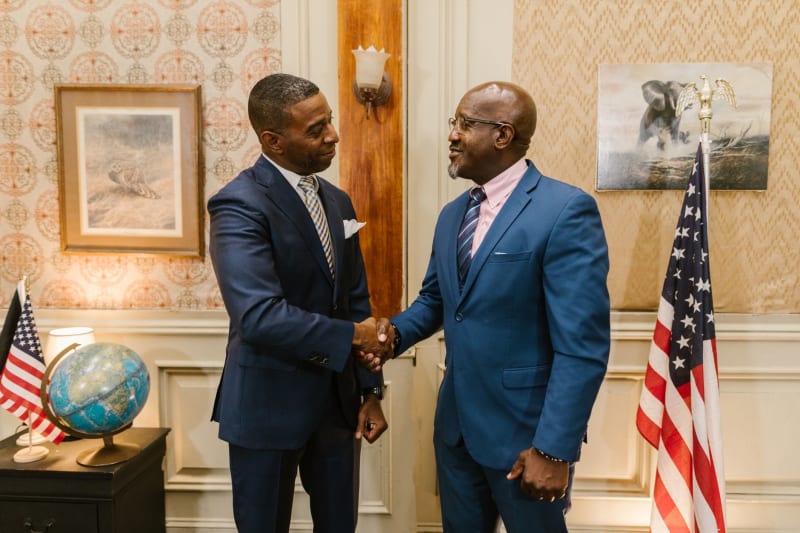
- Both the United States and Iran have formally agreed to a significant de-escalation of military posturing and rhetoric, marking a critical step back from the precipice of direct conflict that has loomed large for months.
- The agreement includes a commitment to re-engage in direct and indirect diplomatic talks, focusing initially on confidence-building measures and exploring pathways to broader negotiations on nuclear issues and regional security.
- This diplomatic breakthrough was facilitated by intensive, discreet back-channel communications, involving several neutral intermediaries who played crucial roles in bridging the communication gap between the two nations.
- Regional allies and adversaries alike are closely monitoring these developments, with implications for power dynamics in the Middle East, particularly regarding the ongoing conflicts in Yemen, Syria, and Iraq.
- Global oil markets have reacted positively to the news, showing signs of stabilization as the immediate threat of supply disruptions in the Strait of Hormuz appears to recede, offering a much-needed respite for the global economy.
- Despite the positive momentum, significant challenges remain, including deep-seated mistrust, differing interpretations of past agreements, and the complex web of proxy conflicts that continue to fuel instability across the region.
Background
The relationship between the United States and Iran has been fraught with tension for decades, characterized by periods of intense hostility, economic sanctions, and proxy conflicts. Following the 1979 Iranian Revolution, diplomatic ties were severed, ushering in an era of mutual suspicion and confrontation. The nuclear program developed by Iran became a central point of contention, leading to international sanctions and the landmark 2015 Joint Comprehensive Plan of Action (JCPOA), which aimed to curb Iran's nuclear ambitions in exchange for sanctions relief. However, the U.S. withdrawal from the JCPOA in 2018 under the previous administration reignited severe tensions, leading to a dramatic escalation of rhetoric and military activities in the Persian Gulf.
In recent years, the situation has been particularly volatile. Incidents such as attacks on oil tankers, drone strikes, and the assassination of high-profile military figures on both sides pushed the region to the brink of a wider conflict. These events created a dangerous cycle of retaliation and counter-retaliation, with each action increasing the risk of miscalculation. International bodies and several allied nations repeatedly called for de-escalation, recognizing the immense potential for a devastating regional war that would have global economic and humanitarian repercussions. The constant state of alert and the deployment of significant military assets by both sides underscored the urgency of finding a diplomatic off-ramp.
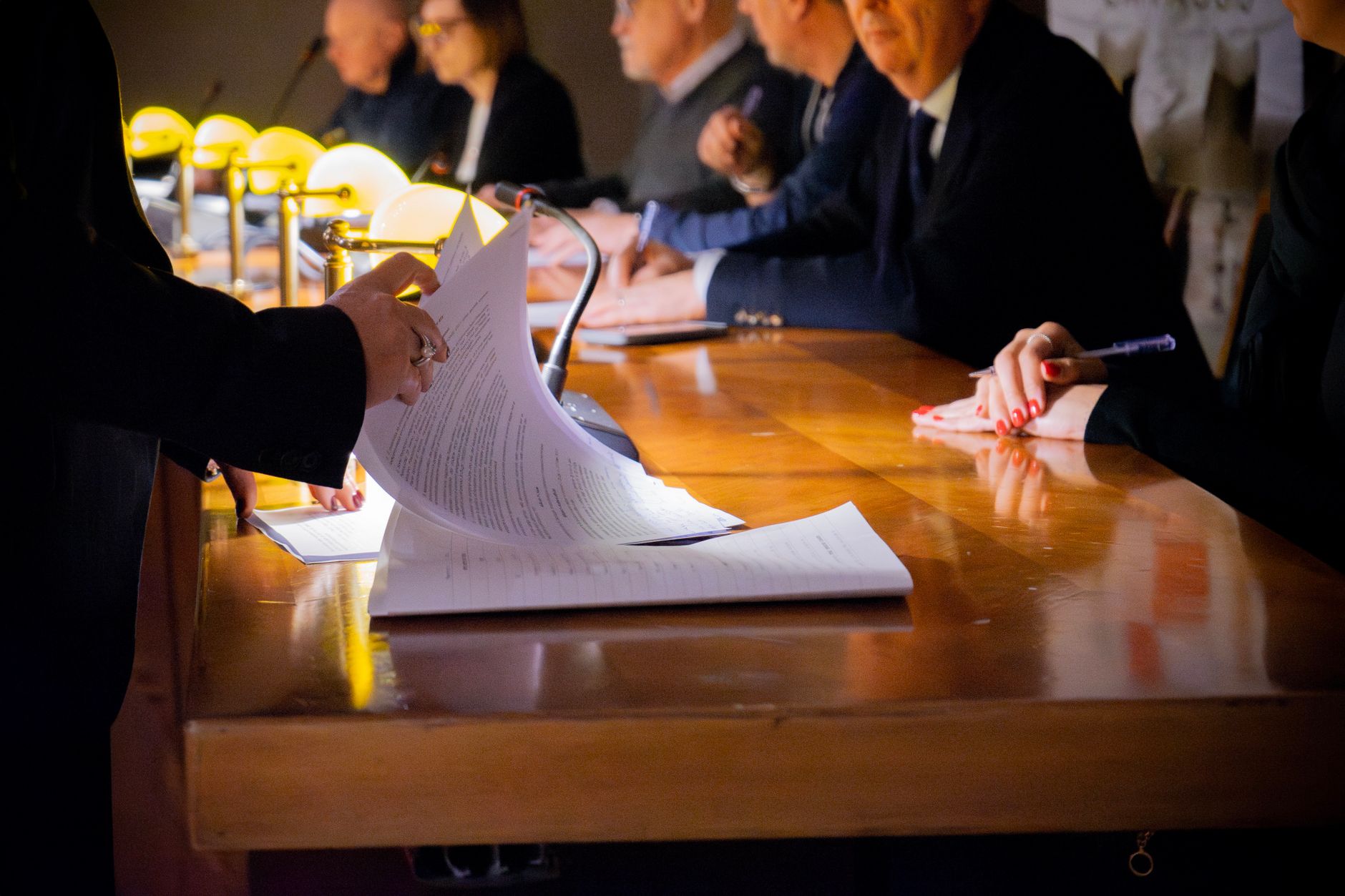
The current agreement to stand down and resume talks did not emerge from a vacuum; it is the culmination of months of intense, often unpublicized, diplomatic efforts. These efforts involved various intermediaries from Oman, Qatar, and European nations, who worked tirelessly behind the scenes to establish channels of communication and build a fragile bridge of trust. These back-channel discussions focused on identifying common ground, defining red lines, and exploring initial steps that both nations could take to signal a genuine commitment to de-escalation. The breakthrough highlights the persistent belief among some international actors that even the most entrenched adversaries can find a path to dialogue when the alternative is too catastrophic to contemplate.
Why It Matters
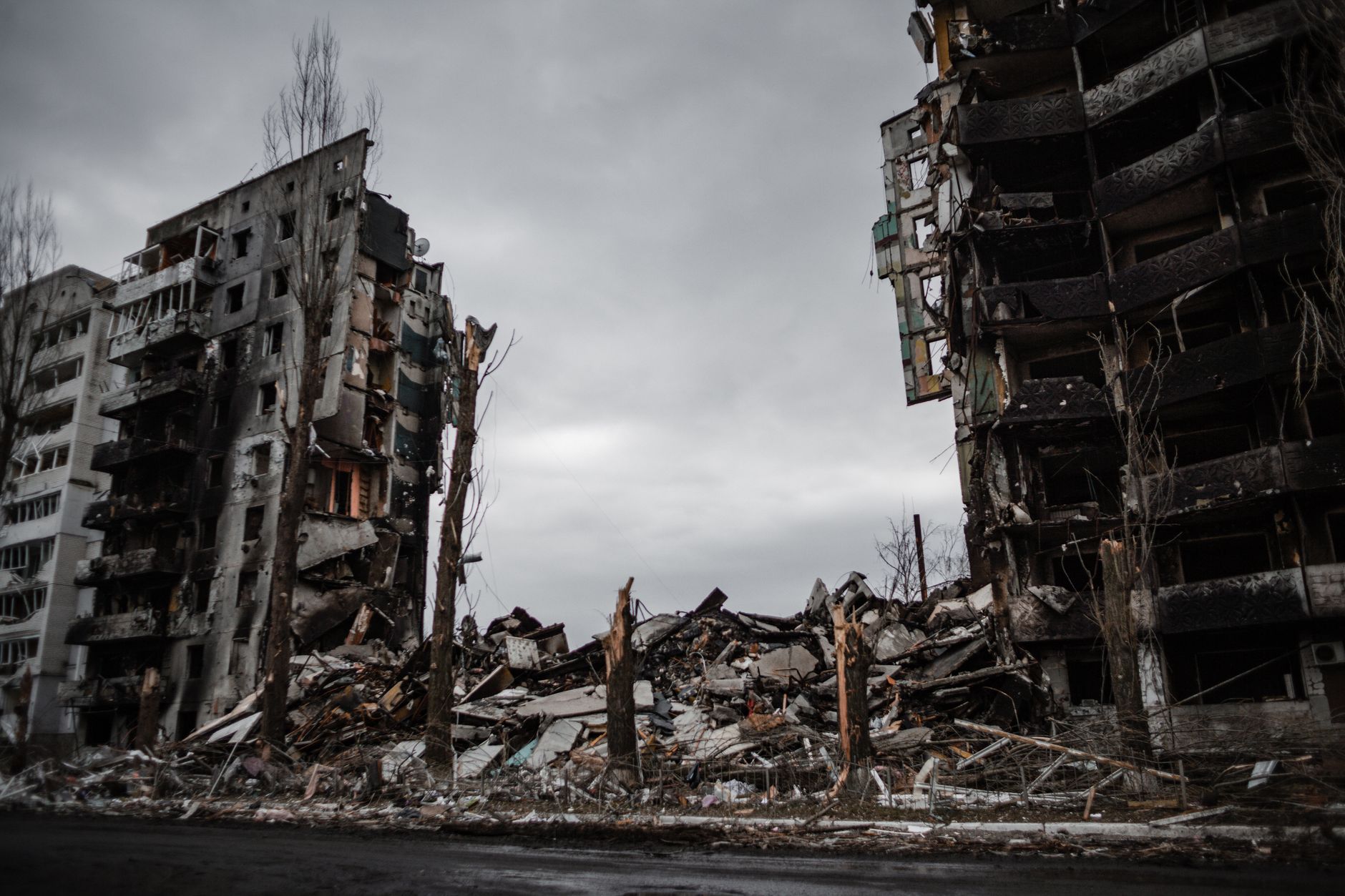
This de-escalation is not merely a diplomatic nicety; it represents a critical pivot away from a potential full-scale regional war that would have catastrophic implications. The Middle East, already a crucible of complex conflicts and humanitarian crises, cannot afford another major conflagration. A direct military confrontation between the U.S. and Iran would inevitably draw in other regional powers, destabilizing global energy supplies, triggering massive refugee flows, and potentially empowering extremist groups. This agreement, however tenuous, offers a glimmer of hope that a more peaceful resolution to long-standing grievances might be possible, preventing untold suffering and economic devastation.
Beyond the immediate prevention of conflict, the resumption of talks holds profound significance for global energy security and economic stability. The Strait of Hormuz, a vital chokepoint for a significant portion of the world's oil supply, has been a flashpoint for maritime incidents. Any disruption there sends shockwaves through international markets, driving up oil prices and threatening global economic recovery. A commitment to dialogue and reduced military posturing in the region provides a much-needed sense of predictability and security for shipping lanes, which directly benefits consumers and industries worldwide. This stability is crucial for fostering global trade and investment, which thrive on certainty rather than geopolitical volatility.
Furthermore, this development could fundamentally reshape geopolitical alignments and diplomatic strategies in the Middle East. For years, regional actors have been forced to align themselves in anticipation of a U.S.-Iran clash. A genuine de-escalation could open new avenues for regional dialogue, potentially fostering a more cooperative security architecture. It might also encourage other nations to re-evaluate their own foreign policy stances and investment strategies in the region. The very act of two long-standing adversaries agreeing to talk sends a powerful message that diplomacy, even in the most challenging circumstances, remains a viable and essential tool for conflict resolution and the pursuit of shared interests.
Ground Reality
On the ground, the immediate impact of the de-escalation agreement is a palpable reduction in military alerts and a cautious optimism among populations in the region. For months, residents in countries bordering the Persian Gulf lived under the constant shadow of potential conflict, with heightened security measures and the ever-present threat of missile strikes or drone attacks. While military assets have not been entirely withdrawn, there is a noticeable decrease in aggressive posturing and surveillance activities. This shift provides a much-needed psychological relief, allowing communities to breathe a little easier, even as they remain acutely aware of the deep-seated issues that still need to be addressed through sustained diplomatic efforts.
However, the underlying proxy conflicts that have fueled much of the U.S.-Iran tension continue to simmer. In Yemen, Syria, and Iraq, various armed groups backed by either Washington or Tehran remain active, and their rivalries are deeply entrenched. The de-escalation agreement primarily focuses on direct state-to-state confrontation, but it does not automatically resolve these complex, localized conflicts. While a reduction in direct U.S.-Iran tensions might create space for broader diplomatic solutions in these proxy arenas, progress will be slow and arduous, requiring dedicated efforts from all parties involved to transition from military engagement to political reconciliation and humanitarian aid.
Economically, the initial reaction has been positive, particularly in global oil markets, which saw a slight dip in prices and increased stability. For countries in the region, the prospect of reduced military spending and increased trade opportunities is a welcome development. However, the long-term economic benefits depend heavily on the sustainability of the de-escalation and the eventual lifting of sanctions. The Iranian economy, in particular, has been severely hampered by international restrictions, and a genuine path to recovery requires concrete steps towards a comprehensive agreement. Until then, businesses and investors will remain cautious, awaiting more definitive signs of lasting peace and economic integration.
What Experts Are Saying
Analysts are largely welcoming the de-escalation, though many caution against premature celebration. Dr. Sarah Khan, a Middle East policy expert at the Royal Institute for International Affairs, notes, "This agreement is a crucial first step, pulling both nations back from the brink. However, it's essential to recognize that this is merely a pause, not a resolution. The fundamental disagreements over Iran's nuclear program, its regional influence, and the future of the JCPOA remain formidable obstacles. The real work of diplomacy, which is often far more challenging than simply avoiding conflict, begins now. We must temper our optimism with a healthy dose of realism regarding the deeply entrenched mistrust and divergent strategic interests."
Professor David Chen, an international relations scholar specializing in U.S. foreign policy at Georgetown University, emphasizes the domestic political pressures influencing both sides. "For the U.S. administration, de-escalation demonstrates a commitment to diplomacy and avoids a costly military entanglement, which aligns with public sentiment for non-intervention. For Iran, the economic pressures from sanctions are immense, and a pathway to talks offers a potential lifeline. Both leaders are navigating complex domestic landscapes, and this agreement allows them to claim a diplomatic victory while managing internal dissent. The challenge will be sustaining this momentum when hard compromises inevitably become necessary, especially concerning the nuclear dossier and regional proxy conflicts."
Security consultant and former diplomat, Ambassador Lena Petrova, highlights the role of international mediation. "The quiet diplomacy by Oman, Qatar, and certain European states was absolutely indispensable. These intermediaries provided the necessary trust and communication channels when direct contact was politically impossible. Their success underscores the enduring value of neutral third parties in de-escalating seemingly intractable conflicts. The international community now has a responsibility to support these talks, providing incentives and frameworks that encourage both Washington and Tehran to move beyond initial de-escalation towards a more comprehensive and sustainable peace agreement, addressing the root causes of instability."

Frequently Asked Questions
What Happens Next
The immediate future will see a period of intense, likely discreet, diplomatic activity. Initial talks are expected to focus on low-hanging fruit: confidence-building measures such as prisoner exchanges, humanitarian aid cooperation, and perhaps even minor de-escalation steps in proxy conflict zones. These early successes, however small, are crucial for building the necessary trust and rapport between negotiating teams. Both sides will be testing the waters, assessing the sincerity and commitment of the other, before committing to more substantive and politically challenging discussions. The world will be watching closely for any signs of tangible progress, as well as any potential pitfalls that could reignite tensions.
Looking further ahead, the ultimate goal for many international observers is the establishment of a more comprehensive framework for stability in the Persian Gulf, potentially including a return to some form of the JCPOA or a new, broader regional security dialogue. This would require addressing not only Iran's nuclear ambitions but also its ballistic missile program and its role in regional conflicts. Such an ambitious undertaking will be fraught with challenges, demanding significant concessions from both the U.S. and Iran, as well as the active participation and buy-in from regional powers. The path to lasting peace is long and arduous, but this de-escalation offers a critical starting point.
However, the fragility of this newfound diplomatic window cannot be overstated. Any misstep, whether a perceived provocation, a breakdown in communication, or the emergence of a new regional crisis, could quickly unravel the progress made. Both nations will need to demonstrate sustained political will and a commitment to restraint, even in the face of internal and external pressures. The international community, through continued mediation and support, will play a vital role in nurturing this delicate process, reminding all parties of the immense costs of failure and the profound benefits of a stable and peaceful Middle East.






Comments
No comments yet. Be the first to comment!