
The Story in Brief
- The European Council has officially prolonged its extensive economic sanctions targeting specific sectors of the Russian economy for an additional 12 months, reinforcing its commitment to deterring aggression.
- These stringent measures were initially introduced in 2014 in response to Russia's illegal annexation of Crimea and its deliberate destabilization of Ukraine, and have been significantly expanded since February 2022.
- The sanctions package encompasses critical restrictions on finance, energy, technology, and dual-use goods, effectively limiting Russia's capacity to wage war and sustain its military-industrial complex.
- Diplomatic sources indicate that the decision to extend these sanctions was unanimous among all EU member states, demonstrating a united front against Moscow's continued belligerence and disregard for international law.
- This extension is a clear signal that the EU remains steadfast in its support for Ukraine's sovereignty and territorial integrity, and will not waver in applying economic pressure until a just and lasting peace is achieved.
- The ongoing effectiveness and future adjustments of these sanctions will be subject to continuous review by the Council, ensuring they remain potent and adaptable to evolving geopolitical circumstances and Russian tactics.
The Human Face
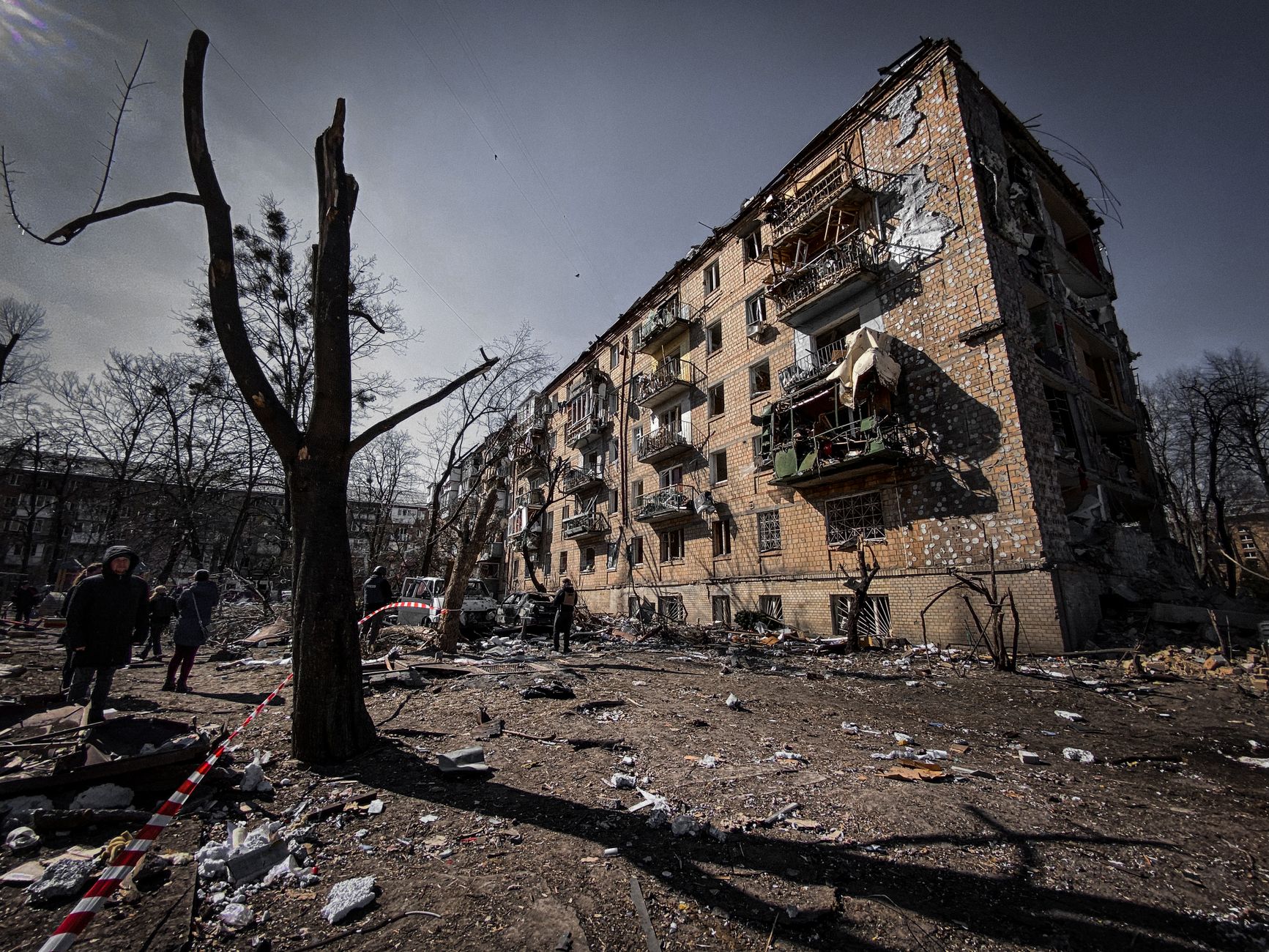
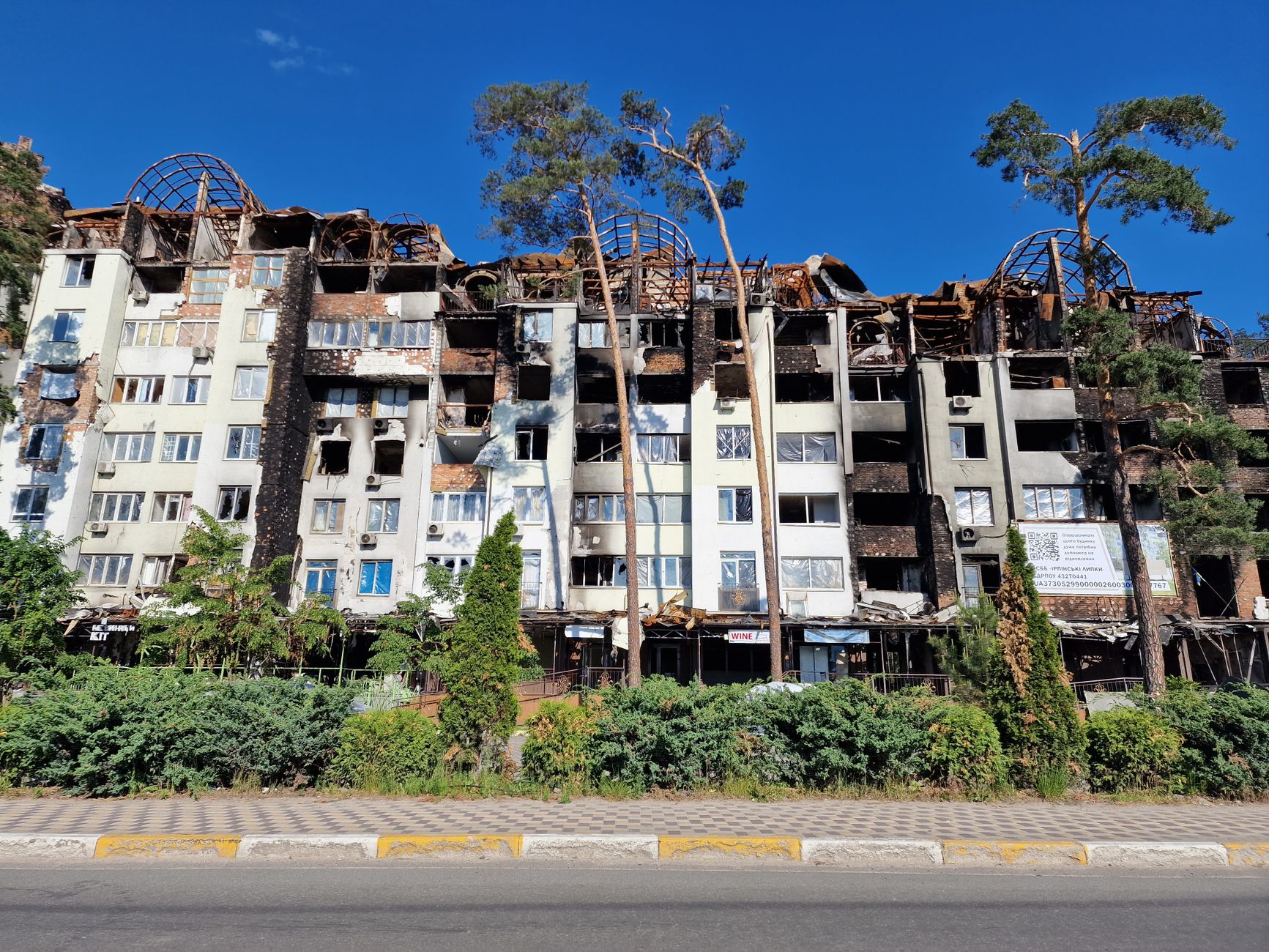
While economic sanctions are often discussed in terms of macroeconomic indicators and geopolitical strategies, their true impact resonates deeply with the lives of ordinary people. In Ukraine, the continuation of these sanctions offers a glimmer of hope amidst the daily struggle for survival. Families displaced by conflict, communities shattered by bombardment, and individuals fighting for their freedom see these measures as a crucial component of international solidarity. They represent a tangible effort by the global community to constrain the aggressor, aiming to reduce the flow of resources that fuel the destruction of their homes and lives. For many Ukrainians, these sanctions are not just policy; they are a lifeline, a testament that the world has not forgotten their plight.
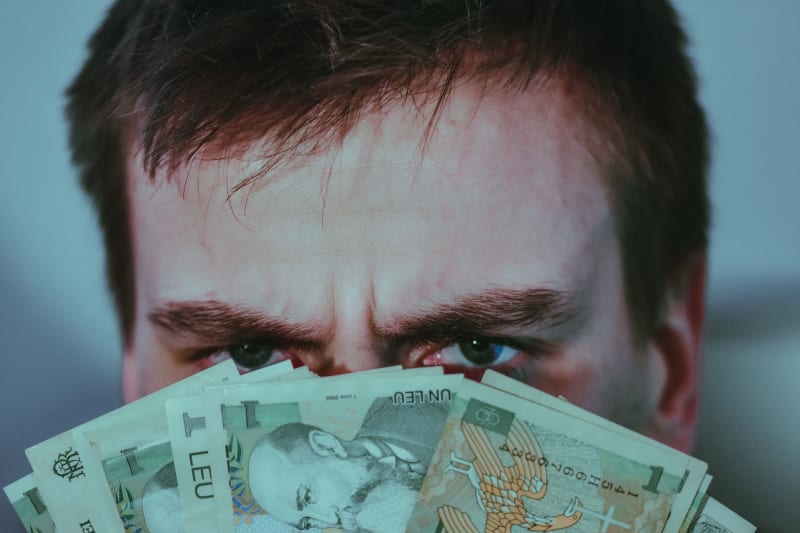
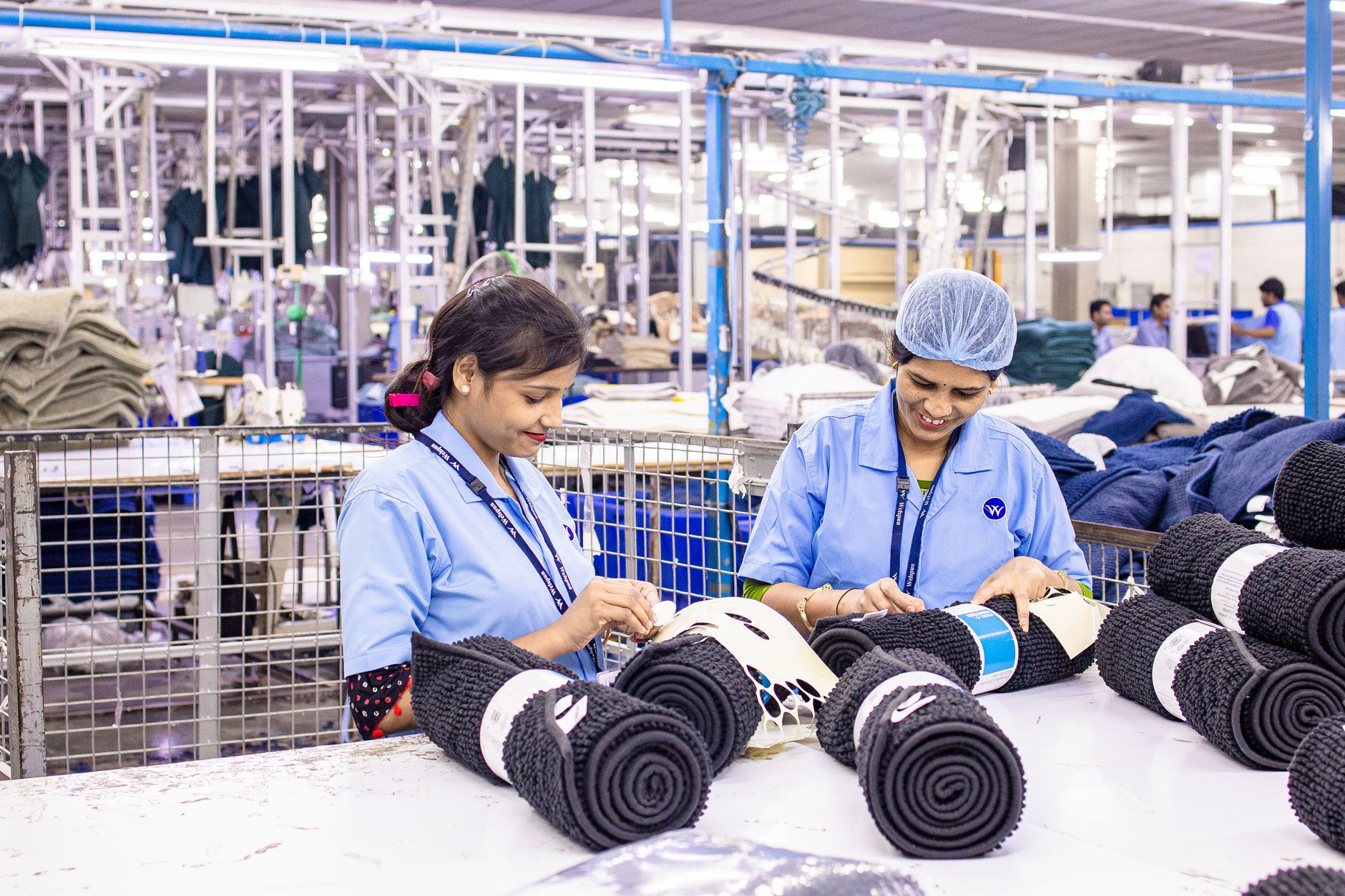
Conversely, within Russia, the impact of these sanctions is felt in various ways, often disproportionately affecting different segments of society. While the Kremlin attempts to project an image of resilience and self-sufficiency, the reality for many ordinary Russians involves a shrinking economy, limited access to international goods and services, and a palpable sense of isolation. Businesses struggle with supply chain disruptions and reduced export markets, leading to job losses and economic uncertainty. The human cost here is measured in diminished opportunities, rising prices, and a growing disconnect from the global community, creating a complex web of challenges for citizens who may or may not support their government's actions.
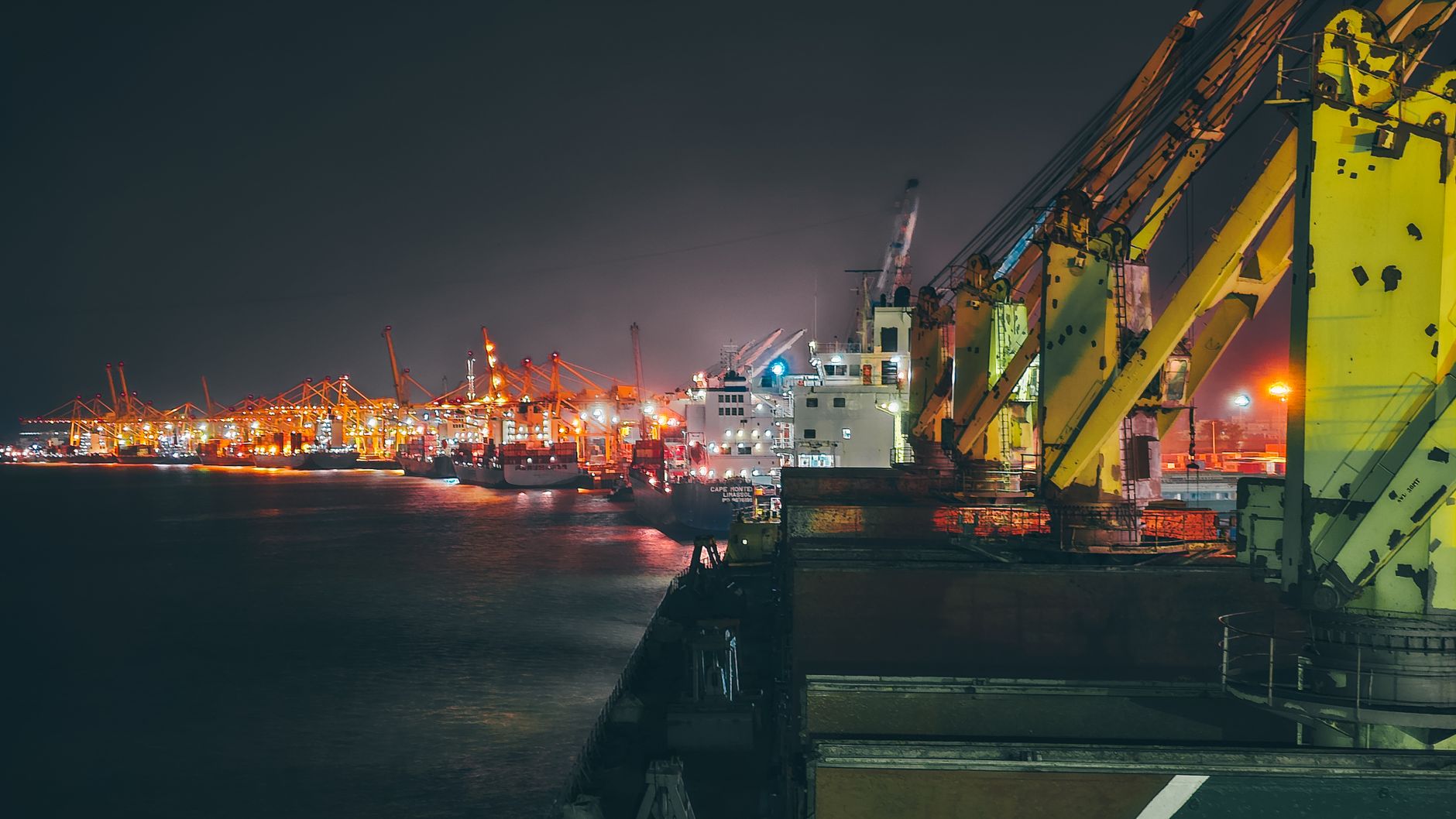
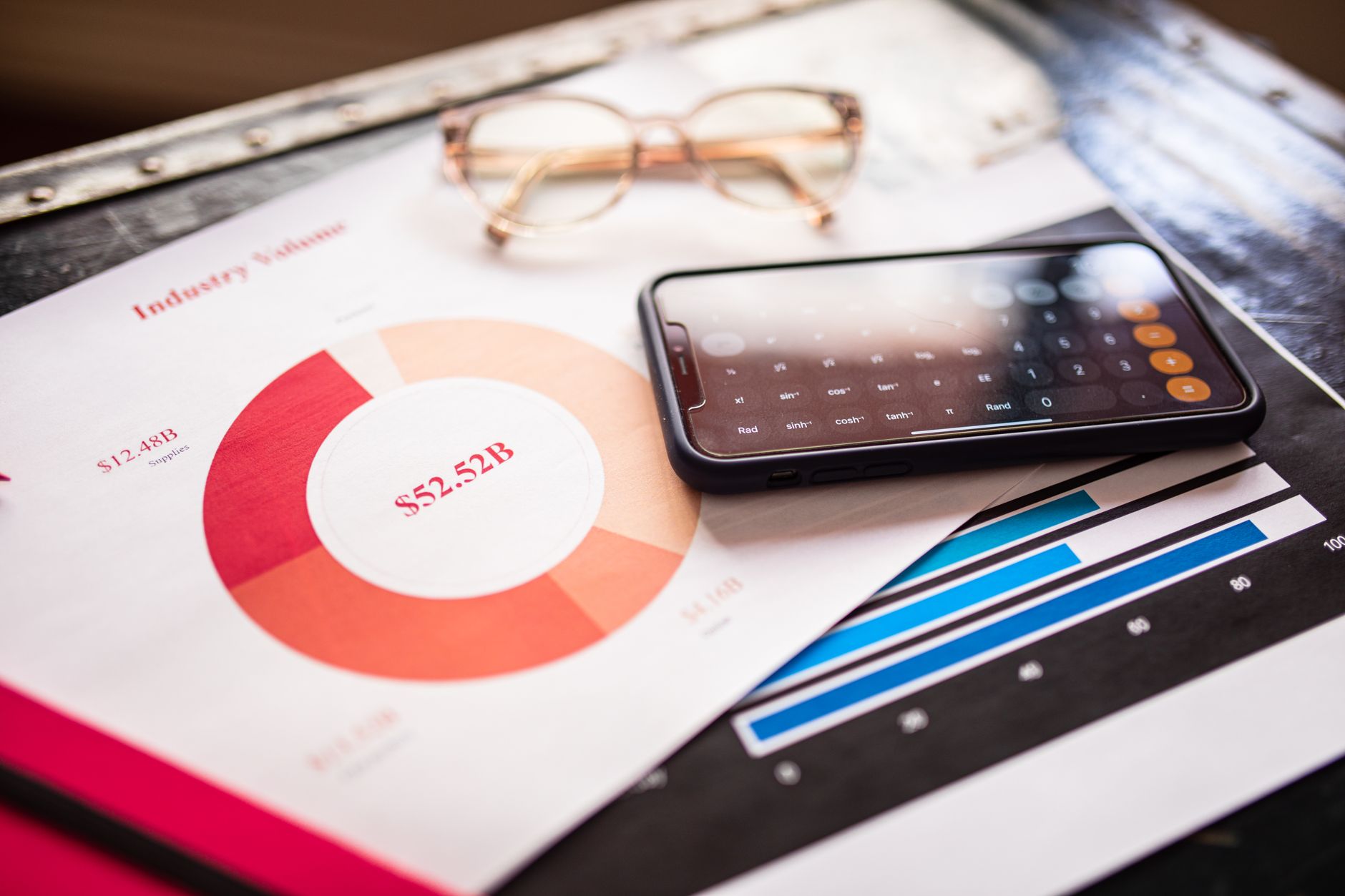
The ripple effects of these sanctions also extend to global markets and supply chains, impacting consumers and producers far beyond the immediate conflict zone. Rising energy prices, disruptions in food supply, and inflationary pressures are felt worldwide, demonstrating the interconnectedness of the global economy. For humanitarian organizations, the sanctions regime presents both opportunities and challenges, as they navigate complex regulations to deliver aid to those most in need while ensuring compliance. Understanding the human dimension of these policies is crucial, as it underscores the ethical imperative behind their implementation and the careful balancing act required to achieve their intended goals without exacerbating unintended suffering.
How We Got Here
The genesis of the EU's comprehensive sanctions regime against Russia dates back to March 2014, following Russia's illegal annexation of Crimea and its subsequent deliberate destabilization of eastern Ukraine. Initially, these measures were targeted, focusing on individuals and entities directly responsible for undermining Ukraine's territorial integrity. However, as Russia's aggression escalated, particularly with its continued support for separatists in the Donbas region, the European Union recognized the need for a more robust and far-reaching response. This led to the introduction of broader economic sanctions, designed to impact key sectors of the Russian economy and exert significant pressure on the Kremlin to alter its course.
Over the years, these sanctions have been consistently reviewed, renewed, and, crucially, expanded in response to Russia's ongoing hostile actions. The full-scale invasion of Ukraine in February 2022 marked a dramatic turning point, prompting an unprecedented wave of punitive measures from the EU and its international partners. These new sanctions significantly broadened the scope, targeting Russia's financial institutions, energy sector, transportation, technology, and defense industries. The aim was to cripple Russia's ability to finance its war machine and isolate it from the global financial system, demonstrating a collective resolve to impose severe costs for its unprovoked aggression.
The current extension of these sanctions is not merely a routine administrative act; it is a powerful reaffirmation of the EU's unwavering commitment to its core principles of sovereignty, territorial integrity, and the rule of international law. Despite the economic challenges faced by some member states due to these measures, the consensus to continue applying pressure on Russia remains strong. This sustained diplomatic and economic offensive is a testament to the long-term strategy of the EU, which seeks to compel Russia to cease its aggression, withdraw its forces from Ukraine, and respect the internationally recognized borders of its sovereign neighbor. The path to this point has been fraught with geopolitical tension, but the resolve of the EU has only hardened.
Why This Cannot Be Ignored
The extension of these sanctions is not just a bureaucratic formality; it is a critical statement of international resolve that reverberates far beyond the immediate conflict. It signals to Moscow, and indeed to any potential aggressor, that the international community will not tolerate violations of sovereign borders or the use of military force to redraw maps. Ignoring this extension would be tantamount to signaling weakness, potentially emboldening Russia to continue its destructive path in Ukraine and elsewhere. The credibility of international law and the stability of the global order are directly tied to the consistent application of such punitive measures, demonstrating that there are severe consequences for unprovoked aggression.
Furthermore, these sanctions are a vital tool in supporting Ukraine's defense and its long-term recovery. By constraining Russia's economic capacity, the EU aims to limit Moscow's ability to fund its war machine, thereby reducing the immediate threat to Ukrainian lives and infrastructure. In the longer term, the sustained economic pressure is intended to weaken Russia's overall strategic capabilities, making it harder for the Kremlin to sustain its military operations and potentially paving the way for a more durable peace. The economic strain placed on Russia directly impacts its ability to replenish military supplies, recruit personnel, and maintain its industrial base, all of which are crucial for its ongoing war effort.
Beyond the immediate conflict, the integrity of the rules-based international order hangs in the balance. If Russia's actions in Ukraine were to go unpunished, it would set a dangerous precedent, inviting other revisionist powers to challenge established norms and borders. The EU's unwavering commitment to these sanctions underscores its role as a guardian of international stability and its dedication to upholding the principles of national sovereignty and territorial integrity. This decision is a testament to the collective belief that appeasement is not an option, and that sustained, coordinated pressure is essential to deter future aggression and safeguard global peace and security for generations to come. The stakes could not be higher.
Possible Paths Forward
One potential path forward involves the EU maintaining its current robust sanctions regime while simultaneously exploring avenues for increased humanitarian aid and reconstruction efforts in Ukraine. This dual approach would continue to exert maximum economic pressure on Russia, aiming to cripple its war economy, while also demonstrating a proactive commitment to supporting the Ukrainian people through their immense suffering. Such a strategy would require careful coordination among member states to ensure the sanctions remain effective and loopholes are closed, while also scaling up financial and logistical support for Ukraine's immediate needs and future rebuilding. This path emphasizes both deterrence and direct assistance, creating a comprehensive response to the ongoing crisis.
Another trajectory could see the EU, in conjunction with its international partners, exploring the possibility of introducing even more stringent sanctions, particularly targeting sectors that Russia has managed to adapt or circumvent. This might include a deeper dive into secondary sanctions, targeting entities that facilitate Russian evasion, or expanding the scope to include new categories of goods and services. However, this path would necessitate careful consideration of potential blowback on EU economies and global markets, requiring a delicate balance between maximizing pressure on Russia and minimizing unintended consequences for allies. Any escalation would need to be strategically calibrated to ensure maximum impact on Russia with minimal collateral damage.
A third, more diplomatic, pathway would involve the EU leveraging the sustained pressure from sanctions to create conditions for meaningful negotiations. While the immediate focus remains on defense and deterrence, the ultimate goal is a just and lasting peace. This would entail exploring diplomatic channels, perhaps through neutral intermediaries, to engage Russia when and if Moscow shows genuine willingness to de-escalate and respect international law. The sanctions would serve as a powerful bargaining chip, providing leverage in any future peace talks. This approach acknowledges that while sanctions are crucial, they are a means to an end, with the ultimate objective being a peaceful resolution to the conflict that upholds Ukraine's sovereignty and territorial integrity.
Questions People Are Actually Asking
What to Watch
- **Russian Economic Resilience:** Closely monitor Russia's ability to adapt to sustained sanctions, including its efforts to find new markets for its energy exports and develop domestic alternatives for restricted technologies. Any significant shifts could indicate the evolving effectiveness of the sanctions regime.
- **EU Unity and Future Sanctions:** Observe how the EU maintains its internal unity on sanctions policy, especially as economic pressures continue. Watch for any discussions on further expanding or refining the sanctions package, potentially targeting new sectors or addressing evasion tactics.
- **Impact on Global Energy Markets:** Keep a keen eye on the ripple effects of these sanctions on global energy prices and supply chains. Any major fluctuations could signal shifts in the global energy landscape and potential challenges for both sanctioning and sanctioned nations.
- **Diplomatic Engagements and Peace Talks:** Track any developments in diplomatic efforts aimed at resolving the conflict in Ukraine. The sanctions are a tool to create leverage, so watch for signs that they are influencing Russia's willingness to engage in meaningful negotiations.
- **Humanitarian Situation in Ukraine:** Continuously monitor the humanitarian crisis in Ukraine, as the ultimate goal of these sanctions is to support Ukraine's sovereignty and alleviate suffering. Any changes in the conflict's intensity or humanitarian needs will be crucial indicators.
- **International Coalition Cohesion:** Pay attention to the broader international coalition supporting sanctions against Russia, including the G7 and other allies. Any signs of divergence or strengthening in this collective front will be critical for the long-term impact of these measures.




Comments
No comments yet. Be the first to comment!