

The Numbers
- Direct military expenditures for the conflict surpassed an estimated $500 billion, a staggering sum that diverted critical resources from domestic development and social programs across multiple nations.
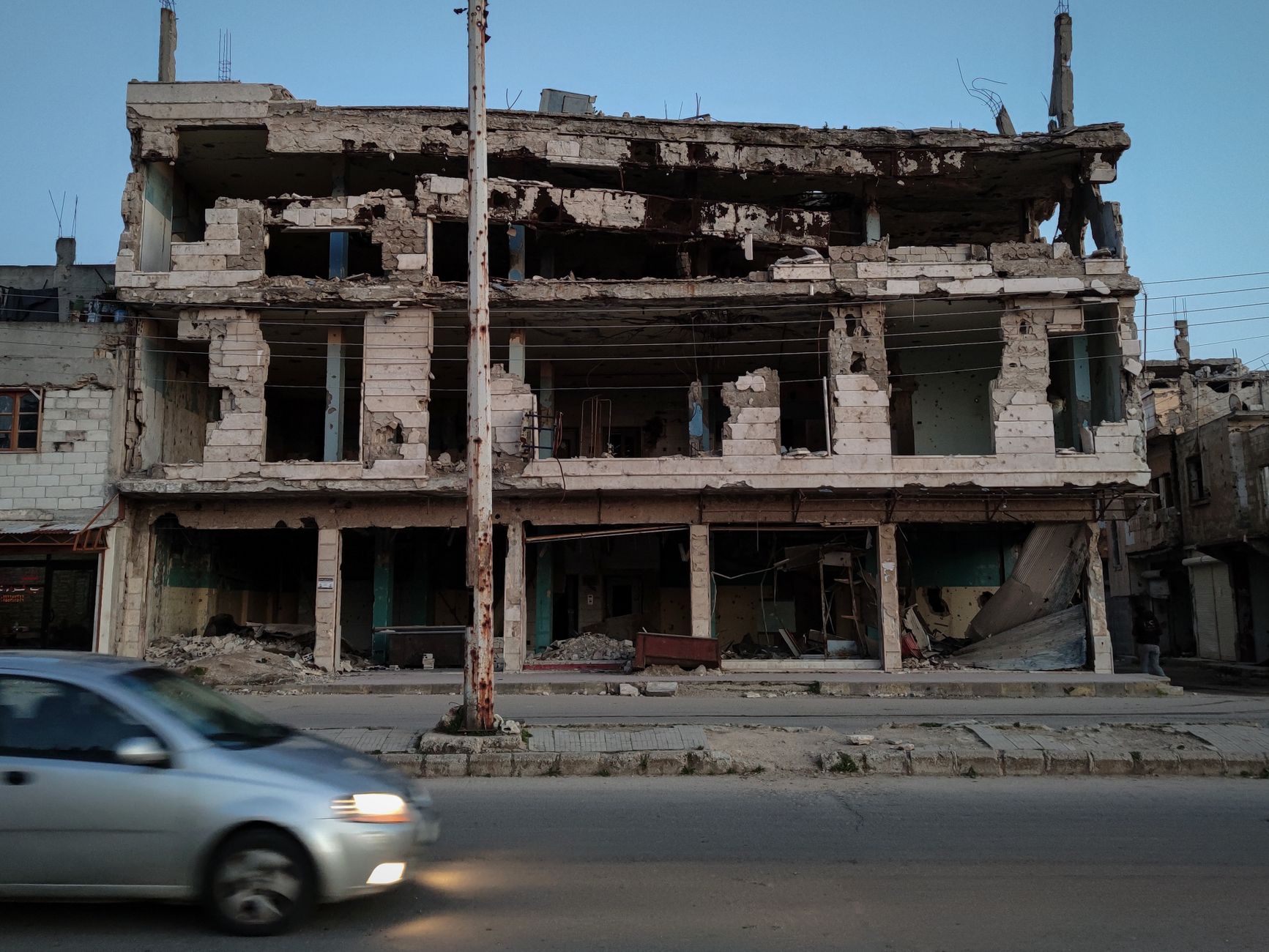
- Reconstruction costs in war-torn regions are projected to exceed $1 trillion over the next two decades, encompassing infrastructure, housing, and essential public services, presenting an unprecedented financial challenge.
- Oil prices experienced an average increase of 15% globally during the active conflict, directly impacting consumer spending, industrial production, and inflation rates worldwide, demonstrating the war's far-reaching economic tentacles.
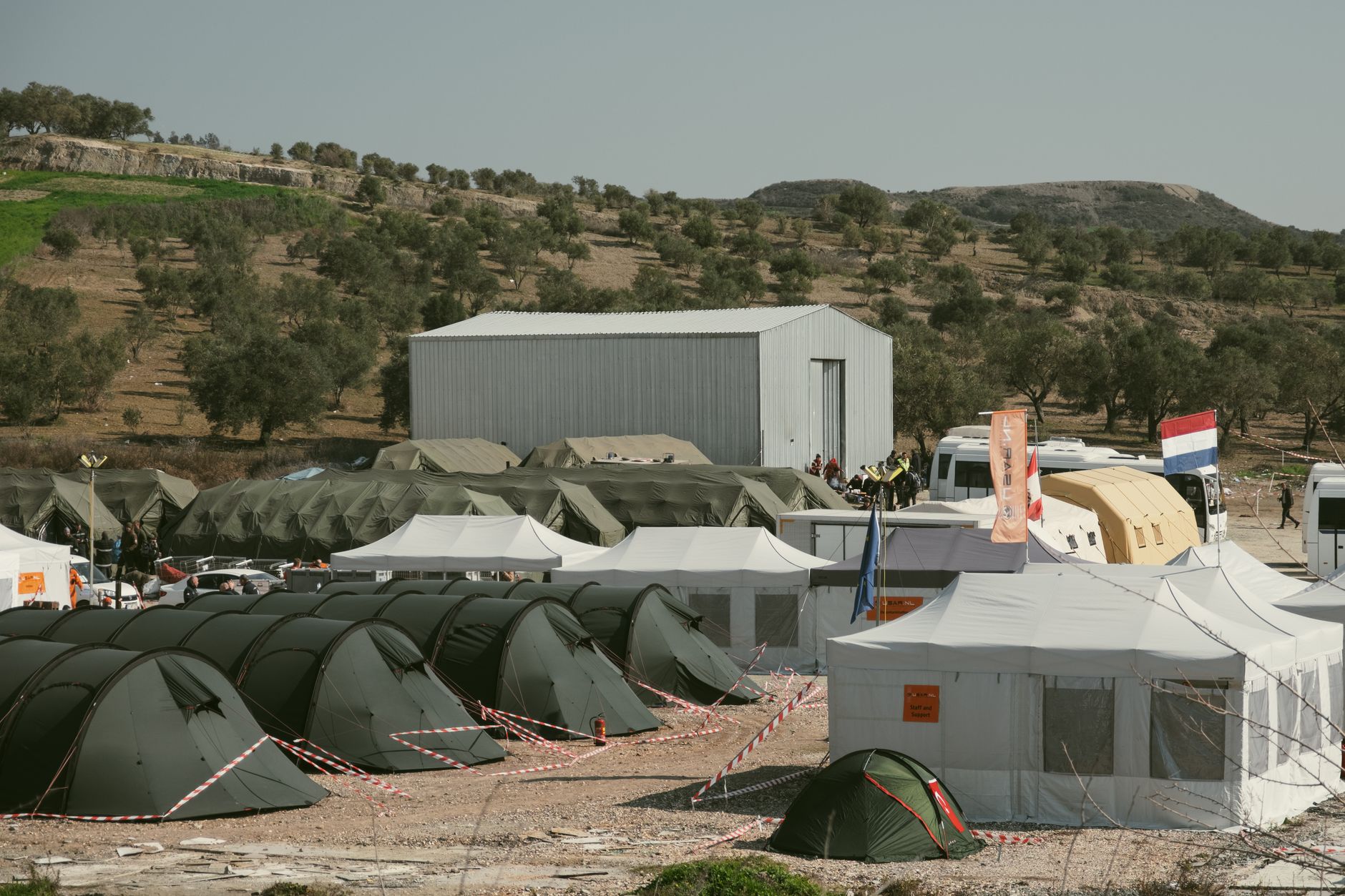
- Humanitarian aid requirements surged by 200% in affected areas, straining international relief organizations and donor nations, highlighting the immense social cost alongside the financial one.
- Foreign direct investment (FDI) in the broader Middle East region plummeted by an average of 30% during the conflict, as investors shied away from perceived instability and increased geopolitical risks.
- The displacement of over 10 million people created a massive refugee crisis, with host nations bearing significant economic and social burdens, including costs for shelter, food, healthcare, and education.
Context Check
The conflict involving Iran, while seemingly concluded on the battlefield, has unleashed a torrent of economic consequences that will ripple through the global economy for decades. These are not merely abstract figures; they represent tangible burdens on national budgets, persistent inflation for consumers, and a profound disruption to international trade and investment flows. Understanding the full scope of these lingering costs is essential for any meaningful assessment of the war's true impact, extending far beyond the immediate cessation of hostilities.
Historically, major conflicts invariably leave behind a complex web of economic challenges, from the direct costs of reconstruction to the indirect strains of geopolitical instability and shifts in global power dynamics. The Iran conflict is no exception, exacerbating existing vulnerabilities in a region already prone to volatility and adding new layers of complexity to global supply chains and energy markets. The sheer scale of destruction and displacement ensures that the recovery process will be protracted and incredibly expensive, demanding sustained international cooperation and financial commitment.
Furthermore, the war has fundamentally altered investment landscapes, with capital flight from the region and a general increase in risk premiums for businesses operating in or with ties to the Middle East. This reluctance to invest will stifle economic growth and job creation, prolonging the recovery phase and potentially creating new cycles of instability. The long-term implications for global energy security, given Iran's pivotal role in oil and gas production, also remain a significant concern, with potential for sustained price volatility and supply disruptions even in peacetime.
Background
The recent conflict involving Iran, though now officially ended, was characterized by intense regional proxy battles, significant military engagements, and substantial international intervention. These hostilities, spanning several years, devastated critical infrastructure, displaced millions, and severely disrupted economic activity across a broad swathe of the Middle East. The immediate cessation of fighting, while a welcome relief, merely marks the transition from direct combat to a new phase of economic and social reconstruction, a phase that promises to be equally challenging and costly.
The roots of the conflict are deeply embedded in geopolitical rivalries, sectarian tensions, and competition for regional hegemony, all exacerbated by external powers. This complex interplay of factors meant that the war was not a simple binary confrontation but a multifaceted struggle with numerous actors and shifting alliances. The economic consequences are therefore similarly complex, affecting not just the directly warring parties but also their neighbors, trading partners, and the global economy at large, particularly through impacts on energy markets and international shipping lanes.
Prior to the conflict, Iran possessed a significant, albeit sanctions-constrained, economy with substantial oil and gas reserves. The war, however, inflicted severe damage on its productive capacity, trade routes, and financial systems. Similarly, other nations involved or impacted by the conflict experienced profound economic contractions, massive budget deficits, and a sharp decline in living standards for their populations. The economic recovery will require not only massive financial injections but also fundamental reforms and a sustained period of regional stability, which remains an elusive goal.
Winners and Losers
In the immediate aftermath of the conflict, it's clear that the primary losers are the populations of the directly affected regions, who bore the brunt of the violence, displacement, and economic collapse. Their livelihoods have been shattered, infrastructure destroyed, and social fabric torn apart. The long-term psychological and physical trauma will persist for generations, compounding the immense financial burden of rebuilding their lives and communities. The human cost, in terms of lost potential and suffering, is immeasurable and represents the most tragic outcome of the conflict.
Economically, nations heavily reliant on Middle Eastern oil imports faced significant volatility and increased costs, impacting their industrial output and consumer prices. Furthermore, international aid organizations and donor countries are now grappling with unprecedented humanitarian demands, stretching their resources thin. While some defense contractors and arms manufacturers may have seen short-term gains, the broader global economy suffers from reduced trade, disrupted supply chains, and increased geopolitical uncertainty, creating a net negative impact for most stakeholders.
Conversely, identifying clear 'winners' in such a devastating conflict is challenging, as even those who might appear to gain a strategic advantage often inherit a region destabilized by lingering animosities and massive reconstruction needs. However, certain regional powers that managed to expand their influence or secure favorable geopolitical positions might perceive themselves as having gained, albeit at a tremendous cost to regional stability and human lives. The true long-term winners, if any, will only emerge once the dust truly settles and the economic and political landscape fully reconfigures, which could take decades.
Analyst Perspectives
Economists universally agree that the 'peace dividend' often anticipated after major conflicts is largely a myth, especially in complex regional struggles like the Iran war. Dr. Anya Sharma, a leading expert in post-conflict economics, states, "The costs of war don't magically vanish with a ceasefire. They simply transform, shifting from direct military spending to the gargantuan tasks of reconstruction, humanitarian aid, and addressing long-term social instability. These indirect costs often dwarf the initial military outlays and can cripple national budgets for generations." This perspective underscores the enduring financial burden.
Geopolitical analysts, such as Professor Mark Jenkins from the London School of Economics, emphasize the profound impact on global energy markets. "Even with the cessation of hostilities, the psychological impact on oil and gas prices will persist. Investors will remain wary of the region's inherent instability, leading to higher risk premiums and potentially sustained price volatility. This isn't just about supply; it's about perception and the long shadow of conflict over a critical energy hub," Jenkins explains. This highlights how the war's legacy will continue to influence global economic stability.
Furthermore, development economists point to the significant brain drain and capital flight experienced by affected nations. "The loss of skilled labor and the exodus of capital during the conflict represent a profound setback for economic development," notes Dr. Lena Petrova, a specialist in Middle Eastern economies. "Reversing these trends requires not just financial incentives but also robust governance, security, and a credible path to long-term stability, which are all incredibly difficult to establish in a post-conflict environment. The human capital drain alone will hamper recovery for decades." This emphasizes the multifaceted nature of the economic challenges.

Key Questions Explained
The Outlook
The economic outlook for the regions affected by the Iran war remains challenging, characterized by a protracted recovery period and significant uncertainty. While the cessation of hostilities is a crucial first step, the path to economic stability and growth is fraught with obstacles, including massive reconstruction needs, persistent geopolitical tensions, and the deep-seated social trauma inflicted by years of conflict. International cooperation and sustained financial commitment will be paramount, but even with these, a full recovery could span decades, reshaping the economic landscape of the Middle East and impacting global markets.
For global markets, the lingering effects will manifest in continued energy price volatility, disrupted supply chains, and a cautious approach from international investors towards the region. Businesses will likely factor in higher risk premiums for operations in or connected to the Middle East, potentially leading to higher costs for consumers worldwide. The imperative for nations to diversify energy sources and strengthen supply chain resilience will intensify, driving shifts in global economic strategies and potentially accelerating transitions towards alternative energy and localized production.
Ultimately, the true cost of the Iran war will be measured not just in immediate financial outlays but in the long-term erosion of human potential, the stifling of economic development, and the enduring instability it bequeaths to future generations. While hope for recovery persists, it is tempered by the stark reality that the economic scars of this conflict will remain visible and impactful for a very long time, serving as a potent reminder of the devastating financial and human price of prolonged regional strife.






Comments
No comments yet. Be the first to comment!