

At a Glance
- The United States military has confirmed launching precision strikes against multiple targets within Iran, marking a significant and concerning escalation in an already volatile region.
- These retaliatory strikes were executed in direct response to three consecutive days of heightened hostilities and alleged provocations originating from Iranian forces in the strategically vital Strait of Hormuz.
- The targeted sites in Iran are described by U.S. officials as military infrastructure directly linked to the recent maritime aggressions, aiming to degrade capabilities and deter future attacks.
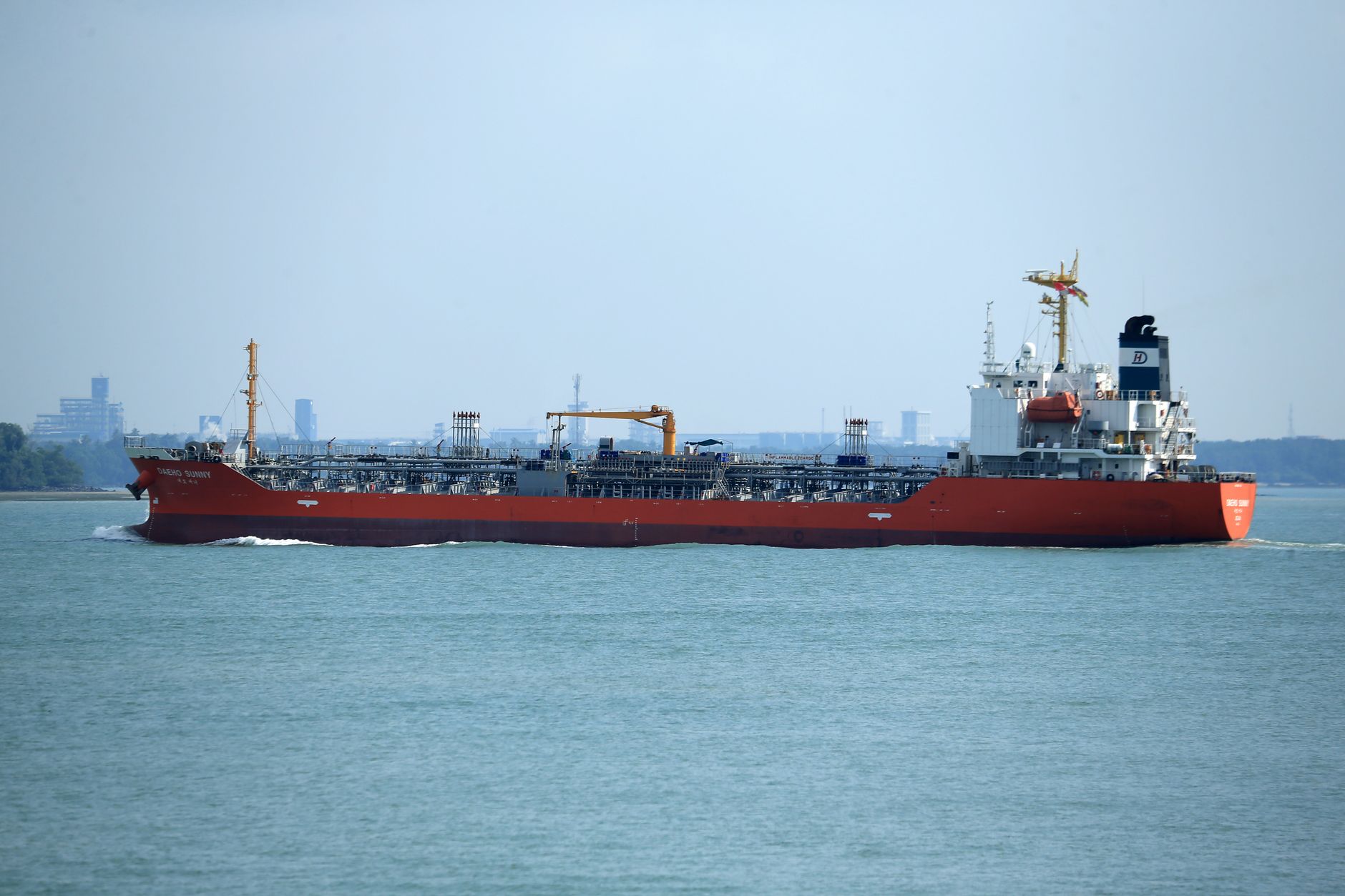
- The Strait of Hormuz, a critical global chokepoint for oil transit, has become a major flashpoint, with disruptions threatening international shipping and global energy markets.
- The international community has voiced profound concern over the rapidly escalating tensions, urging all parties to exercise maximum restraint and pursue diplomatic avenues to prevent a wider conflict.
- Experts warn that this dangerous cycle of tit-for-tat actions carries a substantial risk of drawing regional and global powers into a much broader and potentially devastating military confrontation.
The Record
The United States military has officially confirmed the execution of precision strikes against multiple targets located within Iranian territory, signaling a profound and dangerous escalation in the ongoing regional tensions. These decisive actions were undertaken, according to U.S. defense officials, as a direct and proportional response to what has been characterized as three consecutive days of unprovoked aggression and hostile activities in the critically important Strait of Hormuz. The Pentagon asserts that these operations were meticulously planned to neutralize threats and restore stability to international shipping lanes.
While specific details regarding the exact locations and nature of the targeted sites remain largely undisclosed for operational security, U.S. authorities have indicated that the strikes focused on military infrastructure and assets directly implicated in the recent maritime incidents. This includes facilities believed to be instrumental in the planning, command, and execution of attacks on commercial vessels and international shipping. The overarching objective, as articulated by the U.S. administration, is to significantly degrade Iran's capacity to conduct future provocations and to unequivocally reassert the principle of freedom of navigation in international waters.
The timing of these strikes follows a period of intense diplomatic maneuvering and escalating rhetoric, with both Washington and Tehran issuing stern warnings. The U.S. administration had previously signaled its dwindling patience with what it described as Iran's destabilizing actions, setting the stage for a more forceful response should provocations continue. This latest military engagement represents a significant turning point, moving the conflict from proxy skirmishes and economic sanctions to direct military confrontation, with unpredictable consequences for regional stability and global energy security.
Who Knew and When
Intelligence agencies had reportedly detected a significant uptick in threat indicators across the Persian Gulf region several days prior to the initial maritime incidents in the Strait of Hormuz. These early warnings suggested a heightened probability of aggressive actions, prompting increased surveillance and defensive posture among U.S. and allied forces. Key allies were discreetly briefed on the evolving security landscape and the potential for rapid escalation, although the precise nature and timing of any potential retaliatory measures remained a closely guarded secret within top echelons of the U.S. government.
Throughout the week leading up to the strikes, senior administration officials, including the National Security Council and Pentagon leadership, convened a series of urgent, high-level meetings. These deliberations involved a comprehensive review of all available intelligence, an assessment of various response options ranging from diplomatic overtures to military intervention, and a careful consideration of the potential geopolitical ramifications of each course of action. The decision-making process was described as exhaustive, aiming to ensure any response was both effective and proportionate to the perceived threats.
Ultimately, the authorization for the precision strikes was granted following a direct presidential directive, informed by the unanimous recommendations of military and intelligence advisors who concluded that Iran's actions constituted a clear and present danger to international maritime commerce and regional security. This decision underscored a shift in policy, moving away from purely defensive postures to a more assertive stance designed to actively deter and punish hostile acts. The world watched as the carefully calibrated military response unfolded, marking a critical moment in the ongoing geopolitical chess match.
Voices from the Ground
Across various regions of Iran, particularly those in proximity to the reported strike zones, residents recounted terrifying experiences of loud, concussive explosions and vivid flashes of light illuminating the night sky. Social media platforms became immediate conduits for these firsthand accounts, with citizens sharing videos and frantic messages expressing profound fear, confusion, and a pervasive sense of insecurity. The initial lack of official confirmation from Iranian state media only exacerbated the public's anxiety, leaving many to speculate about the extent of the damage and the potential for further military action, profoundly impacting daily life and psychological well-being.
The global shipping industry has reacted with palpable alarm to the escalating hostilities in the Strait of Hormuz, a waterway indispensable for the transit of a significant portion of the world's crude oil and liquefied natural gas. Major shipping companies and maritime insurance providers are now urgently re-evaluating their operational protocols, rerouting vessels where feasible, and grappling with soaring insurance premiums. The prospect of prolonged disruptions to this vital chokepoint threatens to send shockwaves through global supply chains and energy markets, potentially leading to increased costs for consumers worldwide and significant economic instability.
Beyond the immediate economic and security concerns, human rights organizations and humanitarian agencies are voicing deep apprehension regarding the potential for civilian casualties and the broader impact on regional populations. The specter of a wider conflict looms large, threatening to displace communities, exacerbate existing humanitarian crises, and further destabilize an already fragile geopolitical landscape. Calls for de-escalation are growing louder from civil society groups, emphasizing the devastating human cost that any sustained military confrontation would inevitably entail for millions of innocent people caught in the crossfire.
The Debate
The U.S. strikes against Iranian targets have ignited a fierce debate among international relations experts and policymakers regarding their efficacy and long-term consequences. Proponents argue vehemently that a decisive military response was not merely justified but absolutely essential to re-establish deterrence and safeguard the principle of freedom of navigation in the Strait of Hormuz. They contend that any perceived weakness or inaction would only embolden Iran to continue its aggressive provocations, thereby escalating the risk of an even larger, uncontrolled conflict in the future. This perspective emphasizes the necessity of demonstrating strength to protect vital global interests.
Conversely, a significant cohort of critics warns that these military actions risk plunging the region into a perilous and unpredictable cycle of escalation, potentially drawing in other regional and global powers. These analysts express profound concern that the strikes could inadvertently provide a pretext for Iran to retaliate more aggressively, leading to a tit-for-tat exchange that spirals out of control. They advocate for a renewed focus on robust diplomatic engagement, de-escalation strategies, and multilateral negotiations as the only viable path to long-term stability, fearing that military solutions only perpetuate cycles of violence and mistrust.
The core of the debate often revolves around the concept of 'proportionality' and the 'red lines' established by international law and geopolitical norms. Questions are being raised about whether the U.S. response was truly proportionate to the alleged provocations and what precedent it sets for future international engagements. Furthermore, the discussion extends to the role of international bodies and whether collective security mechanisms are adequately equipped to address such rapidly unfolding crises, or if unilateral actions, however justified by national security interests, ultimately undermine global stability and the rule of law.

Your Questions Answered
What Accountability Looks Like
The concept of accountability in this rapidly unfolding crisis applies to both the United States and Iran, albeit through different lenses. For the U.S., accountability involves rigorously justifying the legality and proportionality of its precision strikes under the tenets of international law, particularly concerning the principle of self-defense against perceived aggression. The international community will scrutinize whether these actions were a necessary and measured response to protect vital interests and international shipping, or if they represent an overreach that could set dangerous precedents for future interventions and regional stability.
For Iran, accountability primarily centers on ceasing its alleged destabilizing activities in the Strait of Hormuz and demonstrating unequivocal adherence to international maritime laws and norms of peaceful conduct. The global community expects Tehran to refrain from further provocations, respect the sovereignty of international waters, and engage constructively in de-escalation efforts. Failure to comply with these expectations could lead to intensified international condemnation, the imposition of further crippling economic sanctions, and a significant erosion of its diplomatic standing on the world stage, isolating it further.
Ultimately, true accountability will likely require a multifaceted approach involving transparent investigations into all alleged incidents, impartial mediation by international bodies, and a commitment from both nations to uphold their obligations under international treaties and conventions. The long-term stability of the Persian Gulf region, and indeed global energy security, hinges on both Washington and Tehran demonstrating a genuine commitment to de-escalation, responsible statecraft, and a willingness to engage in meaningful dialogue rather than resorting to military force as a primary means of resolving disputes.











Comments
No comments yet. Be the first to comment!