

Key Takeaways
- Israel's Prime Minister Benjamin Netanyahu has consistently signaled a readiness to act unilaterally against Iran's nuclear program, even without direct U.S. support, underscoring a deep-seated strategic imperative.
- The Biden administration has publicly reiterated its commitment to preventing Iran from acquiring nuclear weapons, yet it has also emphasized a preference for diplomatic solutions and multilateral engagement.
- Recent intelligence assessments from the IAEA indicate significant advancements in Iran's uranium enrichment capabilities, raising urgent concerns about its proximity to weapons-grade material and shortening the timeline for potential military intervention.
- Regional allies, particularly Saudi Arabia and the UAE, are closely monitoring the situation, with their reactions to any Israeli military action being a critical factor in the broader stability of the Middle East.
- A unilateral Israeli strike carries immense risks, including the potential for widespread regional conflict, retaliatory attacks, and severe disruptions to global oil markets, making it a high-stakes gamble.
- The international community remains divided on the most effective strategy to contain Iran's nuclear ambitions, with some advocating for stricter sanctions and others pushing for renewed diplomatic negotiations.
Background
For decades, Israel has viewed Iran's nuclear program as an existential threat, a red line that, if crossed, would fundamentally alter the regional power balance and endanger its national security. This perception is rooted in Iran's consistent rhetoric against Israel and its support for various proxy groups across the Middle East. The memory of past regional conflicts and the unique vulnerability of a small nation in a volatile region fuel this profound sense of urgency, making the nuclear issue a paramount concern for every Israeli government.
Prime Minister Benjamin Netanyahu, a long-standing and vocal critic of the Iranian regime, has consistently championed a hardline stance, frequently asserting Israel's right and capability to defend itself by any means necessary. His public statements and actions have often highlighted a willingness to act independently, even when such actions might diverge from the strategies of its closest allies, particularly the United States. This independent posture is a cornerstone of his foreign policy, reflecting a deep conviction that Israel cannot rely solely on others for its ultimate security.
The international community's efforts to curb Iran's nuclear ambitions have been a convoluted saga of sanctions, negotiations, and broken agreements. The 2015 Joint Comprehensive Plan of Action (JCPOA), while imperfect, offered a framework for limiting Iran's nuclear activities in exchange for sanctions relief. However, the U.S. withdrawal from the agreement under the Trump administration in 2018, followed by Iran's subsequent escalation of enrichment activities, effectively dismantled the fragile diplomatic architecture. This breakdown has brought the region to a precarious precipice, with renewed fears of an unchecked nuclear race.
Why It Matters
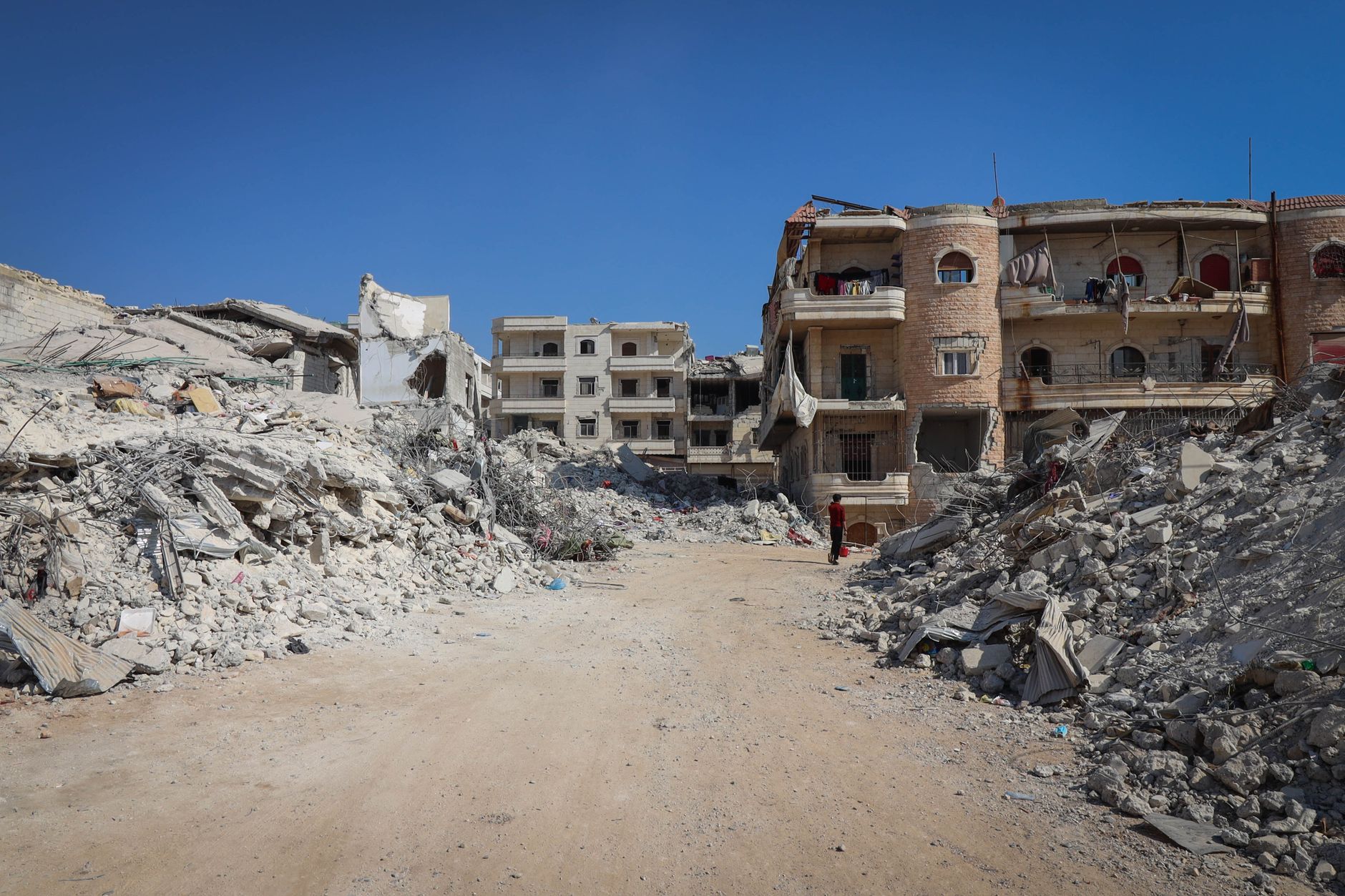
A unilateral Israeli military strike against Iran's nuclear facilities would unleash an unpredictable chain of events, potentially igniting a regional war that could quickly draw in other major powers. The immediate aftermath could see retaliatory strikes from Iran and its proxies, targeting Israel and potentially U.S. assets in the region. Such an escalation would destabilize an already fragile Middle East, leading to widespread human suffering, massive displacement, and an unprecedented humanitarian crisis, far surpassing previous conflicts in scale and intensity.
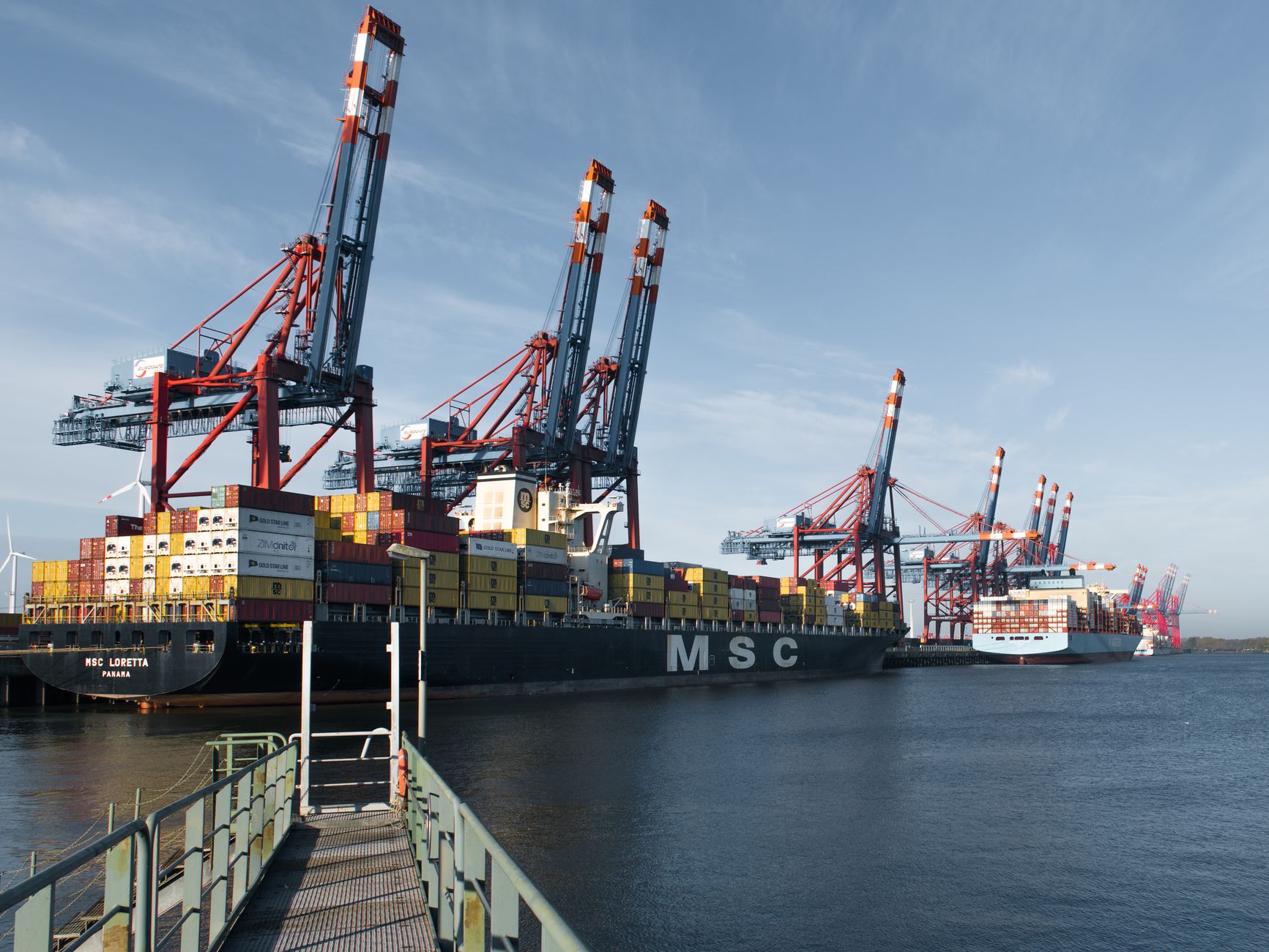
Beyond the immediate military consequences, a conflict of this magnitude would have profound global economic repercussions. The Strait of Hormuz, a critical chokepoint for global oil shipments, could be disrupted, sending crude oil prices skyrocketing and plunging the world into an energy crisis. Supply chains, already strained by recent global events, would face further immense pressure, leading to inflation and economic instability across continents. The ripple effects would be felt in every household and industry worldwide.
Furthermore, a preemptive strike could irrevocably damage diplomatic efforts to prevent nuclear proliferation, setting a dangerous precedent for nations to take unilateral military action rather than pursue negotiated solutions. It would undermine international law and institutions, making it harder to address future global security challenges through peaceful means. The long-term implications for global governance and the non-proliferation regime are deeply concerning, potentially ushering in an era of increased nuclear risk.
Ground Reality
Recent reports from the International Atomic Energy Agency (IAEA) paint a grim picture, indicating that Iran has significantly advanced its uranium enrichment capabilities, now possessing enough highly enriched uranium to potentially construct several nuclear weapons. This rapid progress has drastically shortened the 'breakout time' – the period required to produce weapons-grade material – intensifying the urgency of the situation for Israel and its allies. The technical hurdles for weaponization are diminishing, pushing the region closer to a critical threshold.
While the United States has consistently affirmed its commitment to preventing a nuclear-armed Iran, the Biden administration has also emphasized a strong preference for diplomatic solutions and multilateral engagement. This approach, while prudent, often clashes with Israel's more immediate and existential concerns, leading to a palpable tension in their strategic dialogue. The divergence in preferred tactics highlights the complex dynamics between the two allies, with Israel often feeling the need to act more decisively given its geographic proximity to the threat.
The domestic political landscape in both Israel and Iran plays a significant role in shaping their respective stances. In Israel, Netanyahu's political survival often hinges on demonstrating a robust defense posture, particularly against perceived threats from Iran. Conversely, the Iranian regime leverages its nuclear program as a symbol of national pride and defiance against Western pressure, using it to consolidate power domestically. These internal political pressures often limit the flexibility for diplomatic compromise and increase the likelihood of confrontational policies, making de-escalation a formidable challenge.
What Experts Are Saying
Security analysts are deeply divided on the efficacy and wisdom of a unilateral Israeli strike. Many warn that while such an action might temporarily set back Iran's nuclear program, it would almost certainly provoke a fierce and widespread retaliation, potentially engulfing the entire region in a devastating conflict. "A strike would not eliminate Iran's capabilities, only delay them, while simultaneously guaranteeing a more aggressive and potentially nuclear-armed Iran in the long run," noted one prominent defense strategist, emphasizing the futility of a purely military solution without a broader diplomatic framework.
Conversely, a smaller but vocal group of experts argues that a preemptive strike is the only viable option left to prevent Iran from acquiring nuclear weapons, given the perceived failures of diplomacy and sanctions. They contend that the risks of inaction far outweigh the risks of military intervention. "Waiting for a diplomatic breakthrough that may never come is a luxury Israel cannot afford. The window of opportunity for a decisive strike is rapidly closing," asserted a former intelligence official, highlighting the urgency from a security perspective.
Geopolitical strategists are also examining the potential for a 'demonstration strike' – a limited military action designed to send a strong message without triggering a full-scale war. However, even this approach is fraught with peril, as miscalculation or misinterpretation could easily escalate tensions beyond control. The intricate web of alliances and rivalries in the Middle East means that any military action, no matter how limited, carries the inherent risk of spiraling into a much larger and more destructive regional conflagration, with devastating consequences for all involved.
Frequently Asked Questions
What Happens Next
The immediate future hinges on a delicate balance of deterrence and diplomacy. Israel will likely continue to exert pressure through covert operations and public warnings, while simultaneously assessing the precise moment it believes Iran crosses an unacceptable threshold. The international community, led by the U.S., will intensify efforts to de-escalate tensions and explore every possible diplomatic avenue, though the window for a negotiated settlement appears to be rapidly closing. Each passing day brings the region closer to a potential flashpoint, demanding urgent and coordinated action.
The Biden administration faces an increasingly complex challenge: how to support Israel's security concerns without being drawn into a wider regional conflict. This will involve a precarious balancing act of providing military aid and intelligence, while simultaneously urging restraint and advocating for diplomatic solutions. The U.S. will likely increase its military presence in the region as a deterrent, sending a clear message to all parties about the potential consequences of escalation, while also working to rebuild trust and communication channels.
Regional players, including Saudi Arabia and the UAE, will be crucial in shaping the trajectory of this crisis. Their reactions to any potential military action, whether supportive or condemnatory, could significantly influence the scope and scale of a conflict. Behind-the-scenes diplomatic efforts involving these nations will be critical in either containing or exacerbating the situation, making their alignment and strategic calculations a key factor in the unfolding drama. The coming months will be a true test of regional and international statesmanship.











Comments
No comments yet. Be the first to comment!