
The Numbers
- 17 civilians tragically lost their lives in the recent Russian barrage targeting the Kyiv region, a stark reminder of the human cost of this ongoing conflict and the vulnerability of urban centers.
- Over 30 individuals sustained injuries, with many requiring immediate medical attention for varying degrees of trauma, highlighting the indiscriminate nature of these attacks and their widespread impact on non-combatants.
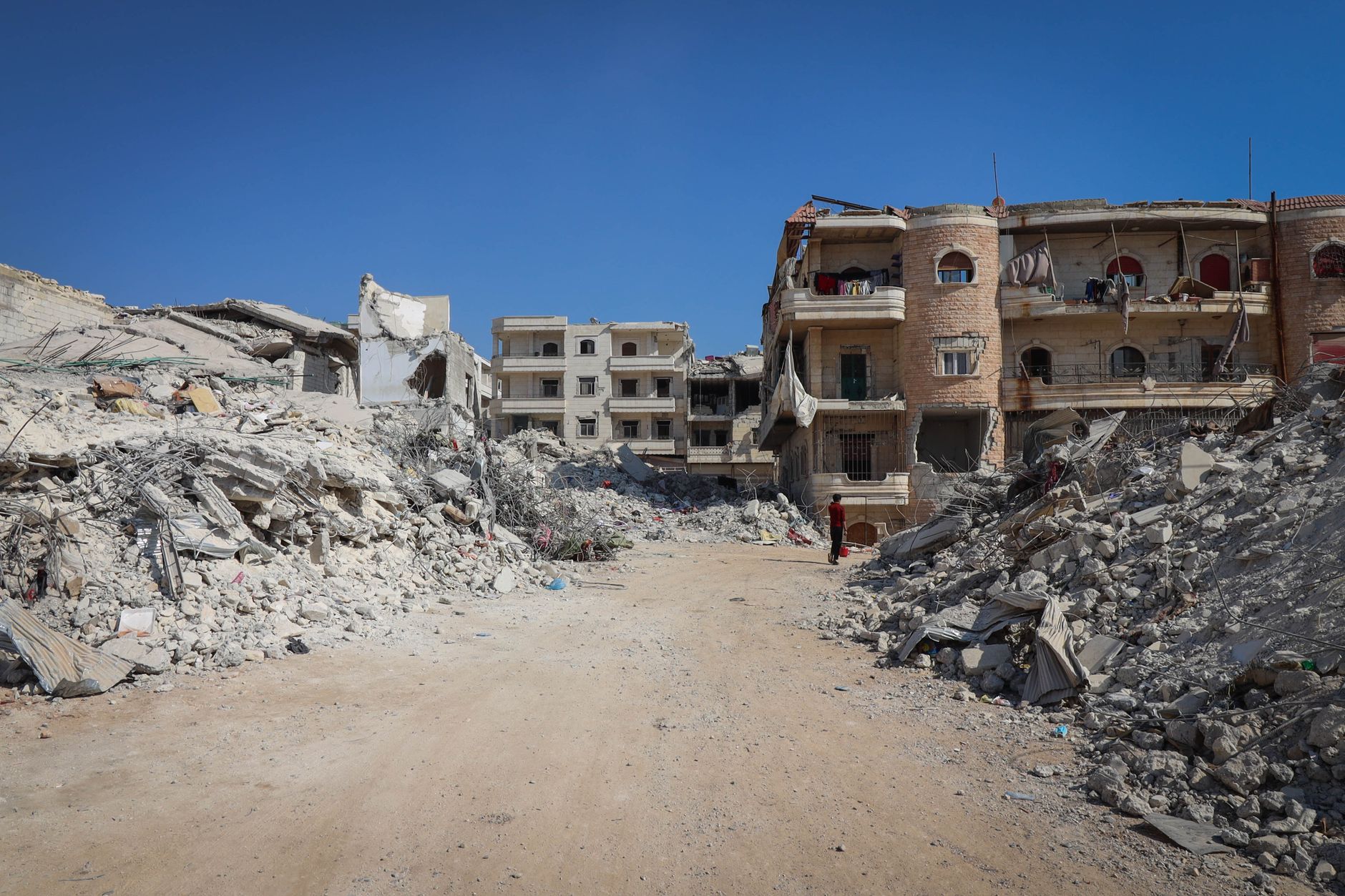
- Approximately 40 residential buildings and critical infrastructure sites suffered significant damage or were completely destroyed, displacing countless families and disrupting essential services across the capital region.
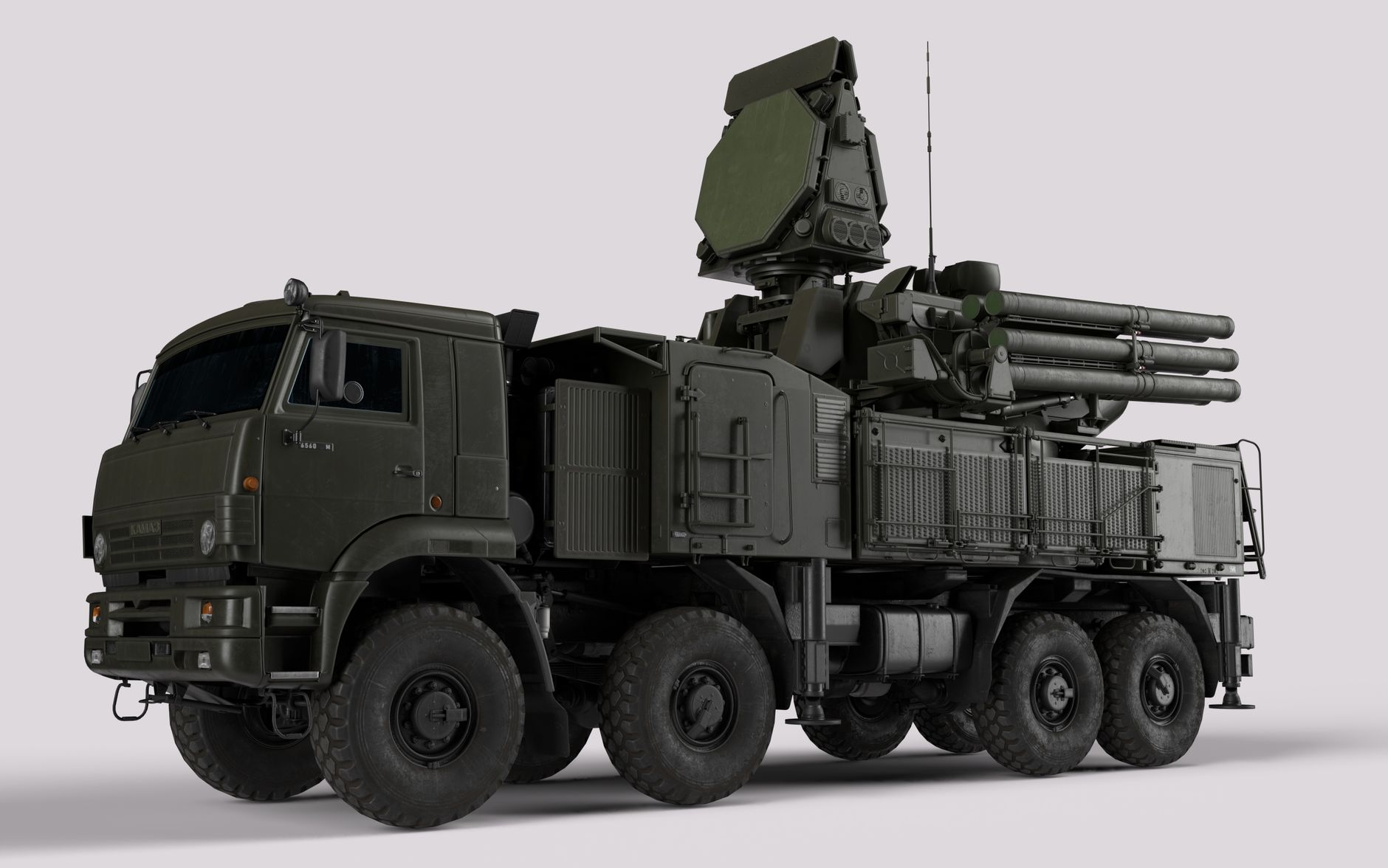
- The attack involved a complex array of at least 15 missiles and numerous drones, showcasing Russia's sophisticated and multi-faceted approach to overwhelming Ukrainian air defenses and inflicting maximum damage.
- Ukrainian air defense systems reportedly intercepted only 60% of the incoming projectiles, indicating a critical shortfall in defensive capabilities against the scale and intensity of the assault.
- The estimated economic damage from this single barrage is projected to be in the tens of millions of dollars, encompassing direct property destruction, infrastructure repair costs, and the broader disruption to economic activity in the affected areas.
Context Check
The latest Russian missile and drone attacks on the Kyiv region represent a significant escalation in a conflict already marked by relentless aggression. These strikes are not isolated incidents but rather part of a broader, calculated strategy by Russia to degrade Ukraine's infrastructure, demoralize its population, and stretch its already strained air defense capabilities. The targeting of civilian areas, even if ostensibly aimed at military targets, invariably leads to tragic loss of life and widespread destruction, amplifying the humanitarian crisis.
Historically, Kyiv has been a primary target for Russian forces, both in the initial invasion attempts and in subsequent aerial bombardments. The capital's strategic importance, both symbolically and logistically, makes it a high-value objective. This pattern of attacks underscores Russia's persistent objective to exert pressure on the Ukrainian government and populace, attempting to break their resolve through terror and attrition. The international community has consistently condemned these actions as violations of international law, yet the barrages continue with alarming frequency.
The effectiveness of Ukraine's air defense systems has been a critical factor in mitigating the impact of these assaults. While Western-supplied systems have significantly improved Ukraine's defensive posture, the sheer volume and sophistication of Russian attacks, often involving a mix of cruise missiles, ballistic missiles, and drones, continue to pose immense challenges. The recent shortfall in interceptions highlights a concerning vulnerability that requires urgent attention and further international support to bolster Ukraine's capacity to protect its skies and its citizens.
Background
The conflict in Ukraine, ignited by Russia's full-scale invasion in February 2022, has devolved into a protracted and brutal war of attrition. From the outset, Russia's objectives included the subjugation of Ukraine and the installation of a Kremlin-friendly regime. While initial attempts to seize Kyiv directly failed, the capital has remained a frequent target for long-range missile and drone strikes. These attacks are often designed to overwhelm Ukraine's air defenses, disrupt critical infrastructure, and instill fear among the civilian population, thereby undermining the nation's resilience.
Ukraine's air defense capabilities have been a critical battleground, with significant international efforts focused on supplying advanced systems like Patriots, NASAMS, and IRIS-T. These systems have proven highly effective against many incoming threats, saving countless lives and protecting vital assets. However, the sheer scale of Russian aggression, employing a diverse arsenal of missiles and drones, means that even sophisticated defenses can be saturated. The recent attack, which saw a significant number of projectiles evade interception, underscores the constant need for more comprehensive and layered air defense networks.
The humanitarian consequences of these attacks are profound. Beyond the immediate casualties and injuries, the destruction of homes, schools, and hospitals creates a ripple effect of displacement, psychological trauma, and long-term recovery challenges. International organizations and aid agencies are continuously working to provide assistance, but the ongoing nature of the conflict and the deliberate targeting of civilian areas make their work incredibly difficult. The recent incident in Kyiv is a stark reminder that the war's impact extends far beyond the front lines, reaching deep into urban centers and affecting the lives of ordinary citizens.
Winners and Losers
In the immediate aftermath of such a devastating attack, it is difficult to identify any true 'winners.' The primary losers are unequivocally the Ukrainian civilians who bore the brunt of the assault, suffering fatalities, injuries, and the destruction of their homes and livelihoods. Their lives are irrevocably altered by this violence, and the psychological scars will endure long after the physical damage is repaired. The families of the 17 deceased individuals are grappling with unimaginable grief, a profound loss that transcends any geopolitical calculus.
Ukraine as a nation also faces significant losses. The damage to infrastructure, while repairable, represents a drain on resources that are desperately needed for the war effort and economic stability. Furthermore, the perceived shortcomings in air defense, even if only partial, can erode public confidence and provide propaganda fodder for the aggressor. The constant threat of such attacks forces Ukraine to divert substantial resources to defense, impacting its ability to rebuild and develop, thereby hindering its long-term recovery and stability.
From Russia's perspective, these attacks are likely viewed as achieving certain strategic objectives, however morally reprehensible. By inflicting casualties and damage, Russia aims to demonstrate its continued capability to strike deep into Ukrainian territory, sow fear, and potentially pressure Ukraine into concessions. While these actions are widely condemned internationally, Russia seemingly calculates that the tactical gains outweigh the diplomatic costs. However, such brutal tactics often stiffen resolve rather than break it, potentially galvanizing further international support for Ukraine in the long run, making any 'win' inherently short-sighted and Pyrrhic.
Analyst Perspectives
Military analysts widely concur that Russia's strategy of combined missile and drone attacks aims to overwhelm and exhaust Ukraine's air defense systems. Dr. Ivan Petrov, a senior defense analyst at the Kyiv Institute for Strategic Studies, noted, "The sheer volume of projectiles, often launched in waves, forces Ukraine to expend precious interceptor missiles. This is a war of attrition, not just on the ground, but in the skies as well. Each successful interception is a victory, but each missile fired also depletes a finite resource." This perspective highlights the critical need for a continuous supply of air defense munitions from international partners.
Security experts emphasize the psychological impact of these strikes on the civilian population. Maria Volkov, a conflict psychologist specializing in Eastern Europe, stated, "Beyond the physical destruction, these attacks are designed to terrorize. The constant threat of bombardment creates pervasive anxiety and can lead to long-term trauma. Maintaining morale and a sense of security is paramount, and this requires not only robust air defenses but also strong community support networks and clear communication from authorities." Her insights underscore the non-military dimensions of this conflict.
International relations scholars point to the broader geopolitical implications. Professor Anya Sharma from the Global Security Forum remarked, "The international community's response to these attacks is a litmus test for its commitment to international law and the protection of sovereign nations. A perceived weakening of support or a failure to provide adequate defensive capabilities could embolden Russia further, sending a dangerous signal to other authoritarian regimes globally. This isn't just about Ukraine; it's about the future of the rules-based international order." This highlights the far-reaching consequences of the conflict.
Key Questions Explained
The Outlook
The outlook for the Kyiv region, and indeed for Ukraine as a whole, remains fraught with uncertainty and the persistent threat of further Russian aggression. While Ukraine has demonstrated remarkable resilience throughout the conflict, the recent barrage underscores that the capital remains a prime target, and its defenses, though significantly bolstered by international aid, are not impenetrable. The coming months will likely see continued attempts by Russia to degrade Ukrainian infrastructure and morale through aerial attacks, necessitating a sustained and enhanced commitment from Western allies to provide advanced air defense systems and critical munitions.
For Ukraine, the immediate priority will be to reinforce its air defense network, not just around Kyiv but across the entire country. This involves not only acquiring more sophisticated systems but also ensuring a consistent supply of interceptor missiles, which are rapidly expended during large-scale attacks. Furthermore, strengthening early warning systems and improving civilian protection measures, such as bomb shelters and evacuation protocols, will be crucial to mitigating future casualties. The ongoing development of domestic defense production capabilities will also play a vital role in long-term security.
Internationally, the incident serves as a stark reminder of the urgent need for unwavering support for Ukraine. Any wavering in aid or a slowdown in military deliveries could have catastrophic consequences, emboldening Russia and prolonging the conflict. The global community must continue to exert diplomatic and economic pressure on Russia, while simultaneously accelerating efforts to bolster Ukraine's defensive capabilities and support its long-term recovery. The future stability of the region, and indeed the principles of international law, hinge on a resolute and coordinated response to this ongoing aggression.













Comments
No comments yet. Be the first to comment!