

The Story in Brief
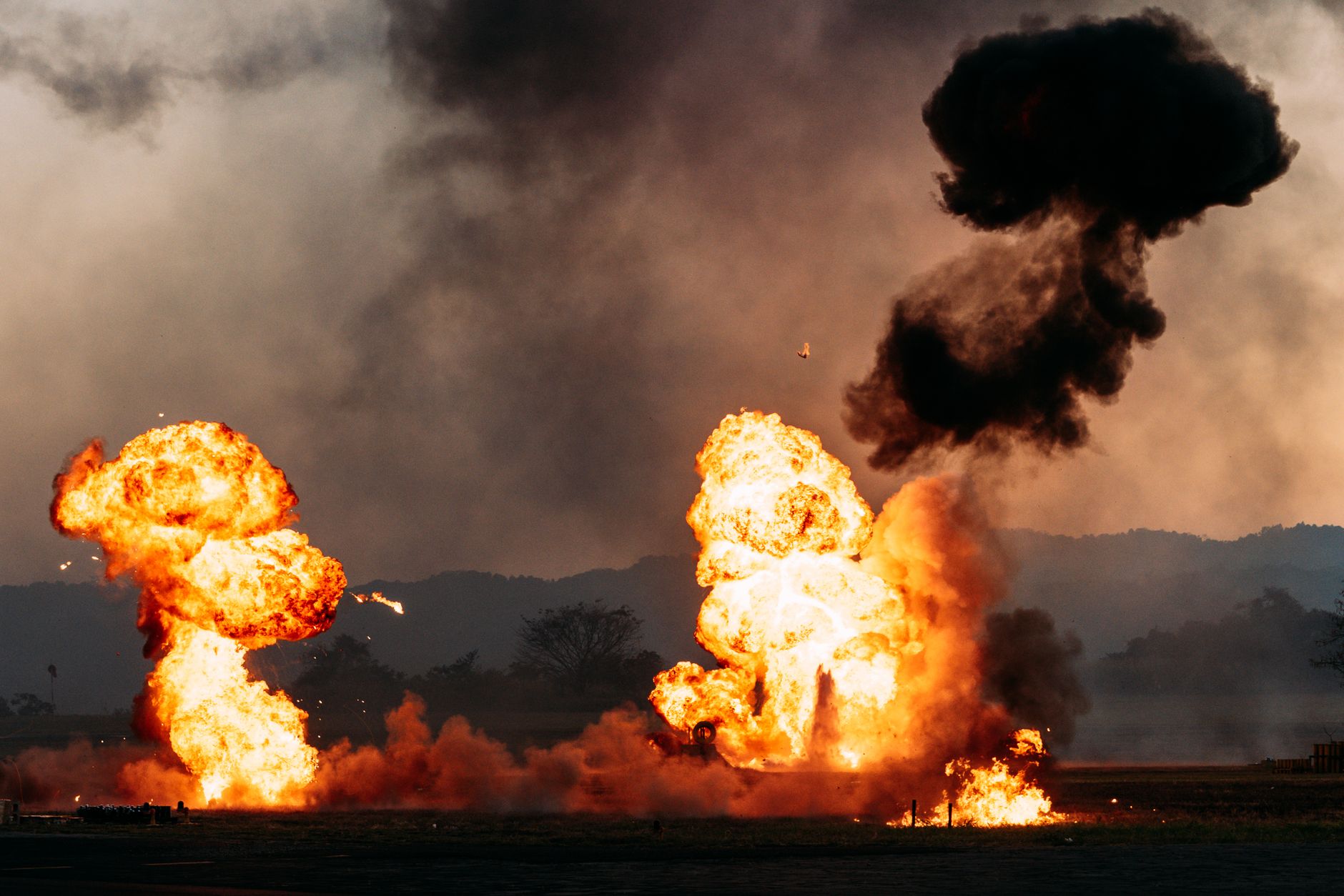
- The United States recently conducted precision airstrikes against facilities in eastern Syria utilized by Iran's Islamic Revolutionary Guard Corps (IRGC) and affiliated groups, marking a significant escalation in regional tensions.
- These retaliatory strikes were a direct response to a series of sophisticated, yet ultimately unsuccessful, drone and rocket attacks targeting U.S. personnel and facilities in Iraq and Syria, which occurred over the preceding week.
- U.S. defense officials have explicitly linked these attempted attacks to Iranian-backed militias, emphasizing the persistent threat posed by these groups to American interests and stability in the Middle East.
- The Pentagon has confirmed that the U.S. actions were designed to deter further aggression and protect American forces, underscoring a commitment to self-defense in a volatile operational environment.
- While no U.S. service members were injured in the recent attempted attacks, the incidents highlight the ongoing dangers faced by American troops deployed in the region and the critical need for robust defensive measures.
- This latest exchange of hostilities signals a deepening cycle of violence and reprisal, raising serious concerns about the potential for broader regional destabilization and the need for careful diplomatic engagement to prevent further escalation.
The Human Face
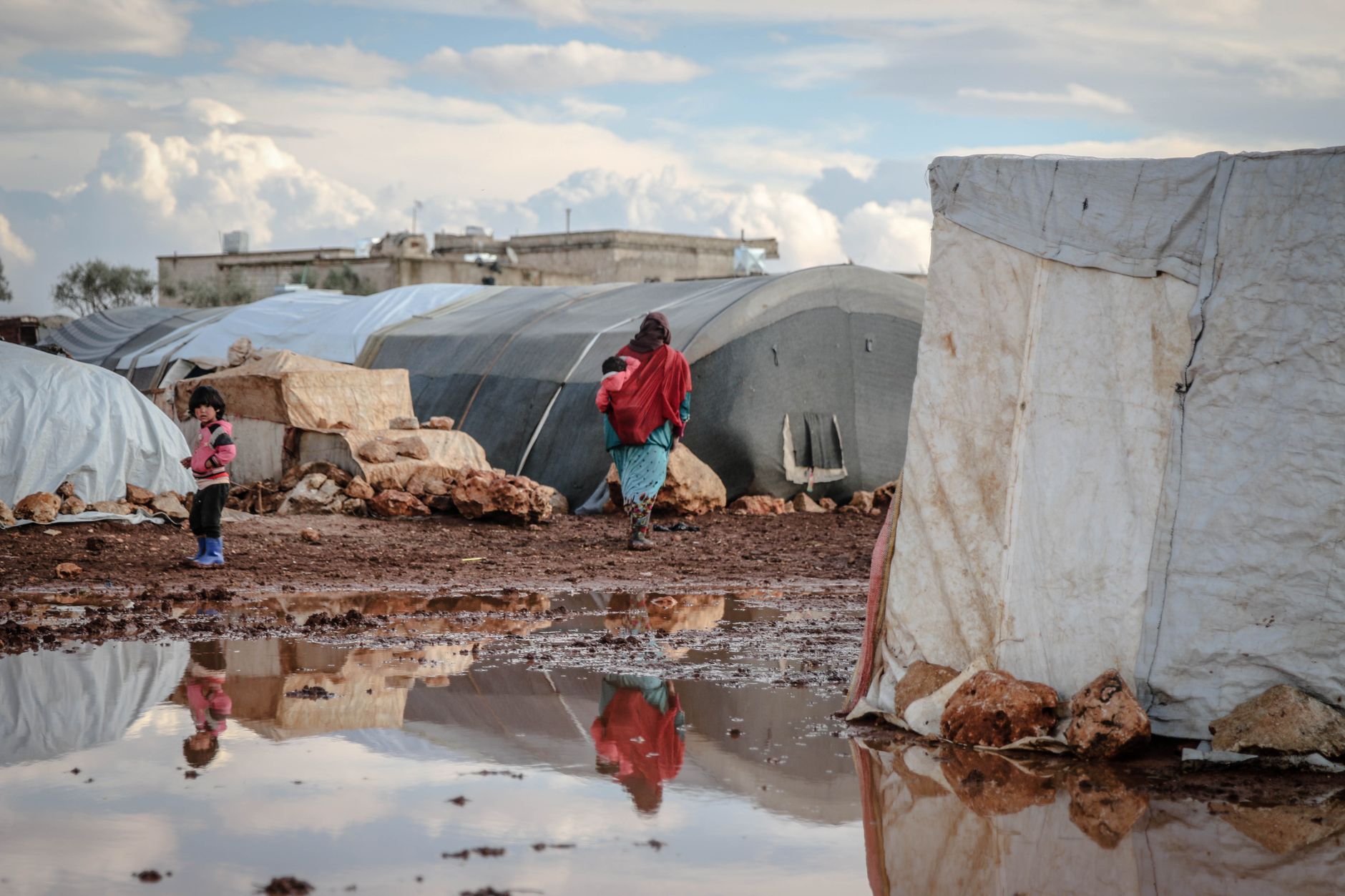
While the immediate focus of these military actions is on strategic targets and geopolitical maneuvering, it's crucial to remember the profound human impact of such escalations. For the local populations in eastern Syria, these strikes represent another layer of instability and fear in regions already ravaged by years of conflict. Families living near targeted areas face the constant threat of displacement, injury, or loss, their daily lives perpetually disrupted by the shadow of military operations. The innocent civilians, caught between the ambitions of powerful states and non-state actors, bear the heaviest burden, often losing their homes, livelihoods, and loved ones in conflicts they played no part in instigating. Their resilience is continually tested by the relentless cycle of violence.
Beyond the immediate physical dangers, the psychological toll on communities in conflict zones is immense and often overlooked. Children grow up amidst the sounds of war, witnessing destruction and experiencing trauma that can have lifelong consequences. The constant uncertainty, the breakdown of social structures, and the struggle for basic necessities create a pervasive sense of despair. Humanitarian organizations on the ground, already stretched thin, face even greater challenges in delivering aid and support when security situations deteriorate, further exacerbating the suffering of vulnerable populations. The human face of this conflict is one of enduring hardship and an urgent plea for lasting peace.
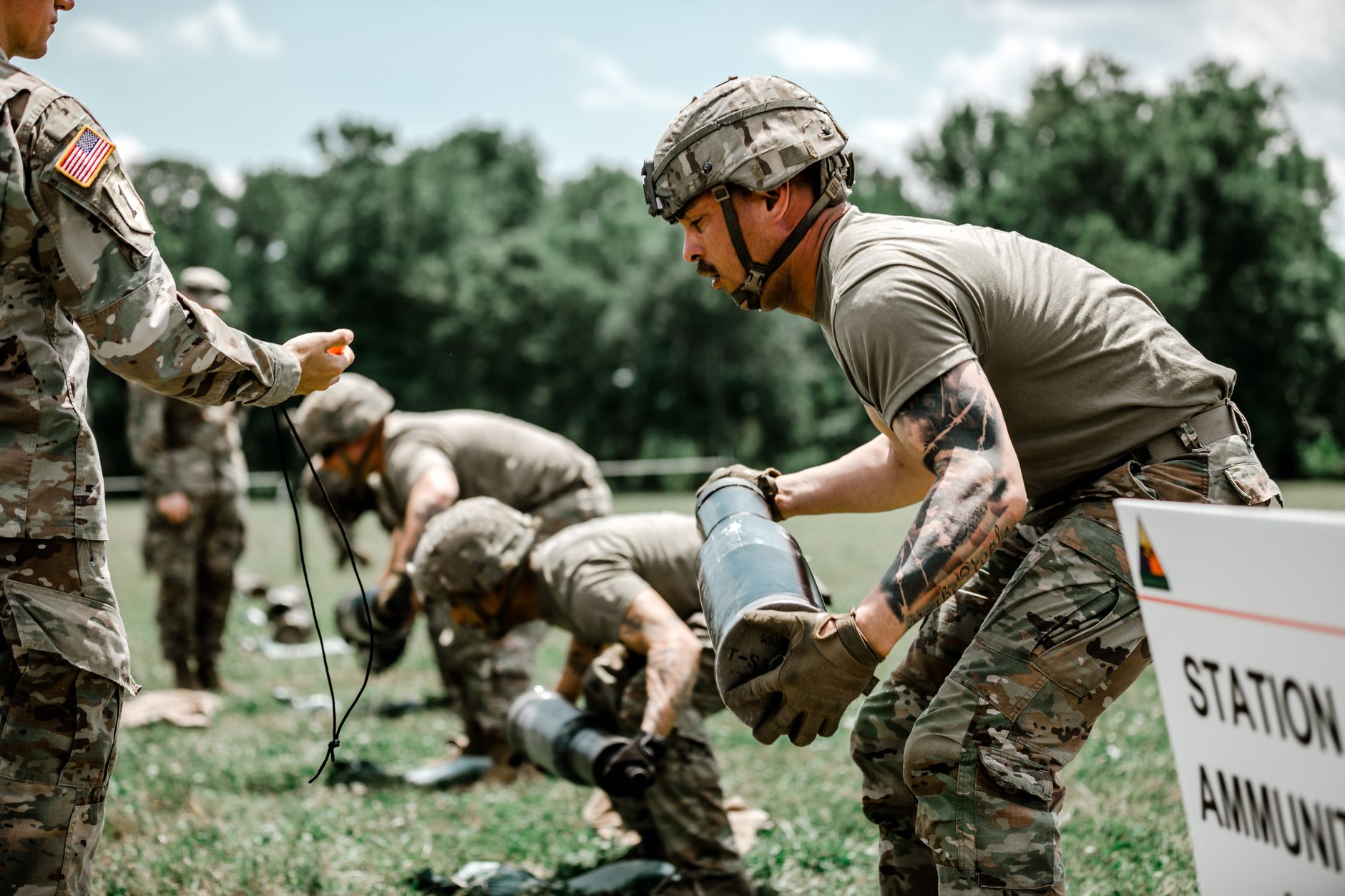
For the U.S. service members deployed in Iraq and Syria, these incidents are a stark reminder of the ever-present dangers they face. Each attempted attack, even if unsuccessful, heightens vigilance and adds to the immense pressure of their mission. Their families back home live with constant anxiety, knowing their loved ones are operating in a hostile environment where threats can emerge at any moment. The decision to deploy forces into such volatile regions carries with it a profound responsibility to ensure their safety and to clearly define the objectives for which they are risking their lives. These individuals are not just statistics; they are sons, daughters, parents, and friends, whose lives are directly impacted by these geopolitical decisions.
How We Got Here
The current escalation is not an isolated event but rather the latest chapter in a long-standing, complex struggle for influence in the Middle East, particularly between the United States and Iran. For decades, Iran has sought to expand its regional power through a network of proxy militias, including groups like Hezbollah in Lebanon, various factions in Iraq, and others in Syria and Yemen. These proxies serve as an asymmetric tool, allowing Iran to project power and challenge U.S. and allied interests without direct state-on-state confrontation. The U.S., in turn, has maintained a military presence in Iraq and Syria, primarily to counter ISIS and to support regional stability, but also as a deterrent against Iranian aggression.
The specific context for these recent strikes traces back to a series of sustained attacks on U.S. forces and diplomatic facilities in Iraq and Syria, which intensified following the U.S. withdrawal from the Iran nuclear deal in 2018. While many of these attacks are attributed to various Shiite militia groups, U.S. intelligence consistently points to the Islamic Revolutionary Guard Corps (IRGC) as the orchestrator, providing funding, training, and advanced weaponry, including drones and rockets. The IRGC's Quds Force, in particular, is responsible for extraterritorial operations and has been instrumental in cultivating and directing these proxy forces across the region, making it a primary target for U.S. counter-responses.
The U.S. strategy in response has typically involved a mix of deterrence, defensive measures, and targeted retaliatory strikes, aiming to degrade the capabilities of these groups and send a clear message to Tehran. However, this approach often leads to a cycle of escalation, where each action by one side prompts a reaction from the other, creating a precarious balance that can easily tip into broader conflict. The recent attempted attacks on U.S. forces, though unsuccessful in causing casualties, crossed a threshold that necessitated a firm response, as the U.S. aims to prevent a perception of weakness that could embolden further aggression. This dynamic underscores the inherent challenges in managing a protracted shadow war with a determined adversary.
Why This Cannot Be Ignored
The latest U.S. retaliatory strikes against IRGC-affiliated targets in Syria are far more than isolated military actions; they represent a significant escalation in the already volatile Middle East, carrying profound implications for regional stability and global security. This cycle of attack and counter-attack risks spiraling into a wider conflict, drawing in more actors and potentially destabilizing an already fragile geopolitical landscape. The region, still reeling from years of civil wars, proxy battles, and humanitarian crises, cannot afford another major confrontation. Such an escalation could disrupt vital oil shipping lanes, trigger massive refugee flows, and provide fertile ground for extremist groups to re-emerge, creating a cascade of negative consequences that would resonate far beyond the immediate battlegrounds.
Furthermore, these incidents directly challenge the efficacy of deterrence strategies and the credibility of international norms. If Iranian-backed militias can repeatedly target U.S. personnel and assets without significant long-term repercussions, it emboldens them and their state sponsors to continue such actions, undermining efforts to maintain peace and security. The U.S. response, therefore, is not just about protecting its forces but also about upholding its strategic posture and signaling its resolve to adversaries. Failure to respond decisively could be perceived as weakness, inviting further aggression and eroding the deterrent effect that is crucial for preventing larger conflicts. This delicate balance demands careful calibration to avoid both underreaction and overreaction.
Beyond the immediate military implications, the ongoing tensions have significant diplomatic and economic ramifications. Sustained conflict or even heightened uncertainty in the Middle East can send shockwaves through global energy markets, driving up oil prices and impacting economies worldwide. It also complicates international efforts to address other pressing issues, such as nuclear proliferation, terrorism, and climate change, by diverting attention and resources. The international community has a vested interest in de-escalation, as a major conflict in this region would have far-reaching humanitarian, economic, and political consequences that no nation would be immune to. Ignoring these warning signs would be a grave miscalculation with potentially catastrophic outcomes.
Possible Paths Forward
Navigating the treacherous landscape of U.S.-Iran relations and managing the actions of their proxies requires a multifaceted approach, blending robust deterrence with persistent diplomatic engagement. One possible path forward involves a renewed commitment to de-escalation through direct or indirect diplomatic channels. This would entail establishing clear lines of communication, perhaps through intermediaries, to convey intentions, clarify red lines, and prevent miscalculations that could trigger unintended escalation. Such a dialogue could focus on establishing a framework for regional security, addressing the underlying grievances that fuel proxy conflicts, and exploring mechanisms for mutual restraint. While challenging, diplomatic breakthroughs are essential to prevent a full-blown regional war.
Another critical path involves strengthening regional security partnerships and empowering local actors to take greater ownership of their own security. This could mean enhancing intelligence sharing, providing advanced defensive capabilities to allies, and supporting initiatives that foster economic development and good governance, thereby reducing the appeal of extremist ideologies and proxy groups. By building the capacity of regional partners, the U.S. can gradually reduce its direct military footprint while ensuring that local forces are better equipped to counter threats. This strategy requires long-term commitment and a nuanced understanding of local dynamics, moving beyond purely military solutions to address the root causes of instability.
A third, more assertive path might involve a more comprehensive strategy to dismantle the network of Iranian-backed militias through targeted sanctions, cyber operations, and sustained military pressure on their command and control structures and logistical support. This approach would aim to significantly degrade their operational capabilities and reduce their ability to threaten U.S. interests and regional allies. However, this path carries inherent risks of further escalation and could be perceived as an act of aggression, potentially provoking a more direct confrontation with Iran. Any such strategy would need to be carefully calibrated to avoid unintended consequences and must be accompanied by a clear diplomatic off-ramp to prevent an uncontrolled spiral into conflict.
Questions People Are Actually Asking
What to Watch
- **Iranian Response and Proxy Actions:** Closely monitor any immediate or delayed retaliatory actions from Iran or its various proxy militias across Iraq, Syria, and potentially other regional hotspots. The nature and scale of their response will indicate Tehran's current risk appetite and its willingness to further escalate the conflict.
- **U.S. Diplomatic Engagements:** Observe any diplomatic efforts by the U.S. and its allies to de-escalate tensions, including potential back-channel communications with Iran or increased engagement with regional partners to coordinate security strategies and prevent further destabilization.
- **Regional Stability Indicators:** Pay attention to shifts in oil prices, regional stock markets, and the rhetoric from key regional players like Saudi Arabia, UAE, and Israel, as these can signal broader concerns about the conflict's potential to spread beyond current flashpoints.
- **Humanitarian Impact and Civilian Safety:** Keep an eye on reports from humanitarian organizations regarding the safety of civilians in eastern Syria and Iraq, potential displacement, and access to aid, as any escalation directly impacts vulnerable populations already enduring years of conflict.
- **Congressional and International Reactions:** Watch for statements and policy debates within the U.S. Congress and from international bodies like the UN, which could influence future U.S. policy decisions or global efforts to mediate the conflict and call for restraint from all parties.
- **Cyber Activity and Hybrid Warfare:** Be vigilant for any increase in cyberattacks or other forms of hybrid warfare targeting critical infrastructure in the region or against U.S. and allied interests, as these are often covert tools used by state and non-state actors in escalating conflicts.







Comments
No comments yet. Be the first to comment!