
What We Know
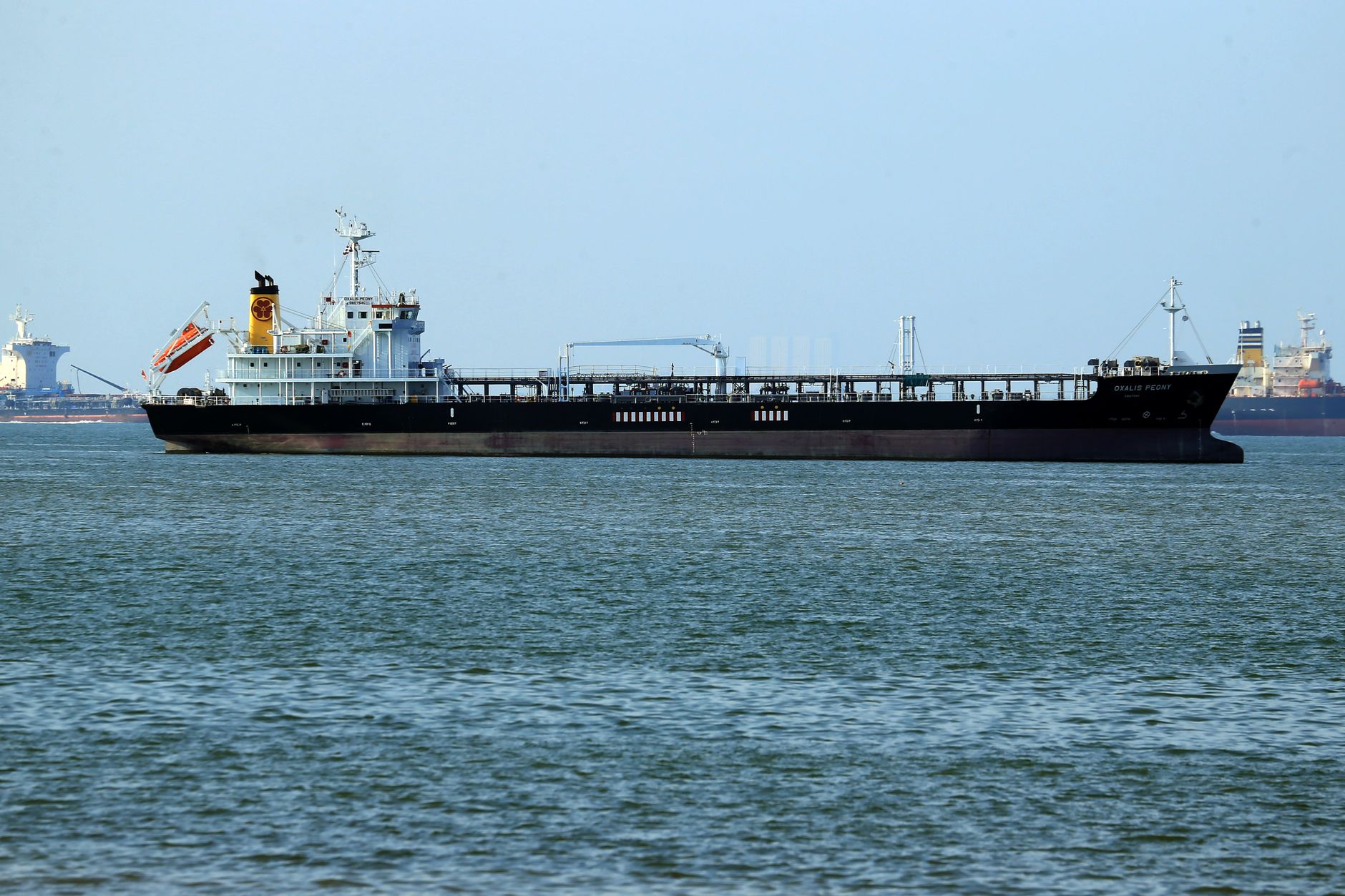
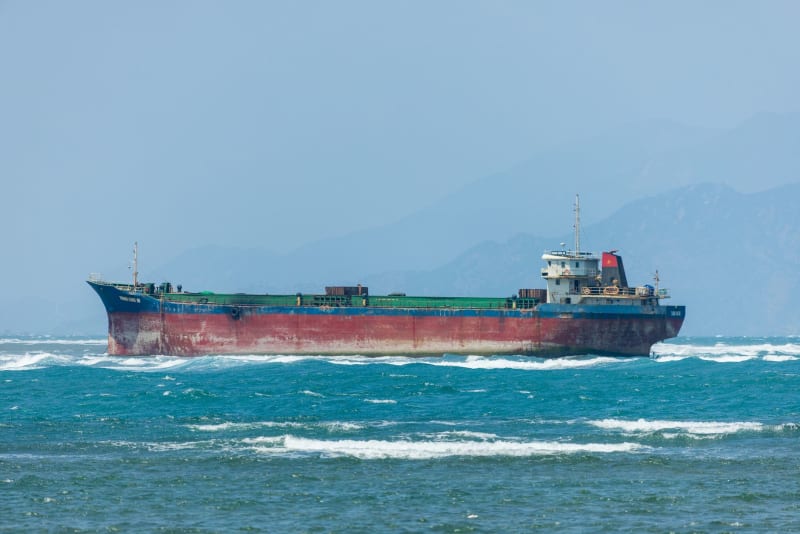
- A cargo ship, whose identity and flag state remain undisclosed, reported being struck in the highly strategic Strait of Hormuz, a critical choke point for global oil shipments.
- The incident occurred amid heightened regional tensions and a backdrop of ongoing, yet increasingly opaque, diplomatic maneuvers between the United States and Iran.
- The United States has publicly denied any direct negotiations or 'secret talks' with Iran, firmly stating that any engagement is limited to de-escalation and prisoner release discussions.
- Iran, conversely, has claimed that 'indirect talks' with the United States are indeed progressing, specifically mentioning Oman as a key mediator in these sensitive discussions.
- The conflicting statements from Washington and Tehran underscore a significant divergence in how both nations are publicly framing their diplomatic interactions, creating an environment of uncertainty.
- The Strait of Hormuz is a vital international waterway, and any disruption or attack on shipping in this area carries profound implications for global energy markets and maritime security.
What We Do Not Know Yet
- The precise nature and extent of the damage sustained by the cargo ship remain unconfirmed, including whether it was a missile strike, drone attack, or another form of hostile action.
- The identity of the party or entity responsible for striking the cargo ship has not been officially determined or claimed, leaving open questions about attribution and potential retaliation.
- The exact location within the Strait of Hormuz where the incident occurred has not been publicly disclosed, making it difficult to assess the immediate navigational risks.
- The specific cargo the vessel was carrying and its destination are currently unknown, which could have further implications for global supply chains and commodity prices.
- The full scope of the 'indirect talks' between the US and Iran, including the specific agenda items beyond de-escalation and prisoner exchanges, remains largely shrouded in secrecy.
- Whether this incident will further complicate or completely derail any existing diplomatic channels between the US and Iran, or if it is an isolated event, is yet to be seen.
Background
The Strait of Hormuz, a narrow waterway connecting the Persian Gulf to the open ocean, is arguably the world's most critical oil transit choke point. Approximately one-fifth of the world's total oil consumption, and a significant portion of its liquefied natural gas, passes through this strategic passage daily. Its geographical significance makes it a flashpoint for regional and international tensions, with any incident having immediate and far-reaching consequences for global energy markets and maritime security. The strait is bordered by Iran to the north and Oman's Musandam Governorate to the south, placing it at the heart of a historically volatile region.
Tensions between the United States and Iran have been a persistent feature of Middle Eastern geopolitics for decades, often characterized by periods of intense confrontation punctuated by brief, often indirect, diplomatic overtures. The withdrawal of the U.S. from the Joint Comprehensive Plan of Action (JCPOA), commonly known as the Iran nuclear deal, in 2018, and the subsequent re-imposition of stringent sanctions, significantly exacerbated this already fraught relationship. This move by the Trump administration led to a cycle of escalations, including attacks on shipping in the Gulf, drone incidents, and cyber warfare, pushing the region to the brink of wider conflict on multiple occasions.
Against this backdrop of enduring hostility, the very notion of 'talks' between Washington and Tehran is fraught with complexity and often contradictory public statements. Both sides frequently use diplomatic messaging to shape domestic and international perceptions, making it challenging to discern the true extent and nature of their engagement. Oman, a sultanate with a long history of neutrality and a unique relationship with both the U.S. and Iran, has frequently served as an intermediary, providing a discreet channel for communication when direct contact is politically unfeasible. This latest incident, however, casts a long shadow over any potential for de-escalation.
Why It Matters
This incident in the Strait of Hormuz is not merely a localized maritime event; it represents a dangerous escalation in a region already teetering on the edge of broader conflict. The Strait's role as a global energy artery means that any disruption, whether accidental or intentional, sends immediate shockwaves through international oil and gas markets, potentially leading to price spikes and supply chain instability. For an interdependent global economy, such volatility can have devastating effects, impacting everything from fuel costs to manufacturing and consumer prices worldwide. The world cannot afford sustained instability in this critical waterway.
The conflicting narratives from the US and Iran regarding the status of diplomatic talks are equally concerning. When major powers offer diametrically opposed accounts of their engagement, it erodes trust, fuels speculation, and makes genuine de-escalation efforts significantly more challenging. This lack of transparency creates a vacuum that can be filled by misinformation and miscalculation, increasing the risk of unintended confrontations. Such a communication breakdown at a critical juncture can easily lead to a dangerous misinterpretation of intentions, pushing the situation beyond the point of no return.
Furthermore, this event underscores the fragility of international maritime law and the imperative for all nations to uphold the principles of safe passage and freedom of navigation. Attacks on commercial shipping, regardless of the perpetrator, set a dangerous precedent that could embolden other actors and destabilize vital trade routes globally. The international community has a vested interest in demanding accountability and ensuring that such incidents are thoroughly investigated and perpetrators brought to justice, thereby reinforcing the norms that underpin global commerce and security. Failure to do so risks a free-for-all in international waters.
Timeline of Events
- **Early Morning (Local Time):** A cargo ship, whose specific details remain undisclosed, reports being struck while transiting the Strait of Hormuz, immediately triggering alerts across maritime security channels.
- **Hours Following Incident:** Initial reports begin to surface from maritime security firms and regional navies, confirming an incident involving a commercial vessel in the strategic waterway, but details are sparse.
- **Later in the Day:** Unnamed U.S. officials, speaking on background, deny any direct or 'secret' negotiations with Iran, emphasizing that any communication is strictly limited to specific, narrow issues like de-escalation.
- **Concurrently:** Iranian state media and officials, including a spokesperson from the Foreign Ministry, assert that 'indirect talks' with the United States are indeed ongoing, with Oman playing a facilitative role.
- **Evening (Local Time):** International maritime organizations issue advisories for vessels operating in the Strait of Hormuz, urging heightened vigilance and adherence to security protocols due to the reported incident.
- **Next Day:** Global oil markets react to the news, with crude oil futures showing a modest uptick as traders assess the potential for further instability and supply disruptions in the critical shipping lane.
Rapid-Fire Q&A
What Is Coming
- Expect intensified investigations by international maritime authorities and naval forces to determine the exact cause and perpetrator of the cargo ship strike in the Strait of Hormuz.
- Increased diplomatic pressure on both the United States and Iran from global powers to clarify the status of their engagement and to de-escalate tensions in the volatile region.
- Potential for heightened security measures and naval patrols in the Strait of Hormuz by various nations to safeguard commercial shipping and ensure freedom of navigation, possibly leading to increased military presence.
- Continued volatility in global oil and gas markets as traders and analysts closely monitor developments in the Strait, with prices likely to react to any further incidents or escalations.
- Further public statements and possibly leaks from both Washington and Tehran, potentially offering more details or further muddying the waters regarding the nature of their diplomatic interactions.
- A critical test for Oman's diplomatic capabilities as it attempts to maintain its role as a neutral mediator, potentially working behind the scenes to prevent further escalation and facilitate dialogue between the two adversaries.








Comments
No comments yet. Be the first to comment!