

The Numbers
- Approximately 80% of global GDP is represented by G20 member nations, underscoring the immense economic leverage and influence wielded by this forum.
- The G20 collectively accounts for over two-thirds of the world's population, highlighting its critical role in addressing issues that impact billions of lives.
- During Trump's previous term, the U.S. withdrew from or threatened to withdraw from at least 15 international agreements and organizations, signaling a clear pattern of unilateralism.
- A 2023 Pew Research Center study indicated that confidence in the U.S. president to do the right thing in world affairs dropped by an average of 26 percentage points among key allies during the Trump administration.
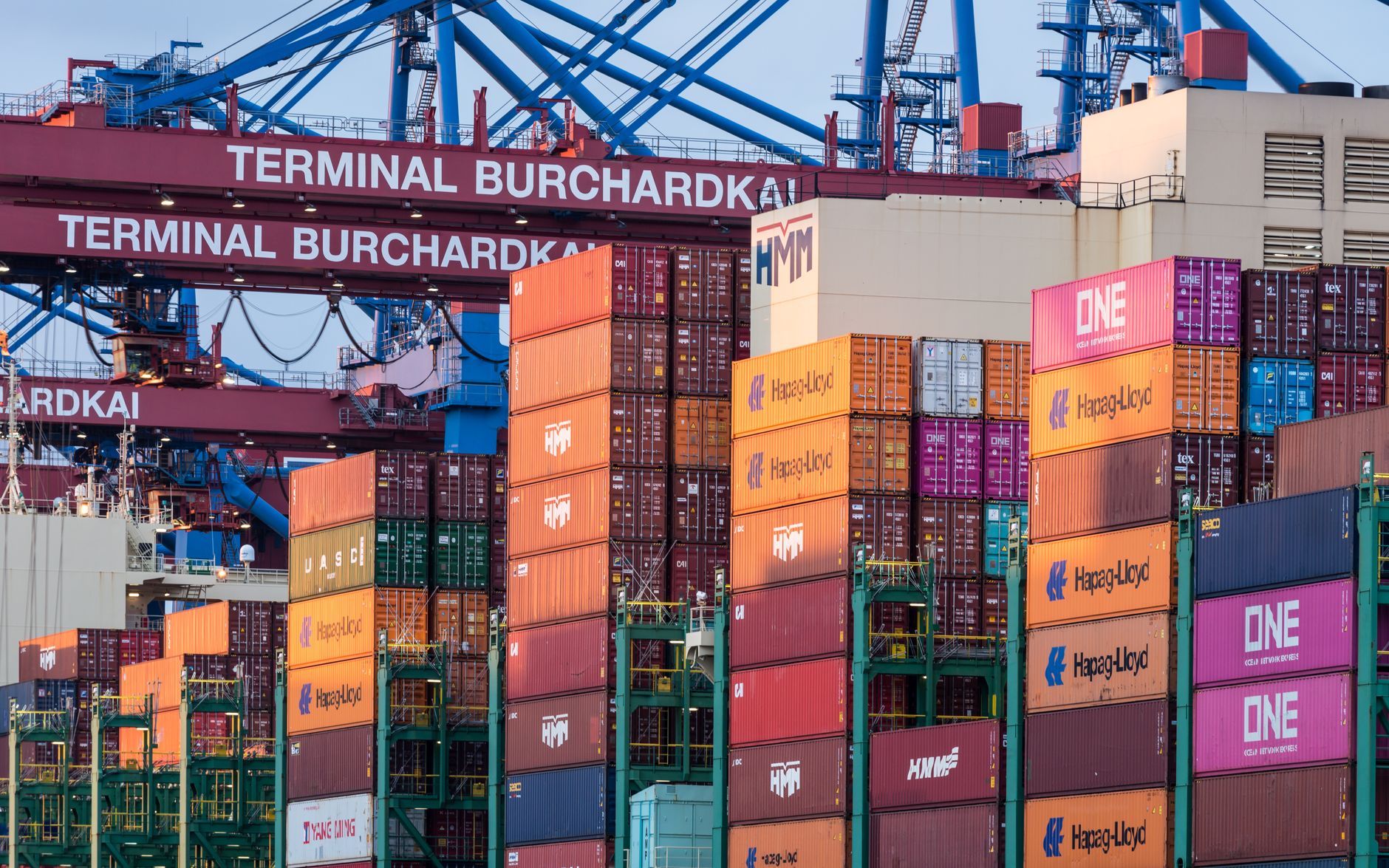
- Over $500 billion in new tariffs were imposed by the U.S. on imported goods during Trump's first presidency, triggering retaliatory measures and global trade tensions.
- The G20 operates on a consensus-based decision-making model, meaning any single member, particularly the host, can significantly influence or even obstruct joint declarations and policy initiatives.
- Nearly 70% of global carbon emissions originate from G20 countries, making their collective action indispensable for climate change mitigation efforts, a point of contention under a potential Trump administration.
Context Check
The prospect of Donald Trump hosting the G20 summit in 2026, should he win the upcoming presidential election, injects a profound level of uncertainty into the global diplomatic landscape. The G20, established in the wake of the 2008 financial crisis, serves as the premier forum for international economic cooperation, bringing together the world's major economies to address pressing global challenges. Its very foundation rests on principles of multilateralism, consensus-building, and collective action, tenets that frequently clashed with Trump's 'America First' foreign policy during his previous term. This potential hosting role is not merely a ceremonial duty; it grants the host nation significant agenda-setting power, the ability to shape discussions, and ultimately, to steer the direction of global policy debates.
During his first presidency, Trump's approach to international forums was characterized by a skepticism towards established alliances, a preference for bilateral deals over multilateral agreements, and a willingness to challenge long-standing diplomatic norms. His administration often prioritized nationalistic interests, sometimes at the expense of global solidarity on issues ranging from climate change to trade. A repeat of this posture as the G20 host could fundamentally alter the summit's traditional function, potentially transforming it from a platform for collaborative problem-solving into an arena for contentious negotiations or even ideological clashes. The very definition of 'cooperation' could be reinterpreted under such a leadership, focusing more on transactional gains than shared global responsibilities.
The G20's strength lies in its capacity to foster dialogue and coordinate responses to complex global issues, from economic stability and sustainable development to health crises and geopolitical tensions. A host determined to disrupt rather than facilitate consensus could paralyze the forum, rendering it ineffective at a time when global challenges demand unified action. Allies and adversaries alike would be forced to recalibrate their strategies, anticipating a summit that might prioritize American unilateral demands over collective global needs. This shift could have lasting repercussions, not only for the G20's efficacy but also for the broader architecture of international governance, potentially eroding trust and fragmenting global efforts to tackle shared problems.
Background
The Group of Twenty (G20) was formed in 1999 as a response to the Asian financial crisis, initially as a meeting of finance ministers and central bank governors. Its elevation to a leaders' summit in 2008, amidst the global financial meltdown, solidified its status as the premier forum for international economic cooperation. Its mandate expanded beyond financial stability to include a wide array of global issues such as climate change, sustainable development, trade, health, and energy. The rotating presidency ensures that each member nation eventually takes the helm, allowing them to set the agenda and host the annual summit, a process designed to foster diverse perspectives and shared ownership of global challenges.
During his first term (2017-2021), President Trump's engagement with multilateral institutions, including the G20, was marked by a distinct 'America First' philosophy. This approach often manifested in a skepticism towards international agreements, a push for renegotiating trade deals, and a general distrust of global governance frameworks. At G20 summits, this translated into instances where the U.S. delegation either dissented from consensus on key issues, such as climate change (notably the Paris Agreement), or pushed for language in joint communiqués that reflected American national interests above broader international consensus. These actions frequently created friction with traditional allies and raised questions about the future of global cooperation, leaving many partners uncertain about the reliability of U.S. commitments.
The G20 operates on a principle of consensus, meaning that joint declarations and policy commitments require agreement from all member states. This structure makes the host nation's leadership style and agenda-setting priorities particularly impactful. A host committed to fostering collaboration can guide discussions towards common ground, while one inclined towards unilateralism or confrontational tactics can easily derail efforts to achieve a unified statement or coordinated action. The 2026 summit, if hosted by a second Trump administration, would therefore not just be another meeting; it would be a critical test of the G20's resilience and its capacity to function effectively under a leadership potentially at odds with its foundational principles. The world would be watching to see if the forum could withstand such a challenge or if it would descend into a series of irreconcilable differences.
Winners and Losers
Should a Trump administration host the 2026 G20, the immediate 'winners' might ironically be those nations or blocs that thrive on disruption or seek to challenge the existing liberal international order. Countries like Russia or China, which often find themselves at odds with Western-led initiatives, could potentially leverage a fragmented G20 to advance their own geopolitical agendas, filling any vacuum left by a disengaged or confrontational U.S. leadership. Furthermore, domestic industries in the U.S. that benefit from protectionist policies, such as steel or aluminum, might see short-term gains from a renewed emphasis on tariffs and trade barriers. This insular focus, however, often comes at the expense of broader global economic stability and collaborative growth.
Conversely, the 'losers' would likely be the very institutions and principles that underpin global cooperation. Multilateralism itself would suffer a significant blow, as the G20's ability to forge consensus on critical issues like climate change, global health, and trade liberalization could be severely hampered. Developing nations, which often rely on coordinated international support and stable global markets, could face increased economic volatility and reduced access to crucial aid or investment if the G20 becomes dysfunctional. Traditional U.S. allies, particularly in Europe and Asia, would also find themselves in a precarious position, forced to navigate a U.S. foreign policy that prioritizes transactional relationships over enduring alliances, potentially weakening collective security and economic partnerships.
Beyond nation-states, the global environment and vulnerable populations stand to lose significantly. A G20 focused on nationalistic agendas rather than shared planetary challenges could stall or reverse progress on climate action, leaving the world less prepared for escalating environmental crises. Similarly, efforts to coordinate responses to future pandemics or humanitarian crises could be undermined, leading to greater suffering and instability. The long-term erosion of trust and shared purpose within the G20 could also empower non-state actors and extremist ideologies that thrive in environments of international disunity, ultimately making the world a more fragmented and dangerous place for everyone.
Analyst Perspectives
Foreign policy analysts widely anticipate that a second Trump administration hosting the G20 would fundamentally reorient the summit's focus. Dr. Evelyn Farkas, a former Deputy Assistant Secretary of Defense for Russia, Ukraine, and Eurasia, suggests that Trump's agenda would likely prioritize issues like immigration control and trade protectionism, potentially sidelining traditional G20 concerns such as climate change and sustainable development. "His 'America First' doctrine isn't just a slogan; it's a blueprint for dismantling multilateral frameworks that he perceives as constraining U.S. sovereignty," Farkas notes. This shift could lead to contentious debates and a struggle to produce meaningful joint communiqués, as many member states hold vastly different priorities.
Economists express significant concern about the potential for increased trade friction. Dr. Chad Bown, a senior fellow at the Peterson Institute for International Economics, warns that a Trump-led G20 could be a platform for escalating tariff threats and protectionist rhetoric. "The G20 was born out of a crisis to foster economic stability. If the host uses it to push unilateral trade demands, it undermines the very purpose of the forum and risks triggering retaliatory measures that harm global supply chains and economic growth," Bown explains. Such an approach could destabilize markets and create an unpredictable environment for international commerce, impacting businesses and consumers worldwide.
Security and diplomatic experts also highlight the potential for geopolitical realignments. Ambassador Susan Rice, former National Security Advisor, argues that a confrontational U.S. posture at the G20 could push traditional allies closer to alternative power centers, such as China or regional blocs. "When the U.S. signals a retreat from global leadership, other nations don't simply wait; they seek new partners and build new coalitions," Rice states. This fragmentation could weaken collective responses to global security threats, from nuclear proliferation to cyber warfare, making international cooperation significantly more challenging and potentially leaving critical issues unaddressed.

Key Questions Explained
The Outlook
The prospect of a Trump-hosted G20 in 2026 presents a significant litmus test for the resilience of global multilateralism. Should he win the presidency, the international community will be closely watching to see if the G20 can maintain its foundational purpose of fostering cooperation amidst a potentially 'America First' agenda. The ability of other G20 members to either adapt to or push back against a disruptive U.S. stance will determine whether the forum can continue to function as a vital platform for addressing shared global challenges or if it will descend into an arena of unresolved disputes. The stakes are incredibly high, as the efficacy of global governance on issues from climate change to economic stability hangs in the balance.
Looking ahead, even if the 2026 summit proves contentious, the G20's long-term future will depend on the collective commitment of its members to its core principles. Nations may seek to find common ground on specific issues, even if broader consensus remains elusive. There could be an increased emphasis on smaller, issue-specific coalitions within the G20 framework, allowing some progress to be made despite overarching disagreements. However, a prolonged period of U.S. disengagement or obstruction could force a fundamental re-evaluation of the G20's structure and relevance, potentially leading to the emergence of alternative or parallel forums for global economic and political coordination.
Ultimately, the 2026 G20 summit under a potential Trump administration could serve as a pivotal moment, either reaffirming the enduring value of multilateral cooperation or signaling a profound shift towards a more fragmented and nationalistic global order. The outcomes will not only shape the immediate future of international relations but could also set precedents for how major global challenges are addressed for decades to come. All eyes will be on Washington, and the diplomatic maneuvers of the world's leading economies, as they navigate this potentially turbulent period, striving to maintain some semblance of global stability and progress in an increasingly unpredictable world.










Comments
No comments yet. Be the first to comment!