

What We Know
- The U.S. Department of the Treasury's Office of Foreign Assets Control (OFAC) has officially issued General License (GL) 28, a significant policy adjustment aimed at facilitating humanitarian efforts in Central Africa.
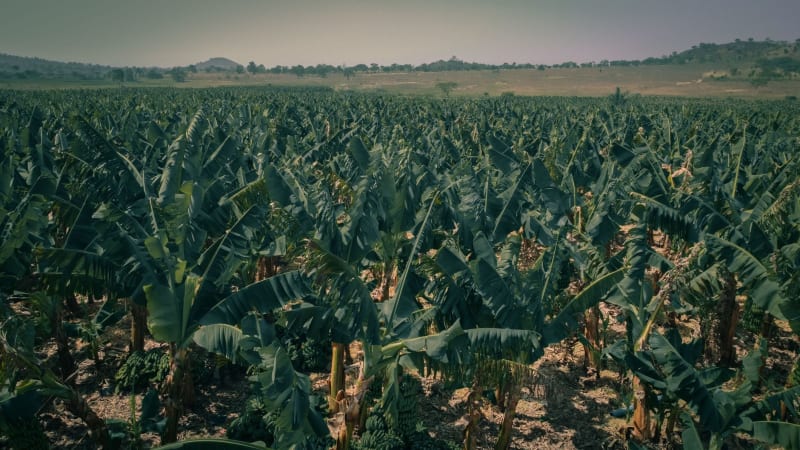
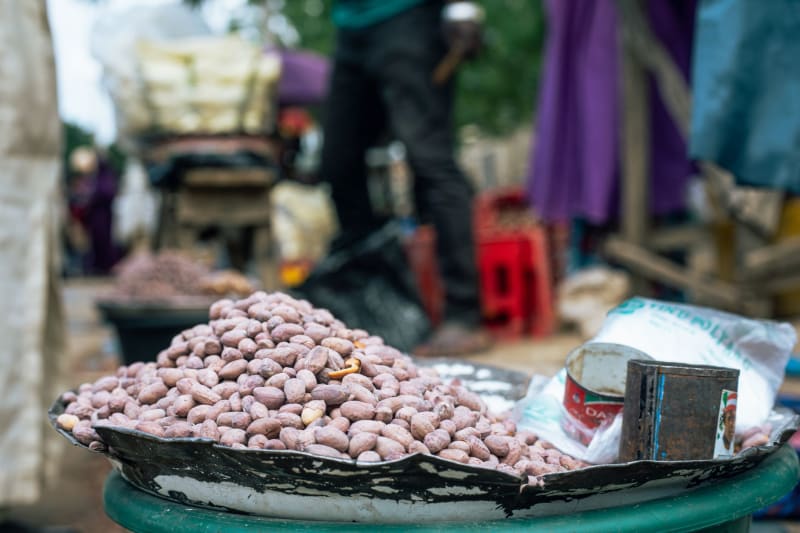
- GL 28 explicitly authorizes all transactions and activities related to the export or reexport of agricultural commodities, medicine, and medical devices to the Democratic Republic of the Congo (DRC) and the Republic of Rwanda, ensuring vital supplies can reach populations in need.
- This new general license effectively broadens the scope of permissible activities, allowing for the provision of essential goods and services that were previously restricted or required specific, time-consuming licenses.
- The authorization extends to transactions involving individuals or entities blocked under Executive Order (E.O.) 13413, E.O. 13026, or E.O. 13098, provided these transactions are solely for the purpose of supplying agricultural or medical items.
- The issuance of GL 28 underscores a clear policy objective by the U.S. government to prioritize humanitarian concerns and prevent the unintended negative consequences of sanctions on civilian populations.
- This license is a proactive measure designed to mitigate potential food insecurity and health crises in the DRC and Rwanda, regions that have historically faced significant challenges due to conflict and economic instability.
What We Do Not Know Yet
- The precise impact of GL 28 on the ground in terms of increased access to goods and services, and how quickly these changes will translate into tangible benefits for local populations, remains to be fully assessed.
- It is unclear how various international and local non-governmental organizations (NGOs) and aid agencies will interpret and operationalize the new license, and what specific challenges they might encounter in its implementation.
- The extent to which this general license will influence the broader political and economic dynamics within the DRC and Rwanda, particularly concerning ongoing regional conflicts and trade relations, is yet to be determined.
- Whether this license signals a potential shift in U.S. sanctions policy towards a more nuanced, humanitarian-focused approach in other sanctioned regions, or if it is an isolated response to specific conditions in Central Africa, is still an open question.
- The specific mechanisms and oversight measures OFAC will employ to ensure compliance with GL 28, preventing its misuse while maximizing its humanitarian impact, have not been fully detailed.
- How this general license will interact with other existing sanctions regimes or international regulations that might also affect trade and aid to the DRC and Rwanda requires further clarification for all stakeholders involved.
Background
The Democratic Republic of the Congo (DRC) and Rwanda have long been at the epicenter of complex humanitarian crises, characterized by protracted armed conflicts, widespread displacement, and severe food insecurity. Decades of instability, fueled by competition over natural resources and ethnic tensions, have left millions vulnerable, with limited access to basic necessities like food, clean water, and medical care. The humanitarian situation is often exacerbated by the presence of numerous armed groups and the challenges associated with delivering aid in remote and insecure areas, making any policy that eases the flow of essential goods incredibly significant.
U.S. sanctions, primarily implemented through various Executive Orders, have targeted individuals and entities deemed to be undermining peace, security, or stability in the DRC and the broader Great Lakes region. These sanctions aim to pressure malign actors and prevent illicit financial flows, but they can inadvertently create obstacles for legitimate humanitarian and commercial activities. The intricate web of financial regulations and compliance requirements often leads to 'over-compliance' by banks and businesses, who, out of an abundance of caution, may refuse to process transactions even if they are technically permissible, fearing penalties.
The issuance of General License 28 by OFAC represents a critical recognition of these challenges. It acknowledges the imperative to balance national security objectives with humanitarian principles, ensuring that sanctions do not unduly punish innocent civilians. This license builds upon a broader trend in U.S. sanctions policy to incorporate humanitarian carve-outs and general licenses, reflecting a global understanding that while sanctions are a powerful foreign policy tool, their implementation must be carefully calibrated to avoid exacerbating human suffering. This proactive measure seeks to streamline the delivery of life-saving aid and essential agricultural products, directly addressing critical needs in a region perpetually on the brink.
Why It Matters
This General License 28 is a game-changer for humanitarian organizations and aid workers operating in the Democratic Republic of the Congo and Rwanda. By explicitly authorizing transactions related to agricultural commodities, medicine, and medical devices, it significantly reduces the legal and logistical hurdles that previously hindered the delivery of critical aid. This clarity from OFAC means that organizations can more confidently engage in procurement and distribution, knowing that their efforts to save lives and alleviate suffering are officially sanctioned and protected from potential punitive actions. It could unlock substantial resources and accelerate the pace of humanitarian response in areas desperately needing assistance.
Beyond immediate humanitarian relief, this policy adjustment has profound implications for regional stability and economic development. Increased access to agricultural inputs and medical supplies can bolster local economies, improve public health outcomes, and foster greater resilience among vulnerable populations. When communities have better access to food and healthcare, they are less susceptible to the destabilizing effects of conflict and poverty. This license, therefore, is not just about providing aid; it's about investing in the long-term well-being and stability of two nations that have endured immense hardship, potentially creating a foundation for sustainable recovery and growth.
The issuance of GL 28 also sends a powerful signal to the international community about the U.S. commitment to humanitarian principles, even within the framework of robust sanctions regimes. It demonstrates a nuanced approach to foreign policy, one that seeks to isolate malign actors without inadvertently penalizing innocent civilians. This move could encourage other nations and international bodies to re-evaluate their own sanctions policies, potentially leading to a more coordinated and effective global humanitarian response. It sets a precedent for how sanctions can be designed and implemented with greater sensitivity to their human impact, fostering a more collaborative environment for addressing complex global challenges.
Timeline of Events
- December 2006: Executive Order 13413 is issued, declaring a national emergency with respect to the situation in the Democratic Republic of the Congo, initiating a sanctions program targeting individuals and entities contributing to the conflict and instability.
- July 2014: OFAC issues a related General License, GL 6, authorizing certain activities in the DRC, reflecting early efforts to balance sanctions with humanitarian and development concerns, though less comprehensive than GL 28.
- Early 2020s: Growing international advocacy and reports highlight the severe humanitarian impact of sanctions in various regions, prompting calls for more explicit humanitarian exemptions and general licenses from aid organizations and UN agencies.
- Throughout 2021-2023: Continued instability and humanitarian crises in the DRC and Rwanda, exacerbated by regional conflicts and economic challenges, intensify the need for unimpeded access to essential goods and services.
- December 2023: The U.S. Treasury Department's Office of Foreign Assets Control (OFAC) begins internal discussions and reviews regarding the scope and effectiveness of existing sanctions in the Great Lakes region, considering potential adjustments.
- February 2024: OFAC formally issues General License (GL) 28, explicitly authorizing transactions related to agricultural commodities, medicine, and medical devices for the Democratic Republic of the Congo and the Republic of Rwanda, marking a significant policy shift.
Rapid-Fire Q&A
What Is Coming
- Humanitarian organizations are expected to ramp up their operations in the DRC and Rwanda, leveraging the newfound clarity and reduced compliance risks to accelerate the delivery of essential goods and services.
- The U.S. government will likely monitor the implementation and impact of GL 28 closely, assessing its effectiveness in achieving humanitarian objectives while ensuring it does not inadvertently benefit sanctioned actors.
- We may see increased engagement from international businesses and financial institutions in facilitating trade of agricultural and medical products with the DRC and Rwanda, as the legal landscape becomes more favorable.
- There could be calls from advocacy groups and international bodies for similar humanitarian carve-outs or general licenses in other sanctioned regions facing severe humanitarian crises, using GL 28 as a precedent.
- OFAC may issue additional guidance or FAQs to further clarify the scope and application of GL 28, especially as practical implementation challenges or specific scenarios emerge from the field.
- Regional governments and stakeholders in the Great Lakes region will likely respond to this policy change, potentially leading to new discussions on trade, aid coordination, and regional stability in the context of eased sanctions.





Comments
No comments yet. Be the first to comment!