
What We Know
- President Trump ordered a military strike against Iran in response to the downing of a US surveillance drone, but subsequently called it off just hours before it was to be executed, citing concerns over potential casualties.
- The planned strikes targeted a limited number of Iranian military sites, specifically radar and missile batteries, in a retaliatory measure intended to demonstrate resolve without escalating into a broader conflict.
- The decision to halt the attack was made after military officials informed the President that approximately 150 Iranian lives could be lost, a casualty count deemed disproportionate to the downing of an unmanned drone.
- Trump's administration has explicitly stated that any future military action remains contingent on Iran's actions and the potential for a diplomatic resolution, signaling a complex and evolving strategy.
- The President has publicly indicated a preference for a diplomatic solution, emphasizing that he is 'in no hurry' to engage in military conflict, but also stressing the necessity of a 'rapid' peace deal.
- International concern remains high, with global leaders urging both the United States and Iran to exercise maximum restraint and pursue de-escalation through dialogue rather than military confrontation.
What We Do Not Know Yet
- The precise conditions or specific concessions that President Trump would consider acceptable for a 'rapid' peace deal with Iran remain undefined, creating ambiguity around the path to de-escalation.
- It is unclear whether direct communication channels have been established between the US and Iranian leadership, or if any third-party mediators are actively involved in facilitating potential negotiations.
- The long-term implications of this last-minute reversal on US credibility and military deterrence in the region are still being assessed by international observers and defense analysts.
- The exact intelligence that led to the initial decision to authorize military action, beyond the drone incident, and the specific factors that contributed to the subsequent change of heart, have not been fully disclosed.
- How Iran will respond to this gesture of restraint, and whether they will interpret it as an opportunity for dialogue or a sign of weakness, is a critical unknown that will shape future interactions.
- The internal dynamics and potential divisions within the Trump administration regarding the optimal approach to Iran, whether diplomatic or confrontational, are not entirely transparent to the public.
Background
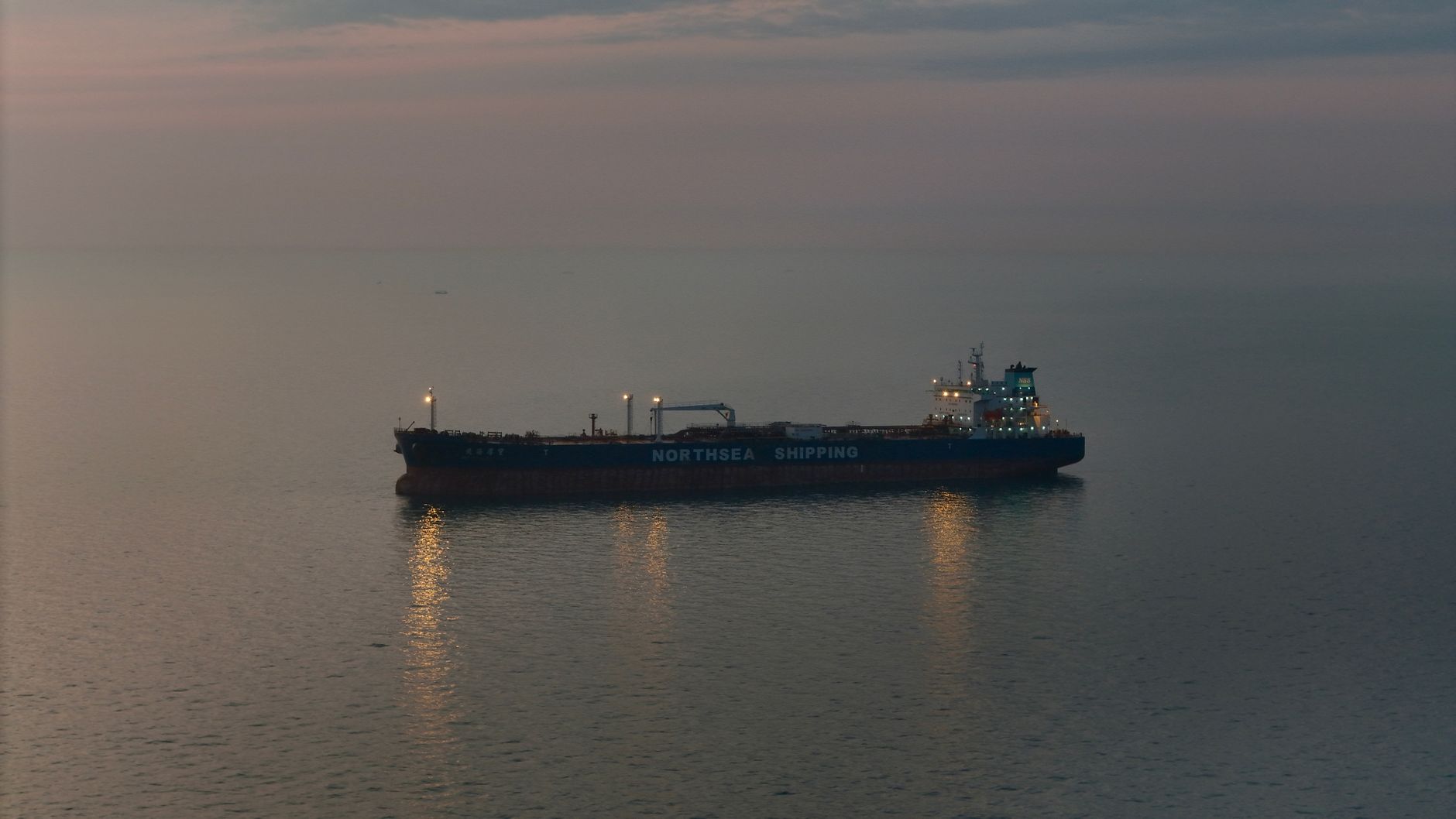
Tensions between the United States and Iran have been escalating dramatically for months, reaching a fever pitch following a series of incidents in the Persian Gulf. This latest crisis was precipitated by Iran's downing of a sophisticated American RQ-4 Global Hawk surveillance drone over the Strait of Hormuz. Iran claimed the drone had violated its airspace, a contention vehemently denied by the U.S., which maintained the drone was operating in international airspace. This incident was not isolated; it followed attacks on oil tankers in the Gulf, which the U.S. also attributed to Iran, further ratcheting up the already fraught relationship.
The roots of the current standoff trace back to President Trump's 2018 decision to withdraw the United States from the Joint Comprehensive Plan of Action (JCPOA), commonly known as the Iran nuclear deal. This multilateral agreement, signed in 2015, aimed to curb Iran's nuclear program in exchange for sanctions relief. Trump's withdrawal and the subsequent re-imposition of crippling economic sanctions on Iran have severely impacted the Iranian economy, leading Tehran to gradually roll back its commitments under the deal and adopt a more confrontational stance in the region. This policy shift fundamentally altered the geopolitical landscape, creating the conditions for the current volatile situation.
The region has been a tinderbox for decades, with proxy conflicts and geopolitical rivalries often pitting Iran against U.S. allies like Saudi Arabia and Israel. The Strait of Hormuz, a critical chokepoint for global oil shipments, has become a flashpoint, with any disruption threatening to send shockwaves through international energy markets. The downing of the drone, therefore, was not merely an isolated act but a significant escalation within this broader context of heightened military posturing and economic warfare. The immediate aftermath saw both sides engaging in strong rhetoric, with the world holding its breath as the possibility of direct military conflict loomed large.
Why It Matters
The decision to call off the strike, while averting immediate conflict, underscores the extreme fragility of peace in one of the world's most volatile regions. A miscalculation or an unintended escalation could rapidly spiral into a full-blown war, drawing in regional and international powers. Such a conflict would not only devastate Iran and potentially neighboring countries but also have catastrophic global economic repercussions, particularly impacting oil prices and international trade routes through the Strait of Hormuz. The sheer scale of potential human suffering and geopolitical instability makes this a critical moment for international diplomacy.
President Trump's public demand for a 'rapid' peace deal places immense pressure on both the U.S. and Iranian diplomatic corps. It signals a potential shift from a purely confrontational stance to one that, at least publicly, prioritizes negotiation, albeit with a strict timeline. However, the lack of clear parameters for such a deal, coupled with Iran's deep distrust of the U.S. after the nuclear deal withdrawal, makes achieving a rapid breakthrough incredibly challenging. The success or failure of these diplomatic overtures will largely determine whether the region descends into conflict or finds a path towards de-escalation.
This episode also has significant implications for global power dynamics and the future of international relations. It tests the limits of deterrence and the effectiveness of economic sanctions as a primary foreign policy tool. The world is watching to see how the U.S. navigates this complex situation, balancing military readiness with diplomatic efforts. The outcome will set precedents for how major powers handle future geopolitical crises, influencing perceptions of American leadership and the stability of the international order. The stakes are incredibly high, affecting not just the immediate parties but the entire global community.
Timeline of Events
- May 2018: President Trump withdraws the U.S. from the Iran nuclear deal (JCPOA) and reinstates sanctions, initiating a period of heightened economic pressure on Iran.
- May-June 2019: A series of attacks on oil tankers in the Gulf of Oman occur, with the U.S. blaming Iran, further escalating tensions and raising fears of regional conflict.
- June 13, 2019: Two oil tankers are attacked near the Strait of Hormuz, prompting the U.S. to send additional military assets to the region and accuse Iran of responsibility.
- June 20, 2019: Iran's Revolutionary Guard Corps shoots down a U.S. RQ-4 Global Hawk surveillance drone, claiming it violated Iranian airspace; the U.S. insists it was in international airspace.
- June 20, 2019 (evening): President Trump initially approves retaliatory military strikes against Iranian radar and missile batteries, signaling a direct military response.
- June 21, 2019 (late night/early morning): President Trump calls off the planned strikes approximately 10 minutes before they were to be executed, citing concerns over potential Iranian casualties.
- June 21, 2019: Trump publicly announces his decision to halt the strike, stating that 150 potential Iranian deaths would have been a disproportionate response to an unmanned drone.
- June 21, 2019 onwards: International calls for de-escalation intensify, with world leaders urging diplomatic solutions and restraint from both the U.S. and Iran.
Rapid-Fire Q&A
What Is Coming
- Intensified diplomatic efforts, potentially involving third-party mediators, are expected to try and bridge the significant trust gap between the U.S. and Iran, aiming to establish channels for negotiation.
- The U.S. is likely to continue its 'maximum pressure' campaign through economic sanctions, even as it signals a willingness for diplomacy, aiming to compel Iran to the negotiating table from a position of perceived weakness.
- Iran may continue its strategy of incremental non-compliance with the JCPOA and engage in further regional provocations to demonstrate its resolve and extract concessions from the international community.
- Increased military posturing and surveillance in the Persian Gulf are anticipated from both sides, maintaining a high level of alert and the constant risk of accidental escalation or miscalculation.
- International organizations and major global powers will likely increase their calls for de-escalation and dialogue, attempting to prevent the situation from spiraling into a broader regional conflict.
- The domestic political landscapes in both the U.S. and Iran will play a crucial role, with internal pressures potentially influencing the flexibility and willingness of their respective leaders to compromise or escalate.









Comments
No comments yet. Be the first to comment!