
The Numbers
- Inflation rates in Iran have consistently hovered above 40% for several years, severely eroding purchasing power and plunging millions into poverty, making basic necessities increasingly unaffordable for the average Iranian household.
- Unemployment, particularly among youth, remains stubbornly high, exceeding 15% nationally and reaching over 25% in some regions, fueling widespread disillusionment and contributing to social unrest.
- Over 80% of Iran's oil revenues are reportedly diverted to support regional proxies and military ventures, leaving critical domestic sectors underfunded and exacerbating the nation's economic woes and infrastructure decay.
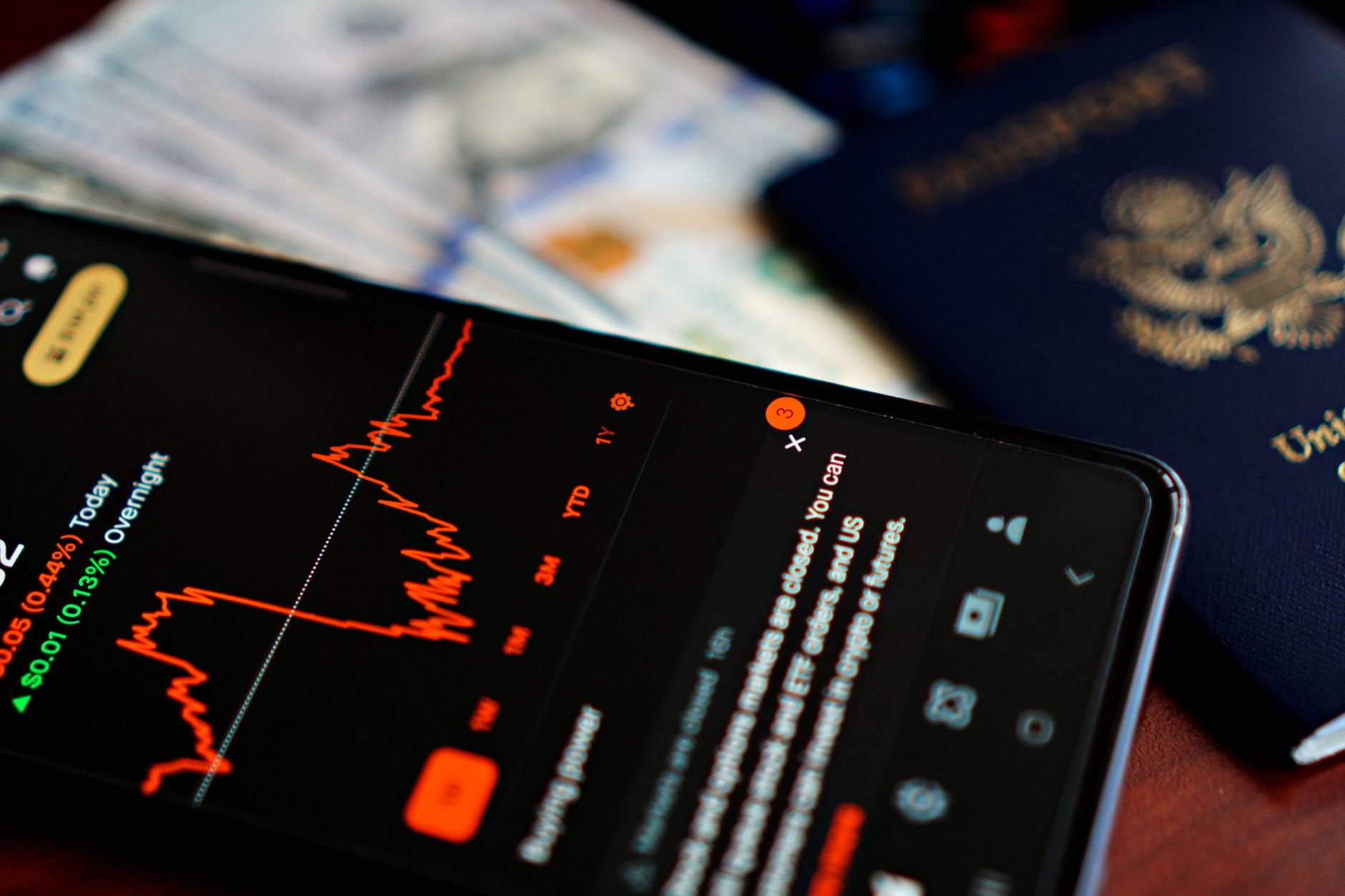
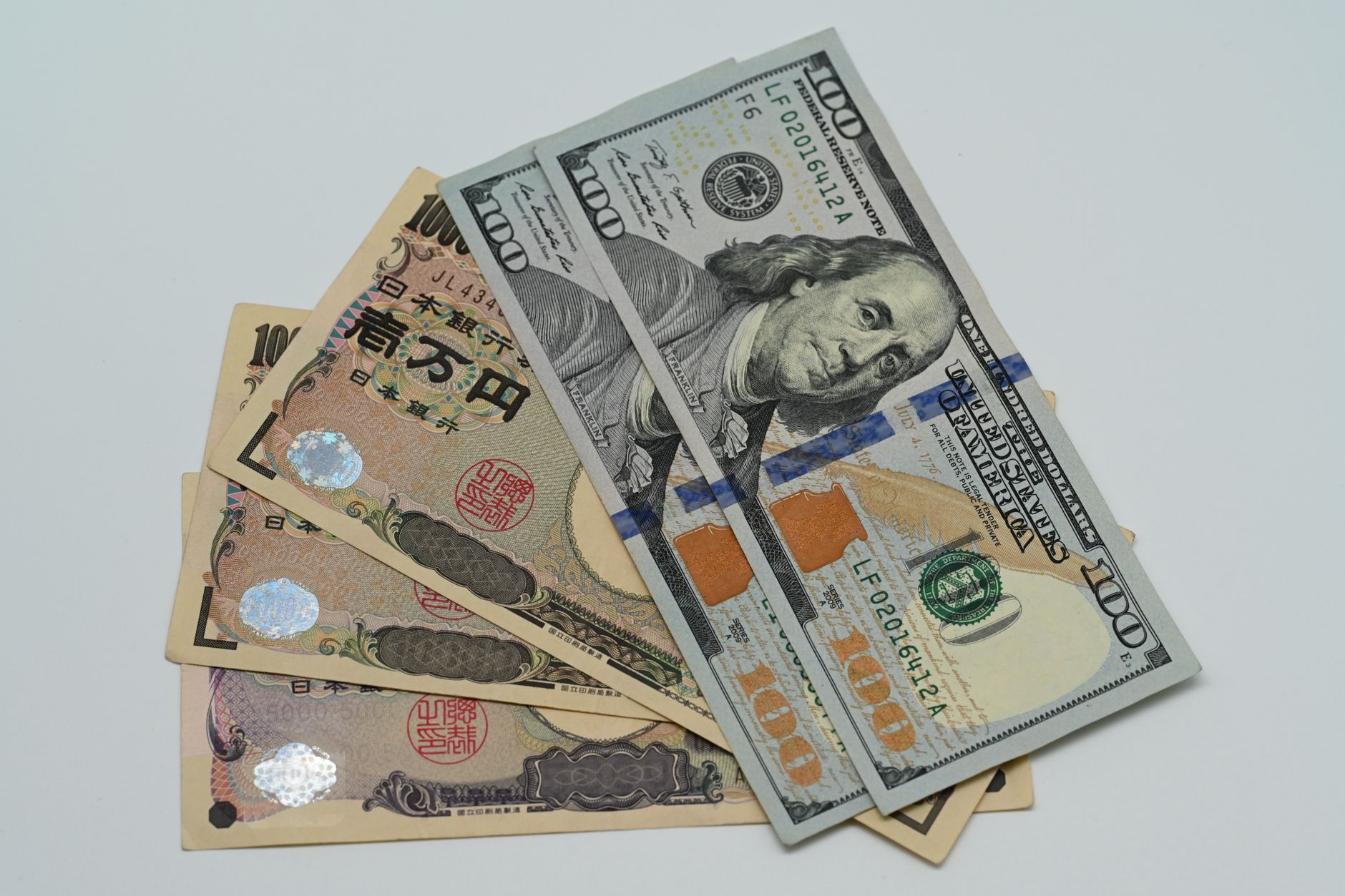
- The Iranian Rial has depreciated by over 90% against the US Dollar in the last five years, a catastrophic decline that has decimated savings and made imports prohibitively expensive, further isolating Iran from global markets.
- More than 1,000 political prisoners are estimated to be held in Iranian jails, many arrested during recent protests, highlighting the regime's harsh crackdown on dissent and its systematic suppression of fundamental human rights.
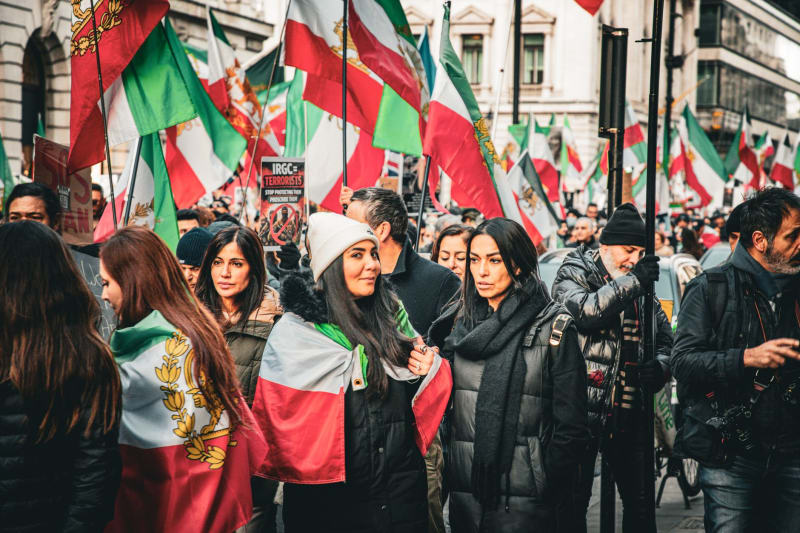
- Recent protests have seen participation from over 100 cities and towns across Iran, demonstrating the broad geographical spread of discontent and the deep-seated grievances against the ruling establishment, transcending specific demographics.
Context Check
Iran's geopolitical landscape is far more complex than a simple confrontation with the United States. While the nuclear program and regional proxy wars dominate international headlines, the Islamic Republic is simultaneously battling a relentless onslaught of internal crises that threaten its very foundation. These domestic challenges, ranging from a collapsing economy to widespread social unrest and deepening political factionalism, are not merely background noise; they are critical drivers shaping Iran's foreign policy and its leaders' strategic calculus. Understanding this intricate interplay between internal fragility and external aggression is paramount to grasping the true nature of the threats emanating from Tehran.
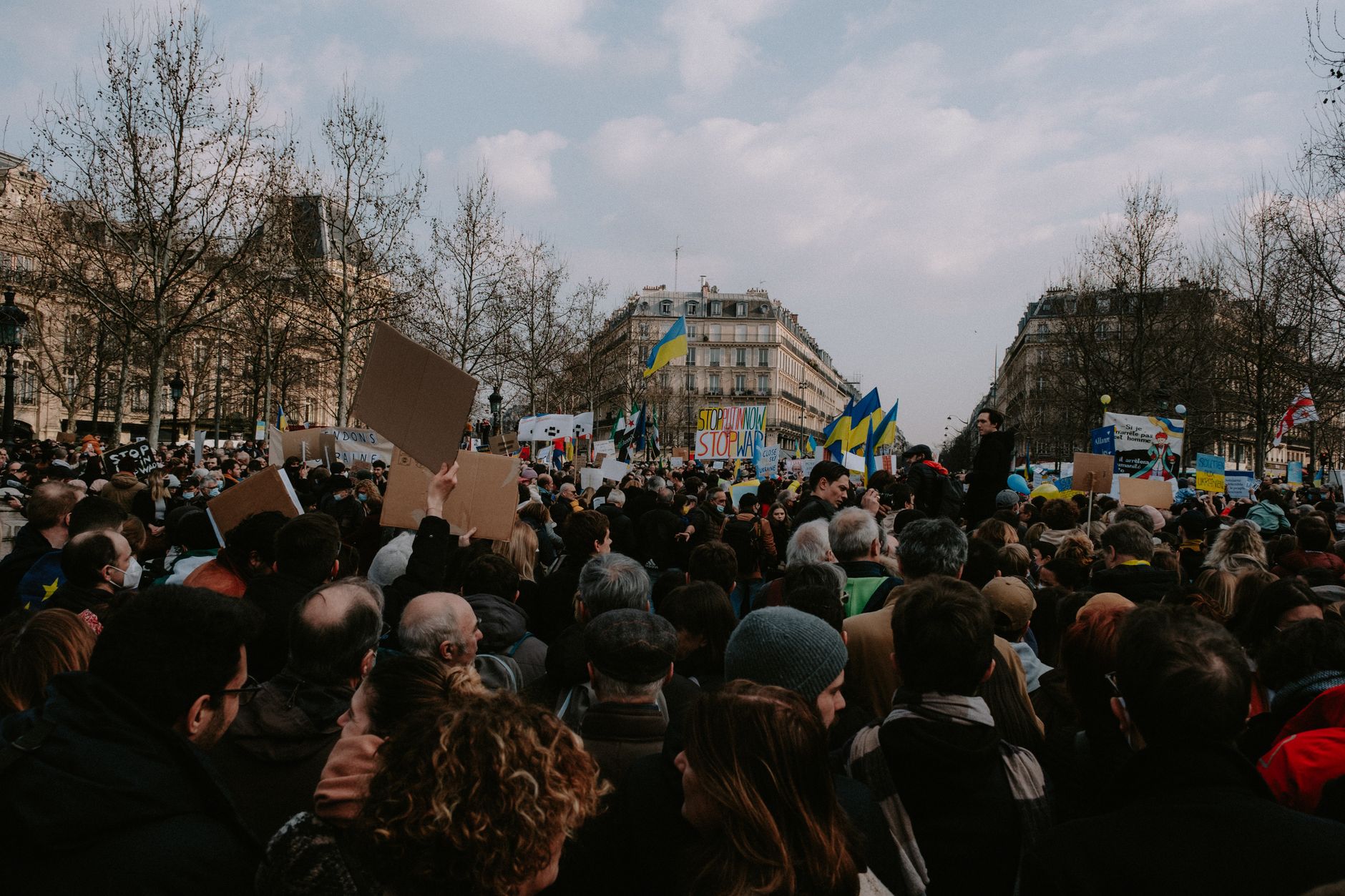
The regime's efforts to project strength on the international stage often serve as a diversion from its profound domestic vulnerabilities. Economic sanctions, while certainly impactful, have been compounded by decades of mismanagement, corruption, and a state-centric economic model that stifles innovation and private enterprise. This has created a fertile ground for public discontent, manifesting in sporadic but increasingly potent protests across the country. The government's response, typically characterized by brutal repression, only further alienates its own populace and hardens the resolve of those seeking fundamental change, creating a dangerous feedback loop of grievance and crackdown.
Moreover, the internal political dynamics within Iran are far from monolithic. A deep ideological rift exists between hardliners, who advocate for uncompromising resistance against Western influence and strict adherence to revolutionary principles, and more pragmatic factions, who recognize the urgent need for economic reform and a more conciliatory approach to international relations. This internal struggle for power and direction often paralyzes effective governance, preventing the implementation of much-needed reforms and exacerbating the nation's myriad problems. The supreme leader's advanced age and the looming succession question add another layer of uncertainty, making the current period one of unprecedented instability for the Islamic Republic.
Background
For decades, Iran has navigated a precarious balance between asserting its regional influence and managing profound internal discontent. The 1979 Islamic Revolution, while establishing the current theocratic system, also sowed the seeds of future ideological and social divisions. Successive governments have struggled to deliver on economic promises, leading to persistent grievances among a population that often feels disenfranchised and economically marginalized. The current wave of internal crises is not an anomaly but rather the culmination of long-standing issues exacerbated by external pressures and a rigid political structure that resists genuine reform, pushing the nation to a critical juncture.
The economic woes are particularly acute. Sanctions imposed by the United States and its allies, primarily targeting Iran's oil and financial sectors, have severely crippled the national economy. However, these external pressures are amplified by pervasive corruption, chronic mismanagement, and an over-reliance on oil revenues, which has left other sectors underdeveloped and vulnerable. The result is runaway inflation, a depreciating currency, and alarmingly high unemployment rates, particularly affecting the younger generation and educated professionals. This economic despair is a potent catalyst for the widespread public protests that have rocked the nation in recent years, demanding fundamental changes to the economic and political system.
Beyond economics, social and political freedoms are severely curtailed. The regime's strict interpretation of Islamic law and its pervasive surveillance apparatus have stifled dissent and suppressed individual liberties. Women's rights, freedom of expression, and political participation are routinely restricted, leading to deep-seated resentment among significant segments of the population, especially urban youth and women. The death of Mahsa Amini in police custody in 2022, which sparked nationwide protests, served as a stark reminder of the deep chasm between the ruling establishment and a populace yearning for greater freedoms and a more equitable society. These protests, though often met with brutal force, signal an unwavering demand for change.
Winners and Losers
Within Iran, the hardline factions of the Islamic Revolutionary Guard Corps (IRGC) and their clerical allies appear to be consolidating power, benefiting from the current climate of external threat and internal repression. These groups leverage the perceived foreign aggression to justify their authoritarian rule and expand their economic and political influence, often at the expense of the general populace. They control vast swathes of the economy, from key industries to illicit trade networks, ensuring their financial stability even as the rest of the country struggles. Their narrative of national resistance against external enemies resonates with a segment of the population, allowing them to maintain a firm grip on the levers of power and suppress any dissenting voices.
Conversely, the overwhelming majority of the Iranian population stands as the primary loser. Ordinary citizens bear the brunt of economic sanctions, hyperinflation, and a collapsing currency, which have decimated their savings and made daily life an arduous struggle. The lack of political freedom, coupled with severe human rights abuses, further compounds their suffering. Young people, in particular, face a bleak future with limited job prospects and restricted social liberties, leading to widespread disillusionment and a brain drain as many educated professionals seek opportunities abroad. Their aspirations for a better, more open society are consistently crushed by a regime prioritizing its own survival over the welfare of its people.
Regionally, Iran's proxy groups, such as Hezbollah in Lebanon and various militias in Iraq and Syria, often benefit from increased funding and strategic support from Tehran, allowing them to strengthen their positions and expand their influence. This comes at a significant cost to regional stability and often fuels further conflict, creating a cycle of violence that destabilizes entire nations. However, the long-term sustainability of this model is questionable, as Iran's internal economic pressures may eventually limit its ability to sustain these costly foreign ventures. The ultimate winners and losers in this complex regional chessboard remain fluid, dependent on the evolving dynamics of power and the resilience of the Iranian state itself.
Analyst Perspectives
Many Middle East analysts emphasize that Iran's internal stability is far more fragile than its external posturing suggests. Dr. Karim Sadjadpour of the Carnegie Endowment for International Peace frequently highlights that the regime's primary focus is self-preservation, often at the expense of national development or public welfare. He argues that the leadership views any internal dissent as an existential threat, leading to disproportionate crackdowns that only deepen the chasm between the state and society. This perspective suggests that while external pressures are significant, the seeds of the regime's potential downfall lie within its own borders and its inability to adapt to the evolving demands of its populace.
Other experts, like Suzanne Maloney from the Brookings Institution, point to the deep structural issues within Iran's economy and political system as the root cause of its persistent crises. She notes that even if sanctions were lifted, the pervasive corruption, lack of transparency, and the dominance of the IRGC in economic affairs would continue to stifle growth and innovation. Maloney suggests that without fundamental internal reforms, Iran's economic woes will persist, fueling social unrest regardless of external geopolitical developments. This view underscores the immense challenge facing any future Iranian government in addressing decades of systemic dysfunction.
Conversely, some analysts, particularly those closer to the Iranian establishment or sympathetic to its revolutionary ideals, often frame the internal challenges as a direct consequence of Western sanctions and interference. They argue that external pressures are designed to destabilize the country and undermine its sovereignty, forcing the regime to prioritize national security over domestic reforms. This perspective, while often downplaying internal accountability, highlights the real impact of sanctions on ordinary Iranians and the complex interplay between foreign policy and domestic hardship, suggesting that a different approach from the international community might yield different internal outcomes.
Key Questions Explained
The Outlook
The immediate outlook for Iran remains highly volatile. The convergence of severe economic hardship, escalating social unrest, and entrenched political infighting suggests a period of continued instability. The regime's reliance on repression to maintain control is unsustainable in the long term, as public grievances continue to mount and the younger generation increasingly demands fundamental changes. Without genuine reforms that address the root causes of discontent, the likelihood of more widespread and intense protests will only increase, potentially leading to a critical tipping point for the Islamic Republic.
Internationally, Iran's internal fragility will likely continue to complicate its foreign policy and nuclear negotiations. A regime preoccupied with domestic survival may become even more unpredictable on the global stage, potentially escalating regional tensions to distract from internal woes or to shore up nationalist support. The international community faces the delicate challenge of addressing Iran's nuclear ambitions and regional destabilization while also recognizing the profound suffering of the Iranian people and the potential for a transformative, albeit potentially chaotic, internal shift. Navigating this complex landscape requires nuanced diplomacy and a clear understanding of Tehran's multifaceted challenges.
Looking further ahead, the question of succession for the Supreme Leader looms large and could be a pivotal moment for Iran. The transition of power, whenever it occurs, will undoubtedly trigger intense jockeying among various factions, potentially leading to either a further entrenchment of hardline rule or, conversely, an opening for more moderate voices and genuine reform. The trajectory of Iran, both domestically and internationally, hinges significantly on how these internal power dynamics evolve and whether the regime can ultimately adapt to the aspirations of its populace or if it will face an inevitable reckoning with its own people.



Comments
No comments yet. Be the first to comment!