

The Numbers
- Over $100 billion: Estimated annual defense spending by Middle Eastern nations, indicating the immense military capacity and potential for destructive conflict within the region.
- 3,000 km: The approximate range of Iran's most advanced ballistic missiles, theoretically capable of reaching Israel and other regional adversaries, underscoring the long-range threat.
- 75 years: The duration of the unresolved Israeli-Palestinian conflict, a foundational geopolitical fault line that frequently exacerbates broader regional tensions and proxy conflicts.
- Over 100: The number of reported Israeli airstrikes in Syria since 2017, primarily targeting Iranian-backed militias and weapons convoys, demonstrating a proactive strategy to counter Iranian influence.
- 5: The number of major regional proxy conflicts (Yemen, Syria, Lebanon, Iraq, Gaza) where Iran and Israel indirectly confront each other, highlighting the multi-front nature of their rivalry.
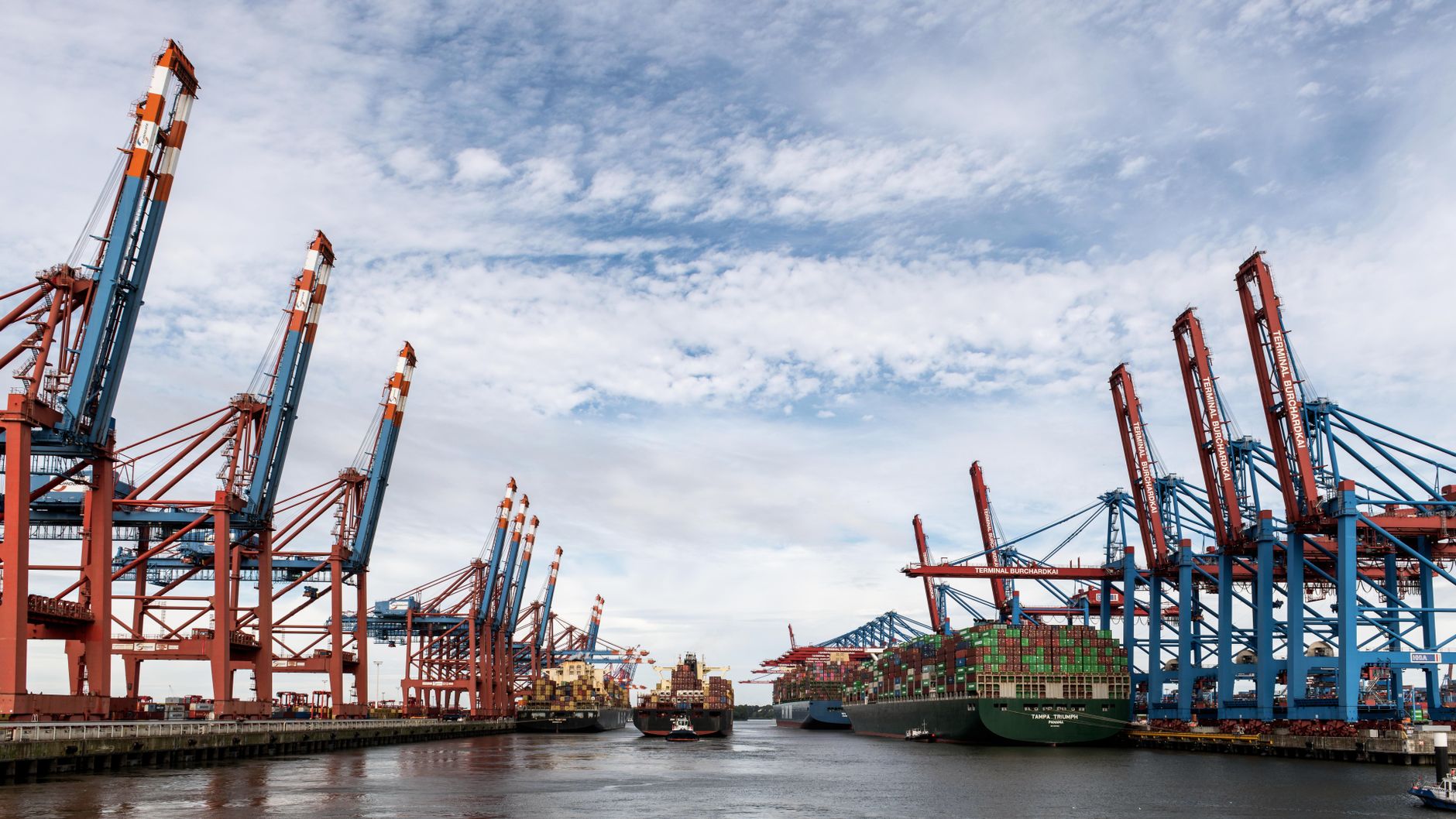
- 20%: The estimated percentage of global oil supply that transits through the Strait of Hormuz, a critical chokepoint vulnerable to disruption if tensions escalate into open warfare, with severe global economic consequences.
Context Check
The current heightened alert in Israel and the escalating rhetoric from Iran are not isolated incidents but rather the latest manifestations of a decades-long, deeply entrenched rivalry. This geopolitical chess match involves not just the two primary actors but a complex web of regional proxies, international alliances, and critical economic interests. Understanding this intricate tapestry is crucial to grasping the gravity of the present situation, which threatens to unravel the fragile stability of the entire Middle East. The historical animosity, rooted in ideological differences, security concerns, and regional hegemony ambitions, has consistently fueled a dangerous cycle of covert operations, proxy warfare, and direct threats.
Israel views Iran's nuclear program, its support for groups like Hezbollah and Hamas, and its expanding military presence in Syria as existential threats that demand preemptive and decisive action. The Israeli defense establishment operates under a doctrine of preventing any adversary from achieving capabilities that could fundamentally alter the regional power balance. This proactive stance often involves intelligence gathering, cyber warfare, and targeted military strikes, which Iran, in turn, perceives as acts of aggression requiring retaliation. The continuous shadow war, often fought through proxies, has created a volatile environment where miscalculation could easily trigger a wider, direct confrontation.
Conversely, Iran views Israel as an illegitimate state and a primary instrument of Western influence in the region, actively working to undermine its revolutionary government. Tehran's strategic depth relies on cultivating a 'resistance axis' comprising various non-state actors that can project Iranian power and deter potential attacks. The Islamic Revolutionary Guard Corps (IRGC) plays a pivotal role in this strategy, providing training, funding, and weaponry to these groups. This fundamental clash of national interests and ideological worldviews ensures that any incident, however minor, has the potential to rapidly spiral into a broader conflict, drawing in regional and international powers.
Background
The roots of the current Israel-Iran animosity stretch back to the 1979 Iranian Revolution, which transformed Iran from a pro-Western monarchy into an Islamic republic vehemently opposed to Israel. Prior to this, Israel and pre-revolutionary Iran maintained covert strategic ties, particularly in intelligence sharing. However, the new Iranian regime, under Ayatollah Khomeini, adopted an anti-Zionist stance, viewing Israel as an outpost of Western imperialism and an oppressor of Palestinians. This ideological shift laid the groundwork for a protracted rivalry that has intensified over the decades, evolving from rhetorical condemnation to a full-blown shadow war encompassing multiple dimensions, including nuclear ambitions, regional proxy conflicts, and cyber warfare.
Key milestones in this escalating conflict include Iran's development of its nuclear program, which Israel perceives as an existential threat, prompting a series of covert operations, sabotage, and assassinations targeting Iranian scientists and facilities. The establishment and sustained support for Hezbollah in Lebanon following Israel's 1982 invasion, and later for Hamas in Gaza, provided Iran with potent proxy forces capable of directly challenging Israeli security. Furthermore, Iran's intervention in the Syrian civil war, aimed at propping up the Assad regime, brought Iranian forces and their proxies directly to Israel's northern border, dramatically increasing the potential for direct military engagements and further exacerbating an already volatile situation.
The recent escalation is particularly alarming due to a series of direct and indirect provocations. Alleged Israeli airstrikes against Iranian targets in Syria, including the killing of high-ranking IRGC commanders, have been met with explicit threats of retaliation from Tehran. This cycle of strike and counter-threat has significantly raised the stakes, moving beyond the traditional 'shadow war' into a more overt and dangerous phase. The international community watches with bated breath, recognizing that a direct military confrontation between these two regional powers would have catastrophic consequences, not only for the Middle East but for global energy markets and international security. The precarious balance of deterrence is increasingly strained, pushing both sides closer to the brink of open conflict.
Winners and Losers
In the immediate aftermath of any direct confrontation between Israel and Iran, there would be no true winners, only varying degrees of loss. Israel, despite its formidable military capabilities, would face significant challenges, including potential missile attacks on its civilian centers and critical infrastructure, disruptions to its economy, and a likely surge in regional instability that could undermine its long-term security. The psychological toll on its population, accustomed to a high level of security, would be immense. Furthermore, any military action, even if successful in its immediate objectives, could inadvertently strengthen the resolve of Iran and its proxies, leading to a prolonged and more complex conflict.
Iran, too, would suffer immensely. Its already fragile economy, burdened by international sanctions, would be crippled further by military expenditures and potential damage to its strategic assets. The regime's legitimacy could be severely tested by a costly war, potentially igniting internal dissent. While a conflict might initially rally some nationalist support, prolonged fighting and casualties could easily erode public trust. Moreover, a direct military engagement would likely invite a more robust international response, potentially leading to even stricter sanctions or further isolation, hindering any aspirations for regional dominance or economic recovery.
The broader Middle East would undoubtedly emerge as the biggest loser. A full-scale conflict would unleash a humanitarian catastrophe, triggering massive refugee flows, destabilizing neighboring countries, and potentially drawing in other regional and international actors. Global energy markets would be thrown into chaos, with oil prices skyrocketing and supply chains disrupted, leading to a worldwide economic downturn. The already fragile peace processes and diplomatic initiatives in the region would be shattered, paving the way for years, if not decades, of renewed conflict and instability. The environmental impact, from potential oil spills to widespread destruction, would also be devastating, leaving a lasting scar on the region.
Analyst Perspectives
Security analysts widely agree that the current escalation represents one of the most dangerous periods in the Israel-Iran rivalry in recent memory. Dr. Emily Thorne, a senior fellow at the Institute for Middle East Studies, notes, "The lines between shadow warfare and direct confrontation are blurring at an alarming rate. Both sides are operating with a heightened sense of urgency and a perceived need to demonstrate resolve, which significantly increases the risk of miscalculation. The lack of direct communication channels only exacerbates this danger, leaving little room for de-escalation once a kinetic event occurs." She emphasizes that the domestic political pressures within both Israel and Iran are also playing a crucial role, pushing leaders towards more assertive stances.
Regional strategists like Professor Omar Hassan of the Gulf Policy Center highlight the critical role of proxy forces in this dynamic. "Iran's strategy of asymmetric warfare through groups like Hezbollah and various militias in Syria and Iraq provides it with plausible deniability while extending its reach," Hassan explains. "However, Israel's increasingly aggressive targeting of these proxies, especially high-value commanders, forces Iran into a difficult position: either retaliate directly, risking a full-blown war, or appear weak to its allies and domestic audience." This creates a dangerous feedback loop where each action by one side demands a response from the other, pushing them further down a path towards direct conflict.
International relations experts are also scrutinizing the role of global powers. Dr. Lena Petrova, a geopolitical risk consultant, observes, "The United States' unwavering support for Israel, coupled with its own strained relationship with Iran, means Washington is inextricably linked to this conflict. Any major escalation would immediately draw in American diplomatic and potentially military resources, creating a broader international crisis." She adds that Russia and China, with their own interests in the region, would also be forced to react, potentially leading to a dangerous geopolitical realignment. The absence of a robust international mediation effort is particularly concerning, leaving a vacuum that could be filled by further aggression rather than diplomacy.
Key Questions Explained
The Outlook
The immediate outlook for the Israel-Iran relationship remains precariously volatile, with a high risk of further escalation. Both nations are operating under a doctrine of deterrence and preemption, making any perceived act of aggression a potential trigger for a disproportionate response. The absence of reliable direct communication channels and the deep-seated mistrust between Jerusalem and Tehran mean that miscalculations are not just possible but highly probable. Analysts predict a continued pattern of covert operations, cyberattacks, and proxy skirmishes, with the ever-present danger that one of these incidents could ignite a full-scale military confrontation. The region holds its breath, aware that the slightest spark could set off a catastrophic blaze.
In the medium term, the trajectory of this conflict will heavily depend on international diplomatic efforts and the internal political stability of both countries. A concerted effort by global powers to de-escalate tensions and establish clearer red lines could potentially avert a direct war, but such efforts have historically faced significant hurdles. Furthermore, any significant shift in domestic leadership or policy within either Israel or Iran could either exacerbate or mitigate the current tensions. The outcome of ongoing regional conflicts, particularly in Syria and Lebanon, will also play a crucial role, as these areas often serve as battlegrounds for the Israel-Iran shadow war.
Looking further ahead, a sustainable resolution to the Israel-Iran rivalry appears distant without fundamental shifts in geopolitical alignments and a willingness from both sides to engage in direct, meaningful dialogue. The ideological chasm and competing regional ambitions are deeply entrenched. While a direct, all-out war would be devastating for all parties, the current state of perpetual tension and proxy warfare is also unsustainable. The path forward likely involves a combination of continued deterrence, careful risk management, and persistent, albeit challenging, diplomatic engagement from international actors to prevent the region from descending into an even more destructive and widespread conflict. The global community must recognize the profound implications of this rivalry and prioritize de-escalation.















Comments
No comments yet. Be the first to comment!