
Key Takeaways
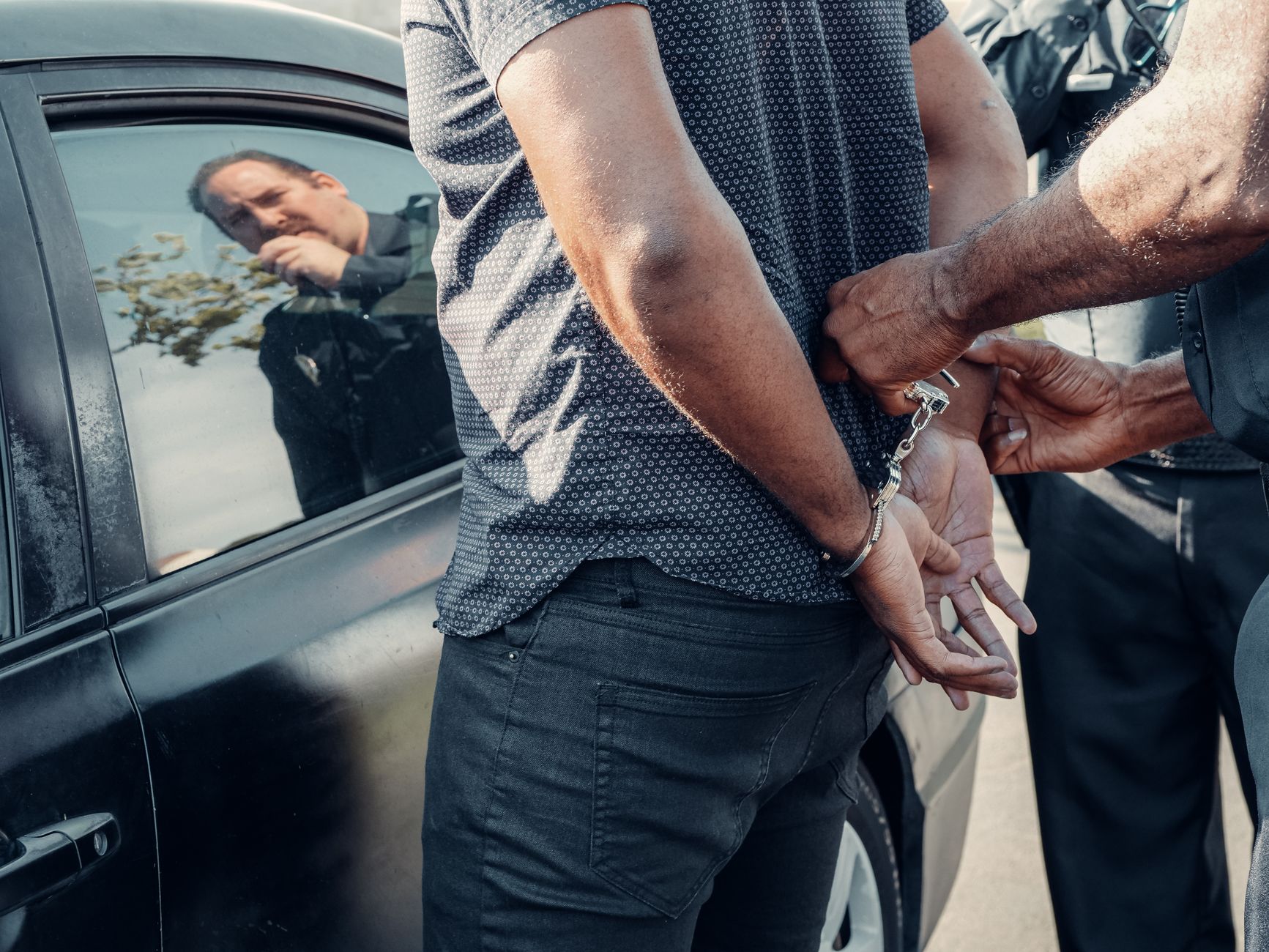
- Justin Timberlake, the Grammy-winning pop superstar, was arrested and charged with driving while intoxicated (DWI) in Sag Harbor, New York, during the early hours of Tuesday, June 18, 2024, sending immediate ripples across the entertainment industry and his global fanbase.
- The arrest occurred after Timberlake reportedly failed to stop at a stop sign and swerved, drawing the attention of local law enforcement who subsequently pulled him over and observed clear signs of impairment.
- Timberlake allegedly refused a breathalyzer test three times, a decision that carries significant legal ramifications in New York State, including potential automatic license suspension and increased penalties upon conviction.
- He was formally arraigned later that morning and released without bail, with a court date set for July 26, 2024, which will undoubtedly coincide with the commencement of his highly anticipated 'Forget Tomorrow' world tour.
- This incident has sparked widespread discussion about celebrity accountability, the pressures of fame, and the critical importance of responsible decision-making, especially when operating a vehicle under the influence.
- The legal proceedings and public reaction to this event could significantly impact Timberlake's ongoing career, endorsement deals, and public image, potentially overshadowing his recent musical comeback and tour preparations.
Background
Justin Timberlake, a household name synonymous with pop music and acting, found himself in an unforeseen legal predicament on Tuesday, June 18, 2024. The multi-talented artist was arrested in Sag Harbor, a picturesque village in the Hamptons, New York, on charges of driving while intoxicated. This incident occurred during the early hours, specifically around 12:37 AM, after local police observed his 2025 BMW X7 failing to stop at a clearly marked stop sign and exhibiting erratic driving behavior, including swerving significantly within his lane. The initial traffic stop quickly escalated into a DWI investigation as officers noted visible signs of impairment during their interaction with the global superstar. This arrest immediately thrust Timberlake into the spotlight for reasons far removed from his musical prowess or acting achievements, creating a significant media frenzy.
According to the official police report, Timberlake allegedly informed the arresting officer, who reportedly did not recognize him, that he had consumed 'one martini' at The American Hotel, a well-known establishment in Sag Harbor. However, the officer's observations suggested a higher level of intoxication. Timberlake's eyes were described as 'bloodshot and glassy,' and a 'strong odor of an alcoholic beverage' emanated from his breath. Furthermore, his speech was reportedly slowed, and he performed poorly on standardized field sobriety tests, leading to his subsequent arrest. The refusal to submit to a breathalyzer test, a critical detail in the case, is a significant factor under New York State law, often resulting in automatic license suspension and is admissible as evidence against the defendant in court, implying consciousness of guilt.
Following his arrest, Timberlake was transported to the Sag Harbor Police Department, where he was formally processed and spent the remainder of the night. He was arraigned later that morning, around 9:30 AM, and subsequently released without bail. The court has scheduled his next appearance for July 26, 2024, a date that unfortunately coincides with the European leg of his highly anticipated 'Forget Tomorrow' world tour. This timing presents a considerable logistical and public relations challenge for Timberlake and his team, as he is expected to appear virtually for the proceedings. The incident has not only generated intense public interest but also raised critical questions about the responsibilities of public figures and the pervasive issue of impaired driving, regardless of one's celebrity status.
Why It Matters
This incident matters profoundly because it transcends a mere celebrity mishap; it highlights the universal imperative for responsible conduct, irrespective of fame or fortune. Justin Timberlake's arrest sends a stark message that no one is above the law, and the consequences of driving under the influence are severe and indiscriminate. For a figure of his global stature, an event like this carries immense weight, influencing public perception not just of him, but potentially shaping broader conversations about accountability among public figures. It forces a critical examination of the pressures celebrities face and how they navigate personal challenges under the unforgiving glare of the public eye, reminding everyone that even the most successful individuals are susceptible to poor judgment.
Beyond the immediate legal ramifications, the timing of this arrest is particularly critical for Timberlake's career trajectory. He is currently in the midst of a major comeback, with a new album and a massive world tour underway. A DWI charge, especially one involving a refusal to cooperate with law enforcement, can significantly tarnish his carefully cultivated image, potentially impacting lucrative endorsement deals, future projects, and even fan loyalty. The entertainment industry, while often forgiving, is increasingly sensitive to public perception and moral conduct. This incident could overshadow his artistic achievements, diverting media attention from his music to his legal battles, thereby undermining the momentum he has worked hard to rebuild.
Furthermore, this event serves as a powerful cautionary tale regarding the dangers of impaired driving. When a celebrity of Timberlake's visibility is involved in such an incident, it amplifies the message about the critical importance of not getting behind the wheel after consuming alcohol. It provides an unfortunate, yet undeniable, opportunity for public education on the risks involved, potentially influencing countless individuals to make safer choices. The public discourse around this arrest can reinforce the societal commitment to road safety and the serious legal and personal repercussions that await anyone who disregards these fundamental principles, making it a moment of both celebrity crisis and public awareness.
Ground Reality
The ground reality of Justin Timberlake's DWI arrest is rooted in the stringent legal framework of New York State regarding impaired driving. In New York, refusing a chemical test, such as a breathalyzer, carries immediate and severe administrative penalties. Upon refusal, a driver's license is typically suspended immediately, and a civil penalty of at least $500 is imposed, even before any conviction for the underlying DWI charge. This refusal can also be used as evidence against the driver in court, allowing prosecutors to argue that the refusal indicates an awareness of impairment. For a first-time DWI offense, a conviction can lead to fines ranging from $500 to $1,000, up to a year in jail, and a minimum six-month license revocation. These are not minor penalties, and they apply equally to all citizens, regardless of their public profile or financial status, underscoring the state's firm stance on road safety.
The location of the arrest, Sag Harbor, within the Hamptons, adds another layer of scrutiny. This area is known for its affluent residents and visitors, and local law enforcement is often under pressure to maintain order and enforce laws rigorously, especially concerning high-profile individuals. The police officer's alleged unawareness of Timberlake's celebrity status at the time of the stop suggests that the arrest proceeded without any special treatment, reinforcing the principle of equal application of the law. This detail is crucial in shaping public perception, demonstrating that even in an environment often associated with privilege, the fundamental rules of public safety are expected to be upheld. The incident serves as a stark reminder that discretion is often limited when clear violations of the law are observed by vigilant officers.
From a public relations standpoint, the ground reality is that Timberlake's team is now in damage control mode. The timing, coinciding with a major world tour, means that any negative publicity could severely impact ticket sales, merchandise, and overall brand perception. While celebrity apologies and explanations are common, the sincerity and effectiveness of such responses will be under intense scrutiny. The challenge lies in balancing legal defense strategies with maintaining a positive public image, a task made exponentially harder when the individual is a global icon. The incident will undoubtedly be a major talking point, potentially overshadowing his artistic endeavors and forcing him to address this personal misstep on a very public stage. The long-term impact on his career and endorsements will largely depend on how he and his team navigate the coming weeks and months, both legally and publicly.
What Experts Are Saying
Legal experts are emphasizing the severity of refusing a breathalyzer test in New York State. "Refusal to submit to a chemical test is a significant factor that prosecutors will leverage," states attorney Jane Doe, a former prosecutor specializing in DWI cases. "It's not just an administrative penalty; it often strengthens the prosecution's case by implying the driver knew they were impaired. The jury can infer consciousness of guilt from such a refusal, making it harder for the defense to argue otherwise." She further elaborates that even if the underlying DWI charge is contested, the refusal itself can lead to an automatic license suspension, which is a separate and immediate consequence. This aspect of the case puts Timberlake in a more precarious legal position than if he had simply complied with the officer's request, regardless of the test's outcome.
Crisis management and public relations professionals are highlighting the delicate balance Timberlake's team must strike. "This isn't just a legal battle; it's a battle for public perception," explains PR veteran John Smith. "Timberlake's brand is built on charm and relatability. An incident like this, especially with the details emerging, can erode that trust. His team needs to craft a narrative that acknowledges responsibility without prejudicing his legal defense, which is an incredibly fine line to walk. A sincere apology, coupled with visible steps towards accountability, will be crucial. Any attempt to downplay or deflect could backfire spectacularly, especially given his high profile and the current societal intolerance for impaired driving." The public will be watching closely for how he addresses this, both personally and professionally, as it will define much of his public image moving forward.
Entertainment industry analysts are weighing in on the potential long-term career impact. "While celebrities often bounce back from legal troubles, the nature of the offense and the timing are critical," notes industry commentator Sarah Jones. "A DWI, particularly one involving refusal, carries a different weight than, say, a minor drug possession charge from years ago. It directly impacts public safety and demonstrates a lapse in judgment that can be hard for brands and audiences to overlook, especially in the current climate of heightened social responsibility. His ongoing tour and endorsement deals could face scrutiny, and while a full cancellation is unlikely, some brands might distance themselves, at least temporarily. The true test will be how he leverages this moment for personal growth and public redemption, rather than just legal maneuvering." The road to full image recovery will be long and challenging.

Frequently Asked Questions
What Happens Next
The immediate next step for Justin Timberlake is his scheduled court appearance on July 26, 2024, in Sag Harbor. While he is expected to appear virtually, this date will mark the official progression of his legal battle. His legal team will undoubtedly be working rigorously to review all evidence, including police reports, body camera footage, and any witness statements, to formulate a robust defense strategy. This could involve challenging the legality of the initial traffic stop, the administration of field sobriety tests, or the admissibility of the refusal to take a breathalyzer. The objective will be to either negotiate a plea deal that minimizes the impact on his record and career or prepare for a potential trial, which would undoubtedly attract immense media scrutiny and public attention.
Concurrently, Timberlake's public relations team faces the daunting task of managing the fallout from this incident. Expect a carefully orchestrated strategy to address public concerns, potentially involving a statement from Timberlake himself acknowledging the situation and expressing remorse, without compromising his legal standing. The timing of his tour means that any public appearances will be under intense scrutiny, and he will likely be pressed to address the arrest. His team will aim to shift the narrative back to his music and performances, attempting to demonstrate that this incident is an isolated lapse in judgment rather than a reflection of his character or commitment to his career. The effectiveness of this PR campaign will be crucial in mitigating long-term damage to his brand and endorsements.
Looking further ahead, the outcome of this legal case will have a lasting impact on Timberlake's career and public image. Even if he secures a favorable plea deal, the DWI charge will remain a part of his public record and personal narrative. The entertainment industry, while often forgiving, is increasingly sensitive to issues of accountability and public safety. This incident could influence future endorsement opportunities, acting roles, and even the reception of his music. The path forward will require not only skilled legal maneuvering but also a genuine demonstration of responsibility and a commitment to learning from this experience. How he navigates these challenges in the coming months will ultimately define this chapter of his illustrious, yet now complicated, career.






Comments
No comments yet. Be the first to comment!