

Key Takeaways
- Multiple allegations of sexual misconduct against Kevin Spacey emerged starting in 2017, significantly impacting his career and public image across various global jurisdictions.
- Spacey faced both civil lawsuits and criminal charges in the United States and the United Kingdom, leading to a complex series of legal battles that garnered international media attention and scrutiny.
- Despite a civil jury finding him not liable in one prominent U.S. case and a U.K. criminal court acquitting him on all charges, the allegations have irrevocably altered his professional trajectory and public perception.
- The fallout from these accusations resulted in his removal from major projects, including Netflix's 'House of Cards' and the film 'All the Money in the World,' underscoring the severe consequences of such claims in the entertainment industry.
- The cases against Spacey have sparked broader conversations about accountability, due process, and the #MeToo movement's impact on high-profile figures, highlighting the challenges of navigating public accusations and legal defenses.
- Spacey has consistently denied many of the allegations, maintaining his innocence and attempting a career resurgence, which has been met with mixed reactions from both the public and industry professionals.
Background
The allegations against acclaimed actor Kevin Spacey first surfaced prominently in October 2017, when actor Anthony Rapp accused Spacey of making a sexual advance toward him in 1986, when Rapp was 14 and Spacey was 26. This initial accusation opened a floodgate, leading numerous other individuals to come forward with their own stories of alleged misconduct by Spacey. These claims spanned decades and involved various locations, painting a disturbing picture of alleged predatory behavior within the entertainment industry. The sheer volume and consistency of the accusations quickly escalated the situation from a personal matter to a global scandal.
The immediate aftermath of these allegations was swift and severe for Spacey's career. Netflix, which had been the home of his critically acclaimed series 'House of Cards,' promptly fired him and wrote him out of the show's final season. Ridley Scott's film 'All the Money in the World' famously reshot all of Spacey's scenes with Christopher Plummer in a matter of weeks, demonstrating the industry's rapid response to distance itself from the controversy. These actions signaled a significant shift in how Hollywood and other global entertainment industries were prepared to handle such serious accusations against their most prominent figures, setting a precedent for future cases.
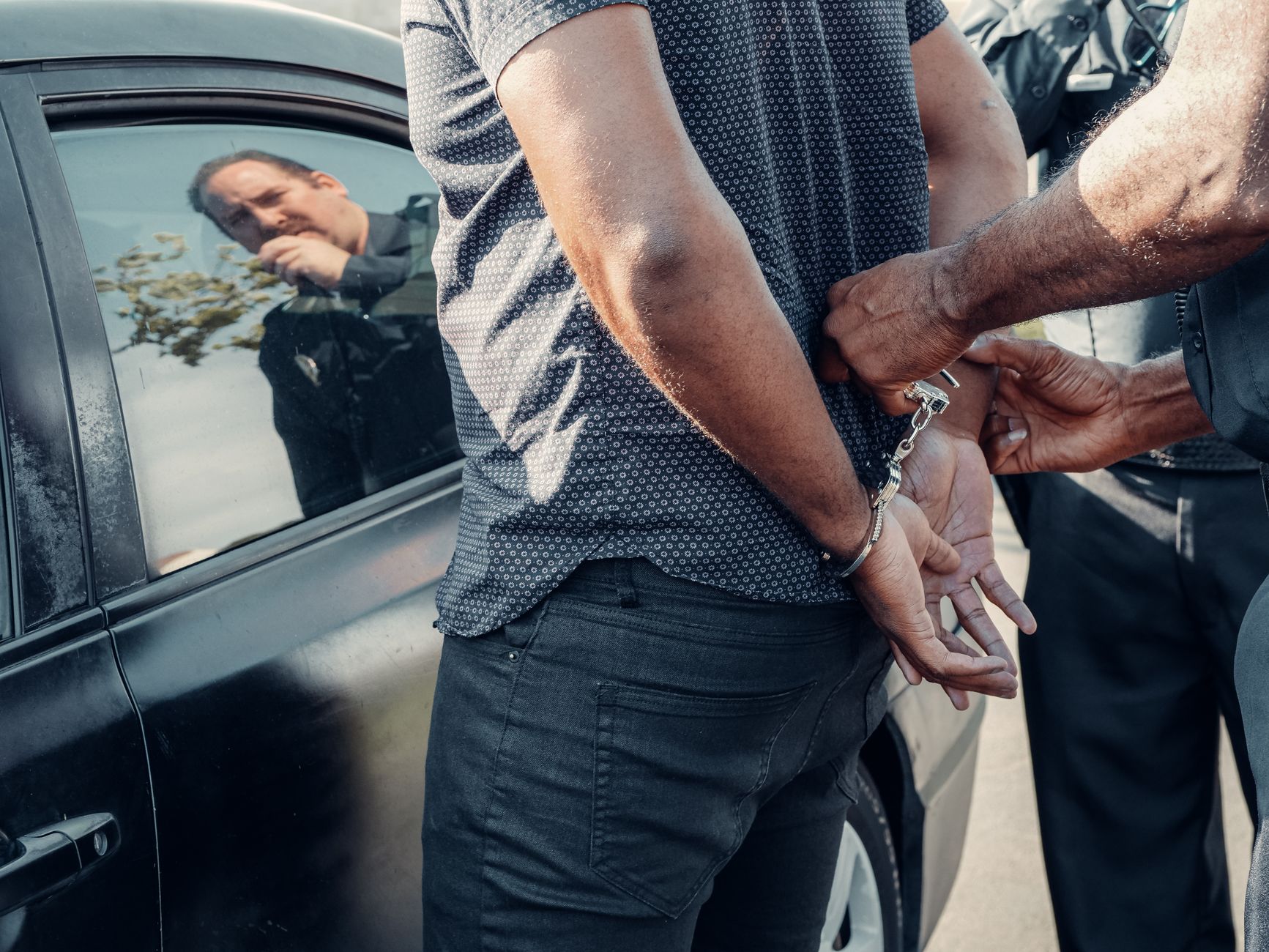
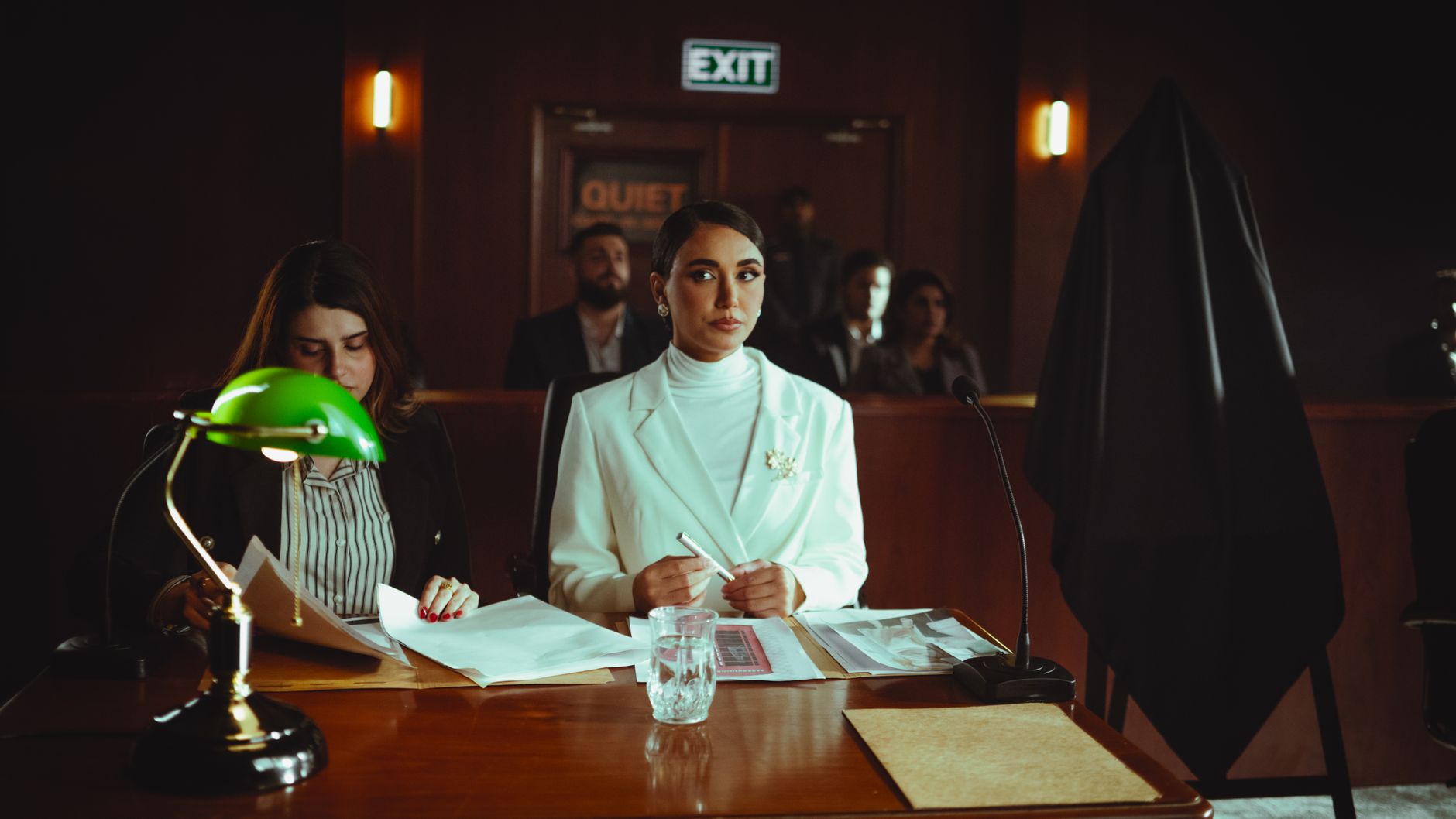
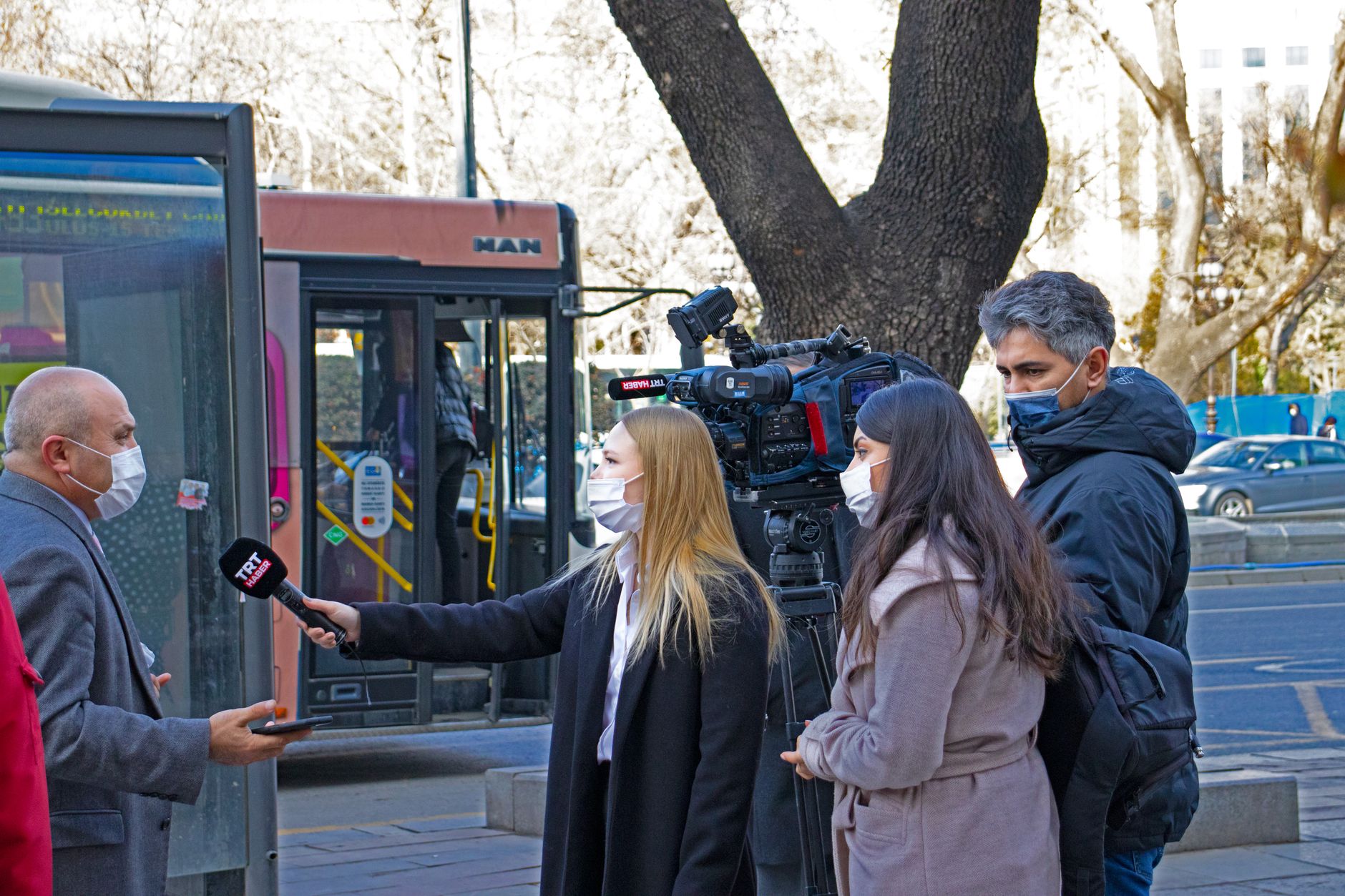
Beyond the immediate professional consequences, the allegations triggered a complex web of legal proceedings. Spacey faced both civil lawsuits in the United States, including the high-profile case brought by Anthony Rapp, and criminal charges in the United Kingdom. These legal battles have been protracted and intensely scrutinized, with each development drawing significant media attention. The cases have forced a public examination of evidence, witness testimonies, and legal strategies, all while Spacey maintained his innocence, often through his legal representatives, setting the stage for a prolonged and contentious fight for his reputation and freedom.
Why It Matters
The Kevin Spacey scandal transcends the individual fate of an actor; it serves as a critical case study in the broader #MeToo movement, illuminating the profound challenges and complexities involved when powerful figures face accusations of misconduct. His situation highlights the seismic shift in public and industry tolerance for alleged abuses of power, demonstrating that even a career as illustrious as Spacey's can be dismantled almost overnight. This shift has empowered victims to come forward, but also raised important questions about due process and the impact of public opinion on legal outcomes, making it a pivotal moment in the ongoing cultural reckoning.
The extensive legal proceedings, both civil and criminal, in the U.S. and U.K., have set precedents and offered valuable insights into how different legal systems handle such sensitive cases. The outcomes, whether acquittals or civil findings, have significant implications for future allegations against high-profile individuals, influencing how victims perceive their chances of justice and how accused parties might defend themselves. These cases are not just about Spacey; they are about shaping the legal landscape for sexual misconduct allegations in an era of increased awareness and accountability, affecting countless potential future scenarios.
Furthermore, the Spacey saga has had a lasting impact on the entertainment industry's internal policies and culture. It has spurred studios, production companies, and talent agencies to re-evaluate their safeguarding measures, codes of conduct, and reporting mechanisms. The rapid removal of Spacey from major projects underscored a new, zero-tolerance approach, forcing the industry to confront its historical complicity and create safer working environments. This ongoing transformation is crucial for protecting vulnerable individuals and fostering a more ethical and respectful professional culture across all creative sectors, ensuring that lessons learned from this painful episode are not forgotten.
Ground Reality
The ground reality for Kevin Spacey has been a dramatic fall from grace, marked by a near-total professional ostracization in the immediate aftermath of the initial allegations. Once a two-time Oscar winner and a celebrated theatrical performer, his name became synonymous with scandal. His roles in major productions were terminated, and new projects became virtually nonexistent for several years. This abrupt cessation of work underscores the severe, immediate consequences that public accusations can have on a high-profile career, regardless of the eventual legal outcomes. The industry's swift reaction demonstrated a clear stance against perceived misconduct, prioritizing public image and ethical considerations over past achievements.
Despite the significant legal victories Spacey has achieved, including being found not liable in Anthony Rapp's civil suit in New York and his acquittal on all criminal charges in the UK, his path to career rehabilitation remains incredibly challenging. While these legal outcomes represent significant personal vindication in the eyes of the law, they have not fully translated into a return to his former professional standing. The court of public opinion, heavily influenced by the initial wave of accusations and ongoing media scrutiny, operates differently from a legal courtroom. This dichotomy highlights the complex interplay between legal findings and persistent reputational damage, demonstrating that an acquittal does not automatically erase public skepticism or industry reluctance.
Currently, Spacey is attempting a slow and arduous comeback, taking on smaller, independent film roles that are far removed from his previous blockbuster and prestige projects. These efforts are often met with mixed reactions, with some supporting his right to work after legal clearances, while others remain critical, citing the lingering shadow of the allegations. The reality is that while the legal battles may be largely concluded, the battle for his public image and professional acceptance continues, illustrating the enduring impact of such high-stakes controversies on an individual's life and career trajectory. His journey reflects a broader societal debate on forgiveness, redemption, and accountability in the public eye.
What Experts Are Saying
Legal experts analyzing the Kevin Spacey cases often highlight the distinct differences between civil and criminal proceedings and their respective burdens of proof. They point out that a 'not liable' verdict in a civil case, such as the one involving Anthony Rapp, simply means the plaintiff did not meet the lower threshold of proof (preponderance of evidence) to convince the jury that the alleged events occurred. Conversely, an acquittal in a criminal trial, like the one in the UK, signifies that the prosecution failed to prove guilt 'beyond a reasonable doubt,' a much higher standard. These experts emphasize that neither outcome definitively declares innocence or guilt in a moral sense, but rather reflects the specific legal requirements met or not met by the presenting parties. This distinction is crucial for understanding the nuanced implications of the verdicts.
Industry analysts frequently discuss the 'Spacey effect' on Hollywood and other creative sectors. They argue that his case, alongside others from the #MeToo movement, has fundamentally reshaped how studios and production companies approach talent acquisition and risk management. Experts suggest that there's a heightened scrutiny of individuals' past behaviors and a greater emphasis on establishing robust HR policies and reporting mechanisms to prevent similar scandals. This proactive stance is seen as a permanent shift, driven by a desire to protect brand reputation, maintain public trust, and foster safer working environments, even if it means taking a more cautious approach with established stars.
Cultural commentators and ethicists weigh in on the broader societal implications, particularly concerning 'cancel culture' and the potential for redemption. They debate whether Spacey's legal victories should pave the way for a full career resurgence, or if the initial allegations and public outcry have created an irreversible stain on his public persona. Many experts suggest that public perception, once fractured, is incredibly difficult to repair, especially in an era of instant information and long digital memories. They often conclude that while legal systems provide a framework for justice, the court of public opinion operates on different principles, making a complete return to his former stature unlikely, regardless of legal outcomes.

Frequently Asked Questions
What Happens Next
Kevin Spacey's immediate future will likely involve a continued, albeit slow, effort to rebuild his acting career, focusing on independent projects and potentially international productions that are less sensitive to Hollywood's prevailing sentiments. Having cleared his name in both U.S. civil court and U.K. criminal court, he now possesses a legal foundation to argue for his professional rehabilitation. However, the entertainment industry remains highly cautious, and securing major studio roles or returning to the mainstream spotlight will be an uphill battle, requiring sustained effort and a significant shift in public and industry perception. His appearances will be closely watched, and each new project will be a test of his ability to regain acceptance.
Beyond acting, Spacey may also consider public relations campaigns or interviews aimed at directly addressing the past allegations and his legal outcomes, attempting to reshape his narrative. Such efforts would be fraught with risk, as any misstep could reignite controversy and further hinder his comeback. The challenge lies in balancing a desire for vindication with the need to demonstrate genuine understanding of the gravity of the initial accusations and their impact. Navigating this delicate balance will be crucial for any meaningful attempt at repairing his public image and fostering a path toward genuine reconciliation with audiences and industry peers.
The long-term outlook for Kevin Spacey's career remains uncertain. While legal victories offer some closure, the court of public opinion often operates independently of legal findings. The broader conversation around accountability, the #MeToo movement, and the ethical responsibilities of public figures will continue to evolve, influencing how Spacey and similar figures are perceived. His trajectory will serve as an ongoing case study for the entertainment industry, illustrating the complex interplay between legal justice, public perception, and the enduring consequences of scandal in the modern era. His eventual place in cinematic history will undoubtedly be viewed through the dual lenses of his acclaimed performances and the profound controversies that engulfed his later career.















Comments
No comments yet. Be the first to comment!