

Policy Snapshot
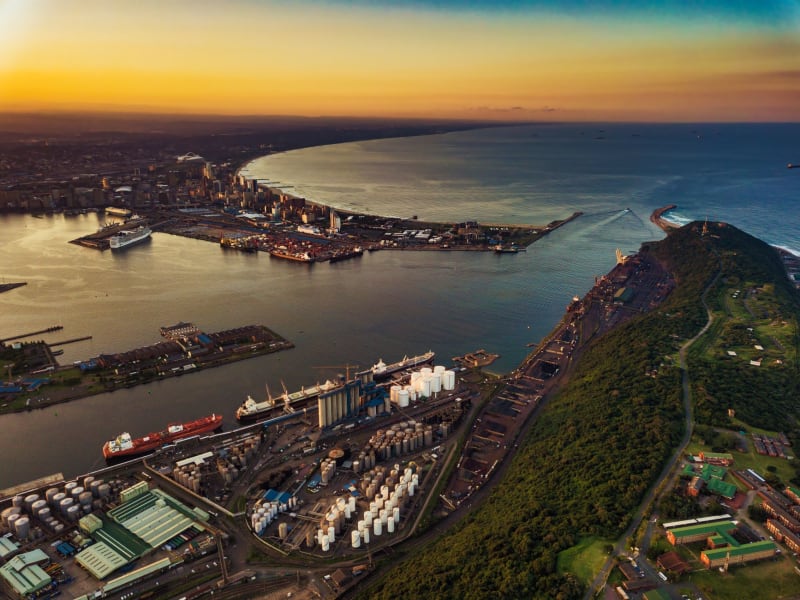
- The 46th Ordinary Summit of Heads of State and Government for the Southern African Development Community (SADC) is scheduled to take place on August 17, 2026, in Durban, South Africa, marking a significant event for regional policy direction.
- This annual gathering serves as the supreme policy-making institution of SADC, where critical decisions are made regarding political cooperation, economic integration, and socio-cultural development across the fifteen member states.
- Key agenda items are expected to include a comprehensive review of regional security situations, particularly focusing on ongoing conflicts and insurgencies in areas like northern Mozambique and eastern Democratic Republic of Congo, demanding unified SADC responses.
- Discussions will also center on accelerating regional economic integration initiatives, including the implementation of the SADC Industrialisation Strategy and Roadmap, aimed at fostering sustainable economic growth and job creation within the bloc.
- Climate change adaptation and mitigation strategies will feature prominently, as Southern Africa continues to grapple with extreme weather events, food insecurity, and water scarcity, necessitating robust regional cooperation frameworks.
- The Summit will also address progress on various SADC protocols and legal instruments, evaluating their effectiveness and identifying areas for enhanced implementation to strengthen the rule of law and good governance across the region.
The Policy History
The Southern African Development Coordination Conference (SADCC) was established in Lusaka, Zambia, on April 1, 1980, by nine Southern African States, primarily to reduce economic dependence on apartheid South Africa. Its transformation into the Southern African Development Community (SADC) in August 1992, with the signing of the SADC Treaty in Windhoek, Namibia, marked a pivotal shift towards deeper regional integration, peace, and security. This evolution reflected a broader ambition to foster sustainable and equitable economic growth, alleviate poverty, enhance living standards, and promote common political values and institutions across the region. The foundational principles of SADC emphasize self-reliance, collective action, and mutual benefit, guiding its extensive policy frameworks.
Over the decades, SADC has developed numerous protocols and strategies covering diverse sectors, from trade and finance to peace and security, infrastructure development, and social services. Significant milestones include the establishment of the SADC Free Trade Area (FTA) in 2008, aiming to eliminate tariffs on most goods traded between member states, and ongoing efforts towards a Customs Union. The organization has also played a crucial role in mediating conflicts, deploying regional forces, and promoting democratic governance through election observation missions. However, the implementation of these ambitious policies has often faced challenges, including varying levels of political will, capacity constraints, and the persistent issue of funding for regional projects, leading to mixed results in achieving its stated objectives.
The upcoming 46th Ordinary Summit in Durban continues this rich legacy, building upon decisions made at previous gatherings while addressing new and evolving regional challenges. Each summit serves as a critical juncture for leaders to reaffirm their commitment to the SADC agenda, review progress, and recalibrate strategies to ensure the community remains relevant and effective in a rapidly changing global landscape. The continuity of these high-level meetings underscores the enduring importance of regional cooperation in tackling shared problems, from economic disparities and climate change impacts to cross-border crime and public health crises. The outcomes of these summits often set the tone for regional development and stability for the ensuing year.
Who Is Affected
The decisions made at the SADC Summit directly impact over 350 million citizens residing across the fifteen member states. From the small-scale farmer in Malawi grappling with drought to the entrepreneur in South Africa seeking new markets, the policies on economic integration, agricultural development, and climate resilience have tangible effects on daily lives. Trade agreements can open up new opportunities for businesses, while coordinated responses to regional security threats can bring stability to communities plagued by conflict. The collective welfare of the region's population hinges on the efficacy and implementation of the resolutions adopted by their leaders at this crucial gathering, making it a matter of profound public interest.
Businesses operating within the SADC region are significantly affected by the outcomes of the summit, particularly regarding trade facilitation, industrialization policies, and infrastructure development. Decisions on harmonizing customs procedures, reducing non-tariff barriers, and investing in regional transport corridors can either boost or hinder cross-border commerce and investment. Furthermore, policies aimed at promoting local content and value addition through industrialization strategies directly influence manufacturing sectors and job creation. The private sector eagerly anticipates clear directives and commitments that will foster a more predictable and conducive business environment, enabling growth and enhancing regional competitiveness on the global stage.
Beyond citizens and businesses, the stability and progress of the SADC region have broader implications for international partners, including global investors, humanitarian organizations, and multilateral institutions. A stable, economically integrated Southern Africa presents attractive investment opportunities, while persistent instability or economic stagnation can deter foreign direct investment and necessitate increased humanitarian aid. The summit's resolutions on peace and security, good governance, and sustainable development are therefore closely watched by the international community, as they reflect the region's commitment to its own future and its role in global affairs. The ripple effects of SADC's decisions extend far beyond its geographical borders.
The Case For
Advocates for robust regional cooperation through SADC emphasize its indispensable role in fostering collective security and stability. In a region frequently challenged by insurgencies, political instability, and transnational crime, a coordinated approach is not merely beneficial but absolutely essential. The deployment of SADC Standby Force missions, such as those in Mozambique and the Democratic Republic of Congo, exemplifies the capacity for member states to pool resources and expertise to address shared security threats that no single nation could effectively tackle alone. This collective defense mechanism is vital for protecting national sovereignty, safeguarding civilian populations, and creating an environment conducive to economic development.
Economically, the argument for enhanced SADC integration is compelling. By reducing trade barriers, harmonizing regulatory frameworks, and investing in regional infrastructure, SADC can unlock significant economic potential. A larger, more integrated market attracts greater foreign direct investment, facilitates economies of scale for local industries, and promotes intra-regional trade, which is crucial for diversifying economies and reducing reliance on volatile global commodity markets. Furthermore, collaborative efforts in critical sectors like energy, water management, and transport infrastructure can lead to more efficient resource utilization and greater resilience against external shocks, ultimately driving sustainable growth and poverty reduction across the bloc.
Beyond security and economics, SADC provides a crucial platform for addressing transboundary challenges such as climate change, public health crises, and environmental degradation. Climate change, for instance, does not respect national borders, and its impacts, from droughts to floods, require a unified regional strategy for adaptation and mitigation. Similarly, coordinating responses to pandemics, sharing best practices in healthcare, and managing shared natural resources like river basins are areas where SADC's role is irreplaceable. The summit offers an unparalleled opportunity for leaders to forge common policies and commit to joint actions that enhance the overall resilience and well-being of the entire Southern African community.
The Case Against
Critics often point to the persistent implementation deficit within SADC as a major drawback, arguing that many ambitious protocols and decisions remain largely on paper. Despite numerous summits and declarations, the pace of economic integration, for example, has been slow, with non-tariff barriers, divergent national policies, and inadequate infrastructure continuing to impede the free movement of goods, services, and people. This gap between rhetoric and reality undermines the credibility of the organization and leads to frustration among businesses and citizens who expect tangible benefits from regional cooperation. The lack of effective enforcement mechanisms for agreed-upon policies further exacerbates this challenge.
Another significant concern revolves around the issue of national sovereignty versus regional integration. Some member states are hesitant to cede significant decision-making power to a regional body, fearing a loss of control over domestic policies and resources. This reluctance can manifest in protectionist measures, delays in ratifying regional agreements, or a lack of full commitment to collective security initiatives. The principle of consensus-based decision-making, while democratic, can also lead to paralysis or watered-down policies when national interests diverge significantly, preventing the swift and decisive action often required to address urgent regional problems effectively.
Furthermore, the financial sustainability of SADC and its programs is a recurring point of contention. The organization often relies heavily on member state contributions, which can be inconsistent, and external donor funding, which can introduce external influences on its agenda. This financial precariousness limits SADC's capacity to undertake large-scale regional projects, maintain its institutions, and implement its mandates effectively. The lack of a robust, self-sustaining funding model means that many critical initiatives, from infrastructure development to regional security operations, are perpetually under-resourced, thereby hindering the realization of SADC's full potential and its ability to deliver on its promises to the region.
Policy Questions Answered
Implementation Watch
Following the 46th SADC Summit, the critical phase of implementation begins, where the resolutions and directives adopted by the Heads of State and Government must translate into concrete actions on the ground. This process involves various SADC institutions, national governments, and regional stakeholders. Monitoring mechanisms will be crucial to track progress on key commitments, such as the deployment of security forces, the ratification of trade protocols, or the allocation of resources for climate resilience projects. The effectiveness of the summit's outcomes will largely depend on the political will and administrative capacity of individual member states to integrate regional policies into their national frameworks and budgets.
A key challenge in implementation watch is ensuring accountability and transparency. SADC has established reporting frameworks, but consistent and timely reporting from all member states remains an ongoing issue. Civil society organizations, regional media, and parliamentary bodies will play an important role in holding governments accountable for their commitments. Public access to information regarding the implementation status of SADC decisions can foster greater citizen engagement and pressure for compliance. Without robust oversight, there is a risk that well-intentioned declarations from the summit may not lead to the desired transformative impact for the region's population.
Looking ahead, the success of the Durban Summit will be measured not just by the agreements reached, but by the tangible improvements in the lives of Southern Africans. This requires a sustained, coordinated effort beyond the summit itself. Regular follow-up meetings at ministerial and technical levels will be essential to iron out implementation challenges and maintain momentum. The SADC Secretariat will be tasked with providing technical support and facilitating cross-border cooperation. Ultimately, the true legacy of the 46th Ordinary Summit will be determined by its ability to catalyze real progress in addressing the region's most pressing security, economic, and social development imperatives in the years to come.













Comments
No comments yet. Be the first to comment!