

What We Know
- Iran has officially accused the United States of actively escalating tensions across the Middle East, directly attributing the current instability to Washington's aggressive posture and planned military actions. This accusation comes amidst a backdrop of heightened rhetoric and military movements in the region.
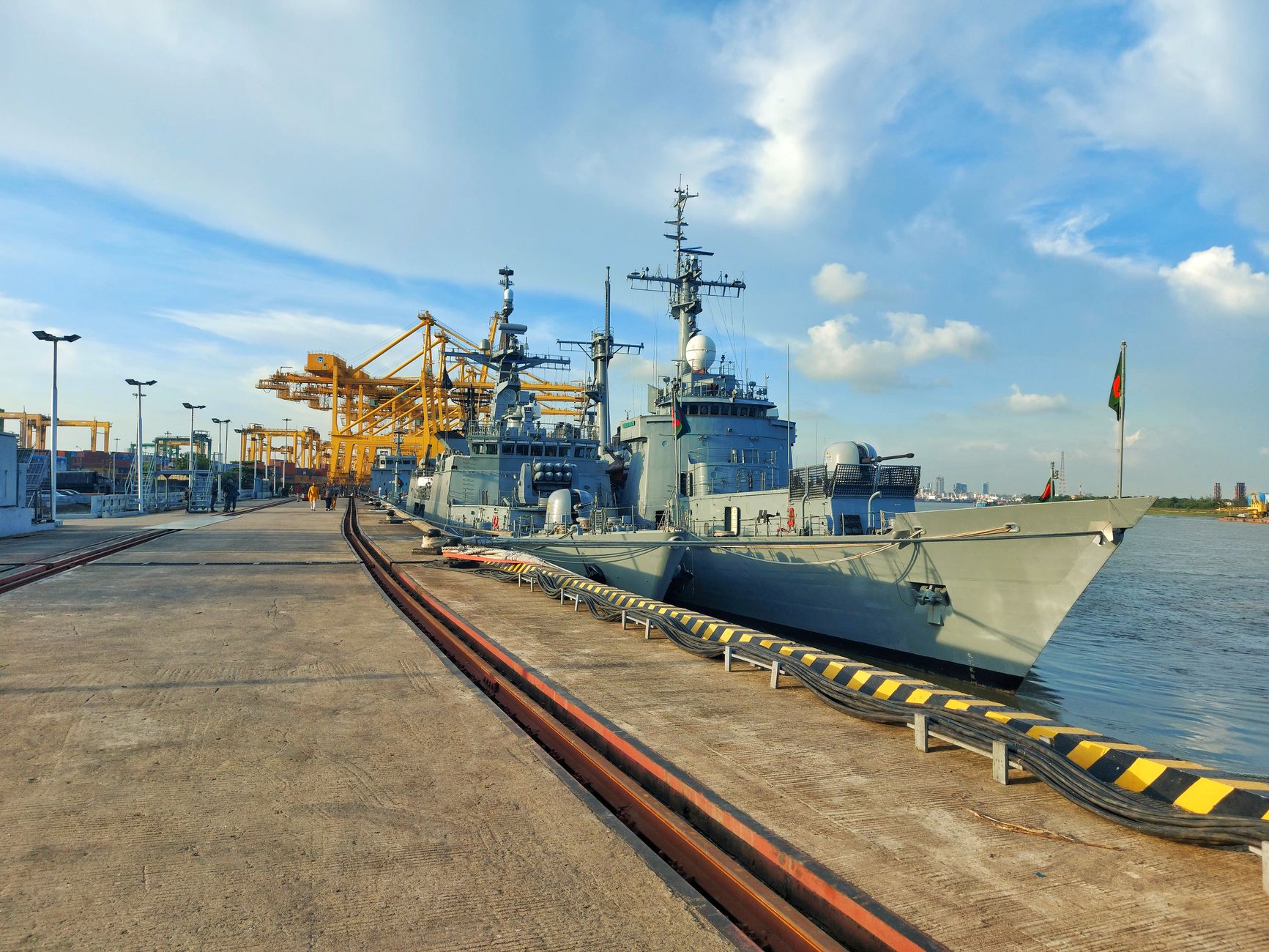
- The U.S. is reportedly preparing for a new series of retaliatory strikes against Iranian-backed groups in Iraq and Syria, a response to recent attacks on American forces. These impending strikes are a significant point of contention, fueling Iran's claims of U.S. provocation.
- Tehran has issued stern warnings that any further U.S. military action will be met with a decisive and proportional response, signaling a potential for direct confrontation. This warning underscores the precarious nature of the current geopolitical climate and the risk of miscalculation.
- Regional proxies supported by Iran have also voiced strong opposition to the anticipated U.S. strikes, vowing to continue their operations and defend their territories. This collective defiance further complicates de-escalation efforts and raises the stakes for all parties involved.
- International bodies and several allied nations have expressed deep concern over the escalating situation, urging both Washington and Tehran to exercise maximum restraint. The fear is that a misstep could trigger a broader, more devastating regional conflict with global implications.
- The current crisis is unfolding against a complex historical backdrop of strained U.S.-Iran relations, marked by decades of mistrust, sanctions, and proxy conflicts. Understanding this historical context is crucial for comprehending the depth of the current animosity and the challenges to peace.
What We Do Not Know Yet
- The precise timing and specific targets of the U.S. retaliatory strikes remain undisclosed, creating an atmosphere of uncertainty and anticipation. This lack of detailed information makes it difficult for regional actors to fully prepare or predict the immediate impact.
- The exact nature and scale of Iran's promised 'decisive response' to potential U.S. strikes are still unclear, leaving open questions about the potential for escalation. Will it involve direct military engagement, intensified proxy attacks, or other forms of retaliation?
- Whether any backchannel diplomatic efforts are underway to de-escalate the situation and prevent a full-blown military confrontation is unknown. Such efforts, if they exist, are likely being conducted with extreme secrecy given the sensitivity of the current climate.
- The extent to which regional allies of both the U.S. and Iran are prepared to commit resources or support in the event of a wider conflict remains ambiguous. Their roles could significantly influence the trajectory and intensity of any future engagements.
- The long-term strategic objectives of both the U.S. and Iran in the region, beyond immediate retaliation, are not fully transparent. Understanding these deeper goals would provide crucial insight into potential pathways for resolution or further conflict.
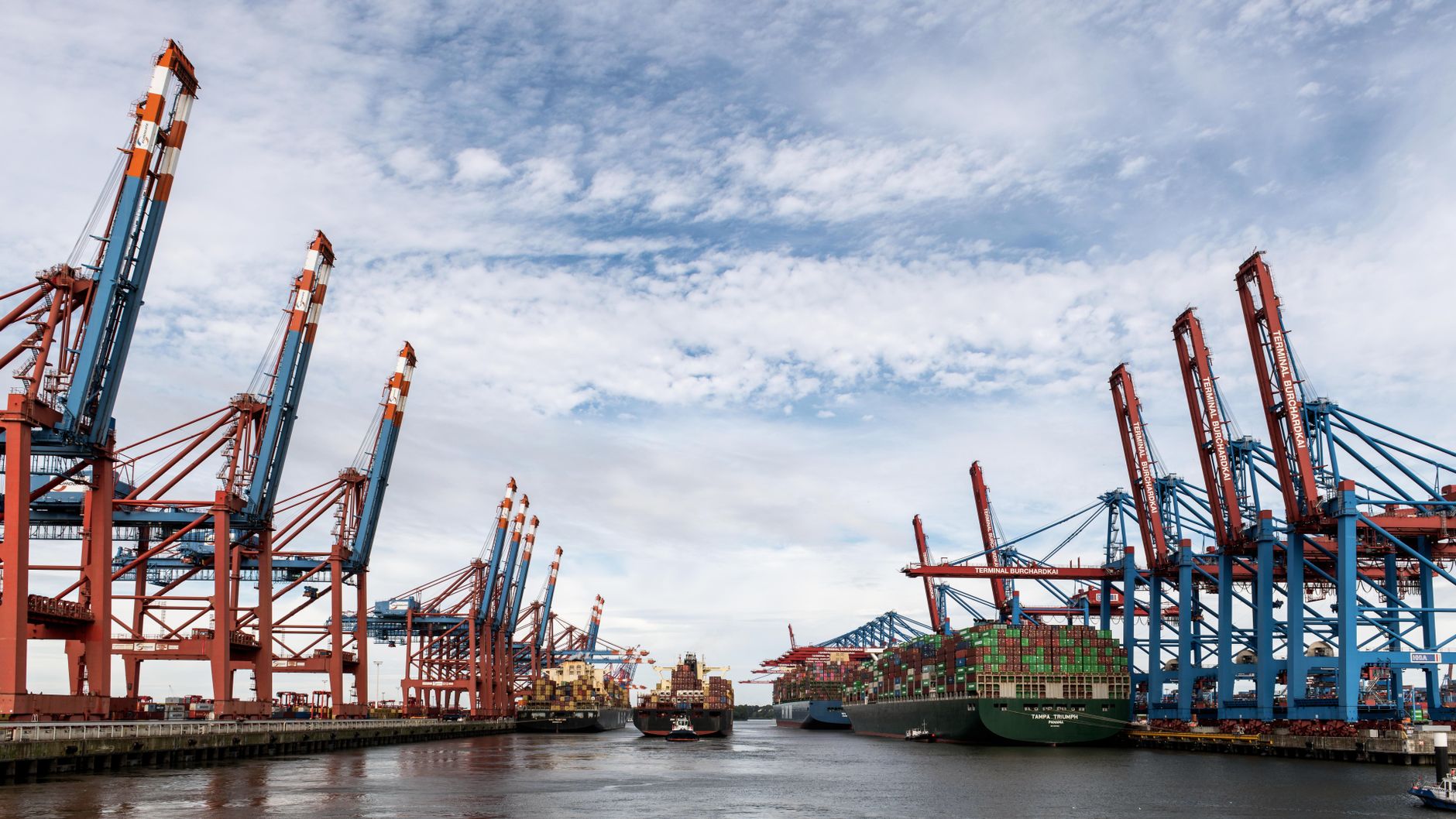
- The potential impact of these escalating tensions on global oil markets and international shipping routes in the Persian Gulf is a significant concern that has yet to be fully quantified. Any disruption could have far-reaching economic consequences.
Background
The relationship between the United States and Iran has been fraught with tension for decades, rooted in historical grievances, ideological differences, and competing geopolitical interests in the Middle East. This deep-seated animosity has manifested through various forms, including economic sanctions, proxy conflicts, and occasional direct military confrontations. The current surge in hostilities is not an isolated incident but rather a continuation of a long-standing pattern of distrust and strategic maneuvering, exacerbated by recent events that have pushed both nations closer to the brink of open conflict. Understanding this complex history is essential to grasping the gravity of the present situation.
Recent months have seen a dangerous uptick in attacks on U.S. personnel and interests in Iraq and Syria, largely attributed to Iranian-backed militia groups. These attacks, often involving drones and rockets, have resulted in casualties and significant damage, prompting strong condemnation from Washington. The U.S. views these actions as direct threats to its forces and regional stability, necessitating a robust response. This cycle of provocation and retaliation has created a highly volatile environment, where each incident risks triggering a disproportionate reaction and further destabilizing an already fragile region. The frequency and sophistication of these attacks signal a calculated escalation by proxy forces.
In response to these persistent attacks, the U.S. has signaled its intent to conduct a new wave of retaliatory strikes. While the specifics remain under wraps, the message from Washington is clear: attacks on American forces will not go unanswered. This posture is intended to deter future aggression and reassert U.S. dominance in the region. However, Iran perceives these impending strikes as blatant acts of aggression and a deliberate escalation of tensions, rather than legitimate self-defense. Tehran views any U.S. military action on its doorstep or against its allies as a direct challenge to its sovereignty and regional influence, promising a firm response that could further entrench the cycle of violence. This divergent interpretation of events underscores the profound chasm in understanding and intent between the two powers.
Why It Matters
The escalating tensions between the U.S. and Iran carry profound implications for global stability, extending far beyond the immediate geographical confines of the Middle East. A direct military confrontation between these two powerful actors would undoubtedly send shockwaves across international markets, particularly impacting global oil prices and supply chains. The Strait of Hormuz, a critical chokepoint for a significant portion of the world's oil shipments, could become a flashpoint, leading to severe disruptions that would affect economies worldwide. Such an event would not only cripple economic stability but also create immense pressure on international alliances and diplomatic efforts to contain the crisis, potentially drawing in other global powers.
Furthermore, a wider conflict in the Middle East would inevitably exacerbate existing humanitarian crises and trigger new waves of displacement. The region is already grappling with the aftermath of prolonged conflicts, and any new large-scale military engagement would compound the suffering of civilian populations, leading to increased casualties, mass migrations, and further destabilization of already fragile states. The humanitarian cost would be immense, placing an unbearable strain on international aid organizations and resources. This potential for widespread human suffering demands immediate and concerted efforts to de-escalate the situation and find peaceful resolutions.
The current trajectory of U.S.-Iran relations also poses a significant challenge to the international non-proliferation regime. Should tensions escalate further, there is a legitimate concern that Iran might accelerate its nuclear program, perceiving it as a necessary deterrent against external aggression. This development would not only complicate future diplomatic efforts but also potentially spark a regional arms race, as other nations might feel compelled to develop their own nuclear capabilities for self-preservation. Such a scenario would severely undermine global security and make the world a far more dangerous place, highlighting the critical importance of preventing a full-scale conflict now.
Timeline of Events
- Early 2024: A series of increasingly sophisticated drone and rocket attacks target U.S. military bases and personnel in Iraq and Syria, attributed to Iranian-backed militia groups, marking a significant escalation in regional hostilities.
- Mid-January 2024: U.S. officials publicly condemn the attacks, vowing a 'decisive response' and holding Iran directly responsible for the actions of its proxies, signaling a shift towards a more aggressive posture.
- Late January 2024: Reports emerge from intelligence sources and media outlets indicating that the U.S. is actively planning and preparing for a new wave of retaliatory strikes against specific targets associated with Iranian-backed groups.
- Early February 2024: Iran's Foreign Ministry issues a formal statement accusing the U.S. of escalating tensions and destabilizing the region, warning of severe consequences for any further military aggression against its interests or allies.
- February 5, 2024: A senior Iranian Revolutionary Guard Corps (IRGC) commander reiterates Tehran's resolve, stating that any U.S. strike will be met with an immediate and firm response, emphasizing the readiness of Iranian forces.
- February 7, 2024: International bodies, including the UN, and several European nations issue urgent calls for de-escalation, urging both the U.S. and Iran to engage in diplomatic dialogue to prevent a broader regional conflict.

Rapid-Fire Q&A
What Is Coming
- The immediate future likely holds a period of heightened military readiness and anticipation as both the U.S. and Iran, along with their respective allies, brace for potential further actions. This will involve increased intelligence gathering and defensive postures across the region, creating a tense standoff.
- Expect a series of U.S. retaliatory strikes against Iranian-backed targets in Iraq and Syria in the coming days or weeks, as Washington seeks to reassert its deterrence and respond to recent attacks on its forces. These strikes are almost certainly imminent.
- Following any U.S. military action, Iran is expected to execute its promised 'decisive response,' which could range from intensified proxy attacks to more direct forms of retaliation, further escalating the cycle of violence and counter-violence.
- International diplomatic efforts will intensify, with various nations and organizations likely calling for urgent de-escalation talks and mediation to prevent a full-blown regional conflict. However, the effectiveness of these efforts remains uncertain given the entrenched positions.
- The global energy markets are likely to react sharply to any significant military escalation, with potential spikes in oil prices and increased volatility, impacting economies worldwide. Traders and analysts will be closely monitoring developments.
- The rhetoric from both Washington and Tehran will likely remain confrontational, as each side seeks to project strength and justify its actions to domestic and international audiences. This war of words will further complicate any attempts at peaceful resolution.









Comments
No comments yet. Be the first to comment!