

The Story in Brief
- Recent drone attacks on US bases in Iraq and Syria, attributed to Iran-backed militias, have significantly escalated regional tensions, pushing the long-standing rivalry to a perilous new level.
- The United States has retaliated with precision airstrikes against facilities used by these groups, asserting its commitment to protecting its personnel and deterring further aggression in the volatile region.
- Iran vehemently denies direct involvement in the attacks, claiming these actions are independent responses by local resistance groups to US military presence, further complicating the attribution and de-escalation efforts.
- Experts warn that the current tit-for-tat exchanges risk spiraling into a wider, direct confrontation between the US and Iran, potentially destabilizing the entire Middle East and drawing in other regional actors.
- The underlying causes of this heightened tension include the ongoing Israeli-Hamas conflict, which has galvanized anti-US sentiment, and Iran's nuclear program, a persistent point of contention.
- International diplomatic efforts are urgently needed to de-escalate the situation, establish clear communication channels, and prevent miscalculations that could trigger an irreversible and devastating regional conflict.
The Human Face
Beyond the geopolitical chess moves and military maneuvers, the escalating tensions between the US and Iran cast a long, ominous shadow over the lives of millions of ordinary people across the Middle East. For families in Iraq, Syria, and Lebanon, the constant threat of airstrikes, drone attacks, and proxy conflicts has become an agonizing part of daily existence. Children grow up amidst the rubble of conflict, their education disrupted, their futures uncertain, as the specter of war looms large over their communities. The psychological toll of living in such perpetual instability is immense, fostering deep-seated trauma and a pervasive sense of insecurity that impacts every aspect of life.
Healthcare systems, already fragile from years of conflict and underinvestment, face catastrophic collapse under the strain of renewed hostilities. Hospitals are overwhelmed, medical supplies scarce, and access to essential services becomes a dangerous gamble for those caught in the crossfire. The economic repercussions are equally devastating, as trade routes are disrupted, infrastructure is destroyed, and foreign investment flees, leaving countless individuals jobless and struggling to meet basic needs. This cycle of violence perpetuates poverty and despair, creating fertile ground for further radicalization and instability, making any hope for long-term recovery increasingly distant.
Furthermore, the humanitarian crisis deepens with every escalation. Displaced populations, already numbering in the millions, face new waves of displacement, seeking refuge in overcrowded camps or embarking on perilous journeys across borders. These individuals, stripped of their homes and livelihoods, become pawns in a larger geopolitical game, their suffering often overlooked in the high-stakes power struggles. The human cost of this protracted rivalry is immeasurable, manifesting in shattered lives, broken communities, and a profound sense of injustice that resonates deeply within the affected populations, demanding urgent attention and a genuine commitment to peace.
How We Got Here
The current volatile situation is the culmination of decades of mistrust, strategic rivalry, and a complex web of proxy conflicts between the United States and Iran. The roots of this animosity stretch back to the 1979 Iranian Revolution, which fundamentally altered the geopolitical landscape of the Middle East and established Iran as a revolutionary Islamic republic openly hostile to US influence. Subsequent events, including the Iran-Iraq War, US sanctions, and Iran's pursuit of a nuclear program, have consistently fueled a confrontational dynamic, with both nations viewing each other as significant threats to their regional interests and security. This historical backdrop is crucial for understanding the deep-seated nature of the current tensions.
A pivotal moment in recent history was the US withdrawal from the Joint Comprehensive Plan of Action (JCPOA) in 2018, commonly known as the Iran nuclear deal. This decision, coupled with the re-imposition of crippling sanctions, was perceived by Tehran as a profound act of betrayal and economic warfare, leading Iran to gradually roll back its commitments under the agreement. The assassination of Iranian Quds Force commander Qassem Soleimani in early 2020 by a US drone strike further intensified the cycle of retaliation and counter-retaliation, bringing both nations to the brink of direct military conflict and embedding a sense of unresolved grievance.
The ongoing Israeli-Hamas conflict in Gaza has acted as a powerful accelerant, igniting dormant grievances and galvanizing Iran-backed groups across the region. These militias, operating in Iraq, Syria, Lebanon, and Yemen, have increasingly targeted US interests and personnel, framing their actions as solidarity with Palestinians and resistance against perceived US-Israeli aggression. This interconnectedness means that a conflict in one part of the Middle East inevitably reverberates across the entire region, making de-escalation incredibly challenging as multiple actors with divergent agendas are now deeply entangled in the escalating hostilities.
Why This Cannot Be Ignored
The escalating US-Iran confrontation transcends a mere bilateral dispute; it represents a critical flashpoint with the potential to ignite a devastating regional war that would have catastrophic global implications. The Middle East is a geopolitical tinderbox, and a direct conflict between these two powers would inevitably draw in other regional actors, including Israel, Saudi Arabia, and various non-state militias, creating an unpredictable and uncontrollable cascade of violence. The sheer scale of such a conflict, involving advanced weaponry and deeply entrenched ideological divides, would dwarf previous regional wars, leading to unimaginable human suffering and widespread destruction.
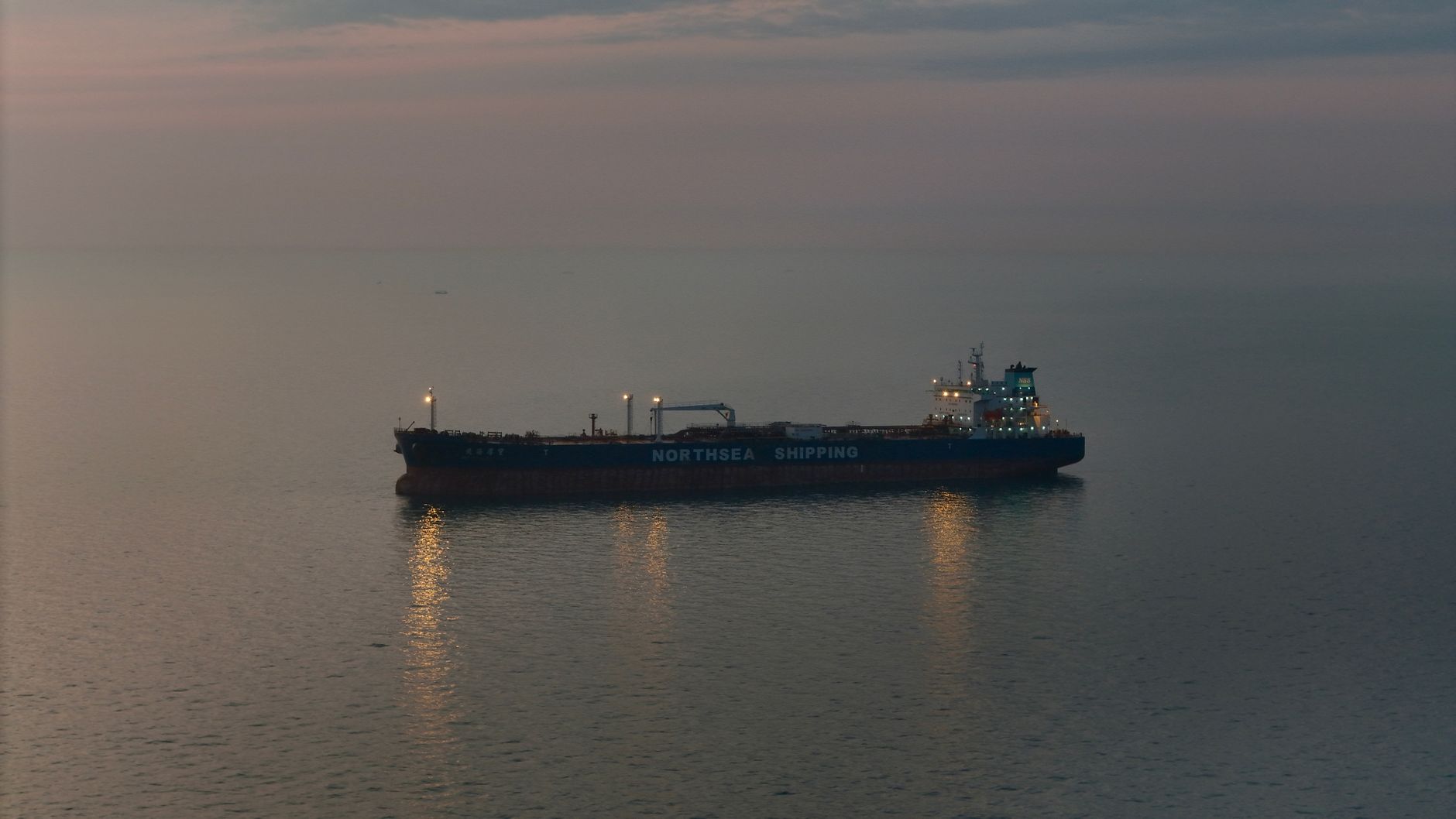
Economically, the repercussions would be immediate and severe. The Strait of Hormuz, a vital chokepoint for global oil shipments, could be disrupted, leading to a dramatic surge in oil prices and plunging the global economy into a recession. Supply chains, already fragile from recent global events, would face unprecedented strain, impacting industries worldwide. Furthermore, the massive displacement of populations and the destruction of infrastructure would necessitate colossal international humanitarian and reconstruction efforts, placing immense burdens on global resources and diverting attention from other pressing global challenges.
Beyond the immediate humanitarian and economic fallout, a full-scale US-Iran war would profoundly destabilize international relations and security frameworks. It would empower extremist groups, create new breeding grounds for terrorism, and undermine any prospects for regional stability for decades to come. The credibility of international institutions and diplomatic efforts would be severely tested, potentially leading to a more fragmented and dangerous world order. Ignoring these escalating tensions is not an option; the world must recognize the profound and far-reaching consequences of allowing this dangerous rivalry to spiral out of control.
Possible Paths Forward
Navigating the treacherous landscape of US-Iran relations requires a multifaceted approach that prioritizes de-escalation, diplomacy, and strategic patience. One critical path involves re-establishing direct, high-level communication channels between Washington and Tehran. While challenging given the deep mistrust, secret or third-party mediated dialogues could explore mutual interests in regional stability and identify off-ramps from the current cycle of retaliation. This would involve clearly articulating red lines and intentions to prevent miscalculation, which is often the precursor to unintended escalation in highly charged environments.
Another viable strategy involves leveraging international actors to mediate and facilitate de-escalation. European powers, along with countries like Oman or Qatar, have historically played crucial roles as intermediaries. They could propose confidence-building measures, such as temporary ceasefires in proxy conflicts or humanitarian corridors, to create space for more substantive negotiations. A renewed focus on a broader regional security dialogue, involving all key stakeholders, could also help address the underlying grievances and security concerns that fuel the current tensions, moving beyond a purely bilateral framework.
Finally, a recalibration of sanctions policy could offer a pathway for diplomatic engagement. While sanctions are intended to exert pressure, an overly rigid approach can eliminate incentives for cooperation. A phased approach, where certain sanctions relief is offered in exchange for verifiable de-escalatory steps from Iran, could create a tangible pathway for both sides to demonstrate good faith. Simultaneously, the international community must maintain a unified front in condemning destabilizing actions while actively promoting a diplomatic resolution, ensuring that military options remain a last resort and that the focus remains firmly on preventing a catastrophic regional war.
Questions People Are Actually Asking
What to Watch
- The frequency and intensity of attacks on US forces in Iraq and Syria: A sustained increase in these attacks would signal a dangerous escalation and could provoke more forceful US responses, pushing the region closer to direct conflict.
- Iran's rhetoric and actions regarding its nuclear program: Any moves by Iran to significantly accelerate uranium enrichment or restrict international inspections could trigger a severe international crisis and potentially a pre-emptive strike.
- The involvement of regional proxies beyond Iraq and Syria: Watch for increased activity from groups like Hezbollah in Lebanon or Houthi rebels in Yemen, as this would indicate a widening of the conflict's geographical scope and a more unified 'Axis of Resistance.'
- Statements and diplomatic efforts from European powers and other international mediators: These actors are crucial in opening communication channels and proposing de-escalation pathways; their absence or failure would be a concerning sign.
- Changes in US military posture and deployments in the region: Any significant increase in US forces or a shift in operational readiness could signal an anticipation of further escalation or a preparation for more robust retaliatory actions.
- The political stability within Iraq and other host nations: Internal political dynamics and the ability of local governments to control or influence Iran-backed militias will be critical in preventing their territories from becoming primary battlegrounds.










Comments
No comments yet. Be the first to comment!