
Key Takeaways
- The escalating conflict with Iran has triggered a sharp increase in global oil prices, directly impacting consumer costs and business operations worldwide, threatening economic stability.
- Former President Trump's conspicuous silence on the Iran situation marks a significant departure from his previous vocal stance on foreign policy, raising questions about future U.S. engagement.
- Geopolitical tensions in the Middle East are creating substantial market volatility, leading to investor uncertainty and a potential flight to safe-haven assets, which could depress equity markets.
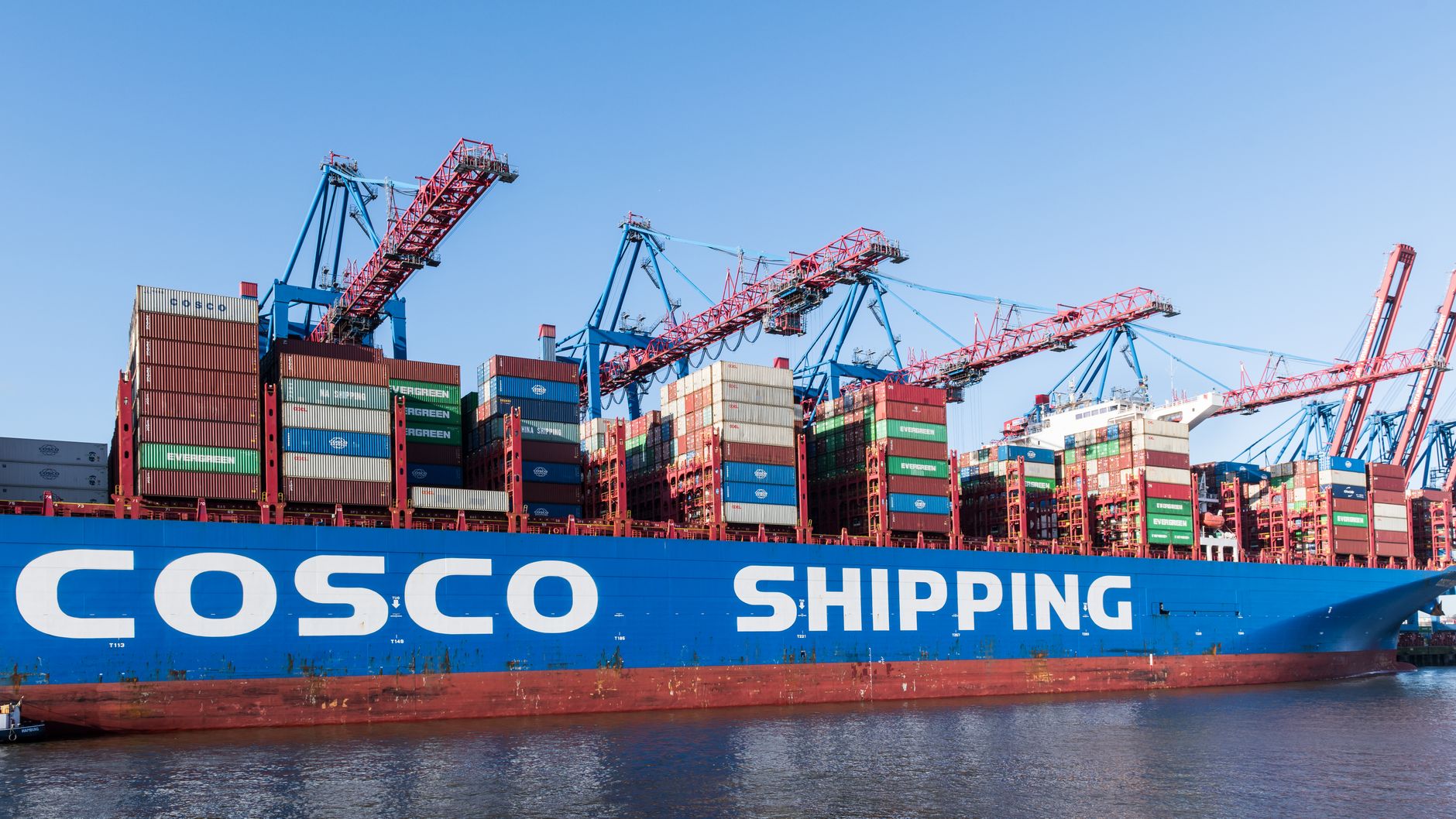
- The conflict's economic fallout extends beyond oil, threatening supply chains, increasing shipping costs, and potentially exacerbating inflationary pressures across various sectors globally.
- Analysts are warning of a potential global recession if the conflict intensifies, with energy shortages and trade disruptions posing significant risks to economic growth projections.
- The lack of clear leadership or a coherent international strategy to de-escalate the conflict is contributing to a pervasive sense of global unease and unpredictability in financial markets.
Background
The Middle East has long been a crucible of geopolitical tension, with the current escalation involving Iran marking a critical juncture. Decades of complex relationships, regional rivalries, and international interventions have created a volatile environment. Iran's nuclear program, its support for various proxy groups across the region, and its strategic location controlling vital shipping lanes have consistently placed it at the center of global concerns. The recent flare-up follows a period of heightened rhetoric and sporadic military actions, pushing the region closer to a broader conflict that could have catastrophic implications far beyond its borders.
The United States, under various administrations, has maintained a complicated stance towards Iran, oscillating between diplomatic engagement and stringent sanctions. The withdrawal from the Joint Comprehensive Plan of Action (JCPOA) by the Trump administration in 2018, followed by the re-imposition of crippling sanctions, significantly ratcheted up pressure on Tehran. This 'maximum pressure' campaign aimed to curb Iran's nuclear ambitions and destabilizing regional activities, but it also fueled resentment and further isolated the regime, arguably contributing to the current heightened state of tension. The subsequent retaliatory actions and counter-actions have created a dangerous cycle.
The current crisis is not an isolated event but rather the culmination of years of unresolved issues and escalating rhetoric. Regional powers, including Saudi Arabia and Israel, view Iran's growing influence with deep suspicion, leading to proxy conflicts that further destabilize the area. International efforts to de-escalate have often been met with limited success, hampered by deep-seated mistrust and conflicting national interests. The world watches with bated breath as the situation teeters on the brink, with the potential for miscalculation or unintended escalation posing a grave threat to global peace and economic stability.
Why It Matters
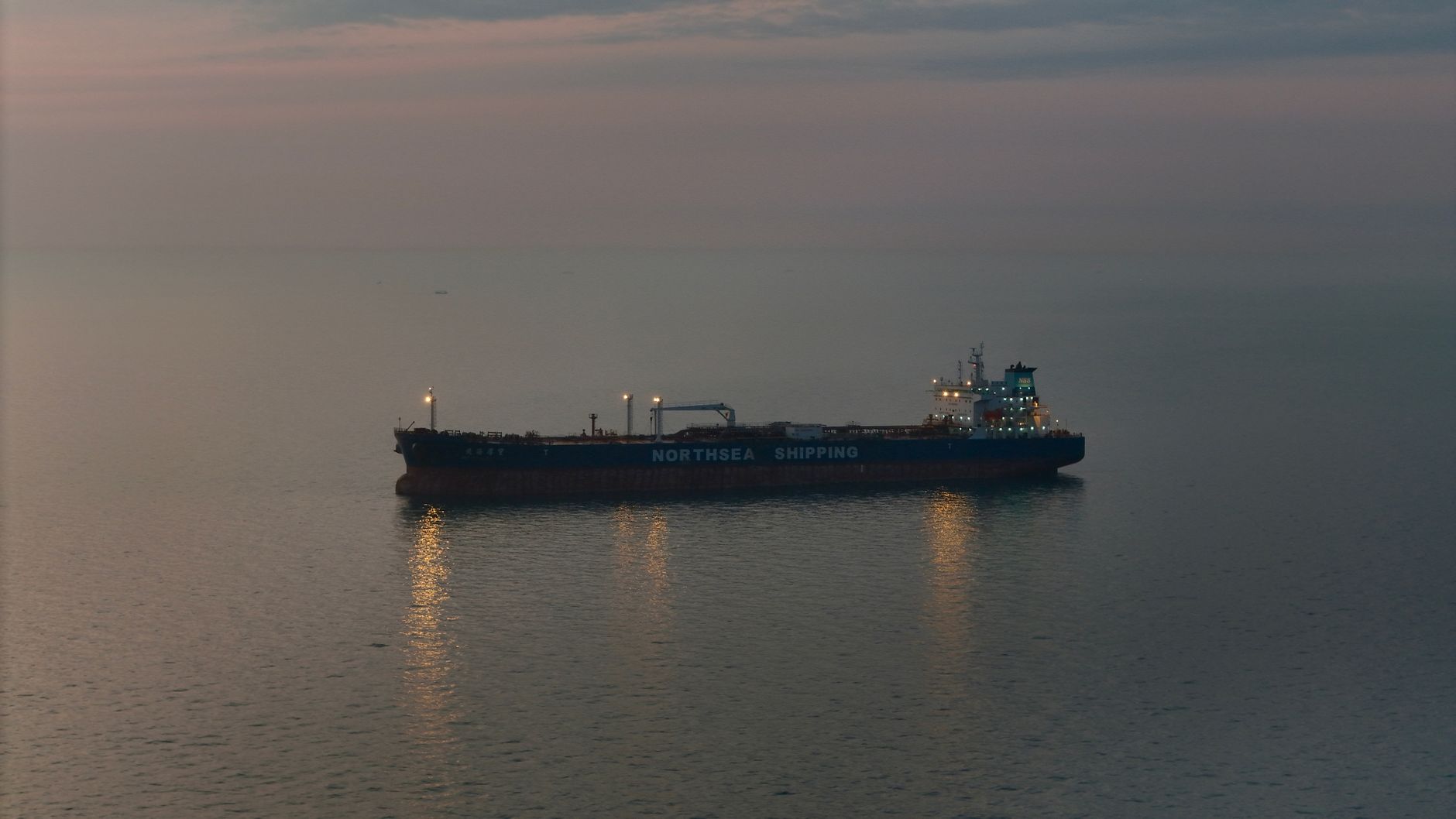
The escalating conflict with Iran is far more than a regional skirmish; it represents a profound threat to global economic stability and energy security. The Strait of Hormuz, a narrow waterway through which approximately one-fifth of the world's oil supply passes daily, is directly adjacent to Iran. Any significant disruption in this critical chokepoint, whether through direct military action or increased maritime insecurity, would immediately send crude oil prices skyrocketing. This surge would translate directly into higher gasoline prices for consumers, increased transportation costs for businesses, and inflationary pressures across virtually every sector of the global economy, potentially triggering a worldwide recession.
Beyond the immediate impact on oil markets, the geopolitical instability generated by this conflict creates a chilling effect on international investment and trade. Businesses thrive on predictability, and the specter of a wider war in the Middle East introduces an intolerable level of uncertainty. Investors may pull back from emerging markets, supply chains could face severe disruptions, and insurance premiums for shipping and trade routes could surge, making international commerce more expensive and less reliable. This ripple effect could undermine economic growth in countries far removed from the conflict zone, impacting livelihoods and national economies globally.
Furthermore, the silence from key international figures, particularly former President Trump, adds another layer of complexity and concern. In previous crises, the U.S. has often played a pivotal role in de-escalation and diplomatic efforts. A lack of clear, consistent messaging or a perceived absence of strong international leadership can embolden aggressive actors and leave a vacuum that further destabilizes the situation. This uncertainty about future policy and engagement makes it incredibly difficult for international bodies and other nations to formulate effective responses, amplifying the risk of miscalculation and uncontrolled escalation in an already volatile region.
Ground Reality
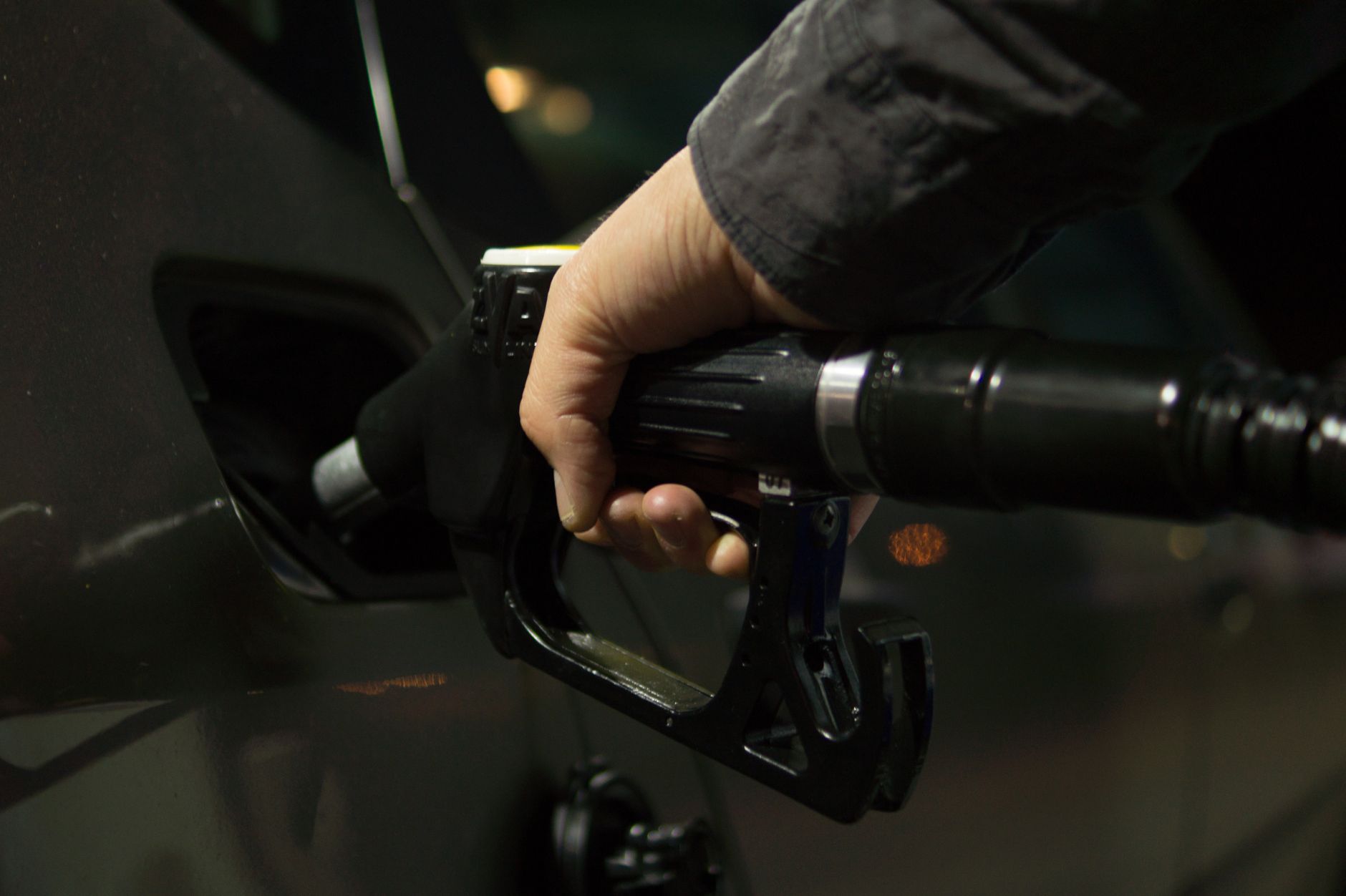
The immediate economic repercussions of the escalating tensions with Iran are already palpable. Global oil benchmarks, such as Brent crude and WTI, have seen significant price hikes, reflecting market fears of supply disruptions. This isn't merely speculative; the threat of attacks on oil tankers or infrastructure in the Persian Gulf is very real, and any actual incident could trigger an even more dramatic spike. Consumers are already feeling the pinch at the gas pump, and businesses reliant on transportation and energy inputs are bracing for increased operational costs, which will inevitably be passed on to consumers, fueling inflation.
Beyond the energy sector, the broader financial markets are exhibiting classic signs of stress. Stock markets globally are experiencing heightened volatility, with investors seeking refuge in traditional safe-haven assets like gold and government bonds. This flight to safety indicates a deep-seated apprehension about the future economic outlook. Companies with significant exposure to international trade or operations in politically sensitive regions are particularly vulnerable, facing potential disruptions to their supply chains, increased security costs, and a general downturn in consumer confidence that could dampen demand for goods and services.
The silence from former President Trump, a figure known for his outspoken commentary on international affairs, is particularly striking and adds to the prevailing uncertainty. His previous administration's 'maximum pressure' campaign against Iran was a defining feature of its foreign policy. His current reticence leaves a void in the public discourse, leading to speculation about his future intentions and the potential direction of U.S. policy should he return to office. This lack of a clear stance from a prominent political figure only exacerbates the sense of unpredictability, making it harder for businesses, governments, and international organizations to plan for potential contingencies and mitigate risks effectively.
What Experts Are Saying
Leading economists and geopolitical strategists are voicing grave concerns about the trajectory of the Iran conflict and its potential to derail the global economy. Dr. Eleanor Vance, a senior fellow at the Council on Foreign Relations, recently stated, "The current situation in the Persian Gulf is a powder keg. Even a minor incident could spiral out of control, leading to an oil shock that would reverberate through every major economy. We are looking at a scenario where inflation could surge, growth could stall, and a global recession becomes a very real possibility if de-escalation efforts fail." Her analysis underscores the fragility of the current economic climate.
Energy market analysts are particularly alarmed. Mr. David Chen, head of global energy research at Zenith Capital, highlighted, "The market is already pricing in a significant risk premium for crude oil. If the Strait of Hormuz faces any sustained disruption, we could see oil prices breach unprecedented levels, making the 1970s oil crisis look modest by comparison. This isn't just about gasoline; it's about the cost of manufacturing, transportation, and ultimately, every single good and service that relies on energy." His remarks emphasize the systemic nature of the energy threat.
Political scientists are also dissecting the implications of former President Trump's unusual silence. Professor Anya Sharma from Georgetown University observed, "Trump's lack of public commentary on this critical international crisis is highly uncharacteristic. It could be a strategic move to avoid entanglement, or it could signal a deliberate distancing from current administration policy. Regardless, his silence creates a significant vacuum in the American foreign policy debate, leaving allies and adversaries alike guessing about potential future U.S. responses and further contributing to global instability." This analytical perspective points to the broader political ramifications.
Frequently Asked Questions
What Happens Next
The immediate future of the Iran conflict hinges on a delicate balance of military posturing and diplomatic maneuvering. Any further escalation, whether intentional or accidental, could rapidly broaden the conflict's scope, drawing in more regional and international actors. The global community will be watching closely for any signs of direct military engagement, which would almost certainly trigger an even more severe economic shock. Conversely, sustained diplomatic efforts, potentially involving third-party mediators, could offer a pathway to de-escalation, though the deep-seated mistrust between the parties makes a swift resolution challenging.
Economically, markets will remain highly sensitive to developments in the Middle East. Oil prices will likely continue their volatile dance, reacting sharply to every headline and rumor. Businesses and consumers should prepare for sustained inflationary pressures and potential supply chain disruptions. Central banks worldwide will face immense pressure to manage these economic headwinds, potentially having to choose between combating inflation with interest rate hikes that could stifle growth, or allowing inflation to run hotter. The specter of a global recession will loom large until a clear path to stability emerges.
Politically, the silence from key figures like former President Trump will continue to fuel speculation and uncertainty, especially as the U.S. presidential election cycle progresses. His future stance on Iran, if he were to run and win, could drastically alter the geopolitical landscape. Meanwhile, the current administration will be under intense scrutiny to articulate a clear strategy for managing the crisis, balancing deterrence with diplomacy. The coming weeks will be crucial in determining whether the world can navigate this perilous period without succumbing to a wider conflict and its devastating economic fallout.










Comments
No comments yet. Be the first to comment!