
The Story in Brief
- The Trump administration has initiated a significant trade policy shift, imposing new tariffs on a wide array of goods originating from dozens of countries, citing grave concerns over forced labor practices.
- This aggressive move is framed as a direct response to human rights abuses within global supply chains, aiming to pressure nations into adopting more ethical labor standards and practices.
- The tariffs are expected to significantly disrupt established international trade flows, forcing multinational corporations to re-evaluate and potentially reconfigure their sourcing and manufacturing strategies.
- Affected nations are now contemplating various responses, ranging from diplomatic protests and negotiations to the potential implementation of retaliatory tariffs, which could escalate into broader trade conflicts.
- Experts are closely monitoring the economic fallout, predicting potential increases in consumer prices for imported goods and a complex restructuring of global supply chains as companies seek compliant alternatives.
- This policy represents a continuation of the Trump administration's 'America First' trade agenda, leveraging economic leverage to address non-economic issues like human rights and fair labor practices on a global scale.
The Human Face
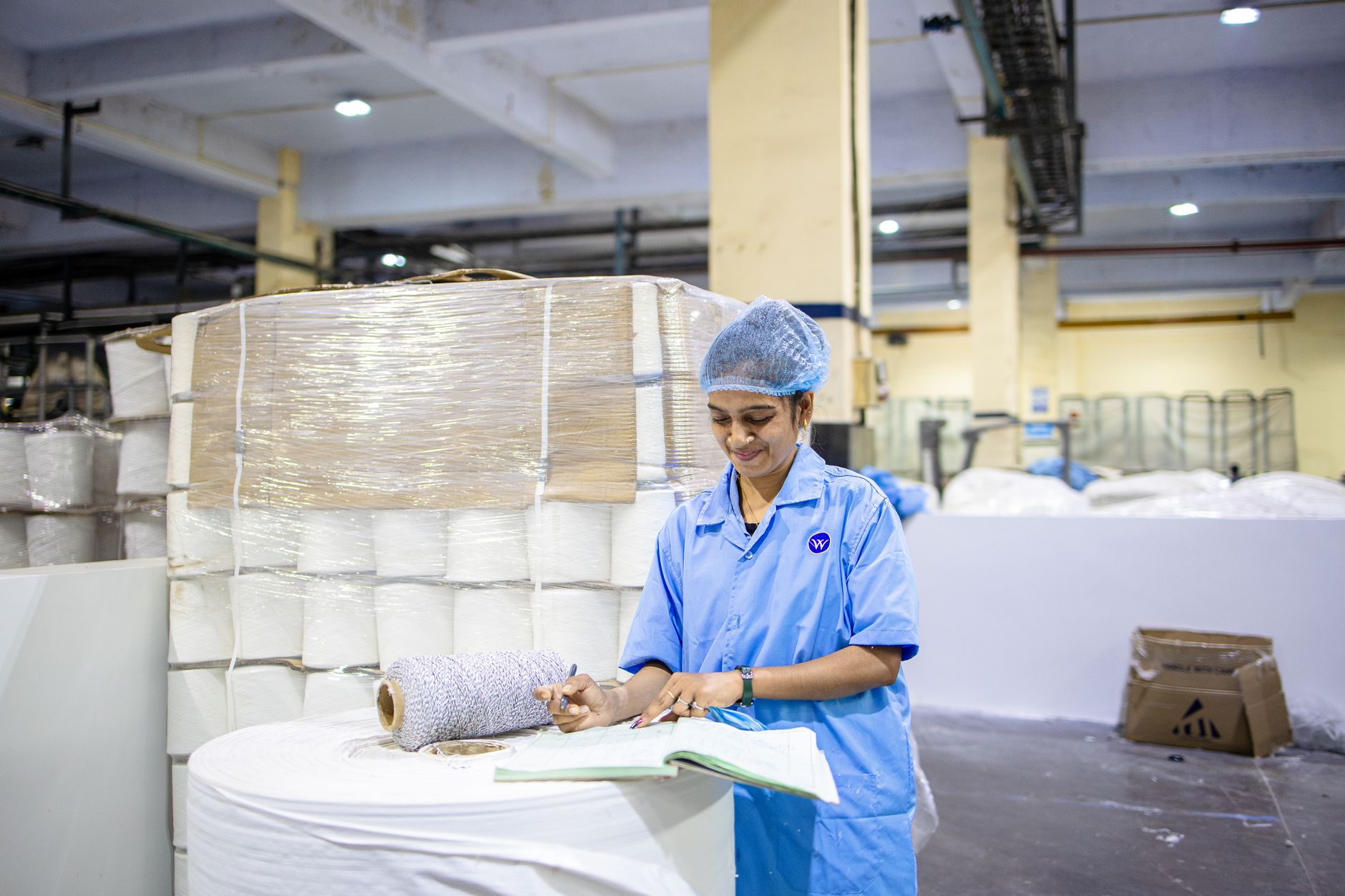
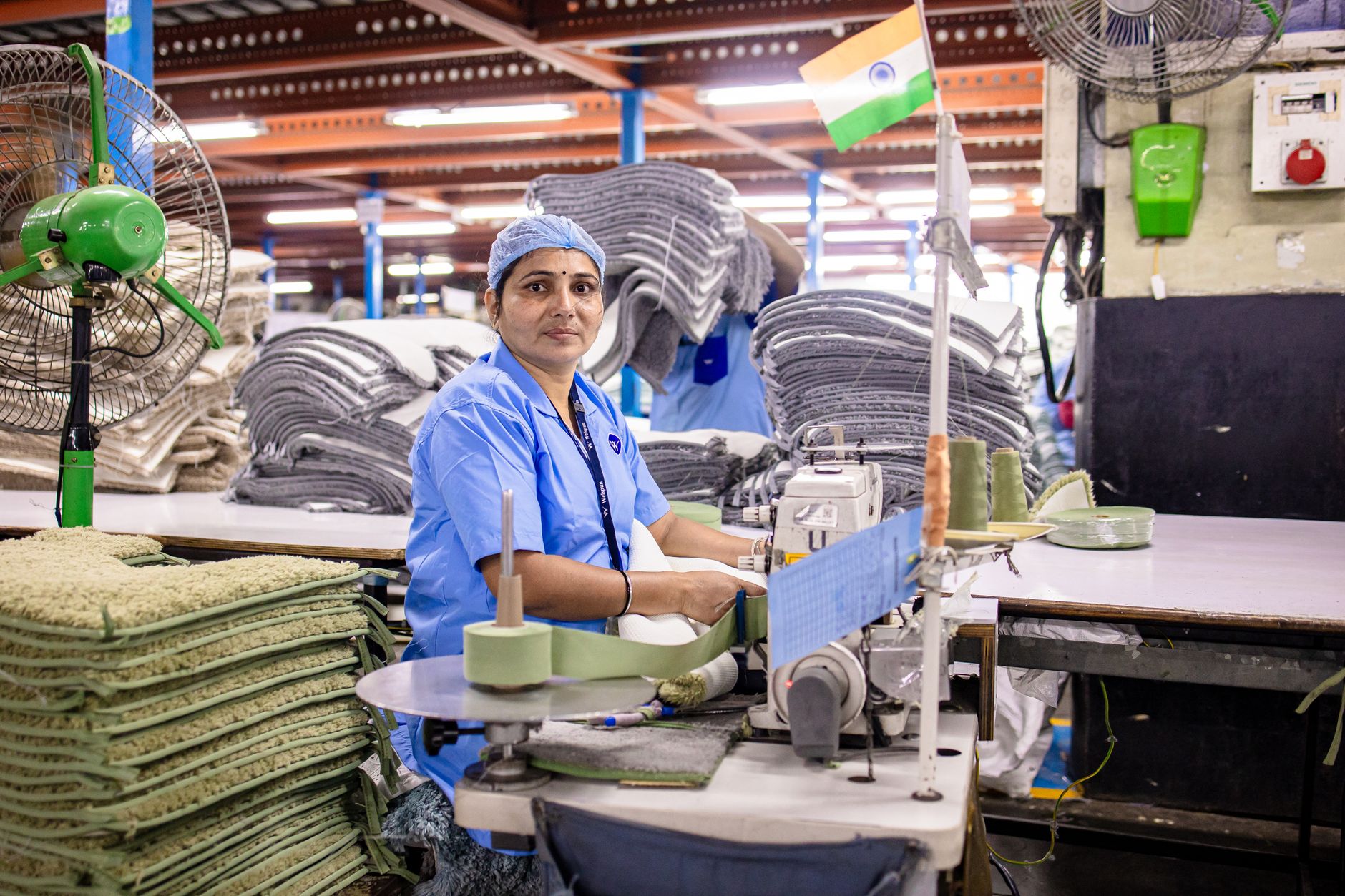
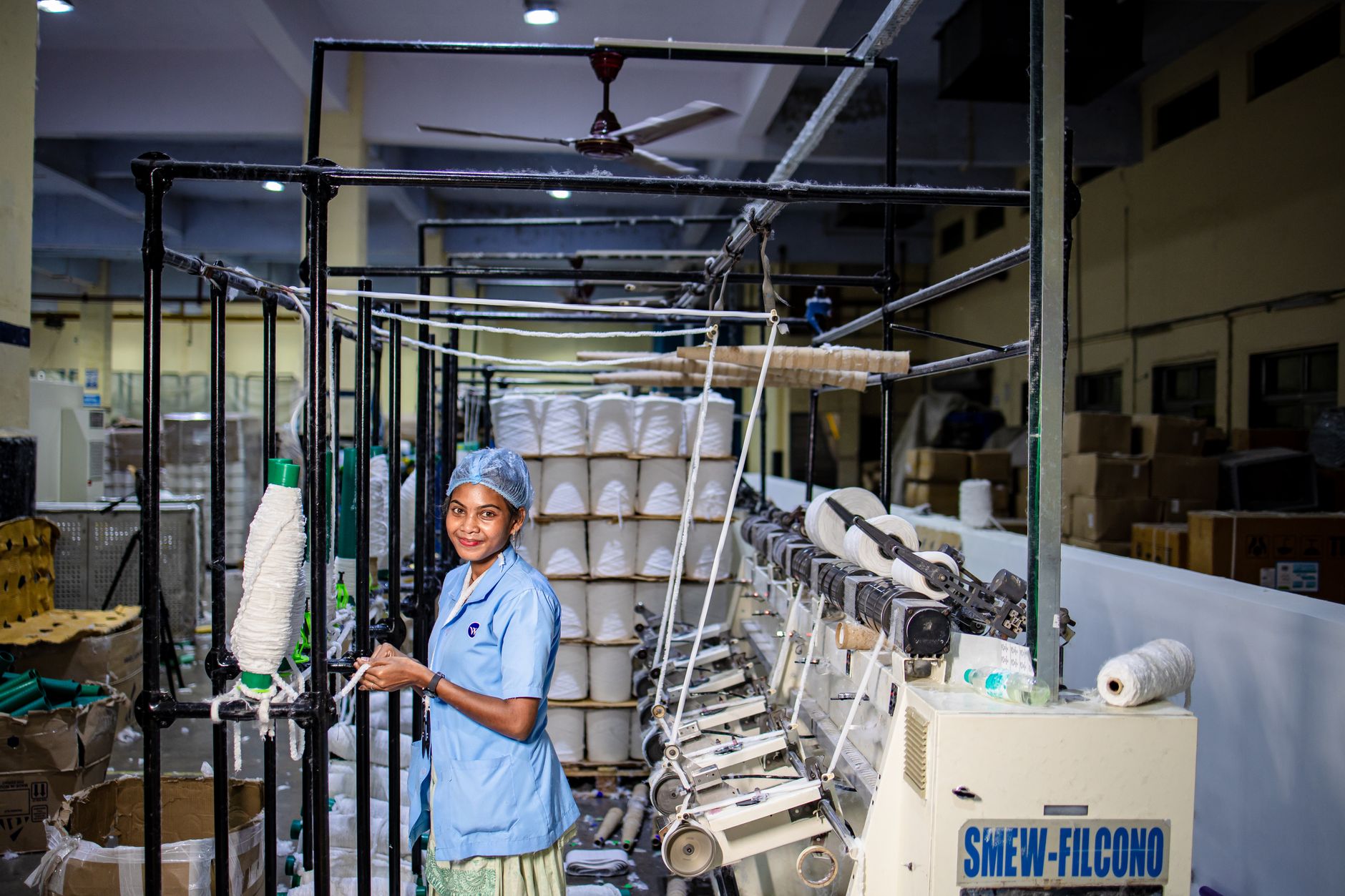
At the heart of these new tariffs lies the distressing reality of forced labor, a pervasive human rights violation affecting millions globally. This policy directly impacts the lives of individuals trapped in exploitative conditions, often working long hours for little to no pay, under threat of violence or coercion. The administration's stated goal is to alleviate their suffering by making it economically unviable for companies to profit from such egregious practices, thereby creating a tangible incentive for countries and corporations to clean up their supply chains. However, the immediate impact on these vulnerable populations remains uncertain, as economic disruptions can sometimes exacerbate existing hardships before long-term improvements materialize.
Beyond the direct victims, these tariffs also touch the lives of countless consumers and workers in importing countries. Families may face higher prices for everyday goods, from clothing to electronics, as companies pass on the increased costs of tariffs or the expenses associated with re-sourcing. Workers in industries reliant on imported components or goods from targeted countries could experience job insecurity or shifts in demand. The human face of this policy is multifaceted, extending from the exploited laborer to the struggling consumer, underscoring the complex web of interconnectedness in the global economy and the far-reaching consequences of trade decisions.
Furthermore, the policy's implementation will undoubtedly spark a ripple effect across various communities. Businesses, large and small, will be compelled to scrutinize their ethical sourcing policies with unprecedented rigor, potentially leading to significant operational overhauls. For many, this means investing in more robust auditing processes, diversifying their supplier base, or even relocating production. While these changes are intended to foster a more ethical global marketplace, they also present substantial logistical and financial challenges, the burden of which will ultimately be borne by stakeholders throughout the entire value chain, from factory floor to retail shelf.
How We Got Here
The Trump administration's decision to impose tariffs based on forced labor concerns is not an isolated event but rather a culmination of growing international pressure and domestic policy shifts. For years, human rights organizations and labor advocates have meticulously documented widespread instances of forced labor in various industries, from textiles to seafood, across numerous countries. These reports have increasingly caught the attention of policymakers, fueling a demand for more proactive measures to combat these abuses. The administration, known for its aggressive stance on trade, has seized upon this issue as a powerful justification for its protectionist policies, framing economic actions as moral imperatives.
This move also aligns with a broader trend of weaponizing trade policy to achieve non-economic objectives. Historically, tariffs were primarily used to protect domestic industries or correct trade imbalances. However, recent administrations have increasingly leveraged trade tools to address issues like national security, environmental standards, and now, human rights. The legal framework for such actions often draws upon existing statutes like the Tariff Act of 1930, which includes provisions against the importation of goods made with forced labor. The current administration has interpreted these provisions broadly, signaling a more assertive and expansive application of trade law.
Moreover, the political climate leading up to these tariffs has been characterized by heightened scrutiny of global supply chains, particularly in the wake of the COVID-19 pandemic which exposed vulnerabilities and ethical lapses. Public awareness regarding the origins of products and the conditions under which they are made has surged. This increased consumer and political pressure has created fertile ground for policies that promise to ensure ethical sourcing, even if they come with significant economic repercussions. The administration's action can thus be seen as a response to both long-standing human rights concerns and contemporary geopolitical and economic currents, marking a significant evolution in trade policy.
Why This Cannot Be Ignored
These tariffs are far more than just another trade dispute; they represent a fundamental shift in how global commerce is conducted and regulated. By explicitly linking market access to human rights standards, the Trump administration is setting a precedent that could redefine international trade ethics. This move compels every nation and every multinational corporation to re-evaluate their entire supply chain, scrutinizing labor practices with an intensity previously reserved for quality control or cost efficiency. Ignoring this policy is to ignore a seismic shift in the foundational principles of global trade, with profound implications for economic development, human rights advocacy, and international relations.
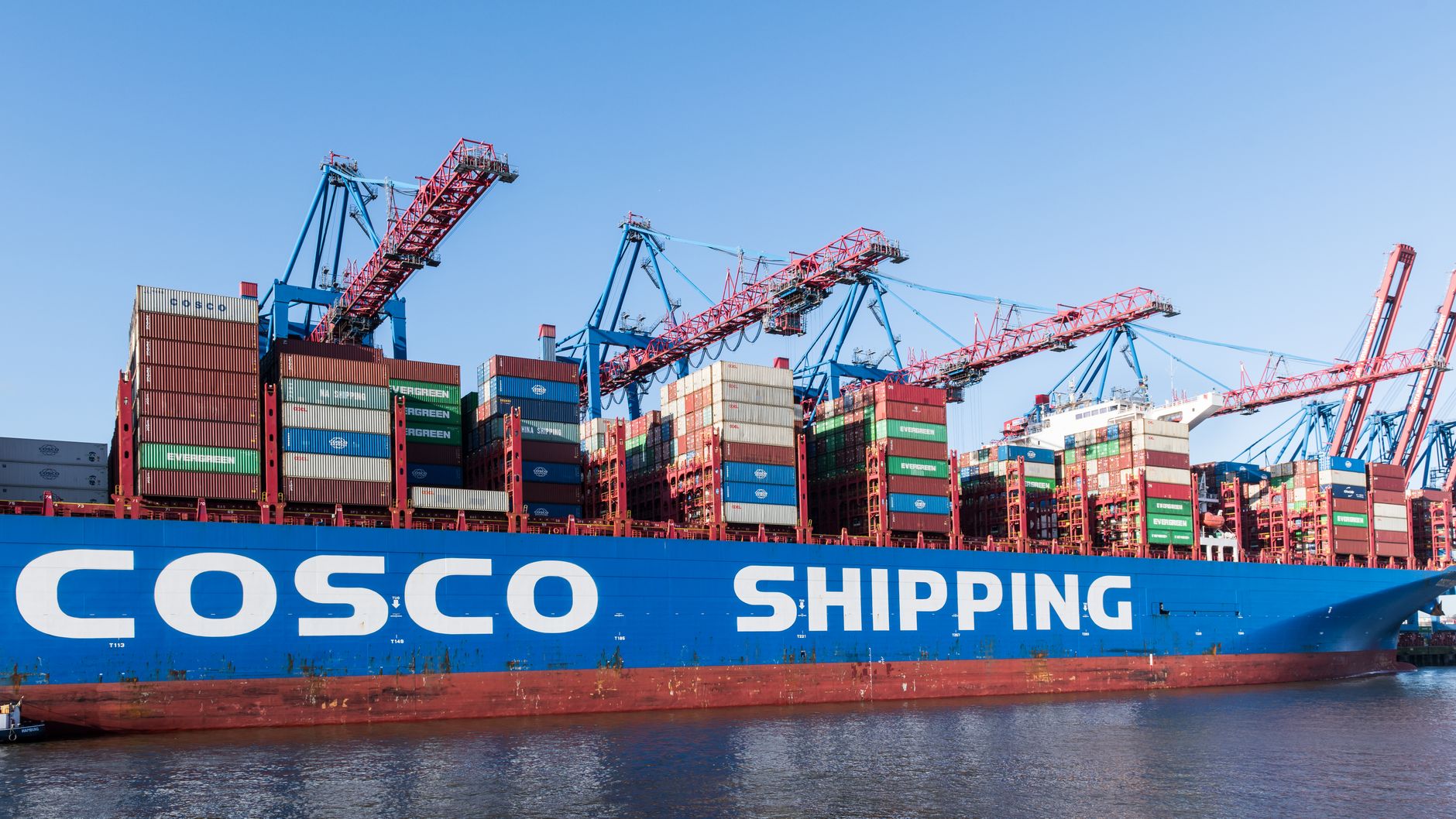
The potential for widespread economic disruption is immense and cannot be overstated. Companies that have built intricate global supply chains over decades now face the daunting task of identifying and eliminating any association with forced labor, or risk losing access to one of the world's largest consumer markets. This will inevitably lead to increased operational costs, potential supply shortages, and ultimately, higher prices for consumers. Furthermore, the risk of retaliatory tariffs from affected countries looms large, threatening to ignite a full-blown trade war that could destabilize the global economy and hinder post-pandemic recovery efforts. The ripple effects will be felt from manufacturing hubs to local retail stores.
Beyond economics, this policy carries significant geopolitical weight. It positions the United States as a global enforcer of human rights through economic leverage, a role that could be both praised and criticized on the international stage. It challenges the sovereignty of nations to manage their internal labor policies without external economic interference, potentially straining diplomatic relationships and fostering new alliances or antagonisms. The long-term impact on international cooperation, multilateral trade agreements, and the global fight against human trafficking and forced labor will be profound, making this a pivotal moment that demands careful attention and strategic responses from all stakeholders.
Possible Paths Forward
Navigating the complexities introduced by these new tariffs requires a multi-pronged approach from all stakeholders. For affected countries, one primary path involves engaging in direct diplomatic negotiations with the U.S. to present evidence of improved labor practices or to negotiate exemptions. This would necessitate transparent investigations into alleged forced labor, implementation of stricter labor laws, and robust enforcement mechanisms. Demonstrating tangible progress on human rights issues could be key to alleviating the tariffs, but such reforms often require significant political will and structural changes that are not easily achieved overnight. The credibility of these efforts will be paramount.
Another crucial path for businesses involves a radical re-evaluation and restructuring of global supply chains. Companies must invest heavily in supply chain transparency and traceability technologies, conducting thorough due diligence to ensure that no forced labor is present at any stage of production. This could mean diversifying sourcing to countries with verifiable ethical labor standards, or even reshoring production to avoid the complexities of international compliance. While costly and time-consuming, such a shift could ultimately lead to more resilient and ethically sound supply networks, aligning with growing consumer demand for responsible products. This proactive approach could transform a challenge into an opportunity for sustainable growth.
Internationally, there's a potential for increased multilateral cooperation to establish global standards for ethical sourcing and combat forced labor collectively. Instead of unilateral tariffs, a coordinated effort through international bodies like the ILO or WTO could create a more harmonized and effective framework. This path would involve developing universally accepted auditing standards, sharing intelligence on forced labor risks, and providing technical assistance to developing countries to improve labor conditions. Such a collaborative approach, while challenging to achieve, could offer a more sustainable and equitable solution to the pervasive issue of forced labor, moving beyond punitive measures towards a shared commitment to human dignity.
Questions People Are Actually Asking
What to Watch
- **Retaliatory Measures from Affected Nations:** Keep a close eye on official statements and actions from countries targeted by these tariffs. The potential for reciprocal tariffs or other trade restrictions could quickly escalate global trade tensions, impacting a wider range of industries and economies.
- **Supply Chain Restructuring and Corporate Responses:** Observe how major multinational corporations adapt their supply chains. Any significant shifts in sourcing, manufacturing locations, or investment in new technologies for supply chain transparency will indicate the policy's real-world impact and future direction of global production.
- **Consumer Price Index Fluctuations:** Monitor consumer price indices, particularly for goods heavily reliant on international supply chains. Any noticeable increases in the cost of imported products could signal the direct economic burden being passed to consumers and potentially influence public opinion on the tariffs.
- **Human Rights Advocacy Group Reports:** Follow reports from international human rights and labor organizations. Their assessments of whether the tariffs are genuinely leading to improved labor conditions in targeted countries, or if they are causing unintended negative consequences, will be crucial for evaluating the policy's effectiveness.
- **Legal Challenges and WTO Disputes:** Watch for any legal challenges to the tariffs, either domestically within the U.S. or through international bodies like the World Trade Organization. Such disputes could clarify the legal boundaries of using trade policy for human rights enforcement and set important precedents.
- **Diplomatic Engagements and Negotiations:** Pay attention to any bilateral or multilateral discussions between the U.S. and affected nations. The willingness of countries to engage in dialogue and implement reforms to address forced labor concerns will be a key indicator of the policy's success in achieving its stated human rights objectives.








Comments
No comments yet. Be the first to comment!