

What We Know
- The ongoing geopolitical friction between the United States and Iran has demonstrably moved beyond diplomatic rhetoric, manifesting in tangible consequences within American borders.
- Cybersecurity threats originating from state-sponsored Iranian actors have significantly intensified, targeting critical US infrastructure and private sector entities with increasing sophistication and frequency.
- The global energy market is experiencing heightened volatility directly attributable to tensions in the Persian Gulf, leading to fluctuating oil prices that impact American consumers and industries.
- The US Department of Homeland Security has issued elevated warnings regarding potential retaliatory actions or domestic disruptions, underscoring the serious nature of the current threat landscape.
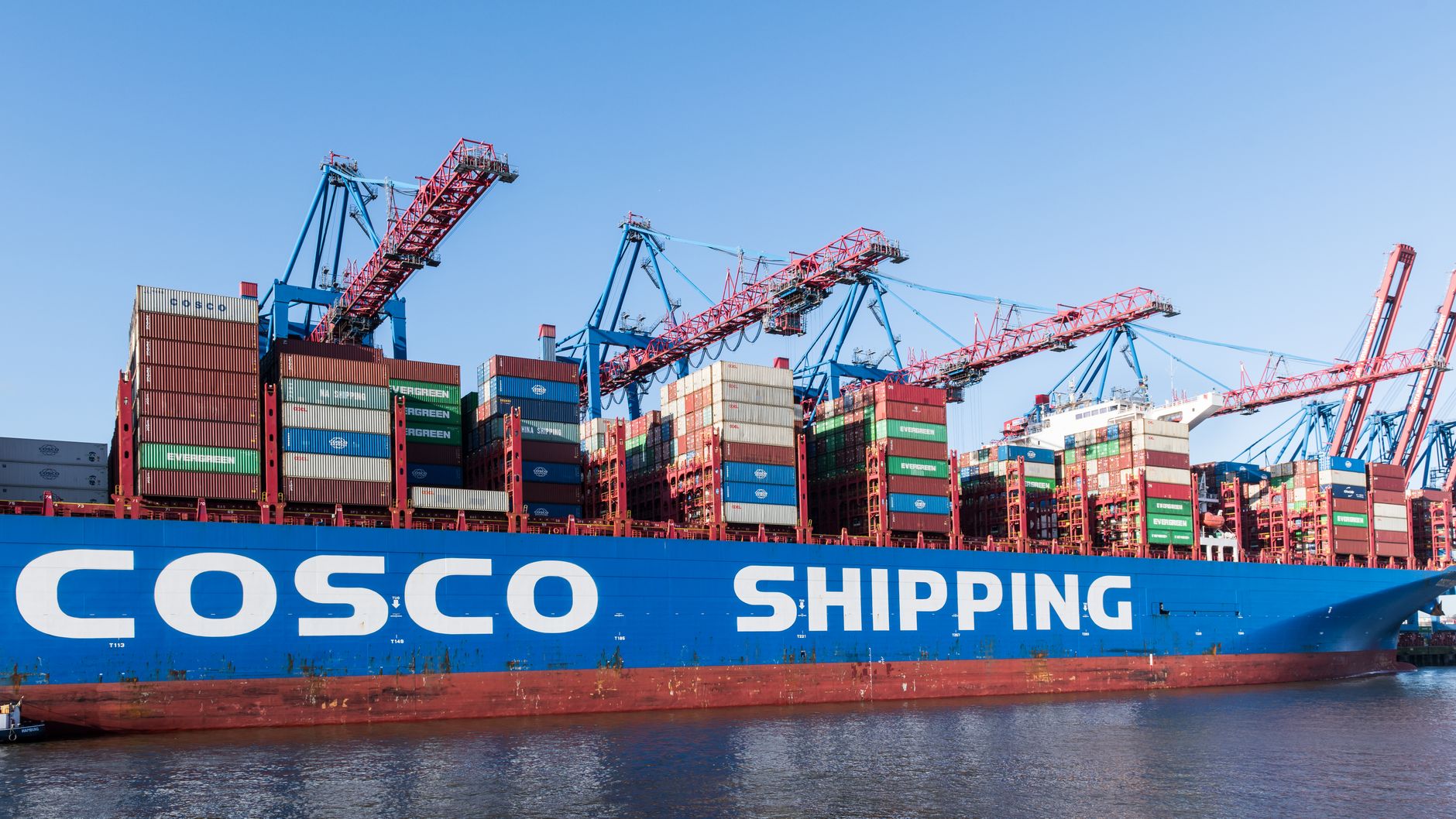
- Economic sanctions imposed on Iran, while intended to pressure the regime, have also created ripple effects, affecting international trade routes and supply chains that ultimately influence American businesses.
- Both federal and local law enforcement agencies are on increased alert, monitoring for potential domestic extremist activities or foreign-influenced operations that could exploit the current climate of tension.
What We Do Not Know Yet
- The full extent of Iran's cyber warfare capabilities and the specific targets they may prioritize in future attacks against US infrastructure remain largely unknown, posing a significant intelligence challenge.
- The precise long-term economic impact of sustained higher oil prices and disrupted global trade routes on the average American household and the broader US economy is still being modeled and debated by experts.
- Whether the current escalations will lead to direct military confrontations or remain primarily within the domains of economic sanctions and cyber warfare is a critical unknown, with profound implications.
- The level of public support within Iran for its government's confrontational stance against the US, and how this might influence future actions or internal stability, is not fully understood by external observers.
- The specific strategies the US government plans to employ to mitigate domestic consequences, beyond general warnings and increased security, have not been fully disclosed to the public or detailed comprehensively.
- How international allies and rival nations will react to a further escalation of US-Iran tensions, and what role they might play in de-escalation or support, remains an evolving and uncertain aspect of the crisis.
Background
The intricate relationship between the United States and Iran has been fraught with tension for decades, rooted in historical grievances, ideological clashes, and geopolitical rivalries. Following the 1979 Iranian Revolution, which saw the overthrow of the US-backed Shah, the two nations severed diplomatic ties, setting the stage for a prolonged period of animosity. Key flashpoints have included the Iran hostage crisis, Iran's nuclear program aspirations, its support for various proxy groups in the Middle East, and the imposition of crippling international sanctions by the US and its allies. Each of these events has contributed to a deeply entrenched mistrust, making de-escalation efforts exceptionally challenging and often short-lived.
Recent years have witnessed a significant deterioration in relations, particularly following the US withdrawal from the Joint Comprehensive Plan of Action (JCPOA), commonly known as the Iran nuclear deal, in 2018. This decision, coupled with the re-imposition and expansion of sanctions, was met with strong condemnation from Tehran, which subsequently began to scale back its commitments under the agreement. The assassination of Iranian General Qasem Soleimani in early 2020 by a US drone strike further inflamed tensions, bringing the two nations to the brink of direct military conflict. These actions have created a volatile environment where miscalculation or aggressive posturing can have immediate and far-reaching consequences, extending beyond the Middle East.
The current state of affairs is characterized by a dangerous cycle of provocation and retaliation, primarily playing out in the cyber domain and through proxy conflicts. Iran's development of advanced missile capabilities and its continued support for groups like Hezbollah and Houthi rebels are perceived by the US as direct threats to regional stability and American interests. Conversely, Iran views US military presence in the Persian Gulf and its economic sanctions as acts of aggression aimed at destabilizing its regime. This complex interplay of perceived threats and strategic responses forms the backdrop against which the domestic impacts on the US are now becoming increasingly apparent, transforming a foreign policy challenge into a tangible domestic concern.
Why It Matters
The escalating tensions between the United States and Iran are no longer confined to distant geopolitical theaters; they are manifesting as direct and tangible challenges within American borders, impacting everything from national security to economic stability. For citizens, this means a heightened awareness of potential cyber threats, which could disrupt essential services or compromise personal data. It also translates into the very real possibility of increased fuel prices and supply chain disruptions, directly affecting household budgets and the availability of consumer goods. The conflict's domestic ripple effects underscore that foreign policy decisions have immediate, personal consequences for everyday Americans, making it imperative to understand and address these evolving risks.
Beyond immediate economic and security concerns, the ongoing friction with Iran also has significant implications for America's global standing and its relationships with key allies. A prolonged or intensified conflict could divert substantial resources, both financial and military, away from other pressing domestic needs and international priorities. Furthermore, it risks alienating allies who may not agree with the US approach, potentially fracturing international coalitions vital for addressing other global challenges like climate change, pandemics, or nuclear proliferation. The way this conflict is managed will shape not only the future of US-Iran relations but also the broader landscape of international diplomacy and cooperation for years to come.
The domestic impact also extends to the realm of public discourse and social cohesion. Heightened geopolitical tensions can fuel xenophobia, increase scrutiny on specific communities, and contribute to a climate of fear and uncertainty. It is crucial for leaders to communicate clearly and responsibly, distinguishing between the actions of a government and its people, to prevent the erosion of civil liberties or the rise of discrimination. Understanding why this conflict matters domestically means recognizing its potential to influence not just our economy and security, but also the very fabric of American society and its commitment to democratic values and inclusivity in the face of external threats.
Timeline of Events
- **January 2020:** US drone strike kills Iranian General Qasem Soleimani in Baghdad, leading to immediate retaliatory missile attacks by Iran on US bases in Iraq, significantly escalating tensions and bringing the nations to the brink of war.
- **May 2020:** Reports emerge of increased Iranian cyber activity targeting US government agencies and critical infrastructure, signaling a shift towards digital warfare as a primary means of confrontation.
- **October 2021:** The Biden administration signals a willingness to re-engage in nuclear talks but maintains sanctions, leading to a prolonged diplomatic stalemate with no clear path forward for the JCPOA.
- **March 2022:** Global oil prices experience significant spikes, partly attributed to geopolitical instability in the Middle East exacerbated by US-Iran tensions, impacting American consumers directly at the pump.
- **August 2022:** The US Treasury Department imposes new rounds of sanctions on Iranian entities accused of supporting the country's drone program and other destabilizing activities, further tightening economic pressure.
- **November 2022:** The Department of Homeland Security issues a bulletin warning of potential domestic threats, including cyberattacks and foreign influence operations, linked to ongoing US-Iran friction, urging increased vigilance.
- **January 2023:** Iranian-backed militias in Iraq and Syria reportedly increase attacks on US forces and allies, prompting retaliatory strikes from the US and indicating a renewed cycle of proxy conflict.
- **April 2023:** Cybersecurity firms report a surge in sophisticated phishing campaigns and ransomware attacks attributed to Iranian state-sponsored groups, specifically targeting US industrial control systems and healthcare networks.
Rapid-Fire Q&A
What Is Coming
- Expect a continued escalation in cyber warfare, with Iranian state-sponsored actors likely to target a broader range of US critical infrastructure and private sector entities, demanding enhanced defensive measures and threat intelligence sharing.
- Further volatility in global energy markets is highly probable, leading to sustained pressure on gasoline prices and potentially impacting inflation across various sectors, necessitating strategic energy policy responses.
- The US government will likely increase its public advisories and security alerts, urging both individuals and organizations to bolster their cybersecurity postures and remain vigilant against potential domestic threats or foreign influence operations.
- Diplomatic efforts, while challenging, are expected to persist behind the scenes, with international partners attempting to mediate and de-escalate tensions, though a swift resolution to the underlying issues remains unlikely.
- Increased scrutiny and potential disruptions to international trade routes, particularly in the Middle East, could lead to further supply chain bottlenecks for American businesses and consumers.
- The political rhetoric surrounding US-Iran relations is anticipated to intensify, especially during election cycles, as candidates leverage foreign policy stances to appeal to different segments of the electorate.













Comments
No comments yet. Be the first to comment!