
The Numbers
- The 21st sanctions package represents a significant escalation, demonstrating the EU's unwavering commitment to isolating Russia economically and politically, building on previous measures that have already impacted various sectors of the Russian economy.
- Over 1,800 individuals and entities have now been targeted by EU sanctions since the initial invasion, encompassing oligarchs, military officials, propagandists, and state-owned enterprises, all deemed complicit in Russia's aggression.
- The cumulative value of frozen Russian assets within the EU now exceeds hundreds of billions of euros, although the exact figure remains dynamic as investigations and asset identification continue across member states.
- The new measures specifically target Russia's energy sector, aiming to reduce its revenue streams from oil and gas exports, which are crucial for funding its military operations and maintaining economic stability.
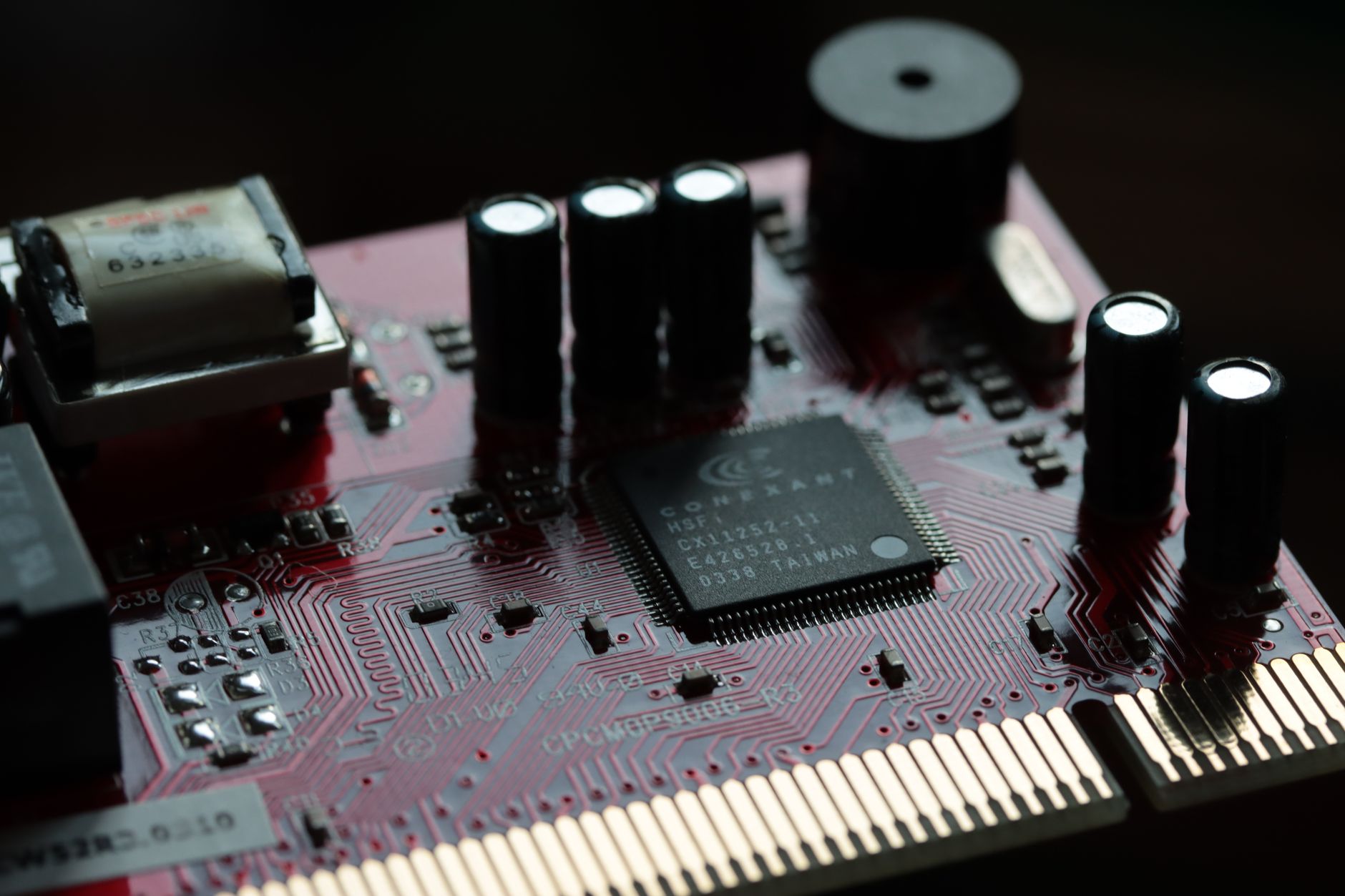
- Restrictions on dual-use goods have been further tightened, making it increasingly difficult for Russia to acquire advanced technologies and components essential for its military-industrial complex and strategic industries.
- The package includes expanded prohibitions on financial services, further limiting Russia's access to international capital markets and increasing the cost of borrowing for both the government and state-affiliated companies.
Context Check
The European Union's decision to implement its 21st package of sanctions against Russia is not an isolated event but rather a continuation of a sustained, multifaceted strategy to exert maximum economic pressure. This latest iteration underscores the EU's unwavering resolve to hold Russia accountable for its unprovoked aggression in Ukraine. Since the initial invasion, the EU has progressively broadened the scope and intensity of its restrictive measures, targeting key sectors of the Russian economy, including finance, energy, transport, technology, and defense, alongside a growing list of individuals and entities. This consistent application of sanctions aims to degrade Russia's capacity to wage war, disrupt its supply chains, and diminish its financial resources, ultimately seeking to compel a change in Moscow's aggressive policies.
The cumulative impact of these sanctions is designed to be systemic, creating a compounding effect that erodes Russia's economic stability over time. While the immediate effects of each package may vary, the long-term objective is to isolate Russia from the global financial system and advanced technological markets, thereby hindering its economic development and military modernization. The EU's approach also involves close coordination with international partners, including the G7 nations, to ensure a unified front and maximize the effectiveness of the sanctions regime. This collective action is crucial in preventing circumvention and amplifying the economic pain inflicted upon the Russian Federation, demonstrating a united global condemnation of its actions.
However, the implementation of such extensive sanctions is not without its challenges. The EU must carefully balance the desire to inflict severe economic damage on Russia with the need to mitigate potential spillover effects on its own member states and the global economy. Issues such as energy security, inflation, and disruptions to global supply chains are constant considerations. Furthermore, the effectiveness of sanctions is often debated, with some analysts arguing that they can lead to economic resilience in targeted countries or encourage the development of alternative trade routes. Despite these complexities, the EU remains committed to its sanctions policy, viewing it as a vital tool in its diplomatic and economic arsenal to support Ukraine and uphold international law.
Background
The European Union's journey of imposing sanctions on Russia began in earnest following the illegal annexation of Crimea in 2014 and the subsequent destabilization of eastern Ukraine. These initial measures, while significant, were largely targeted and incremental, focusing on specific individuals and entities involved in the aggression, alongside restrictions on access to EU capital markets and certain technologies. However, the full-scale invasion of Ukraine in February 2022 marked a dramatic turning point, prompting an unprecedented acceleration and expansion of the EU's sanctions regime. The international community, led by the EU, US, and UK, responded with a coordinated barrage of economic penalties, aiming to severely cripple Russia's financial system, energy sector, and military-industrial complex.
Each subsequent package of sanctions has built upon its predecessors, systematically closing loopholes, expanding the list of targeted individuals and entities, and introducing new prohibitions across various sectors. These measures have included banning Russian banks from the SWIFT international payment system, imposing an embargo on Russian oil and coal imports, restricting access to advanced technologies like semiconductors, and freezing the assets of prominent oligarchs and state officials. The cumulative effect has been a deliberate and sustained effort to isolate Russia from the global economy, making it increasingly difficult for the Kremlin to finance its war efforts and maintain its economic stability. The EU's commitment to these sanctions reflects a deep-seated belief that economic pressure is a crucial lever in deterring further aggression and ultimately achieving a peaceful resolution.
The 21st package is a testament to the EU's enduring resolve, demonstrating that despite the economic challenges faced by its own member states, the political will to punish Russia for its actions remains strong. This continuous layering of sanctions is designed to prevent Russia from adapting and finding alternative avenues for revenue and procurement. It also sends a clear message to other potential aggressors that violations of international law will be met with severe and sustained economic consequences. The ongoing evolution of these sanctions underscores the dynamic nature of geopolitical conflict, where economic tools are deployed with strategic precision to achieve political objectives, impacting not only Russia but also the broader global economic landscape.
Winners and Losers
In the immediate aftermath of the 21st sanctions package, the most evident 'losers' are undoubtedly the Russian economy and its citizens. The continuous tightening of restrictions on key sectors like energy, finance, and technology further constrains Russia's ability to generate revenue, access crucial components, and participate in global markets. Businesses reliant on international trade, particularly those dealing with advanced technology or financial services, face increasing hurdles, leading to supply chain disruptions, reduced investment, and a decline in overall economic activity. Ordinary Russian citizens are also likely to feel the pinch through rising inflation, limited access to imported goods, and a general decline in living standards, as the ruble's stability is challenged and economic uncertainty persists.
Conversely, the 'winners' are less clear-cut and often indirect. Ukraine, as the primary victim of Russia's aggression, stands to benefit from any measure that weakens Russia's war-making capabilities and reduces its economic leverage. The sanctions aim to shorten the conflict by making it unsustainable for Moscow, thereby potentially saving lives and reducing the long-term devastation in Ukraine. Additionally, countries and companies that can step in to fill the void left by Russia in global energy and commodity markets might experience some short-term gains, though this often comes with its own set of geopolitical complexities and ethical considerations. The EU itself, by demonstrating unity and resolve, strengthens its geopolitical standing and its commitment to international law, which can be seen as a long-term strategic win for the bloc.
However, the global economy as a whole faces significant challenges. EU member states, while united in their stance, are not immune to the economic repercussions of these sanctions. Energy price volatility, inflationary pressures, and disruptions to global supply chains are ongoing concerns that affect consumers and businesses across Europe. The pursuit of alternative energy sources and trade partners, while necessary, incurs costs and requires substantial investment. Developing nations, particularly those reliant on Russian energy or food exports, may also face increased economic instability. Therefore, while the sanctions are designed to punish Russia, their ripple effects create a complex web of winners and losers, with the global economic landscape undergoing significant, and often painful, adjustments.
Analyst Perspectives
Leading geopolitical analysts largely agree that the 21st sanctions package signals the EU's long-term commitment to its strategy of economic attrition against Russia. Dr. Anya Sharma, a senior fellow at the European Council on Foreign Relations, notes, "This isn't about a single knockout blow; it's about a thousand cuts. Each package, including this 21st one, incrementally degrades Russia's economic capacity, making it harder to sustain its military operations and to project power internationally. The cumulative effect is undeniable, even if the immediate impact of any single package might seem less dramatic than the initial ones." She emphasizes that the EU is playing a long game, anticipating that the sustained pressure will eventually force a reevaluation of Russia's strategic objectives.
Economists, however, offer a more nuanced view regarding the immediate efficacy and potential unintended consequences. Dr. Markus Schmidt, an expert in international finance at the Kiel Institute for the World Economy, points out, "While the sanctions are certainly biting, Russia has demonstrated a surprising degree of resilience, partly due to its ability to pivot trade towards non-Western partners and its substantial foreign exchange reserves built up over years. This 21st package, by further targeting specific sectors, aims to close remaining loopholes and make circumvention more difficult, but it also risks accelerating Russia's decoupling from Western markets, potentially creating a more entrenched, parallel economic system." He suggests that the focus should also be on strengthening enforcement mechanisms and preventing third-country facilitation of sanctioned activities.
Security strategists, on the other hand, often highlight the symbolic and political importance of these continuous sanctions. General (Ret.) Elena Petrova, a defense analyst, states, "Beyond the economic impact, these sanctions are a powerful political statement. They demonstrate unwavering Western unity and resolve, sending a clear message to the Kremlin that its aggression will not be tolerated and will come at an ever-increasing cost. This consistent pressure also serves to reassure Ukraine and other frontline states of the EU's steadfast support. The psychological warfare aspect, where Russia is constantly reacting to new restrictions, should not be underestimated in its potential to erode morale and trust within the Russian elite." Her perspective underscores that sanctions are not merely economic tools but also instruments of geopolitical signaling and psychological pressure.
Key Questions Explained
The Outlook
The outlook following the EU's 21st sanctions package suggests a continued, grinding economic pressure on Russia, with the EU maintaining its long-term strategy of attrition. We can anticipate further attempts by Russia to adapt and find alternative trade routes and financial mechanisms, potentially strengthening its economic ties with non-Western partners. However, the cumulative effect of these sanctions is designed to make such adaptations increasingly difficult and costly. The EU's unwavering commitment signals that there will be no quick return to business as usual, and the economic isolation of Russia is a sustained policy objective, aimed at fundamentally altering Moscow's strategic calculations regarding its aggression in Ukraine.
For the European Union, the immediate future will involve vigilant monitoring of the sanctions' effectiveness and robust enforcement to prevent circumvention. There will also be an ongoing need to manage the domestic economic repercussions within member states, including inflationary pressures and energy market volatility. The EU's ability to maintain internal unity and resolve in the face of these challenges will be crucial. Furthermore, diplomatic efforts will intensify to ensure continued international coordination with allies, amplifying the global impact of the sanctions and presenting a united front against Russian aggression, reinforcing the message that such actions carry severe and lasting consequences.
Looking ahead, the success of this sanctions regime will be measured not just by immediate economic indicators but by its long-term impact on Russia's capacity to wage war and its willingness to engage in meaningful peace negotiations. The expectation is that sustained economic pain will eventually erode public support for the conflict and create internal pressures within Russia, potentially leading to a shift in policy. However, this is a complex and protracted process, and the full effects of the 21st package, combined with all previous measures, will unfold over months and years, shaping the geopolitical landscape and the future of international relations.


Comments
No comments yet. Be the first to comment!