
What We Know
- The U.S. spirits industry has experienced a catastrophic decline in exports, with sales plummeting by 20% in 2023 alone, directly attributable to the lingering effects of trade disputes.
- Canada initiated a significant boycott of U.S. spirits, particularly American whiskey, in response to tariffs imposed by the Trump administration on steel and aluminum imports.
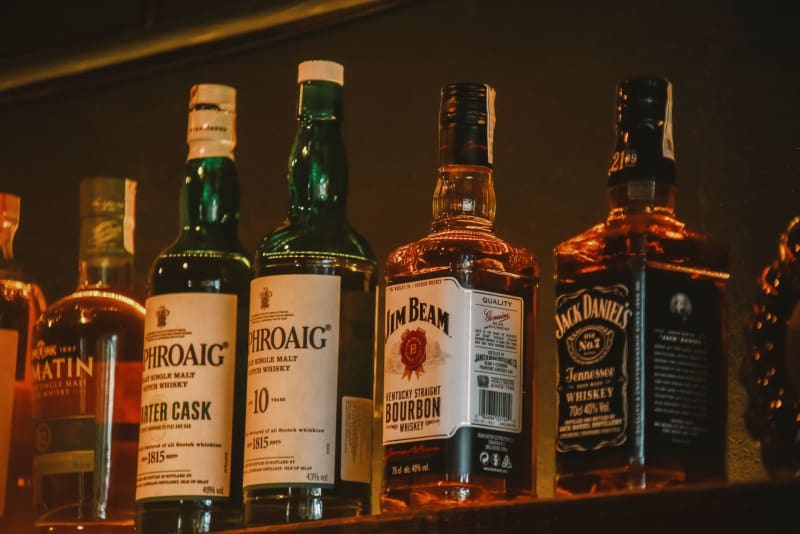
- The retaliatory tariffs, specifically 25% duties on American whiskey, have effectively priced U.S. products out of key international markets, making them uncompetitive.
- Beyond Canada, the boycott of American spirits has spread to other crucial export markets, including the European Union and Mexico, amplifying the economic damage.
- The Distilled Spirits Council of the United States (DISCUS) has vocally condemned these tariffs, consistently advocating for their immediate removal to salvage the industry.
- The tariffs were initially implemented by the Trump administration as a strategic move to protect domestic steel and aluminum producers, inadvertently triggering widespread trade retaliation.
What We Do Not Know Yet
- The precise long-term economic impact on smaller, craft distilleries within the U.S. remains largely unquantified, though anecdotal evidence suggests severe hardship and potential closures.
- Whether the current U.S. administration will prioritize the removal of these specific tariffs on spirits as part of broader trade negotiations is still uncertain, despite industry pleas.
- The full extent to which consumer preferences in boycotting nations have permanently shifted away from American spirits, even if tariffs are lifted, is an evolving question.
- What new trade agreements or diplomatic efforts, if any, are actively being pursued to de-escalate these specific trade tensions and restore market access for U.S. distillers is unclear.
- The potential for other countries to join the boycott or impose similar retaliatory measures in response to ongoing trade disputes is a significant unknown that could further cripple exports.
- How quickly the U.S. spirits industry could recover its lost market share and rebuild its international distribution networks, even with tariff removal, is a complex projection.
Background
The genesis of this escalating trade conflict can be traced back to 2018 when the Trump administration, citing national security concerns, imposed a 25% tariff on steel imports and a 10% tariff on aluminum imports from various countries, including key allies like Canada, Mexico, and the European Union. This move, intended to bolster domestic industries, immediately sparked widespread international condemnation and threats of retaliation. The global response was swift and decisive, as affected nations, perceiving these tariffs as protectionist rather than security-driven, began to formulate their counter-measures, setting the stage for a protracted trade dispute that would ensnare diverse sectors.
In a direct and punitive response to the U.S. tariffs on metals, Canada, the European Union, and Mexico each levied their own retaliatory tariffs on a range of American products. Among the most prominent and economically damaging of these counter-tariffs were the 25% duties specifically targeting American whiskey and other spirits. This strategic targeting was not arbitrary; U.S. spirits, particularly bourbon, represent a significant American export and a cultural icon, making them a high-profile target designed to inflict maximum political and economic pressure on the U.S. administration and its agricultural base. The imposition of these tariffs effectively created an immediate and substantial price disadvantage for American spirits in crucial international markets.
The impact on the U.S. spirits industry was almost instantaneous and profoundly negative. Exports, which had previously been a robust and growing segment for American distillers, began to decline sharply. The added 25% tariff made U.S. whiskey significantly more expensive for foreign consumers and distributors, leading to a dramatic drop in demand. This wasn't merely a price increase; it fundamentally altered the competitive landscape, allowing spirits from other nations to gain market share at the expense of American brands. The initial tariffs, intended to protect one sector, inadvertently crippled another, demonstrating the intricate and often unpredictable ripple effects of protectionist trade policies on a globalized economy.
Why It Matters
The current trade disputes and the resulting boycotts pose an existential threat to the U.S. spirits industry, an economic powerhouse that supports hundreds of thousands of jobs across the nation. From the farmers growing the grains to the distillers crafting the spirits, and from the bottlers to the extensive distribution networks, a vast ecosystem relies on the health of this sector. The prolonged decline in exports due to tariffs and boycotts directly translates into reduced revenue, potential layoffs, and a chilling effect on investment and innovation within the industry. This isn't just about luxury goods; it's about the livelihoods of countless American families and the economic vitality of numerous communities, particularly in states renowned for their distilling heritage.
Beyond the immediate economic fallout, the erosion of market share in key international markets could have long-lasting, irreversible consequences. Once foreign consumers and distributors shift their loyalties to non-U.S. brands due to price or availability, regaining that market position becomes an incredibly arduous and expensive endeavor, even if tariffs are eventually lifted. Competitors from other countries are actively capitalizing on this void, establishing new relationships and cementing their presence. This means that even a future resolution of the trade dispute might not fully restore the U.S. spirits industry to its former global standing, potentially condemning it to a permanently diminished role on the world stage.
Furthermore, this situation serves as a stark reminder of the interconnectedness of global trade and the perils of protectionist policies. What begins as a targeted tariff on one industry can quickly spiral into retaliatory measures that harm entirely unrelated sectors, creating a complex web of economic damage. The U.S. spirits industry's plight underscores the critical need for stable, predictable international trade relations and the careful consideration of all potential ripple effects before implementing trade barriers. It highlights how quickly political decisions can translate into tangible, negative impacts on businesses and workers, emphasizing the importance of diplomatic solutions over confrontational trade tactics.
Timeline of Events
- March 2018: The Trump administration imposes 25% tariffs on steel and 10% tariffs on aluminum imports, citing national security concerns, affecting allies like Canada, the EU, and Mexico.
- June 2018: Canada, the European Union, and Mexico announce and implement retaliatory tariffs on a range of U.S. products, prominently including a 25% duty on American whiskey and other spirits.
- Late 2018 - Present: Reports from the Distilled Spirits Council of the U.S. (DISCUS) begin to detail significant declines in U.S. spirits exports to affected markets, with sales figures showing a clear downward trend.
- Throughout 2019-2020: The U.S. spirits industry, through DISCUS, intensifies its lobbying efforts, urging the U.S. government to negotiate the removal of retaliatory tariffs to prevent further economic damage.
- January 2020: The U.S. and China sign a 'Phase One' trade deal, which, while not directly addressing the spirits tariffs from Canada/EU/Mexico, signals a potential shift in trade policy approaches.
- 2021-2023: Despite changes in U.S. administration, the retaliatory tariffs on American spirits largely remain in effect, continuing to depress export volumes and market share in crucial international markets.
- Late 2023: DISCUS releases updated data indicating a 20% drop in U.S. spirits exports, underscoring the severe and ongoing impact of the trade disputes on the industry's global performance.
- Early 2024: Discussions continue among industry leaders and policymakers regarding potential avenues for resolution, including bilateral negotiations and broader trade policy adjustments, though no definitive solutions have emerged.
Rapid-Fire Q&A
What Is Coming
- Continued pressure from the U.S. spirits industry and its lobbying groups, like DISCUS, for the current administration to prioritize the removal of retaliatory tariffs in ongoing trade negotiations.
- Potential for new diplomatic efforts or trade talks aimed at de-escalating the broader trade war, which could offer an avenue for the resolution of the spirits tariffs.
- Increased focus by U.S. distillers on diversifying their export markets and strengthening domestic sales to offset losses from tariff-affected regions, though this is a challenging long-term strategy.
- The possibility of further consolidation within the U.S. spirits industry as smaller distilleries, unable to withstand prolonged export declines, may be forced to merge or cease operations.
- Ongoing monitoring and reporting by industry bodies on the economic impact, with updated statistics likely to highlight the persistent challenges faced by American spirits producers.
- A critical test for the U.S. government's trade policy approach: whether it can effectively balance protectionist impulses with the need to support export-dependent industries and maintain strong international trade relationships.










Comments
No comments yet. Be the first to comment!