
At a Glance
- The UN Security Council has unanimously voted to extend the sanctions regime targeting the Central African Republic for an additional twelve months, signaling continued international concern over persistent instability and human rights abuses.
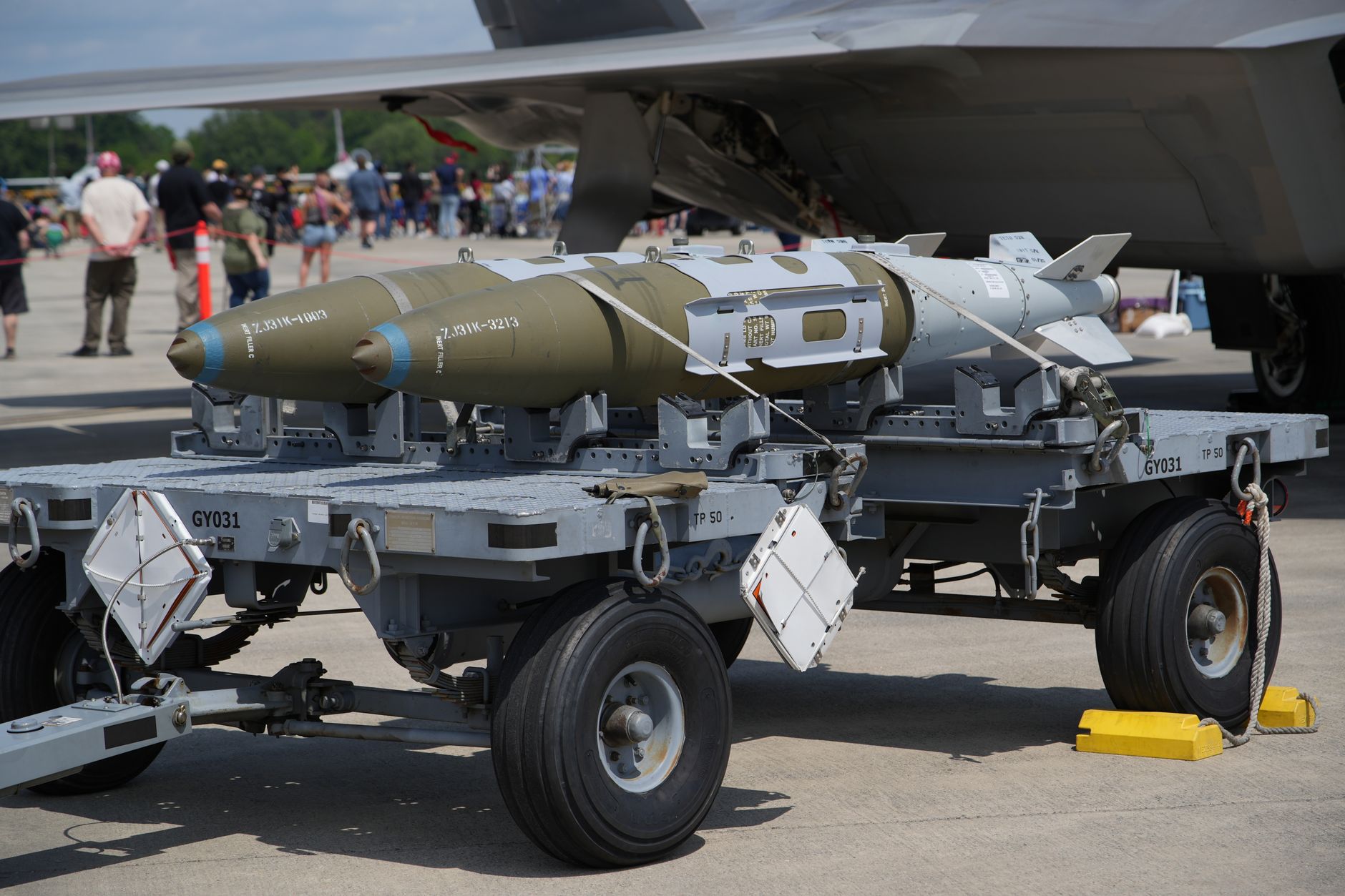
- Resolution 2732 (2024) specifically renews the arms embargo, travel ban, and asset freeze against individuals and entities actively undermining peace, security, and stability within the CAR.
- The mandate of the Panel of Experts, crucial for monitoring the implementation and effectiveness of these sanctions, has also been extended for a similar period, ensuring ongoing scrutiny and reporting.
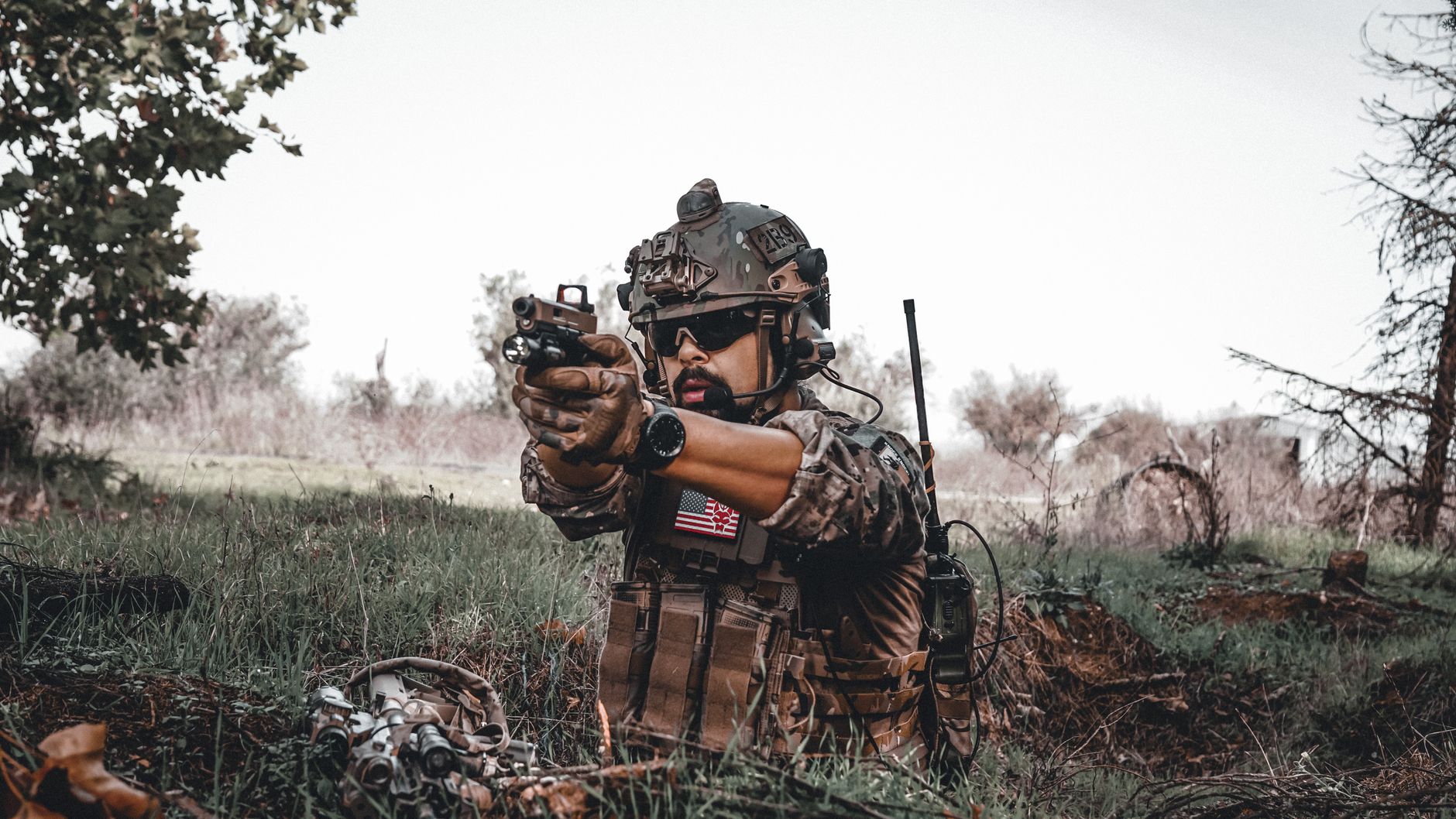
- The sanctions are primarily aimed at non-state armed groups and individuals who engage in violence, obstruct humanitarian aid, or exploit natural resources to fuel conflict, thereby exacerbating the humanitarian crisis.
- This extension comes amidst a complex political and security landscape in the CAR, where government forces, supported by external actors, continue to battle various rebel factions across different regions.
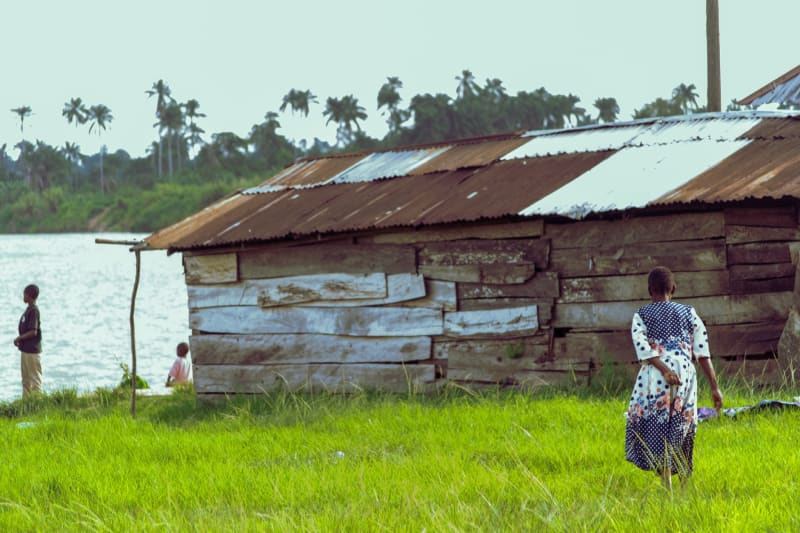
- Humanitarian organizations have consistently highlighted the dire situation on the ground, with millions displaced and in urgent need of assistance, underscoring the critical importance of these international measures.
The Record
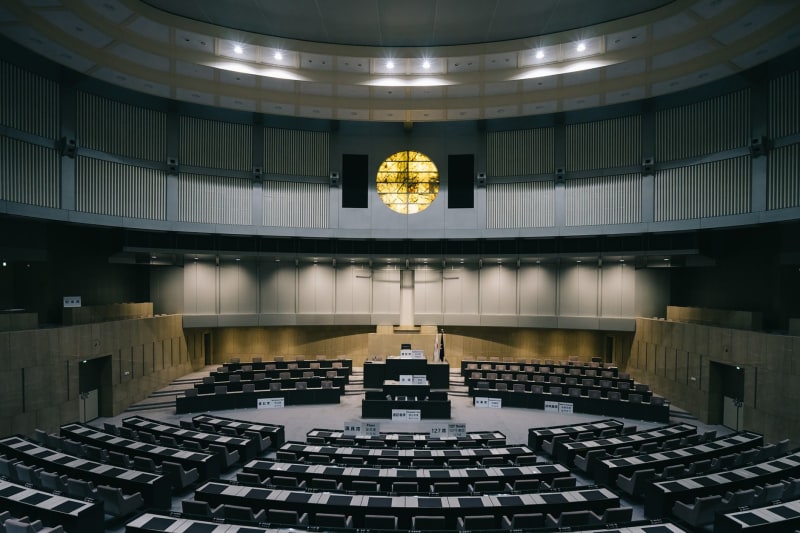
The United Nations Security Council, in a decisive move, has unanimously adopted Resolution 2732 (2024), effectively extending the comprehensive sanctions regime imposed on the Central African Republic (CAR) for another year. This critical resolution renews the arms embargo, travel ban, and asset freeze measures initially established to curb the pervasive violence and instability plaguing the nation. The international community's sustained focus on the CAR reflects deep-seated concerns over the persistent threats posed by non-state armed groups and individuals who continue to undermine peace, security, and the fragile political process. This extension is not merely a procedural formality; it is a clear reaffirmation of the Council's commitment to holding accountable those who perpetuate conflict and exploit the nation's resources for illicit gain.
A pivotal component of this renewed mandate is the extension of the Panel of Experts' role for a corresponding period. This expert panel serves as the eyes and ears of the Security Council, tasked with meticulously monitoring the implementation of the sanctions, investigating violations, and providing crucial, evidence-based reports. Their work is indispensable in ensuring that the sanctions remain relevant, effective, and targeted, adapting to the evolving dynamics of the conflict. Without their diligent oversight, the sanctions risk becoming mere declarations, lacking the teeth necessary to impact the ground reality in the CAR. The Panel's findings often shed light on intricate networks of illicit arms trafficking, resource exploitation, and the financing of armed groups, all of which fuel the ongoing humanitarian catastrophe.
The sanctions regime, initially established in 2013, was a direct response to the escalating violence and the collapse of state authority that followed successive coups and rebellions. Over the years, it has been periodically reviewed and adjusted, reflecting the complex and often deteriorating security situation. The measures are designed to prevent the flow of weapons to unauthorized actors, restrict the movement of individuals deemed threats to peace, and freeze assets that could be used to finance destabilizing activities. While the effectiveness of sanctions is often debated, their continued application signals a clear message from the global community: impunity for those who destabilize the CAR will not be tolerated, and efforts to restore peace and protect civilians remain a paramount international priority.
Who Knew and When
The international community, particularly the United Nations, has been acutely aware of the deteriorating situation in the Central African Republic for over a decade. The initial imposition of sanctions in 2013 was a direct response to the widespread violence and humanitarian crisis that erupted following the Séléka rebel coalition's takeover of the capital, Bangui. Reports from UN agencies, humanitarian organizations, and independent observers have consistently detailed the grave human rights abuses, displacement of populations, and the persistent activities of various armed groups. These reports have served as the primary intelligence, informing the Security Council's decisions and highlighting the urgent need for intervention and sustained pressure.
The Panel of Experts, whose mandate was renewed alongside the sanctions, has played a crucial role in providing detailed, real-time intelligence to the Security Council. Their annual and interim reports meticulously document violations of the arms embargo, illicit resource exploitation (such as gold, diamonds, and timber), and the financial networks supporting armed groups. These reports, often based on extensive field investigations and interviews, offer an unparalleled insight into the operational realities and the evolving threats within the CAR. Member States, through their intelligence agencies and diplomatic missions, also contribute to this pool of knowledge, sharing information on regional dynamics and cross-border illicit activities that impact the CAR's stability.
Furthermore, the UN Multidimensional Integrated Stabilization Mission in the Central African Republic (MINUSCA) has been on the ground since 2014, providing daily assessments of the security, political, and humanitarian situation. MINUSCA's mandate includes protecting civilians, facilitating humanitarian assistance, and supporting the peace process, making its personnel direct witnesses to the challenges and violations. Their regular reporting to the UN Secretariat and the Security Council ensures that decision-makers in New York are continuously updated on the ground realities, including the activities of sanctioned individuals and groups. This continuous flow of information from various credible sources underpins the Security Council's recurrent decisions to extend and adapt the sanctions regime, demonstrating a long-standing and well-informed awareness of the CAR's plight.
Voices from the Ground
The extension of sanctions by the UN Security Council is met with a mix of hope and weariness by the people of the Central African Republic. For many, particularly those living in areas still controlled or frequently terrorized by armed groups, these international measures represent a glimmer of hope that the violence might eventually subside. "We hear about these sanctions, and we pray they stop the guns from reaching the fighters," shared Marie, a displaced mother of three from Bambari. "Every day is a struggle for survival, and the presence of these armed groups makes it impossible for us to return home or find lasting peace. We need more than just words; we need to see real change on the ground, a reduction in the violence that has plagued our lives for too long."
Humanitarian workers on the front lines frequently echo these sentiments, emphasizing the devastating impact of ongoing conflict on civilian populations. Dr. Jean-Luc, who works with an international NGO in Bangassou, stated, "The sanctions are crucial, but their enforcement must be robust. We see firsthand how illicit arms and resources fuel conflict, leading to mass displacement, food insecurity, and a collapse of basic services. Our clinics are overwhelmed with victims of violence, and access to remote areas is constantly hampered by insecurity. The international community must ensure these sanctions translate into tangible improvements for the millions suffering." His words underscore the critical need for effective implementation beyond the resolution itself.
Conversely, some voices express skepticism, pointing to the limited impact of sanctions on the daily lives of ordinary citizens over the past decade. "We've had sanctions for years, but the fighting continues, and our suffering hasn't ended," remarked a community leader from Bria, who wished to remain anonymous for fear of reprisal. "What good are these bans if the weapons still find their way to the rebels, and the warlords continue to operate with impunity? We need peace, real peace, and a government strong enough to protect us, not just international resolutions." This perspective highlights the frustration born from prolonged instability and the urgent demand for more effective, immediate protection and development initiatives that directly benefit the affected populations.
The Debate
The efficacy and appropriateness of extending sanctions on the Central African Republic continue to be a subject of intense debate among policymakers, academics, and humanitarian actors. Proponents argue that the sanctions, particularly the arms embargo, are indispensable tools for limiting the capacity of non-state armed groups to wage war and destabilize the country. They contend that without these measures, the flow of weapons would intensify, further exacerbating the humanitarian crisis and undermining any prospects for peace. The Panel of Experts' reports often provide compelling evidence of how illicit arms fuel conflict, making the sanctions a necessary, albeit imperfect, mechanism to exert pressure on belligerent actors and support the fragile state institutions.
However, critics raise concerns about the broader impact of sanctions, particularly on the CAR's sovereignty and the potential for unintended consequences. Some argue that the arms embargo, while aimed at non-state actors, can inadvertently weaken the national army's ability to defend its territory and protect its citizens, especially when faced with well-equipped rebel groups. There's also a debate about the effectiveness of travel bans and asset freezes, with some experts suggesting that sanctioned individuals often find ways to circumvent these restrictions through complex networks and proxy actors. The argument is that while the intentions are good, the practical implementation and enforcement often fall short, leading to limited tangible results on the ground for the average citizen.
Furthermore, a significant part of the debate revolves around the need for a more holistic approach that complements sanctions with robust peacebuilding, development, and governance initiatives. Many argue that sanctions alone cannot resolve the deep-seated political, economic, and social grievances that fuel conflict in the CAR. They advocate for increased international investment in state-building, justice sector reform, and economic opportunities to address the root causes of instability. The discussion often circles back to whether the international community is doing enough to support the CAR beyond punitive measures, emphasizing that sustainable peace requires a comprehensive strategy that goes beyond merely restricting the tools of war.
Your Questions Answered
What Accountability Looks Like
For the sanctions regime in the Central African Republic to genuinely foster accountability, it must move beyond mere declarations and ensure robust enforcement. Accountability, in this context, means that individuals and entities designated for their role in undermining peace and security face tangible consequences for their actions. This includes the effective freezing of assets, preventing their travel across international borders, and disrupting their ability to acquire weapons or finance their operations. The Panel of Experts' reports are crucial here, as they provide the evidentiary basis for identifying those who should be held accountable, shining a light on their illicit activities and networks. Without diligent follow-through by Member States, the sanctions risk becoming symbolic gestures rather than instruments of change.
Beyond the immediate punitive measures, accountability also extends to supporting justice mechanisms within the CAR. This involves strengthening the national judicial system, including the Special Criminal Court (SCC), which is mandated to investigate and prosecute serious human rights violations and international crimes committed in the country. International cooperation is vital in this regard, providing technical assistance, capacity building, and facilitating the transfer of evidence. Holding perpetrators accountable through judicial processes, whether national or international, sends a powerful message that impunity will not be tolerated and is essential for victims to achieve justice and for long-term reconciliation to take root.
Ultimately, true accountability for the crisis in the CAR requires addressing the systemic issues that perpetuate conflict. This includes combating corruption, promoting good governance, and ensuring equitable access to justice and resources for all citizens. While sanctions target individuals and groups, a broader framework of accountability demands that the international community and the CAR government work collaboratively to build resilient institutions, foster inclusive political processes, and create an environment where human rights are respected and protected. This comprehensive approach is essential for breaking the cycle of violence and establishing a foundation for sustainable peace and development, ensuring that those who exploit the nation's vulnerabilities are systematically disempowered.








Comments
No comments yet. Be the first to comment!