
Key Takeaways
- A formidable coalition of 25 U.S. states has launched a lawsuit against the Trump administration, directly challenging the legality and economic rationale behind its most recent round of tariffs.
- The states contend that these tariffs are not only unconstitutional, overstepping the executive branch's authority, but also inflict substantial economic harm on local businesses, consumers, and critical supply chains within their borders.
- This legal action marks a significant escalation in the ongoing trade disputes, shifting the battleground from international negotiations and domestic policy debates to the federal courts, setting a critical precedent.
- The lawsuit specifically targets the administration's reliance on Section 232 of the Trade Expansion Act of 1962, arguing that its application in this context is an abuse of power and lacks genuine national security justification.
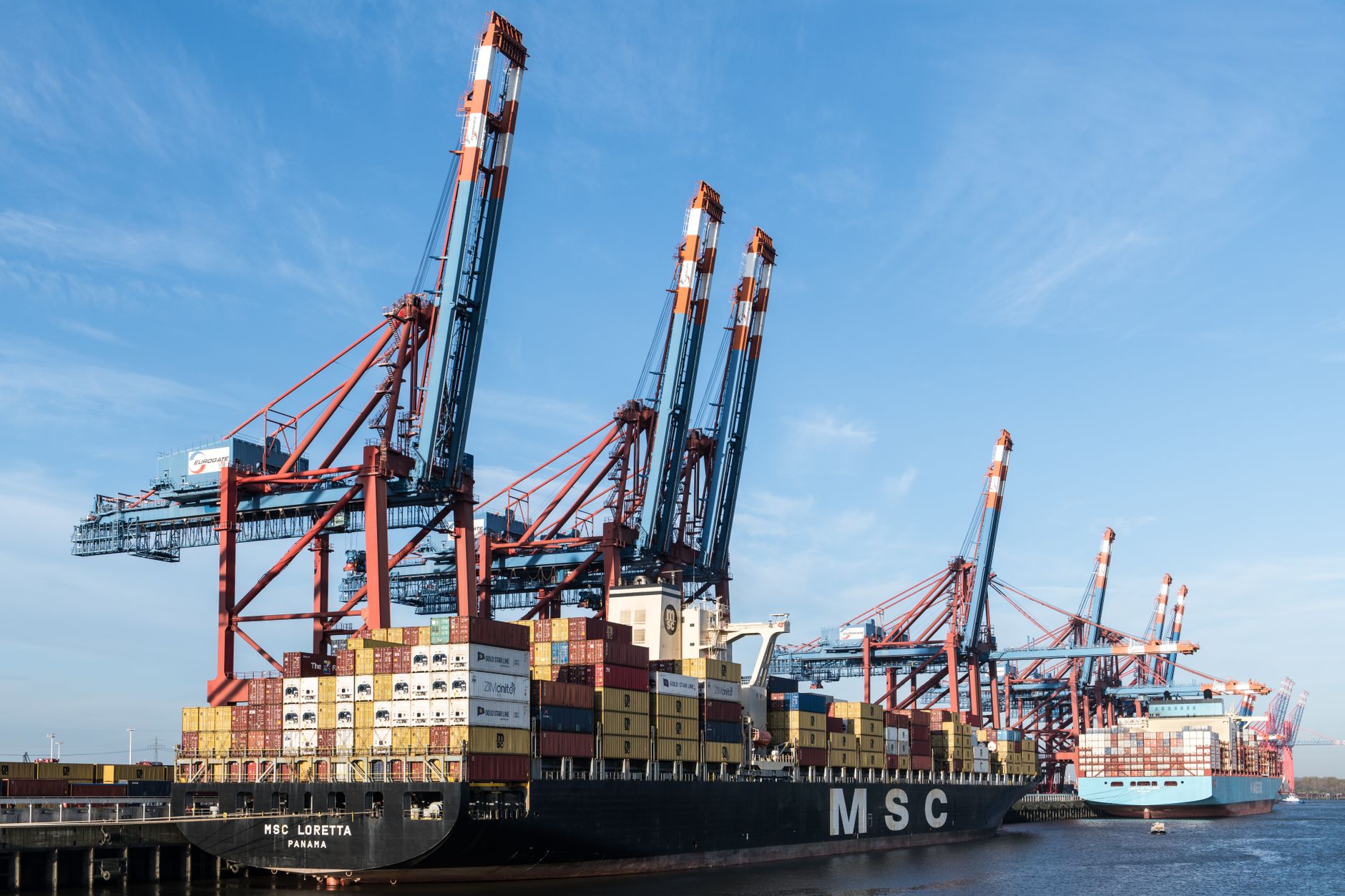
- Economic sectors such as manufacturing, agriculture, and retail are bracing for potentially devastating impacts, with increased costs for raw materials and imported goods likely to be passed directly to consumers, fueling inflation.
- The outcome of this lawsuit could fundamentally reshape the balance of power between the executive and legislative branches regarding trade policy, influencing future administrations' ability to unilaterally impose tariffs.
Background
The Trump administration's aggressive trade policy, characterized by the imposition of tariffs on a wide array of imported goods, has been a cornerstone of its economic strategy since taking office. These measures, often justified under national security pretexts, have aimed to protect domestic industries, reduce trade deficits, and compel foreign nations to renegotiate trade agreements. The administration has frequently invoked Section 232 of the Trade Expansion Act of 1962, which allows the President to impose tariffs on imports deemed a threat to national security, and Section 301 of the Trade Act of 1974, targeting unfair trade practices. This approach has led to significant friction with key trading partners globally, sparking retaliatory tariffs and creating considerable uncertainty in international markets.
The latest round of tariffs, which has triggered this unprecedented legal challenge, targets a broad spectrum of goods, impacting various sectors from steel and aluminum to consumer electronics and agricultural products. These tariffs, often implemented with little advance warning, have forced American businesses to scramble, seeking alternative suppliers or absorbing increased costs. The economic ripple effects have been felt across the nation, with manufacturers facing higher input prices, retailers struggling with inventory costs, and consumers potentially seeing price hikes on everyday items. This cumulative pressure has intensified calls for a reassessment of the administration's tariff strategy from both domestic industries and political opponents.
Prior to this lawsuit, numerous industry groups, business associations, and even some members of Congress had voiced strong opposition to the tariff regime, citing its detrimental effects on American competitiveness and job growth. However, direct legal action from such a large coalition of states represents a significant escalation. This collective legal challenge underscores a growing consensus among state governments that the economic fallout from these tariffs is no longer an abstract policy debate but a tangible threat to their local economies and constituents' livelihoods. The states argue that the administration has overstepped its constitutional bounds, using national security as a pretext for economic protectionism, thereby infringing upon Congress's authority to regulate commerce.
Why It Matters
This lawsuit is not merely a procedural challenge; it represents a fundamental clash over constitutional authority and the future of American trade policy. If the states prevail, it could significantly curtail the executive branch's power to unilaterally impose tariffs, reasserting Congress's role in regulating international commerce. Such a ruling would establish a critical precedent, potentially limiting the tools available to future administrations seeking to address trade imbalances or protect domestic industries through tariffs. The implications extend far beyond the current administration, shaping the framework for trade policy for decades to come and redefining the checks and balances inherent in the U.S. system of government.
Economically, the stakes are incredibly high. The tariffs have already introduced significant volatility into global supply chains, forcing businesses to re-evaluate their sourcing strategies and investment plans. For the 25 states involved, many of which have robust agricultural or manufacturing sectors heavily reliant on international trade, the tariffs translate directly into increased operational costs, reduced competitiveness, and potential job losses. A prolonged legal battle, regardless of its outcome, will only exacerbate this uncertainty, making it harder for businesses to plan and invest. This instability could ripple through the national economy, impacting consumer prices, investment, and overall economic growth at a critical juncture.
Beyond the immediate economic and legal ramifications, this lawsuit highlights a deepening political divide within the United States regarding trade policy. The coalition of states, often led by governors and attorneys general from diverse political backgrounds, reflects a growing bipartisan concern over the administration's approach. This legal challenge could galvanize further opposition and potentially influence upcoming elections, as voters weigh the economic impact of tariffs on their communities. The outcome will not only determine the legality of current trade actions but also serve as a powerful indicator of the public and political appetite for protectionist policies versus free trade principles in the national discourse.
Ground Reality
On the ground, the impact of these tariffs is already palpable across the 25 states. Farmers, for instance, are struggling with retaliatory tariffs imposed by other nations, which have drastically reduced demand for their exports, leading to surpluses and depressed prices for commodities like soybeans and pork. Manufacturers, particularly those in industries reliant on imported steel and aluminum, are facing significantly higher input costs, which are either eroding their profit margins or being passed on to consumers. Small and medium-sized businesses, often with less capacity to absorb these shocks or pivot their supply chains, are particularly vulnerable, with some reporting layoffs or even contemplating closure due to the increased financial burden.
Consumers are also beginning to feel the pinch. While the direct impact of tariffs on individual products might seem small, the cumulative effect across a wide range of goods can lead to a noticeable increase in the cost of living. From electronics to clothing and even certain food items, the tariffs contribute to inflationary pressures, reducing purchasing power. This economic strain is not evenly distributed, disproportionately affecting lower-income households who spend a larger percentage of their income on essential goods. The uncertainty surrounding future tariff actions further complicates consumer spending habits and business investment decisions, creating a climate of apprehension rather than economic confidence.
Moreover, the tariffs have disrupted established global supply chains that have taken decades to build. Companies are now forced to explore costly and time-consuming alternatives, such as reshoring production or finding new international partners, which can lead to inefficiencies and delays. This reorientation is not just an economic challenge but also a strategic one, potentially weakening long-standing international trade relationships and fostering an environment of distrust. The states argue that these disruptions are not only economically damaging but also undermine their ability to attract foreign investment and participate effectively in the global economy, directly hindering their growth and prosperity.
What Experts Are Saying
Trade economists are largely united in their criticism of the administration's tariff strategy, often pointing to historical evidence that tariffs rarely achieve their stated goals without significant collateral damage. Dr. Emily Thorne, a leading economist specializing in international trade, notes, "While the intent might be to protect domestic industries, the reality is that tariffs act as a tax on domestic consumers and businesses. They distort markets, invite retaliation, and ultimately lead to higher prices and reduced competitiveness for the very industries they aim to help." She emphasizes that the economic models consistently predict negative outcomes, including reduced GDP growth and job losses, contradicting the administration's assertions of economic benefits.
Legal scholars are closely scrutinizing the constitutional arguments put forth by the states. Professor Robert Chen, an expert in constitutional law, suggests, "The core of this lawsuit lies in the separation of powers. The states are challenging whether the President has overstepped the authority granted by Congress under statutes like Section 232, which were originally intended for genuine national security emergencies, not broad economic policy. The interpretation of 'national security' will be pivotal, and a narrow reading by the courts could significantly curb executive power in trade matters." This legal battle is seen as a crucial test of the judiciary's role in defining the boundaries of presidential authority in foreign policy and commerce.
Industry analysts are expressing deep concern about the long-term implications for American businesses. "The constant uncertainty created by these tariffs makes long-term planning almost impossible," states Sarah Jenkins, a supply chain consultant. "Companies need stability to invest and grow. When tariff policies can change overnight, businesses delay expansion, reduce hiring, and look for ways to de-risk by diversifying away from U.S. operations. This erodes the competitive advantage of American companies and makes the U.S. a less attractive place for global investment." Her analysis underscores the erosion of business confidence and the potential for lasting damage to America's position in global value chains.
Frequently Asked Questions
What Happens Next
The immediate next step will involve the federal courts reviewing the states' complaint and the administration's defense. This will likely entail extensive legal arguments concerning the interpretation of the Trade Expansion Act of 1962 and the Trade Act of 1974, as well as fundamental questions about the separation of powers. Both sides will present their cases, supported by economic data, legal precedents, and constitutional arguments. The initial rulings, whether in favor of the states or the administration, are almost certainly going to be appealed, pushing the case up through the federal judiciary system, potentially all the way to the Supreme Court. This process ensures a thorough, albeit lengthy, examination of the complex issues at hand.
Beyond the courtroom, the political and economic ramifications will continue to unfold. The lawsuit adds significant pressure on the Trump administration to re-evaluate its tariff strategy, especially as the economic impact becomes more pronounced and the legal challenge gains traction. It could also influence the broader political discourse leading up to future elections, with trade policy becoming an even more central issue for voters. Businesses, meanwhile, will continue to adapt to the uncertain environment, potentially accelerating efforts to diversify supply chains or shift production, which could have lasting effects on global trade patterns regardless of the lawsuit's outcome. The legal battle is intertwined with the ongoing political debate and economic realities.
Should the states ultimately prevail, the implications would be profound. A court ruling that curtails the President's tariff authority could force the administration to roll back existing tariffs and significantly alter its approach to trade negotiations. This would provide much-needed relief to affected industries and consumers, potentially stabilizing markets and fostering greater predictability in international trade. Conversely, if the administration's actions are upheld, it could embolden future presidents to use tariffs more aggressively, further cementing the executive branch's power in trade policy. The outcome will fundamentally shape the future landscape of American trade policy and the constitutional limits on presidential power.













Comments
No comments yet. Be the first to comment!